
Understanding Risk Management Frameworks
📊 Learn how to build and maintain a risk management framework that identifies and handles threats effectively. Tips on implementation, challenges, and best practices included.
Edited By
Charlotte Hughes
Risk management is all about spotting potential threats before they cause damage to an organization's resources or profits, then taking steps to control or eliminate those risks. For traders and investors, this means safeguarding money against market swings or unexpected events that could wipe out gains. Brokers and analysts depend on understanding risks to craft smarter strategies, while educators use these concepts to prepare learners for real-world financial challenges.
Effective risk management turns uncertainty into manageable parts, enabling businesses to act confidently rather than react to surprises.
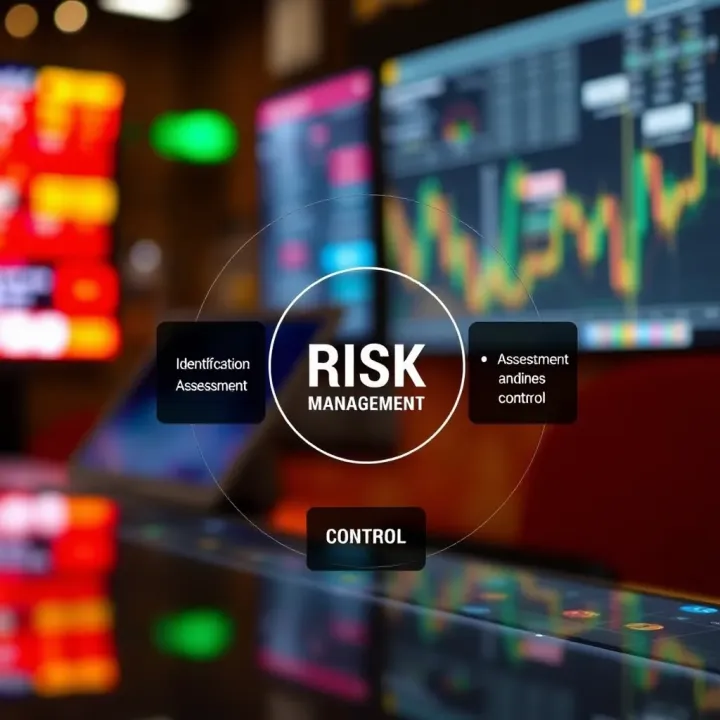
At its heart, risk management involves several core activities:
Identification: Recognizing threats that could come from market volatility, regulatory shifts, operational failures, or external factors like economic downturns.
Assessment: Measuring the likelihood and potential impact of each risk to prioritize which ones need attention.
Mitigation: Developing strategies or controls, such as diversification in portfolios, using insurance, hedging with options, or tightening internal controls.
Monitoring: Continuously tracking risk factors to catch changes early and adjust responses as needed.
For example, a mutual fund manager might identify the risk that rising interest rates could lower bond prices. By assessing that risk as high, the manager might reduce exposure to long-term bonds or add interest rate swaps to cushion the blow.
In practice, risk management depends heavily on data and tools. Software platforms that analyze financial statements, market data, and economic indicators help experts spot risks early. Stress testing and scenario analysis simulate different outcomes, letting traders and analysts plan for worst-case situations.
The bottom line is this: understanding risk management is about more than avoiding losses—it's about making informed decisions that balance potential rewards with the chance of setbacks. Handling risk well helps secure a company's future earnings and builds trust with investors and stakeholders.
With these basics nailed down, you can start looking into specific methods and applications tailored to your industry or portfolio needs.
Understanding what risk management entails and why it matters is the cornerstone for anyone involved in trading, investing, or business analysis. It sets the tone for how an organization or individual anticipates and handles the uncertainties that can affect profits, reputation, or operational stability. Without grasping this foundation, attempts at managing risk can be scattered and ineffective.
Risk management is the process organizations use to identify potential threats or uncertainties that might impact their goals or operations. Think of it as scanning the horizon for storms that could disrupt a smooth sailing voyage. Risk varies widely—from market fluctuations that hurt investor portfolios to operational glitches that stall production lines. This uncertainty means outcomes can never be predicted with full confidence, but understanding patterns and probabilities helps mitigate adverse impacts.
The purpose here is pretty straightforward: minimize negative surprises while maximizing opportunities. For example, a hedge fund might use derivatives to offset potential losses from volatile stocks, applying risk management principles to protect capital without shutting out gains.
At its core, risk management aims to protect assets, reduce losses, and ensure business continuity. If an investment bank fails to monitor credit risks, it could face massive defaults, jeopardizing its financial footing. Also, risk management keeps operations aligned with the overall strategy by ensuring risks taken match the organization’s risk appetite.
By clearly defining acceptable risk levels, companies can make informed decisions instead of flying blind. For instance, a retailer expanding to a new market may assess political risks or currency fluctuations before committing capital, balancing opportunity against potential fallout.
Safeguarding physical and financial assets is a big motivator for risk management. Imagine a logistics company that relies heavily on its fleet; a failure to manage maintenance risks could ground trucks, causing costly delays. Beyond tangible assets, a company’s reputation is on the line too. A data breach at a financial services firm, for example, can erode client trust and result in hefty fines.
These risks translate directly into dollars lost or brand damage that may take years to repair. Effective risk management provides a shield, reducing the likelihood and impact of such events.
Risk management also plays a vital role in strategic planning by offering a reality check on assumptions. It forces organizations to ask tough questions like, "What if demand drops unexpectedly?" or "How compliant are we with new regulations?" These insights help shape strategies that are both ambitious and achievable.
On the compliance side, many industries face strict regulations requiring thorough risk assessments. Financial institutions, healthcare providers, and energy companies must demonstrate due diligence to regulatory bodies like the SEC or FDA. Failure here isn't just costly—it can shut down operations entirely.
Bottom line: Risk management isn’t just a safety net. It’s a tool that helps businesses navigate uncertainty thoughtfully, protecting what matters while positioning for growth.
Understanding the core components and types of risk is vital for anyone involved in trading, investing, or financial analysis. Recognizing different risk types allows professionals to tailor strategies that protect capital and seize opportunities without unnecessary exposure. Let’s break down the main categories and how they factor into practical risk management.
Financial risk deals with the possibility of losing money due to market fluctuations, credit defaults, or liquidity problems. For example, a bond trader faces credit risk if a company fails to pay interest or principal on time. Similarly, currency traders confront exchange rate risk that can suddenly erode profits when geopolitical shifts affect currency values. Managing financial risk often means using tools like hedging or diversification to cushion unexpected losses.

Operational risk arises from internal processes, systems, or human errors. A classic example is a brokerage firm experiencing a software glitch that delays order execution during a volatile market. Another instance could be fraud or miscommunication leading to costly mistakes. Firms minimize operational risk by setting clear procedures, investing in reliable systems, and conducting regular audits to catch weak spots before they explode.
Strategic risk is about threats stemming from failed business decisions or changes in the market environment. Consider a firm heavily investing in fossil fuels as renewable energy gains traction; the resulting revenue drop illustrates strategic risk. For traders and investors, strategic risk involves shifts like regulatory changes or disruptive technologies that can alter business models. Incorporating scenario analysis can help anticipate and react to such risks.
This type involves the risk of fines, sanctions, or reputational damage due to violations of laws or regulations. For instance, a hedge fund failing to comply with SEC reporting requirements risks hefty penalties and investor distrust. Financial institutions often face compliance risk due to stringent rules around money laundering or customer data privacy. Staying up to date with regulations and embedding compliance checks in operations keeps these risks manageable.
Reputational risk means damage to brand image that can affect investor trust or customer loyalty. Imagine a bank caught in a scandal regarding unethical lending practices—it can lose business even if financially stable otherwise. Social media and 24/7 news cycles amplify reputational risks by spreading bad news instantly. Active communication and ethical conduct serve as practical defenses against these threats.
Pinpointing all potential risks is the foundation of effective risk management. Traders might scan market signals for emerging political risks, while analysts may track regulatory announcements for compliance issues. Techniques include brainstorming sessions, checklists, and using data analytics to flag unusual trends. Proper identification ensures no risk slips under the radar.
After spotting risks, professionals analyze their likelihood and impact. For example, a high-impact but low-probability event like a sudden market crash demands a different response than frequent minor glitches. This step uses qualitative assessments like expert opinions and quantitative methods including risk scoring or statistical models. Prioritizing risks guides where resources and controls should focus.
This stage focuses on developing strategies to reduce or handle risks. Mitigation tactics include diversifying portfolios to spread financial risk or implementing strict controls to prevent operational failures. Sometimes, risks are transferred by purchasing insurance or outsourcing tasks, while other risks might be accepted if the cost of mitigation exceeds the potential loss. Continual monitoring keeps the process dynamic and responsive.
Effective risk management depends on not just identifying risks but understanding their nature and addressing them with realistic, practical controls that fit specific business and trading contexts.
The takeaway? Knowing these components deeply equips professionals to guard assets, improve decision quality, and keep ahead in fast-moving markets.
Executing the risk management process effectively turns theory into action. It guides organizations through spotting risks, gauging their impact, and deciding on the best way to handle them. The process is not a one-time task but a continuous cycle that keeps a company ready for whatever comes its way. This hands-on approach helps businesses avoid surprises that could hurt their earnings or reputation.
Techniques for spotting potential risks involve a mix of methods tailored to the organization's context. Brainstorming sessions can bring fresh eyes to potential problems, while checklists ensure common risk areas aren’t overlooked. For example, a trader might review market trends or regulatory updates to spot financial risks early. Scenario analysis lets teams imagine different "what-if" situations to uncover hidden vulnerabilities.
Engaging stakeholders in risk identification means bringing in voices from various levels and departments who really know the details. Investors might flag concerns about economic shifts, while analysts spot data risks. By involving a diverse group, the identification process becomes richer and more accurate. This collective insight helps avoid blind spots that a siloed approach could easily miss.
Qualitative versus quantitative methods offer two lenses for assessing risks. Qualitative methods rely on expert judgment and descriptive scales—like labeling risks as high, medium, or low—to quickly highlight priorities. This works well when data is scarce or for emerging risks. Quantitative methods use numbers and statistics, such as loss probabilities or financial impact calculations, to give a more precise estimate. Investors often use value-at-risk (VaR) models as an example of quantitative risk assessment.
Using risk matrices and scoring helps simplify decision-making by plotting risks on a grid based on likelihood and impact. For instance, a compliance risk that’s highly probable and could lead to hefty fines would score at the top-right corner of the matrix, demanding immediate action. This visual tool clarifies which threats need attention first and which can wait, ensuring resources get directed efficiently.
Developing risk responses means deciding what to do with each risk identified and prioritized. Common responses include avoiding the risk entirely (like not launching a risky product), minimizing impact (through additional training or safety checks), transferring risk (using insurance), or accepting it when it’s minor or unavoidable. For example, a broker might accept market volatility but avoid investments in unstable sectors.
Ongoing risk monitoring and reporting keeps the process alive by tracking how risks evolve over time and how well mitigations work. Regular reporting to decision-makers ensures transparency and timely updates. This might involve dashboards tracking key risk indicators for a portfolio or scheduled reviews following major market shifts. It allows firms to adjust strategies before small issues become big problems.
The bottom line is that risk management is a dynamic cycle, blending identification, assessment, action, and oversight to safeguard a company’s future.
Brainstorming
Stakeholder engagement
Qualitative/Qunatitative analysis
Risk matrices
Response planning
Continuous monitoring
By following these steps, organizations stay ahead of threats and make smarter, more confident decisions.
Risk management tools and techniques provide the practical means to identify, assess, and handle threats systematically. They help traders, investors, analysts, brokers, and educators stay ahead of uncertainties and shape better decisions. The right tools not only improve efficiency but also increase accuracy in predicting and responding to risks that could impact financial performance or strategic goals.
Risk management information systems (RMIS) are specialized software platforms designed to collect, store, and analyze risk-related data from across an organization. For example, a hedge fund might use an RMIS to track exposure across various asset classes, ensuring no unnoticed gaps in coverage. RMIS streamlines the risk reporting process, combining data from financial markets, compliance checks, and operational sources into one dashboard.
This real-time visibility allows risk managers to spot emerging issues quickly and take action before problems escalate. For traders, RMIS tools can integrate with trading platforms, flagging unusual positions or compliance breaches instantly. These systems often come with configurable alerts and customizable reports, empowering users to focus on the most critical risks without drowning in data.
Data analytics and predictive modeling take risk management a step further by using historical data and statistical techniques to forecast potential future events. For instance, quantitative analysts use predictive models to estimate market volatility or default probabilities on loans. By analyzing patterns and trends, these tools give firms a forward-looking edge instead of relying solely on past events.
Predictive modeling can incorporate multiple risk factors simultaneously, producing scenario analyses that help decision-makers evaluate "what-if" cases. If an oil price shock hits, predictive models can predict its impact on a diversified portfolio, enabling investors to rebalance proactively. These models have become increasingly accessible with advances in machine learning and big data, making predictive risk management practical, not just theoretical.
Risk avoidance and reduction involve steps to eliminate or lower risk exposure before it causes harm. A stock trader might avoid highly volatile penny stocks to reduce the likelihood of sudden losses. Similarly, businesses can adopt stricter safety protocols to reduce operational risks like workplace accidents.
These strategies require a clear understanding of which risks are preventable or manageable and often come with trade-offs, such as missing out on high returns or incurring higher costs. The goal is to strike a balance between risk and reward that fits the organization's appetite.
Risk transfer and sharing redistribute risk to other parties, usually through contracts or insurance. A company might buy business interruption insurance to transfer financial losses from unforeseen shutdowns to the insurer. In investments, derivative contracts like options can transfer price risk from a holder to a counterparty.
This approach allows businesses and investors to protect themselves against costly events without necessarily reducing the risk directly. However, risk transfer is only as effective as the counterparty's ability to pay claims, so due diligence is essential.
Risk acceptance means consciously deciding to live with a risk when its impact is minor or the cost of mitigation outweighs the benefit. For example, a small retail investor might accept the risk of daily stock price fluctuations without hedging, knowing these are normal and expected.
Accepting risk doesn’t mean ignoring it; instead, it involves monitoring to ensure that the risk remains within acceptable bounds. This strategy is common when risks are unavoidable or where attempts to reduce risk could hamper business objectives.
The bottom line is that managing risk effectively requires a toolbox of technologies and strategies tailored to each situation. Combining software solutions like RMIS with thoughtful approaches to mitigation gives professionals the confidence to tackle uncertainty head-on.
Risk management shapes business decisions by guiding leaders to weigh potential pitfalls alongside opportunities. It’s not just about avoiding losses; smart risk management helps companies stay competitive, invest wisely, and adapt quickly when conditions shift. When risk factors are clear and integrated into the decision-making process, executives can make choices that align with overall business goals — avoiding costly mistakes while seizing promising ventures.
Every company has a different appetite for risk — meaning how much uncertainty it’s willing to accept in pursuit of its objectives. Aligning this risk appetite with the broader business strategy ensures actions reflect what the organization can actually handle without jeopardizing its core mission. For example, a tech startup driving rapid innovation might accept more risk around new product launches, whereas a financial institution often prioritizes stability and regulatory compliance.
This alignment helps prevent scenarios where a business chases aggressive growth without the safeguards to back it up, or conversely, plays too conservatively and misses out on lucrative opportunities. By mapping risk appetite clearly, decision-makers balance ambition with caution.
No matter the industry, decisions often happen amid incomplete information. Risk management equips teams to fill those gaps by analyzing potential outcomes and their impacts systematically. Instead of guesswork, leaders rely on tools like scenario analysis, risk scoring, and data-driven forecasts.
Take an investment firm deciding whether to enter an emerging market. It can’t predict every variable, but by evaluating political risks, market volatility, and local regulations, it makes a more educated call. This approach reduces surprises and allows the company to plan contingencies, making uncertainty manageable rather than paralyzing.
Managing risk well doesn’t just shield a business from harm — it builds resilience. When a company anticipates challenges and prepares flexible responses, it can bounce back faster from disruptions. For instance, retailers with robust supply chain risk plans adapted swiftly during recent global shocks, such as the COVID-19 pandemic, by pivoting to local suppliers or ramping up e-commerce.
This agility becomes a competitive edge in fast-moving environments. Businesses that embed risk awareness into their culture respond to change more smoothly and keep operations running even in rough waters.
Effective risk management sends a strong message to investors, customers, and partners that a company is reliable and forward-thinking. Transparent communication about risks and mitigation efforts builds trust and strengthens relationships.
Consider a publicly traded company regularly briefing shareholders on its risk outlook and controls. That openness can lead to higher valuations and easier access to capital because investors feel more secure their money is in competent hands. Similarly, customers favor companies that demonstrate sound management, making risk management a tool not just for safety — but for brand strength too.
Bottom line: integrating risk management into decisions elevates a business’s strategy, creating value that goes beyond merely avoiding threats.
📊 Learn how to build and maintain a risk management framework that identifies and handles threats effectively. Tips on implementation, challenges, and best practices included.

📋 Explore how insurance helps manage risks for individuals and businesses. Learn to identify, assess, and reduce financial threats with smart policies and strategies.
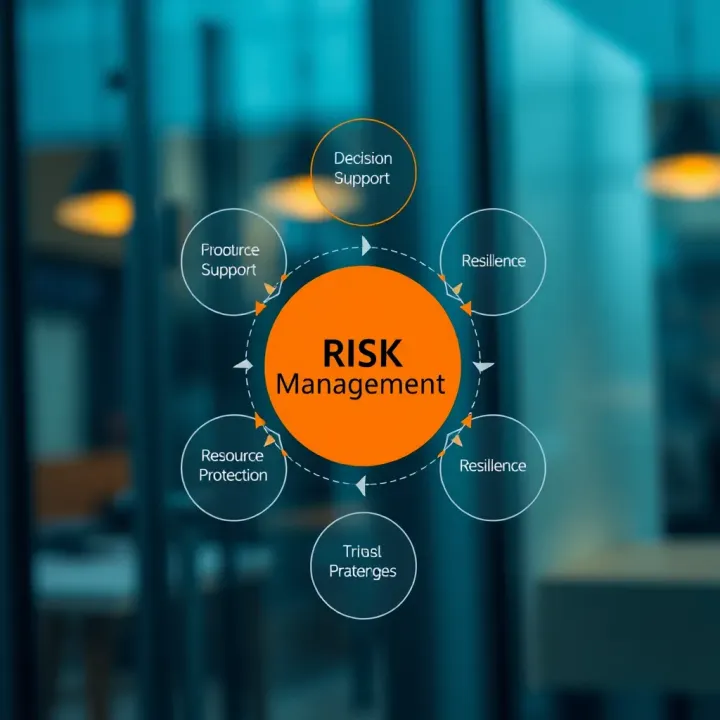
📊 Understand how risk management helps Kenyan businesses and public sectors secure resources, guide decisions, and build resilience against threats to their goals.
📊 Learn how Kenyan businesses identify, assess, and manage risks to protect operations, meet regulations, and make better decisions in a changing market environment.
Based on 14 reviews