

Understanding Insurance and Risk Management
📋 Explore how insurance helps manage risks for individuals and businesses. Learn to identify, assess, and reduce financial threats with smart policies and strategies.
Edited By
David Mitchell
Risk management frameworks are essential tools that businesses use to spot and handle potential risks before they become serious problems. These frameworks help traders, investors, analysts, and brokers keep a close eye on threats that could disrupt operations or hurt profits.
At its core, a risk management framework organizes how risks are identified, assessed, treated, and monitored. Think of it as a road map guiding decision-makers through the tricky terrain of uncertainties. Without one, companies often react too late or misallocate resources, which can lead to costly errors.
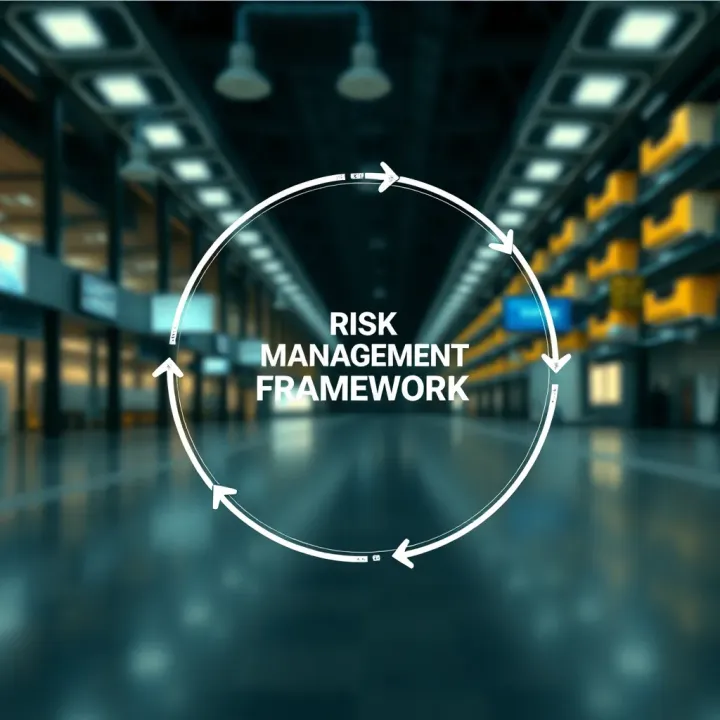
A well-structured framework starts by clearly defining an organization's risk appetite — basically, how much risk is acceptable given its goals and resources. For example, a hedge fund managing high-volatility assets might tolerate more short-term risk than a pension fund focused on steady growth.
The next step is to systematically identify risks. This might include things like market fluctuations, regulatory changes, credit defaults, or operational failures. It's not enough to just list risks; they must be quantified in terms of impact and likelihood.
Once risks are identified, businesses rank them to prioritize responses. One common approach is using a risk matrix that plots probability against severity, helping teams focus on the biggest threats. For instance, a sudden interest rate hike might score high on impact but vary on likelihood, guiding different strategic moves.
Regularly updating your risk profile ensures you catch new threats and shifting trends early. A static view quickly becomes outdated, especially in fast-moving markets.
Treatment plans vary widely: some risks can be avoided altogether, others transferred (like through insurance), mitigated via controls, or accepted if they fall within tolerance levels. The key is documenting these strategies and assigning responsibility for implementation.
Finally, continuous monitoring and reporting keep the framework alive. Dashboards with real-time data, periodic audits, and clear communication channels are practical ways to maintain oversight.
In summary, a risk management framework is not just a compliance checkbox but an ongoing practice that demands commitment. When done right, it sharpens decision-making and builds resilience against unexpected shocks, which everyone from traders to educators can appreciate.
A risk management framework (RMF) is a structured system organizations use to spot, analyze, and handle potential risks that could disrupt their operations or goals. Simply put, it offers a reliable way to keep threats in check while making sure business activities stay on track. For traders, investors, and analysts, understanding this framework helps in assessing business stability and forecasting potential impacts.
At its core, an RMF aims to create a systematic approach that identifies risks early and manages them effectively before they snowball into bigger problems. This means setting up clear steps to assess how likely a risk is to happen and what kind of damage it might cause. For example, a brokerage firm might use the framework to evaluate risks related to cybersecurity breaches that could lead to data leaks or operational downtime.
The practical goal here is prevention and preparedness—organizations want to lower surprises that could hurt their financial health or reputation. By having a formal setup, decision-makers get a clearer picture of where vulnerabilities lie and which risks need immediate attention.
An RMF doesn't just exist to avoid bad things; it actively supports a company's core goals—like growing market share, increasing profits, or launching new products safely. For instance, an investment company might integrate risk management into its portfolio strategy, balancing risk levels with expected returns to meet client objectives while minimizing exposure.
This support is practical: it keeps everyone aligned on what risks are acceptable and ensures resources focus on areas critical to success. Without the framework, organizations might either ignore significant threats or overreact, wasting time and money.
Business operates amid unknowns — market swings, regulatory changes, or tech failures. Risk management shines by cutting through this fog. It helps firms quantify and prepare for uncertainties rather than just crossing fingers and hoping for the best. For example, a trading firm might monitor geopolitical events carefully, adjusting strategies proactively to avoid sudden losses.
This reduction in surprise boosts confidence among stakeholders, from executives to investors, making it easier to plan budgets, allocate capital, and pursue opportunities with eyes wide open.
Physical assets like equipment matter, but intangible ones like brand reputation or customer trust are just as vital and more fragile. A data breach or product failure can damage both swiftly. Risk management steps in to spot these vulnerabilities early, recommending safeguards that protect these valuable resources.
Take a financial services firm facing potential fraud risks—it might implement strong controls and continuous monitoring to prevent losses and maintain client trust, which is essential for staying competitive.
Effective strategy is not just about pushing growth but doing so wisely. Risk management informs strategic plans with realistic assessments of what could go wrong and what contingencies to include. This foresight leads to smarter investments, better resource distribution, and improved resilience.
For example, a company planning to enter a new market might perform a risk analysis on regulatory hurdles, competitive pressure, and economic factors to decide the best timing and approach — preventing costly mistakes.
Good risk management transforms uncertainty into manageable challenges, turning potential setbacks into informed decisions that build long-term success.
In sum, a solid risk management framework is more than a safety net. It's a proactive tool that aligns risk handling with business goals, ensuring organizations not only survive but thrive amid challenges.
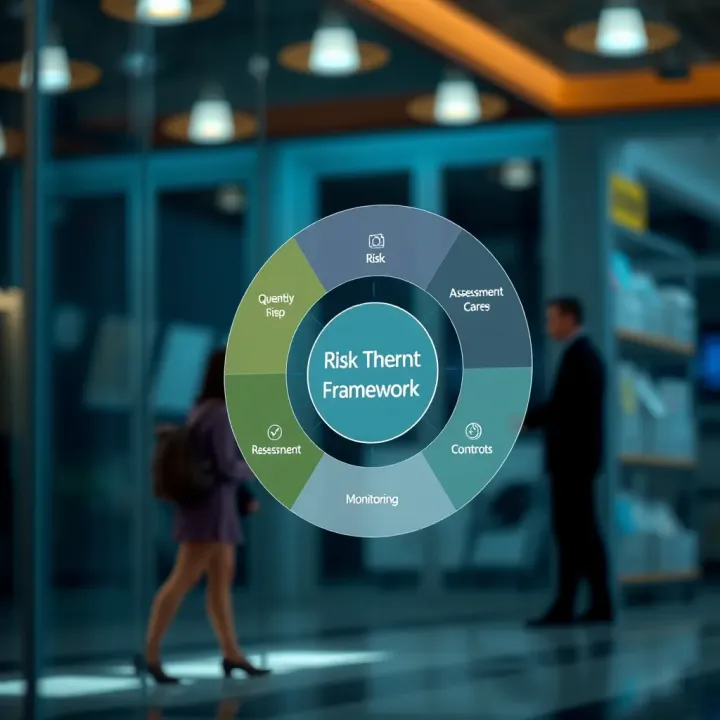
A solid risk management framework leans heavily on its core elements—the building blocks that drive its success and relevance. These elements ensure risks are not just identified but properly assessed, treated, communicated, and monitored. For traders, investors, and analysts, grasping these core pieces helps in making decisions that guard against losses and seize opportunities safely.
Spotting potential risks is the starting line. This involves tools like brainstorming sessions, SWOT analysis (strengths, weaknesses, opportunities, threats), and reviewing past incidents. For example, a trading firm might track regulatory changes or market volatility patterns to spot emerging risks early. Effective risk identification means no blind spots, capturing threats before they materialize.
Organizations face various risk types, from financial risks like credit default or market swings to operational risks such as system failures or fraud. Even reputational risks, like negative press impacting investor confidence, deserve attention. Knowing these categories helps prioritize where to focus risk management efforts and keeps strategies comprehensive.
After spotting risks, organizations evaluate their likelihood and potential impact. The idea is to separate minor nuisances from serious threats. For instance, a small probability event with a huge financial impact—like a cybersecurity breach—needs more focus than frequent but low-impact glitches.
Risk assessment comes in two flavors: qualitative and quantitative. Qualitative methods use expert judgment and scores to rank risks, while quantitative approaches rely on numbers and statistical models. Traders might use quantitative analysis to estimate potential losses under different market scenarios, while qualitative assessments could guide decisions in less data-rich environments.
Once risks are understood, firms must choose how to respond. Options include avoiding the risk, reducing its impact with controls, transferring it (like insurance), or accepting it if manageable. For example, a brokerage might hedge market exposure to limit loss potential.
Risk controls and safeguards come in many forms: automated trading limits, thorough compliance checks, or robust IT security measures. These controls act as guardrails, minimizing risk exposure while maintaining operational flexibility.
Engaging stakeholders—including traders, compliance officers, and clients—is key for accurate risk info sharing. Open communication ensures all involved understand risks and their roles in managing them. For example, a weekly risk briefing keeps teams on the same page about market conditions.
Sharing risk data effectively requires clarity and timeliness. Dashboards displaying real-time exposure or clear reports on risk metrics help decision-makers act quickly. Poor communication can cause missed signals or overreaction.
Risk landscapes evolve; tracking changes is essential. Monitoring tools flag shifts in market volatility or operational risks promptly, allowing swift actions.
Updating the framework responds to new threats or organizational changes. For instance, adopting new trading technology might introduce fresh risks, calling for revised policies. Regular reviews ensure the framework stays relevant and effective.
The bottom line is that mastering these core elements equips organizations to handle risk smartly, avoiding surprises and strengthening their position in dynamic markets.
Building and implementing a risk management framework is more than just ticking boxes—it's about tailoring a system that reflects your organization's unique environment and goals. Doing this right means you can spot and tackle potential issues before they spiral out of control, ultimately keeping your operations smooth and your stakeholders confident.
Before jumping into risk management, you have to get a clear picture of your organization's environment. This means knowing your business goals, the market you operate in, and the regulatory landscape. For instance, a small tech startup will have very different risks compared to a large financial institution. By understanding these nuances, you can frame your risk approach appropriately, ensuring it fits your specific situation.
After understanding your surroundings, you need to set risk criteria—basically, defining what level of risk is acceptable versus what isn't. This involves deciding thresholds for factors like financial loss, reputational damage, or operational disruption. For example, a broker might accept higher risk for short-term trades but be more cautious with long-term investments. These criteria guide decision-making and help prioritize which risks need immediate attention.
Establishing clear guidelines and standards is essential to ensure everyone is on the same page about how to identify, assess, and respond to risks. This could involve documented procedures for reporting risks or protocols for conducting risk assessments. When policies are well-defined, it cuts down confusion and speeds up responses. Think of it like having traffic rules on a busy street—without them, chaos ensues.
Risk management isn’t a one-person job; it's a team effort. Assigning clear roles ensures accountability at every level. For instance, a risk officer might oversee overall strategy, while analysts monitor market signals and traders execute risk controls. Clarifying these responsibilities helps avoid overlap or gaps, making the framework more effective in practice.
Risk management works best when it's part of daily routines, not an afterthought. Embedding it means incorporating risk checks into routine tasks—like having traders run scenario analyses before executing large trades or analysts flagging unusual trends in real-time. This approach keeps risk management practical and timely, catching problems before they escalate.
Even the best framework falls short if people don’t understand or follow it. Regular training and awareness programs keep everyone sharp on current risks, tools, and protocols. For example, quarterly sessions could focus on new regulatory changes or lessons learned from recent market shocks. Continual education builds a risk-aware culture where everyone feels responsible and empowered.
The bottom line is that building and implementing a risk management framework requires clear context, well-defined policies, assigned roles, operational embedding, and ongoing training. This comprehensive approach helps organizations stay resilient and make smarter decisions in a constantly changing environment.
Risk management frameworks aren't just about design and policies. The real test lies in how well organizations manage bumps along the way. Understanding common challenges like uncertainty, resistance to change, and staying flexible can help make your framework sturdy enough to handle real-world conditions. Addressing these challenges upfront saves time, resources, and frustration.
Handling unpredictable risks means acknowledging that not every threat can be foreseen or neatly categorized. Markets shift unexpectedly; technology can fail without warning. Take the 2010 Flash Crash as an example, where automated trading sent stocks plummeting in minutes. No risk model could predict the event flawlessly. So, having contingency plans that cover unknowns—such as stop-loss orders for traders or predefined triggers in automated systems—helps limit damage when surprises hit.
Simplifying complex risk data is key when organizations face a mountain of information from various departments and external sources. Without clarity, teams get overwhelmed, and critical risks can slip through the cracks. One practical approach is using dashboards that distill key indicators like volatility indexes or credit exposures into visual, easy-to-grasp formats. This way, analysts and decision-makers can act promptly without wading through dense reports or raw data streams.
Overcoming resistance often involves breaking down skepticism or inertia within an organization. Employees may see risk management as extra work or a form of micromanagement. To shift this mindset, leaders can share stories of avoided losses or saved profits thanks to solid risk practices. For instance, a trading desk that prevented a large margin call by early identification of risky positions can illustrate real benefits and encourage participation.
Demonstrating value to leadership requires showing how risk management contributes directly to business goals like protecting capital, supporting compliance, or enabling smarter investments. Using specific metrics, such as reduced downtime, fewer compliance fines, or improved risk-adjusted returns, helps get executives on board. Clear communication about how the framework aligns with strategic objectives keeps buy-in strong and funding steady.
Adjusting to changing environments means the framework can’t be set in stone. Market conditions, regulations, and internal operations fluctuate. For example, when the SEC tightens reporting requirements, risk processes must adapt promptly to stay compliant. Having regular review cycles and an assigned team to update policies ensures the framework evolves with its context.
Keeping the framework relevant goes beyond updates; it’s about embedding ongoing learning. If past incidents like cyberattacks or operational failures aren’t reflected in the risk management approach, the same mistakes may repeat. Organizations should encourage feedback loops and lessons learned sessions, so the framework continuously sharpens its focus and effectiveness over time.
A risk management framework only works if it’s not too rigid or ignored. Facing uncertainty head-on, securing everyone’s buy-in, and evolving steadily will help organizations use risk as a guide, not a hurdle.
Recognize unpredictable risks and prepare with flexible responses.
Present complex data in clear, actionable formats.
Engage and motivate people at all levels to embrace risk management.
Keep revising your approach based on real-world changes and lessons learned.
These steps make the difference between a framework that collects dust and one that actually protects and improves your business decisions.
An effective risk management framework goes beyond just identifying and analyzing risks—it thrives on continuous improvement through best practices. These practices help organizations build resilience, improve decision-making, and create a workplace where risks are openly addressed rather than overlooked or ignored. The following sections cover key strategies that make a risk framework not just functional but a true asset.
Encouraging open discussion about risks is crucial. When team members feel comfortable sharing concerns or potential problems without fear of blame, organizations catch issues early. For example, a trading desk where analysts openly discuss unusual market movements can better anticipate volatility and adjust strategies before losses mount. Open dialogue reduces the chance of surprises and builds trust across departments.
Rewarding proactive risk management motivates employees to stay alert and take initiative. Recognizing individuals or teams who spot risks early or implement creative mitigation strategies reinforces positive behavior. Say a broker develops a shortcut to flag client portfolio risks faster—acknowledging this contribution encourages peers to do the same. Incentives don’t always mean bonuses; simple praise or career development opportunities often spark the most enthusiasm.
Risk management software options have expanded dramatically, offering modules tailored to different industries. Platforms like MetricStream or LogicManager streamline risk tracking, automate reporting, and ensure compliance. These tools reduce manual errors and centralize information, allowing analysts and compliance officers to focus on interpreting rather than gathering data. For brokers monitoring multiple accounts, software dashboards showing real-time exposure simplify complex risk landscapes.
Data analytics for risk insights takes the guesswork out of decisions. Advanced analytics identify patterns and emerging threats that might go unnoticed. For example, investment firms use predictive analytics to spot assets vulnerable to market swings ahead of time. Using historical and real-time data, these insights help prioritize risks based on potential impact and likelihood, rather than gut feelings.
Updating skills and knowledge keeps teams sharp and aligned with evolving risk environments. Periodic training on new regulations, market trends, or risk assessment methods ensures everyone speaks the same language. For instance, after the 2008 financial crisis, many firms strengthened their training on counterparty credit risk—helping avoid previous mistakes.
Learning from past incidents is another critical best practice. Analyzing failures or near-misses turns experience into actionable lessons. Suppose a trading error led to unexpected losses; a thorough post-mortem can reveal process gaps or technology flaws. Sharing these findings helps prevent repeats and fosters a culture of accountability.
The bottom line is that a risk management framework isn’t static. Incorporating best practices like open communication, smart use of technology, and ongoing education transforms it into a living system that supports informed choices and strengthens organizational resilience.
📋 Explore how insurance helps manage risks for individuals and businesses. Learn to identify, assess, and reduce financial threats with smart policies and strategies.
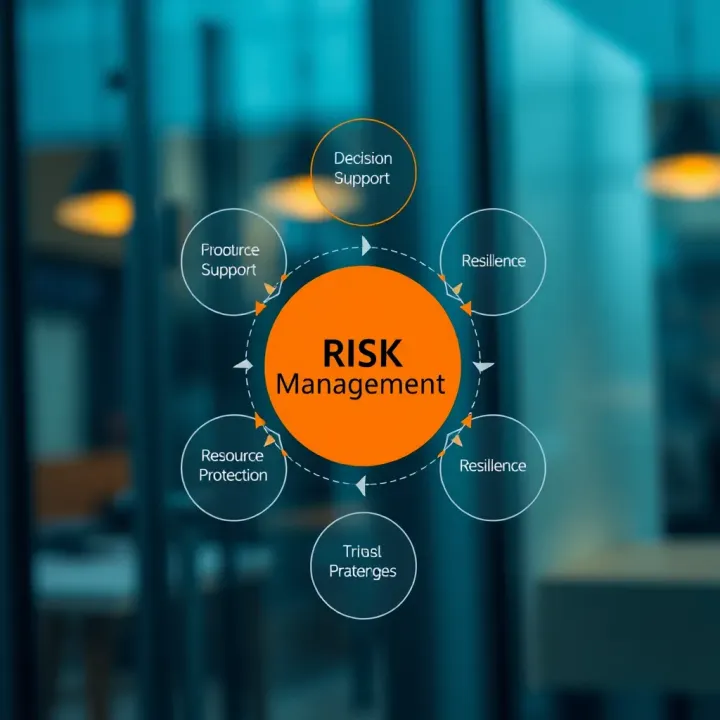
📊 Understand how risk management helps Kenyan businesses and public sectors secure resources, guide decisions, and build resilience against threats to their goals.

📊 Learn how Kenyan businesses identify, assess, and manage risks to protect operations, meet regulations, and make better decisions in a changing market environment.

📊 Learn what risk means and how Kenyan businesses spot, assess, and manage it smartly. Practical steps for handling uncertainty in different sectors explained.
Based on 8 reviews