

Understanding Enterprise Risk Management
🔍 Explore how Enterprise Risk Management (ERM) helps Kenyan businesses identify, assess, and manage risks effectively for stronger growth and stability.
Edited By
James Thornton
Risk management is the process organisations use to identify, assess, and control potential events that could negatively impact their operations or objectives. In simple terms, it’s about spotting trouble before it happens and finding practical ways to reduce its effects. For Kenyan businesses, effective risk management means safeguarding against losses, meeting regulatory standards, and making decisions with a clearer understanding of uncertainties.
Every business faces risks—be it financial fluctuations, operational hiccups, or external shocks like political unrest or weather disruptions. For example, a horticultural exporter in Naivasha depends heavily on consistent climate conditions and smooth supply chains. If unpredictable rains or transport delays hit, the business may suffer losses. Managing these risks early helps avoid costly surprises.
Risk Identification: This involves spotting the different risks that could affect your organisation. These might be:
Financial risks: currency fluctuations affecting import costs
Operational risks: machine breakdowns in a processing plant
Compliance risks: failing to meet regulations set by bodies like the Capital Markets Authority (CMA)
Market risks: sudden changes in demand or competition
Risk Assessment: Once risks are identified, businesses evaluate how likely each risk is and what impact it would have. For instance, a Nairobi-based investment firm might rate political instability as a high-likelihood risk that could affect market performance.
Risk Control: This step involves deciding how to handle risks. Options include:
Avoidance: choosing not to enter risky ventures
Mitigation: implementing safety checks in production lines
Transfer: using insurance to cover potential losses
Acceptance: sometimes, minor risks are accepted if the cost of mitigation outweighs the benefit
Monitoring and Review: Risks and business environments change. Continuous monitoring ensures that risk strategies stay relevant, such as adapting to regulatory changes in Kenya’s financial sector.
Effective risk management is not about avoiding risk altogether—it’s about managing it wisely so your business can thrive despite uncertainties.
By understanding these basic concepts, traders, investors, analysts, and brokers can better navigate the complexities of Kenyan markets. Knowing what risks to watch for and how to prepare ensures smarter choices and steadier growth.
This foundation sets the stage for deeper exploration into the types of risks affecting Kenyan businesses, tools for assessment, and practical management strategies tailored to local realities.
Risk management involves identifying, assessing, and addressing uncertainties that could harm an organisation’s goals. It helps businesses foresee challenges and put measures in place to reduce potential harm. For traders and investors in Kenya, managing risk means protecting capital and making informed decisions that balance reward with caution.
Good risk management is not about avoiding risks altogether but understanding which risks are worth taking and which can cause unnecessary setbacks. For example, a Kenyan company relying heavily on importing goods needs to manage currency risks tied to the shilling's fluctuations against the US dollar. By doing so, the business can avoid sudden losses that disrupt cash flow.
Risk refers to unexpected events that can cause losses or prevent an organisation from hitting its objectives. It’s uncertainty about the future with a chance of negative impact. For instance, a farmer in Rift Valley may face risks like drought or pest outbreaks, which can reduce harvests and income.
In financial markets, risk also means the possibility of losing money due to price changes or economic shifts. Traders must weigh these uncertainties before making moves in shares or foreign exchange. Understanding this uncertainty helps professionals make choices that better protect their investments.
Risk management in organisations is about systematically spotting those uncertainties and making plans to deal with them before they become problems. It could involve insurance, diversifying investments, or setting aside emergency funds.
For instance, a Nairobi-based manufacturer may identify supply chain disruptions as a major threat. By establishing multiple suppliers or keeping safety stock, the company reduces the likelihood that delays will halt production. The role of risk management is therefore to ensure the organisation keeps running smoothly despite challenges.
One key aim of risk management is to safeguard what the organisation owns, including physical assets like machinery, financial holdings, and the brand’s reputation. If a Kenyan retailer ignores risks like theft or counterfeit products, it might lose money and customer trust.
Reputation damage can happen quickly, especially with social media. A single error, like selling expired goods, can harm customer loyalty. Being proactive about these risks protects the business and builds confidence among clients.
Risk management also helps keep operations going during crises. If a wholesale business experiences power outages or data loss, having backup systems and recovery plans ensures minimal disruption.
In Kenya, where infrastructure issues sometimes lead to outages, business continuity planning is essential. For example, a bank with effective risk management will have alternate data centres and emergency response teams to serve customers without interruption.
Businesses must follow various legal and regulatory requirements to avoid fines and penalties. Risk management includes keeping up-to-date with these laws and ensuring operations meet standards.
In Kenya, firms must comply with regulations from bodies like the Kenya Revenue Authority (KRA) and the Capital Markets Authority (CMA). Ignoring tax reporting rules or insider trading laws can lead to serious consequences. Good risk management helps organisations avoid these troubles by embedding compliance into daily practices.
Effective risk management makes businesses more resilient, enabling them to face uncertainty with clear plans that protect assets, maintain operations, and meet obligations.
This practical approach benefits traders, investors, brokers, and educators by giving them a strong framework to identify risks early and act decisively, improving overall performance and trust.
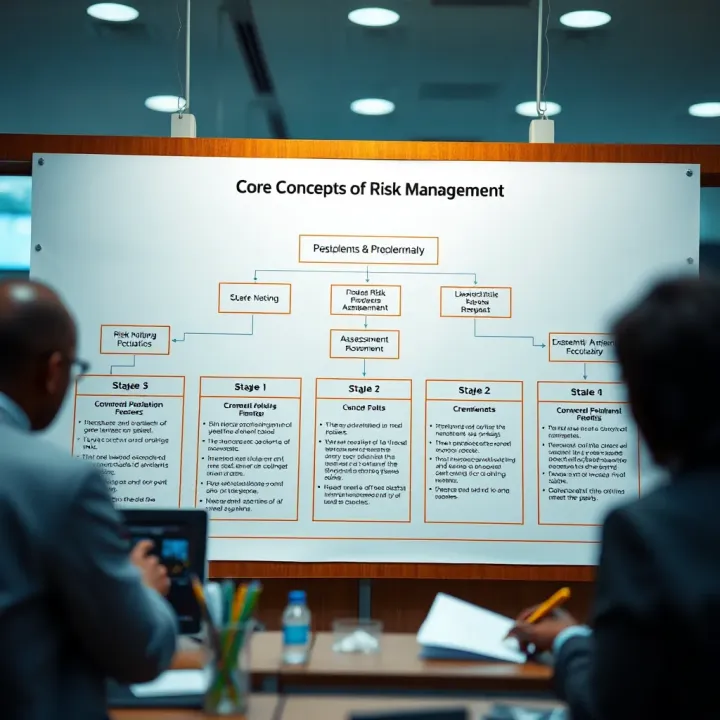
Understanding the common types of risks businesses face helps in planning effective risk management. These risks cover financial, operational, strategic, legal, and environmental factors that can affect day-to-day activities and long-term goals. Recognising these risks early allows traders, investors, and analysts to make informed decisions and safeguard their investments.
Currency fluctuations affect businesses engaged in import or export, especially in Kenya where the shilling sometimes swings against the dollar or euro. For example, a company importing electronic goods may pay more when the shilling weakens, increasing costs and squeezing margins unexpectedly. Managing these risks involves monitoring exchange rates closely and sometimes using forward contracts to lock in prices.
Credit risk arises when customers or partners fail to pay debts on time or default entirely. A common case is a retail shop extending credit to customers who later don't pay, affecting cash flow. Financial institutions also face credit risks when borrowers struggle to repay loans, as seen during economic downturns. To reduce this risk, businesses can perform credit checks and set clear repayment terms.
Investment risks involve uncertainties in financial markets that affect returns on stocks, bonds, or other assets. For instance, fluctuations in NSE (Nairobi Securities Exchange) can impact investors’ portfolios. Diversifying investments and staying aware of global and local economic trends can help mitigate these risks.
Supply chain disruptions can occur due to delays, strikes, or transport issues. A Nairobi-based garment manufacturer might face shortages if raw materials from China arrive late, stalling production. These interruptions can increase costs and delay deliveries. Businesses often maintain alternative suppliers or hold buffer stocks to manage this risk.
Changes in market demand can catch businesses off guard. Take a phone retailer expecting high sales of a particular model, only to find customers shifting preferences to a new brand. Such changes require businesses to adapt quickly, either by adjusting inventory or marketing strategies.
Internal process failures refer to breakdowns in procedures like order processing or quality control. In Kenyan banks, for example, system glitches or human errors during transactions can erode customer trust and lead to financial loss. Regular audits and employee training are key to minimising these risks.
Compliance risks from Kenyan laws arise when businesses do not fully adhere to regulations from bodies like the Kenya Revenue Authority (KRA) or the Capital Markets Authority (CMA). For example, failing to file tax returns properly can lead to heavy penalties. Staying updated with legal requirements helps avoid such costly mistakes.
Environmental impact challenges include risks from pollution, waste management, or resource use that affect community relations or attract fines. For instance, a factory discharging untreated waste risks legal action and damage to its reputation. Adopting environmentally friendly practices can lessen these problems.
Litigation and contract disputes happen when business agreements break down. A supplier might delay deliveries, prompting legal battles that consume time and money. Ensuring clear contract terms and settling disputes amicably can prevent escalation.
Recognising and understanding these common risks is crucial for Kenyan businesses. It equips them to respond efficiently and protect their growth prospects in an unpredictable environment.
Understanding the process of risk management is vital for any business aiming to stay afloat amid uncertainties. This process guides organisations through recognising risks, assessing their seriousness, deciding how to deal with them, and keeping a close eye on changes. Kenyan traders, investors, and analysts benefit from a systematic approach that helps protect assets and supports decision-making based on a clear view of potential challenges.
Spotting potential risks is the first and most critical step. This involves a keen look into where things can go wrong, whether it’s supply chain hiccups, currency fluctuations, or regulatory changes. For example, a textile exporter in Nairobi might identify risks such as delays in raw material arrival or sudden shifts in demand from overseas buyers. Recognising these early can help prepare for fallout.
To assist in identifying risks, businesses use various tools and techniques. Brainstorming sessions with teams, SWOT (Strengths, Weaknesses, Opportunities, Threats) analysis, and checklists tailored to specific industries are common. Digital tools like risk registers and software that track market trends can also pinpoint emerging threats. These approaches ensure businesses do not overlook less obvious risks that might affect their operations.
Once risks are on the table, the next task is to assess their likelihood and impact. Evaluating how probable a risk is and how severely it could affect the business helps in allocating attention where it’s needed most. For instance, a tech startup in Kenya may face cybersecurity risks with a high impact but low frequency, while everyday equipment failures might occur often but with less damage.
Risk rating and ranking methods help organise risks by severity. Techniques like risk matrices plot risks combining their chance and impact scores to create a clear priority list. This way, management can focus on risks that deserve immediate action, such as a breach in data security, while monitoring less critical ones.
Businesses can respond to risks in several main ways: avoidance, reduction, transfer, or acceptance.
Risk avoidance means steering clear from risky actions altogether—say, avoiding investment in a volatile foreign currency. Reduction, on the other hand, involves taking steps to lessen the impact, such as installing backup power generators to reduce downtime.
Transferring risks usually involves insurance or outsourcing. Kenyan farmers might transfer the risk of crop failure to an insurance company, while a business might share financial risks by partnering with other firms.
Accepting certain risks is also a practical choice when the cost of mitigation outweighs the potential loss. For example, a small retail shop might accept occasional theft as a cost of doing business rather than investing heavily in security systems.
The risk environment is always shifting. Continuous tracking means regularly checking for new risks or changes in existing ones, much like a broker following stock market trends. This keeps risk management relevant and responsive.
Adapting strategies is part of good risk oversight. If a Kenyan importer notices rising transport costs due to fuel price hikes, they might adjust their supply routes or budgeting. This flexibility ensures that plans remain realistic and effective despite external changes.
Effective risk management is not a one-off event but an ongoing cycle of watching, assessing, acting, and adjusting.
By understanding and applying each stage of the risk management process thoughtfully, Kenyan businesses and investors can protect their interests better and navigate the complexities of today’s markets with greater confidence.
Risk management in Kenya requires a clear understanding of local legal frameworks, business environments, and technological landscapes. Kenyan businesses face unique challenges such as fluctuating regulatory policies, infrastructural gaps, and market uncertainty. Applying risk management effectively means aligning strategies with these realities to protect assets, ensure compliance, and maintain competitiveness.
Kenyan businesses must navigate several laws that directly impact risk management. The Companies Act, for instance, sets governance standards that affect how risk oversight is structured. Environmental Management and Coordination Act guides firms handling natural resources or waste, requiring clear risk mitigation on environmental impact. The Data Protection Act demands careful handling of customer information, increasing data privacy risk management.
This legal backdrop means organisations should embed compliance into their risk management systems to avoid penalties and reputational harm. For example, a Nairobi-based manufacturer must regularly audit environmental risks and data procedures to meet these laws. Ignoring such requirements can lead to fines or operational shutdown.
Risk management also means meeting expectations from regulatory agencies like the Kenya Revenue Authority (KRA) and the Capital Markets Authority (CMA). KRA enforces accurate tax reporting and timely remittance, so businesses must manage financial risks relating to compliance and audits. Meanwhile, firms listed on the Nairobi Securities Exchange (NSE) closely follow CMA guidelines on disclosure and corporate governance, which are vital to avoid sanctions and maintain investor trust.
Failing to meet these institutional expectations could not just invoke fines but damage relationships with key partners and investors. Businesses benefit from regular internal reviews and training to stay current with shifting regulatory demands.
Small businesses and the informal jua kali sector often operate without formal risk frameworks. Simple, practical risk approaches suit these enterprises best. Keeping good cash flow records, frequent stock checks, and basic safety measures can reduce common risks effectively. For instance, a roadside duka owner might use a daily log to track finances and theft, rather than complex software.
Because these businesses face frequent challenges like theft, shifting customer preferences, and cash shortages, addressing these risks is critical. Theft risk can be mitigated by improved store security and community vigilance. Market fluctuations call for flexible sourcing and product lines, while financial risks need careful budgeting and access to mobile credit platforms such as M-Shwari or KCB M-Pesa. These small efforts help owners make better decisions and survive tough periods.
Kenyan firms increasingly rely on digital tools for tracking and managing risks. Software systems tailored for local users, like QuickBooks Kenya or Tala for credit risk, provide timely insights into business health. Real-time monitoring of transactions via M-Pesa and electronic invoicing through the iTax system reduce operational and financial risk.
Technology also addresses cybersecurity risks, which are growing with online business activities in Kenya. Many SMEs still underestimate threats like phishing or fraud on mobile platforms. Implementing simple security steps — two-factor authentication, regular password changes, and staff awareness training — significantly lowers risk. Larger companies might engage cybersecurity firms for audits and protection.
In Kenya’s fast-evolving market, technology is both a risk source and mitigation tool — using digital innovations wisely is essential for resilient businesses.
Proper risk management plays a vital role in securing a business’s future. By identifying and handling risks effectively, organisations can avoid costly surprises and navigate uncertainties with confidence. This section explores how managing risks properly shields assets, improves decision-making, and builds trust among key stakeholders.
One main benefit of risk management is safeguarding business assets. These include physical property, financial resources, and intangible assets like brand reputation. For instance, a Nairobi-based manufacturer might face supply chain delays due to transport strikes. By having contingency plans and alternative suppliers, the business can continue production, minimizing losses and protecting its market share.
Brand protection goes beyond physical assets. Public perception can shift quickly if risks like data breaches or product failures are mishandled. For example, telecom companies such as Safaricom invest heavily in cybersecurity to protect customer data, which in turn maintains trust and keeps competitors at bay. Ignoring such risks can lead to customer attrition and reduced brand value.
Risk management provides a clearer picture of potential pitfalls and opportunities. When managers assess risks methodically, they can make decisions based on facts rather than guesswork. For example, a trader at the Nairobi Securities Exchange (NSE) considering investing in a volatile stock can use risk assessment tools to evaluate potential losses versus gains. This enhances strategy development and improves resource allocation.
Additionally, understanding risks helps companies prioritise actions. Instead of addressing every issue, they focus on risks with the greatest impact, saving time and costs. This practical prioritisation is crucial for Kenyan SMEs that often operate with limited funds and capacity.
Assuring customers and partners: Stakeholders want assurance that a business can withstand challenges. Effective risk management signals that a company is reliable and well-prepared. For example, banks offering loans in Kenya's jua kali sector often require clear risk controls before lending. This reassures them about borrower stability.
Maintaining transparent communication about risk policies also deepens customer confidence. When firms provide clear return policies or guarantee product quality, customers feel secure despite market uncertainties. Partnerships likewise strengthen when parties know risks are shared and managed responsibly.
Gaining investor confidence: Investors, from local individuals to institutional players, seek security along with good returns. Companies that demonstrate solid risk controls are more attractive investment prospects. They show readiness to handle shocks such as regulatory changes or market shifts specific to Kenya’s dynamic economy.
Take a publicly listed FMCG company, for example. By disclosing its risk management framework during annual general meetings, it boosts investor trust and can secure funding at better terms. This transparency reduces perceived risk and encourages long-term investment, benefiting the entire Kenyan business ecosystem.
In summary, proper risk management not only protects businesses from immediate threats but also strengthens decision-making and relationships with stakeholders. This foundation supports sustainable growth and resilience in Kenya’s challenging market environment.
🔍 Explore how Enterprise Risk Management (ERM) helps Kenyan businesses identify, assess, and manage risks effectively for stronger growth and stability.

Explore practical risk management strategies and assessment insights to navigate challenges and boost safety across sectors. 📊🛡️
🔍 Explore how Kenyan businesses manage compliance and risks, master best practices, and build a strong culture aligned with local laws and regulations.

Learn the essentials of financial risk management 📊. Explore key concepts, frameworks, and tools to identify and manage risks effectively in business.
Based on 10 reviews