
Understanding Risk Management for Kenyan Businesses
📊 Learn practical risk management for Kenyan businesses. Identify risks, assess impacts, use tech and regulations to protect and grow your operations sustainably.
Edited By
Mia Robinson
Managing risks effectively is a business necessity, not an option. Whether you’re a trader, investor, analyst, broker, or educator, understanding how to identify and handle risks can drastically reduce losses and protect your assets. Risks come in different forms — from market volatility to cybersecurity breaches — and ignoring these threats can derail your operations or investments.
The key is to develop a clear risk management plan tailored to your specific environment. For example, a trading firm might focus heavily on market exposure limits and automated stop-loss controls, while a brokerage might prioritize compliance risks and client data protection. Educators, on their part, must consider reputational risks and regulatory requirements.

Good risk management means spotting issues before they snowball and having clear steps ready to address them.
To build an effective framework, you start by identifying potential risks, both internal and external. This involves analyzing your business processes, market factors, technology infrastructure, and regulatory landscape. Once identified, risks should be assessed based on their likelihood and potential impact. Not all risks require equal attention; focusing on high-impact, high-probability risks ensures efficient resource use.
Next comes risk mitigation, which includes controls and strategies to reduce the chance or severity of risk. This could be hedging investments, investing in cybersecurity, diversifying portfolios, or implementing rigorous compliance checks. Importantly, risk management doesn’t stop once controls are in place — continuous monitoring and review is essential. Market conditions shift, regulations evolve, and new threats emerge, so your risk approach needs regular updates.
Spot threats early: Use data analytics tools and market monitoring to catch red flags sooner.
Protect your assets: Employ safeguards like insurance, diversification, and technology defenses.
Reduce losses: Set clear limits and automated triggers to limit downside exposure.
Make smarter decisions: Use risk data to balance opportunity with potential downside effectively.
Understanding and applying these basics will help you build a robust risk management strategy that not only safeguards resources but also supports confident, informed business choices.
Risk management is more than just a buzzword in today’s business environment—it's a fundamental part of sustaining operations and protecting investments. By understanding risk management, businesses can spot potential threats before they turn into costly problems. This isn't just about avoiding losses; it's about creating a solid foundation to make smarter decisions and seize opportunities with confidence.
At its core, risk management involves identifying, evaluating, and responding to uncertainties that could affect an organization's goals. Think of it as a safety net that businesses build to catch issues before they spiral out of control. This process includes everything from spotting cybersecurity threats to anticipating market shifts, ensuring the business stays on course even when unexpected events occur.
Financial risks deal with the possibility of losing money due to market fluctuations, credit defaults, or cash flow problems. For example, an investment firm might face financial risk if interest rates suddenly spike, affecting loan repayments or asset values. Recognizing these risks early enables businesses to hedge investments or adjust budgets accordingly.
Operational risks arise from the day-to-day activities that keep a business running. These include issues like system failures, supply chain disruptions, or human errors. A retail company relying heavily on a single supplier, for instance, could face trouble if that supplier suddenly can't deliver goods. Properly managing these risks means having backup plans and maintaining clear communication channels.
Compliance risks involve the danger of violating laws, regulations, or standards that the business must follow. Take a brokerage firm that must adhere to SEC regulations—failure to comply can lead to hefty fines or legal trouble. Staying updated on regulatory changes and conducting regular audits helps lower these risks.
Strategic risks come from making decisions that impact the long-term direction of the business. Imagine a tech company investing heavily in a new product that the market ultimately rejects. Without proper risk assessment, strategic moves like this can jeopardize growth or even survival. Evaluating market trends and customer feedback is vital to reduce such risks.
Reputational risks involve damage to a company’s image that can lead to lost customers or revenue. For example, a data breach exposing customer information can quickly erode trust and trigger negative media coverage. Managing these risks means having strong cybersecurity measures and clear communication strategies ready for crisis situations.
The bottom line is that risk management helps businesses avoid surprises that can disrupt operations or drain resources. It allows organizations to allocate resources smartly, prioritize threats, and maintain steady growth. For traders, investors, and brokers, a thorough grasp of risk management translates into less exposure to losses and better-informed strategies. In essence, it’s the difference between reacting to crises and being prepared to handle them head-on.
Effective risk management isn’t about playing it safe all the time; it’s about understanding your limits, planning ahead, and being ready to adapt when the unexpected happens.
Creating a solid risk management plan is essential for any business aiming to keep surprises at bay. This process helps identify potential threats early, rank them by importance, and decide how best to respond. For traders and investors, understanding these steps can mean the difference between weathering market volatility or facing unexpected losses.
Brainstorming and Workshops bring together diverse teams to discuss possible risks openly. This collective approach often uncovers threats that might slip past a single viewpoint. For instance, a brokerage firm might hold a workshop with compliance, IT, and trading desks to spot vulnerabilities from regulatory changes to cybersecurity threats. These sessions encourage sharing different experiences and can spark ideas that lead to stronger safeguards.
Checklists and Risk Registers provide a systematic method to track known risks. Checklists ensure no common hazards get overlooked, while risk registers document each risk’s characteristics, status, and actions taken. A financial institution might maintain a risk register that logs threats such as credit defaults or system outages, making it easier to monitor trends and prioritize attention.
Scenario Analysis paints detailed "what if" pictures, simulating how different risks could impact your business. By walking through realistic situations, like a sudden market crash or a technology failure, teams gauge their preparedness and identify gaps. For example, an investment firm might use scenario analysis to test how various geopolitical events could affect its portfolios.
Qualitative vs Quantitative Risk Assessment involves two complementary approaches. Qualitative assessment relies on expert judgment to categorize risks by severity or likelihood, which is useful when data is scarce. Quantitative methods use numbers and statistics to measure risk impact more precisely, like calculating potential dollar losses. Combining both approaches gives a fuller picture, balancing intuition with hard data.
Risk Probability and Impact focus on understanding how often a risk might happen and what damage it could cause. For instance, a trader might evaluate the chance of sudden price swings (probability) and how much those swings could hit their portfolio (impact). This dual view helps allocate resources to the risks that matter most.
Risk Ranking Methods organize risks so you can tackle the biggest threats first. Tools like risk matrices place risks into categories like high, medium, or low based on their likelihood and effect. Prioritizing this way ensures managers don’t waste time on unlikely or minor risks while ignoring serious ones that could derail business plans.
Avoidance means steering clear of activities that bring unacceptable risk. If a startup finds certain high-volatility assets expose it to losses beyond its tolerance, it might simply avoid trading those instruments. This strategy is about cutting losses before they start.
Mitigation aims to reduce either the probability or impact of a risk. A brokerage might install stronger cybersecurity firewalls or provide staff training to lower the chances of data breaches. Mitigation doesn’t eliminate the risk but keeps its effects manageable.
Transfer shifts risk to a third party, often through insurance or outsourcing. For example, a trading company might buy cyber insurance or hire an external vendor to handle sensitive data, transferring some responsibility and potential losses.
Acceptance involves consciously deciding to bear certain risks, usually because the cost of avoidance or mitigation outweighs the threat. A small investor may accept market fluctuations rather than trying to predict every move, focusing on long-term growth instead.
Building a risk management plan isn’t a one-time checklist but a dynamic approach—pinpoint risks, assess their seriousness, and choose how to handle each smartly. That’s how businesses protect themselves and their future.
Effectively implementing and controlling risk management measures is where plans turn into action. Without this, identifying risks or drafting strategies means very little. It ensures the designed safeguards actually work and adapt as new risks emerge, minimizing surprises that disrupt business operations.
Internal controls are the backbone of a company’s defense against risk. They involve processes and procedures aimed at preventing errors, fraud, or operational failures. For example, segregating duties so that no single employee controls both payments and approval reduces the chance of embezzlement. Another practical control is regular inventory audits, helping catch shrinkage early before losses pile up.
Strong internal controls not only help keep financial data accurate but also protect assets and ensure compliance with regulations like Sarbanes-Oxley. Businesses failing to establish such controls leave gaps that can lead to significant financial or reputational damage.
Insurance remains one of the simplest yet most effective risk transfer tools. It shifts potential financial losses from the business to an insurer. For instance, property insurance protects against fire or theft, while professional liability insurance covers claims of negligence.
Risk transfer isn’t limited to insurance. Contracts often include clauses that shift risks to suppliers or partners, such as hold harmless agreements. Using these tools smartly allows companies to focus resources on core areas while reducing exposure to costly liabilities.
Modern technology solutions provide businesses powerful tools to monitor and control risks in real time. Automated compliance systems ensure regulatory requirements are met without constant manual checks. Cybersecurity tools guard against data breaches, a risk growing in importance as digital operations expand.
For example, blockchain can enhance supply chain transparency, reducing fraud risk. Data analytics platforms identify patterns that might signal emerging risks early, allowing businesses to react quicker. Investing in the right technology directly translates into stronger, more responsive controls.
Clear roles and responsibilities are crucial for successful risk management implementation. Without them, accountability blurs, and critical tasks can fall through cracks. Assigning a risk officer or a dedicated team ensures monitoring doesn't become an afterthought.
Moreover, involving department heads in risk decisions encourages ownership at all levels, turning risk management into a shared responsibility rather than a siloed function.
Risk management shouldn’t be an add-on but a built-in feature of everyday business activities. Embedding risk assessments into project planning, procurement, and even product development helps catch problems early.
Take quality control checkpoints during manufacturing as a prime example. They act as regular risk assessments by identifying defective products before they reach customers. When risk management fits naturally into workflows, it supports proactive, rather than reactive, decision-making.
Bottom line: Implementing solid controls, defining who does what, and embedding risk oversight into daily work ensures your business stays prepared, agile, and protected against a range of threats.
Keeping a close eye on risk management efforts is more than just a good habit—it's essential to keeping your business resilient. Continuous monitoring helps spot new threats and confirms whether the controls you’ve put in place are working as expected. Businesses that ignore this step risk falling behind as the landscape shifts, leading to costly surprises and missed opportunities.
Risk environments are never static. Market conditions, regulatory requirements, technology, and even your own business operations evolve all the time. Continuous risk monitoring ensures that you catch changes early, making timely adjustments possible. For example, a small investment firm noticed their cybersecurity risk increasing after a breach in a peer company. Because they monitored their cybersecurity indicators daily, they could quickly ramp up defenses before suffering any damage themselves.
Regular monitoring also fosters accountability. When teams know their risk management tasks are tracked consistently, they tend to stay on top of potential issues. This proactive approach can save a company from blind spots that otherwise might turn into serious damage.
A well-designed risk dashboard consolidates key data points into a single visual display that's easy for decision-makers to interpret quickly. Imagine an operations manager who can review real-time metrics like system downtime, incident reports, and compliance status all in one place. This visual snapshot enables swift action on emerging concerns.
Practical dashboards offer customizable views tailored to roles—from executives to frontline managers. For instance, a finance team might focus on liquidity risk indicators, while IT monitors network vulnerabilities. This approach keeps everyone aligned and informed without drowning in irrelevant data.
KRIs are measurable signals that hint at the likelihood or impact of particular risks. Selecting the right KRIs means choosing factors directly tied to your business objectives and threats. For example, a retail company might track customer return rates as a KRI to detect product quality issues early.
Effective KRIs are specific, quantifiable, and actionable. They serve as early warning signs, giving your team the chance to intervene before small problems snowball. By regularly reviewing KRI trends, companies can prioritize efforts and allocate resources smartly.
Audits put your risk management processes under the microscope, verifying their effectiveness and compliance with standards. For example, the finance department might undergo a quarterly audit ensuring adherence to internal controls and regulatory requirements, identifying gaps or inefficiencies.
Periodic reviews sharpen your risk perspective by incorporating fresh insights and lessons learned from incidents or changes in business strategy. They’re not just compliance exercises; when done right, audits also spotlight opportunities to refine and strengthen your risk approach.
No risk management plan is ever complete or set in stone. Businesses must be nimble and ready to adjust strategies as new information surfaces. This might mean revising risk responses after a market downturn or scaling up insurance coverage following a natural disaster in your area.
For instance, a manufacturing firm modified its supply chain risk plan when a key supplier shut down unexpectedly. By having a process in place to update plans, they quickly shifted to alternate suppliers, minimizing production delays.
Incorporating feedback loops—from risk data, audits, and frontline reports—ensures plans stay relevant and effective. The bottom line is keeping your risk strategy alive and connected to real-world conditions, not tucked away in a forgotten binder.
Regular monitoring and updating of risk strategies transform risk management from a static checklist into an agile, living part of your business operations. This ongoing effort safeguards your assets and sharpens decision-making in an unpredictable world.
Risk management plays a big role in keeping businesses stable and successful. But it comes with its own set of challenges that can trip up even well-prepared companies. Understanding these obstacles and learning how to handle them is key to a strong risk strategy. Traders, investors, analysts, and brokers especially need to recognize these challenges to protect their positions and maximize opportunities.
Uncertainty is part of business life, especially in markets where conditions shift fast and unexpected events hit without warning. For example, a sudden regulatory change or a geopolitical event like a trade embargo can shake up forecasts. To manage this, firms should adopt flexible risk plans that allow quick adaptation. This might involve setting trigger points for action based on market indicators or maintaining contingency funds. Scenario analysis is another useful tool—running through various "what if" situations helps teams prepare responses rather than just reacting after the fact.
Many organizations face limits on time, money, or personnel when managing risks. This often leads to cutting corners on risk assessment or skipping monitoring steps, which is risky itself. A practical way to overcome resource gaps is prioritizing risks based on their potential impact and likelihood. Focusing efforts on the most critical threats brings better bang for the buck. Smaller firms might also collaborate with external experts or use automated software to monitor risks. For example, financial tech platforms now offer affordable, automated risk tracking tools that alert users to unusual patterns—lightening the load for internal teams.
Overconfidence occurs when decision-makers believe they understand risks better than they actually do. This leads to underestimating how harmful a threat might be or skipping necessary precautions. Traders, for example, might hold onto positions too long, convinced the market will swing back, ignoring warning signs. To avoid this trap, companies should encourage diverse viewpoints and regular reality checks through independent reviews or audits. Making decisions data-driven rather than intuition-based helps counteract overconfidence.
Poor communication can cripple risk efforts by creating information silos. If departments or teams don’t share their risk insights or updates, the organization misses the full picture. For instance, a compliance team might spot a regulation change but not inform the product team, causing delays or penalties. Establishing clear channels and routines for risk communication, like weekly cross-department risk meetings or shared dashboards, keeps everyone informed and aligned.
Emerging risks often slip under the radar because they’re new or seem distant. Think about how few companies were prepared for the cyber risks that exploded over the last decade. Ignoring these risks can leave a business exposed to major shocks. Staying alert means regularly scanning the environment for new threats—technological, environmental, or market-related—and updating risk plans accordingly. Using tools like horizon scanning services or subscribing to industry risk reports helps keep tabs on what's coming.
Addressing these common hurdles head-on strengthens risk management and builds resilience, helping businesses make smart moves even when the road ahead looks uncertain.
📊 Learn practical risk management for Kenyan businesses. Identify risks, assess impacts, use tech and regulations to protect and grow your operations sustainably.

📊 Learn how Kenyan businesses can spot and tackle risks using practical tools. Understand types, real cases, and challenges to safeguard your operations and finances.
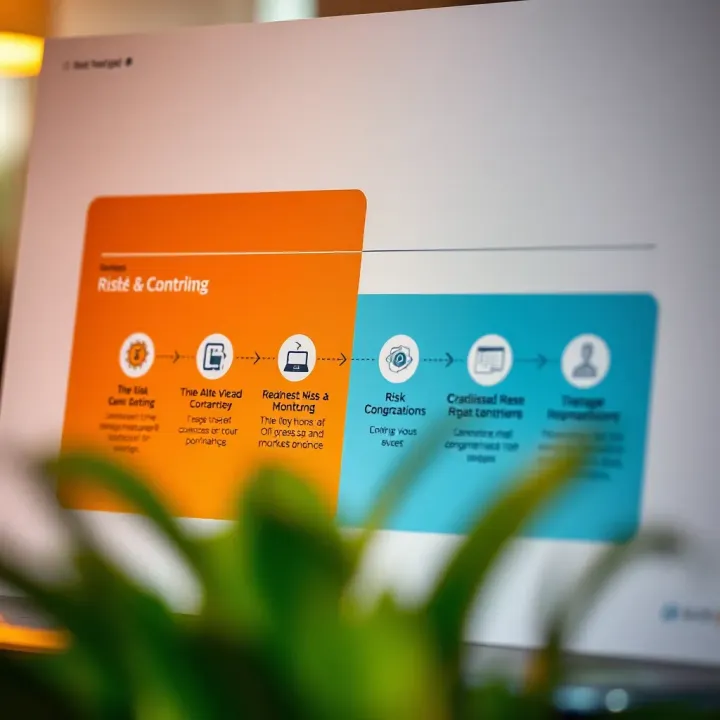
🏢 Understand the key steps in risk management to spot, assess, and control threats impacting your Kenyan business or project. Make safer, smarter decisions today.

📉 Learn how risk management helps businesses and individuals in Kenya safeguard assets, reduce losses, and make smarter decisions for a secure future.
Based on 12 reviews