

Effective Credit Risk Management in Kenyan Banks
Learn practical strategies for credit risk management in Kenyan banks 📊 Identify, assess, and reduce risks while ensuring financial stability and safety.
Edited By
Emily Brooks
Risk management is a vital practice for any business, whether you're running a small jua kali workshop in Nairobi or managing a large firm on the Nairobi Securities Exchange (NSE). It involves spotting potential threats, understanding their impact, and taking steps to reduce harm before it happens. This helps businesses avoid surprise losses that could shake their operations or investments.
In Kenya, where market conditions, political shifts, and environmental factors can change quickly, a strong grasp of risk management steps is key. This guide breaks down each stage clearly, so you can make safer and smarter decisions.

Start by listing all possible risks affecting your business or project. These could be financial, like fluctuating interest rates at the Central Bank of Kenya (CBK), operational risks such as unreliable suppliers, or even legal risks if new regulations pop up county-wise. For example, a trader importing goods may face risks from currency depreciation or delayed customs clearance.
Once risks are identified, assess them by their likelihood and potential damage. Use simple methods like risk matrices or probability-impact charts. This helps prioritise which threats need urgent action. For instance, a boda boda operator might face a high likelihood of road accidents but a lower financial risk from fuel price hikes.
Control involves deciding how to manage each risk—avoid, reduce, transfer, or accept it. For example, buying insurance transfers financial risk, while better training reduces operational risks. Kenyan businesses often mitigate currency risks by hedging or pricing contracts in stable currencies.
Risks evolve, so continuous monitoring is essential. Set up reminders to review risk assessments regularly or when big changes happen, like new government policies or shifts in market demand. Keeping an eye helps you adapt quickly and avoid surprises.
Effective risk management isn't about avoiding every risk but managing them wisely to protect your business and seize opportunities safely.
Use local expertise: Jua kali fundis can help assess practical operational risks.
Leverage technology: M-Pesa makes transaction tracking and payments smoother, reducing fraud risks.
Stay updated: Follow news from KRA, CBK, and county governments to anticipate regulatory risks.
Understanding these steps will put you in control, ready to handle the ups and downs of doing business in Kenya with confidence.
Identifying potential risks is the first crucial step in managing threats that might affect your business or project. It involves recognising any uncertain event or condition that could cause harm or affect your objectives. This early step helps you avoid surprises that might derail your plans. For example, a small trader in Nairobi might identify supply disruptions as a risk, enabling them to plan alternate sources before problems arise.
Internal operational risks come from within your organisation and affect day-to-day activities. These might include equipment failure, staff shortages, or inefficient workflows. For a factory in Kisumu, faulty machines breaking down could halt production, leading to lost income and unhappy customers. Spotting these operational risks early ensures that maintenance schedules or training programmes can reduce downtime.
External environmental factors refer to risks outside your control but can impact your business severely. This may be political instability, changes in regulations, or even weather patterns. During Kenya’s long rains, flooding might threaten a construction project's timeline, forcing managers to plan for delays or invest in protective measures.
Financial and market risks cover fluctuations in currency, interest rates, or customer demand. Retailers relying heavily on imported goods might face increased costs if the shilling weakens against the dollar. Understanding these risks helps businesses adjust pricing or diversify suppliers to remain competitive.
Brainstorming and checklists remain simple yet effective ways to uncover risks. Bringing your team together to list all possible problems encourages creative thinking. Checklists based on previous projects or industry standards help cover common risk areas systematically. For instance, an SME preparing to expand could brainstorm risks related to marketing, logistics, and cash flow using tailored checklists.
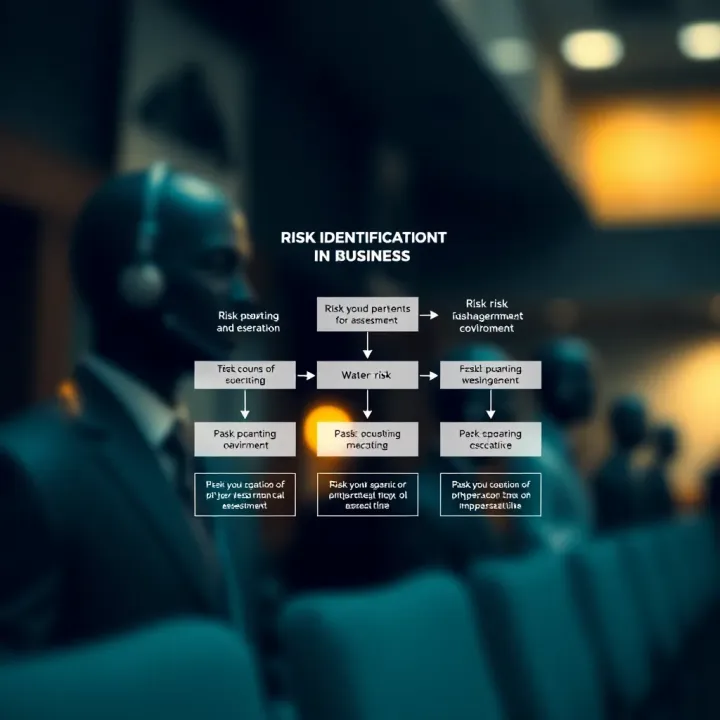
Hazard analysis digs deeper into specific threats by examining the likelihood and consequences of hazards. This approach is vital in sectors like manufacturing or construction, where physical dangers are common. It guides practical safety measures, such as securing scaffolding or enforcing protective gear use.
Stakeholder consultations bring fresh perspectives by engaging those affected or involved in the project. Talking to suppliers, customers, or regulators can reveal risks you might overlook alone. In Kenya, where business networks and relationships matter, building trust with stakeholders can also open early warning channels for emerging risks.
Identifying risks early on builds a solid foundation for your risk management process. It lets you prepare rather than react, saving time, money, and reputations down the line.
This stage sets the tone for effective risk control, making sure no hidden threats catch you off guard.
Analysing and understanding risks is a vital step in managing uncertainties that could affect your business or investment decisions. This stage helps you make sense of the various threats identified earlier by digging deeper into their likelihood and potential impact. In the Kenyan context, for instance, a trader dealing with agricultural products must assess how seasonal rains might disrupt supply chains or affect market prices. Without careful analysis, you might either overprepare for minor risks or underestimate serious ones.
When assessing risk likelihood and impact, two main approaches come into play: qualitative and quantitative methods. Qualitative methods use descriptive categories like "high", "medium", or "low" to determine how probable a risk is and the severity of its consequences. This approach works well when data is scarce or when risks involve complex human factors, such as reputational damage from poor customer service.
Quantitative methods, on the other hand, rely on numerical data and statistical models to estimate risk probabilities and their financial implications. For example, Kenyan investors dealing in forex markets often use quantitative techniques to forecast currency fluctuations based on historical trends. While this method demands more data and expertise, it yields more precise results that guide budgeting and contingency plans.
Risk scoring and ranking help prioritise those risks that deserve immediate attention. By assigning scores based on likelihood and impact, you can rank risks from most to least threatening. This is particularly useful when resources are limited, as in many SMEs across Kenya, allowing managers to focus efforts where they matter most, such as mitigating supply disruptions during festive seasons when demand spikes.
Risk matrices provide a visual grid combining likelihood and impact to classify risks into zones like "acceptable", "monitor", or "urgent action needed". This straightforward tool enables Kenyan businesses to quickly spot high-risk areas without complex calculations. For instance, a manufacturing firm could use a risk matrix to evaluate equipment failure risks and schedule preventive maintenance accordingly.
The SWOT (Strengths, Weaknesses, Opportunities, Threats) analysis broadens the view by linking risks to internal and external factors. It helps firms identify which threats they are vulnerable to and what strengths can be leveraged for defence. A Nairobi-based tech start-up might discover through SWOT that its strong software expertise is an advantage against threats from international competitors but recognise weaknesses in customer support that expose it to reputation risks.
Scenario and sensitivity analysis explore how different future events or changes in assumptions affect risk outcomes. By modelling scenarios like delayed deliveries or price shocks, Kenyan traders can estimate best- and worst-case effects on profits. Sensitivity analysis pinpoints which variables, such as exchange rates or raw material costs, have the biggest influence, helping decision-makers focus on the most impactful uncertainties.
Analysing risks is not about eliminating uncertainty but preparing better for the outcomes it might bring. Using these methods and tools improves decision-making, especially where stakes involve significant finances and livelihoods.
Planning risk responses is a key step that shapes how organisations handle the threats identified and analysed earlier. Without a clear plan, efforts to manage risks can be scattered, resulting in wasted resources or missed opportunities to reduce harm. Kenyan businesses, for example, often face fluctuating market conditions and regulatory changes, so having a practical approach to planning responses can make all the difference.
Avoiding risks involves changing plans or processes to entirely steer clear of potential problems. This strategy is useful when the risk poses too high a threat, such as a business avoiding investment in unstable sectors. For instance, a trader in Nairobi might avoid importing goods subject to frequent customs delays, opting instead for local suppliers to prevent costly disruptions.
Reducing risks means taking steps to lessen either the likelihood or the impact of a risk. This approach is common in agriculture, where farmers adopt drought-resistant crops to reduce vulnerability during Kenya’s dry spells. By implementing improved controls or procedures, businesses can minimise chances of failure or limit losses without giving up on the opportunity itself.
Transferring risks through insurance shifts the financial burden of certain risks to another party. Many Kenyan companies buy insurance policies for their property, vehicles, and employee health as a safety net against losses. For example, a jua kali artisan might insure expensive equipment so that repairs or replacements come from the insurer rather than out-of-pocket expenses.
Accepting risks means recognising some risks are inevitable and deciding to bear the consequences if they occur. Small-scale traders in informal markets may accept risks like occasional theft or demand drops because the cost of avoidance or transfer is too high. This strategy is practical when risks have low impact or probability.
Assigning responsibilities ensures that specific people or teams handle each risk response activity. Clear ownership prevents confusion, so accountability is maintained. For instance, a retail chain may assign its procurement manager to manage supplier-related risks, while the finance team handles currency fluctuations.
Setting timelines and budgets establishes when and how much resources will be committed to risk mitigation. Without deadlines and cost limits, activities can drag on or spiral over budget. A Kenyan SME investing in cybersecurity might schedule quarterly updates and set aside KSh 500,000 annually to fortify systems, ensuring efficient use of funds and timely completion.
Defining success measures allows organisations to evaluate if their risk responses are effective. Clear indicators, such as a decrease in product defects or fewer project delays, help decide whether to continue, adjust, or stop certain strategies. For example, an agricultural cooperative may track crop loss rates post-implementation of pest control measures to gauge success.
Planning risk responses is not just about ticking boxes but creating actionable steps tailored to the organisation’s reality, resources, and goals. This approach helps businesses manage uncertainties confidently rather than reactively.
Implementing risk control measures is where your plans meet action. After identifying and planning your responses, this stage ensures your business or project actually handles the risks before they cause serious trouble. Without proper implementation, even the best-laid strategies remain just paper exercises. For Kenyan businesses, especially SMEs, timely and coordinated action can be the difference between riding out a storm or facing heavy losses.
Coordinating teams and resources is vital for smooth risk control. It means clearly assigning roles and pooling the right skills and tools. For example, if a Nairobi-based exporter faces currency fluctuations, the finance, sales, and logistics teams must work closely to adjust pricing, procurement schedules, and contracts accordingly. Coordination prevents duplicated efforts and miscommunications that often waste time and money.
Equally important are communication channels for risk management. Open, reliable lines of communication help share updates and alert the right people quickly. This could be regular risk update meetings, WhatsApp groups among managers, or digital project management tools where progress and issues are logged real-time. Clear communication helps everyone stay aligned and act decisively.
No matter how thorough your plans are, adapting plans quickly is non-negotiable. Risks don’t always follow the script. When an unexpected event—say, a sudden change in government regulation affecting imports—occurs, rigid plans can slow your response. Teams need the flexibility and authority to tweak actions fast. This agility allows businesses in dynamic markets like Kenya’s to avoid being caught flat-footed.
When challenges escalate beyond routine fixes, escalation procedures come into play. These are pre-agreed steps to bring decision-making to higher management or external experts quickly. For instance, if a fraud risk surfaces in a company’s payment portal, frontline staff should know exactly who to alert and what channels to use. Proper escalation prevents delays, enabling fast containment and resolution.
Implementing risk control measures demands active effort and clear roles. Without it, even the most thorough risk assessments aren’t enough to shield your business from harm.
By focusing on coordination, communication, adaptability, and clear escalation paths, Kenyan businesses can manage risks proactively and stay ahead in an often unpredictable environment.
Monitoring and reviewing risks is essential to ensure that risk management efforts remain effective over time. It helps catch any changes in the business environment or project scope that could alter the risk profile. For traders, investors, analysts, and brokers, staying alert to emerging threats and opportunities means they can adjust strategies and prevent losses before they escalate.
Key performance indicators (KPIs) for risk provide measurable signals to determine how well risk is being managed. These indicators might include metrics such as loss frequency, downtime hours, or volatility levels in the market. For instance, a stockbroker might monitor price fluctuation percentages as a risk KPI to decide whether to adjust client portfolios. Using KPIs regularly keeps risk management proactive rather than reactive.
Regular risk audits and reports involve systematically reviewing and documenting risk controls and incidents. Such audits might be scheduled quarterly or semi-annually and assess whether risk responses remain appropriate. In the Kenyan financial sector, for example, banks conduct risk audits to comply with the Central Bank of Kenya’s guidelines. These reports offer clarity on risk trends and help identify gaps that require attention.
Updating risk registers is an ongoing task that reflects newly identified risks or changes in existing ones. A risk register is the core document listing all recognised risks with their status and mitigation plans. Consider a Nairobi-based investment firm that updates its register after shifts in market regulation or currency exchange rates. Keeping this register current avoids surprises and supports sound decision-making.
Learning from incidents means analysing risk events or near misses to improve future responses. When an incident occurs—such as a failed trade or a service outage in an online trading platform—reviewing what went wrong and how it was handled is vital. This learning culture promotes resilience, as teams gain experience and tighten controls. For example, after an unexpected market crash, analysts might evaluate their risk models to better predict such volatility next time.
Effective risk monitoring and review ensure that your strategies evolve with the situation. This way, you minimise shocks and seize chances to strengthen your position in a dynamic environment.
Keeping risk management active rather than static helps businesses and investors in Kenya stay agile, especially as market and regulatory conditions shift. Regular reviews combined with practical indicators and lessons from experience make it easier to protect assets and grow sustainably.
Learn practical strategies for credit risk management in Kenyan banks 📊 Identify, assess, and reduce risks while ensuring financial stability and safety.

📉 Master practical forex risk management strategies to safeguard your investments, navigate market swings, and make smarter trading decisions in Kenya.

🔍 Explore how Enterprise Risk Management (ERM) helps Kenyan businesses identify, assess, and manage risks effectively for stronger growth and stability.

Explore practical risk management strategies and assessment insights to navigate challenges and boost safety across sectors. 📊🛡️
Based on 8 reviews