
Free Forex Trading Courses for Kenyan Traders
Learn how Kenyan traders can access free forex trading courses 📚. Discover reliable sources, key topics, practical tips & risk warnings to start confidently.
Edited By
Sophia Bennett
Forex trading can seem like a maze for newcomers, but breaking it down into practical steps helps you get on the right track fast. This guide covers the essentials you need before diving in, including how to find a free forex trading course that fits your style and goals.
First off, understand what forex trading really is: it's the exchange of currencies on a global market, driven 24/5 by economic news, interest rates, political events, and market sentiment. Unlike stocks, forex trades happen in pairs, like EUR/USD or USD/JPY, meaning you're buying one currency while selling another simultaneously.
When picking a free course, look beyond flashy promises. Focus on courses that:
Explain foundational concepts clearly, such as pips, leverage, spread, and margin
Include practical examples using real market scenarios
Teach risk management strategies to protect your capital
Offer guidance on developing a trading plan
Courses from reputable educational sites or established brokers like IG, OANDA, or DailyFX tend to deliver factual content without sales pressure.
Here's the thing: no course will make you a pro overnight. But with consistent study and practice, free courses can help you avoid rookie mistakes like risking too much on one trade or chasing losses. For instance, understanding how to set a stop-loss order can literally save you thousands.
Taking the time to learn forex trading basics before putting money on the line is the smartest move you can make.
Expect to get introduced to different trading strategies like scalping, day trading, and swing trading — each with its own pace and risk level. Courses will often cover technical analysis tools, such as moving averages and RSI, along with fundamental analysis to interpret news events.
In summary, a free forex trading course is your first step to build a solid foundation. Focus on courses that provide clear, actionable information and practical exercises. That way, you start your forex journey confidently, equipped to make informed decisions rather than gambling in the dark.
Understanding the basics of forex trading is the first step for anyone looking to step into this fast-paced market. Without a clear grasp of its fundamental concepts, even the best strategies or tools won't make much difference. This section lays out what forex trading involves, the major currencies and pairs you'll encounter, how the market operates, and the roles brokers play. Grasping these principles helps you make smarter decisions and navigate the market more confidently.
Definition and overview: Forex trading involves buying one currency while simultaneously selling another, creating what's known as a currency pair. Traders aim to profit from fluctuations in exchange rates—the value of one currency relative to another. For example, if you believe the euro will strengthen against the US dollar, you might buy the EUR/USD pair. Forex is the largest financial market worldwide, handling over $6 trillion daily, making it highly liquid and accessible.
Major currencies and currency pairs: Some currency pairs dominate forex trading due to their volume and stability. The "majors" include EUR/USD (euro and US dollar), USD/JPY (US dollar and Japanese yen), GBP/USD (British pound and US dollar), and USD/CHF (US dollar and Swiss franc). These pairs often have tight spreads and high liquidity, making them appealing to new and experienced traders alike. Understanding which pairs suit your strategy is essential; for instance, EUR/USD tends to be less volatile than exotic pairs but offers steady opportunities.
Market hours and liquidity: The forex market operates 24 hours a day during weekdays, cycling through global financial centers—starting in Sydney, moving to Tokyo, London, and then New York. This nonstop activity ensures there’s almost always a buyer or seller, boosting liquidity. High liquidity usually means better pricing and faster trade executions. For example, London and New York overlaps generally provide the most trading volume and tightest spreads.
Role of brokers and platforms: Brokers act as intermediaries between traders and the larger forex market, offering platforms where you can place trades. Platforms like MetaTrader 4 or 5, cTrader, or brokers’ proprietary systems provide tools to analyze charts, set orders, and manage risk. Choosing a reputable broker is critical since they affect trade execution speed, fees, and security of your funds. For instance, brokers regulated by authorities such as the National Futures Association (NFA) in the US or the Financial Conduct Authority (FCA) in the UK usually follow strict standards, increasing trader protection.
The bottom line is, mastering these basics creates a solid foundation to build on. It’s not just about knowing terms but understanding how currency pairs move, when the market is most active, and picking the right broker and platform to support your trading goals.
Free forex trading courses serve as a practical entry point for traders looking to understand the market without upfront costs. These courses break down complex concepts into manageable lessons, offering a solid foundation before diving into real trading. By exploring different learning formats and what you can realistically gain, you’ll set yourself up for smarter decisions.
Video tutorials and webinars often offer an interactive and dynamic way to learn forex trading basics. These formats allow instructors to demonstrate live trading scenarios, chart analysis, and strategy walkthroughs. For instance, a broker like IG or OANDA might host weekly webinars where traders can ask questions in real time, which helps clarify difficult topics quickly.
Written guides and eBooks provide a more flexible way to study forex at your own pace. They often cover fundamental concepts, trading terminology, and risk management techniques in detail. For example, BabyPips offers an extensive forex eBook that beginners can download and read offline, making it a useful resource for those who prefer reading over watching videos.
Interactive platforms and simulators put theory into practice by letting you trade virtual money in a simulated environment. This hands-on experience is critical for grasping order execution and market mechanics without risking real capital. Many trading platforms like MetaTrader and Thinkorswim offer built-in demo accounts where you can practice and test strategies before committing your own funds.
Scope and limitations of free forex courses mean they usually cover the basics and some intermediate topics, but might not include advanced strategies or personalized coaching. While they provide valuable knowledge, you won’t get direct mentorship or tailored feedback. Also, some free courses might push you toward paid services or broker offerings, so it's wise to balance free learning with practical trading experience.
Typical course structure for free forex education often starts with introductory lessons explaining currency pairs, market hours, and how trades work. It moves into fundamental and technical analysis basics, then explores risk management and trading psychology. The progression is designed to build your confidence gradually. For example, a course might begin with explaining the importance of the USD/EUR pair and proceed to chart reading over several lessons.
Remember, free forex courses are stepping stones. They give you runways—not direct flights—for your trading career. Use them wisely alongside practice to boost your skills effectively.
Selecting a free forex trading course is more than just picking the first hit on a search engine. The right course can make a huge difference in how quickly and effectively you grasp crucial concepts and build your trading skills. It pays to look at specific factors like the course quality, instructor credibility, and how well the content matches your skill level and goals.
Instructor Expertise and Background
A solid course depends heavily on who’s teaching it. Look for instructors with proven experience in forex trading, not just academic knowledge. For instance, an instructor with a track record of years trading major currency pairs like EUR/USD or USD/JPY can offer real, hard-won insights that beginner traders miss. Equally important is transparency—credible instructors usually share some details about their trading achievements or public credentials.
Reviews and User Feedback
User reviews often reveal what’s not obvious in course descriptions. Check multiple feedback sources to see if learners found the material clear, effective, and practical. If several users mention poor explanations, outdated info, or technical problems on the platform, it’s a red flag. On the flip side, courses highly rated for structured lessons and real-world applications tend to offer more value, helping you avoid confusion and wasted time.
Beginner vs. More Advanced Content
Picking content tailored to your experience level speeds up learning. Beginners should seek courses that start with forex basics — like understanding how currency pairs work or how spreads affect cost — before diving into complex charting techniques. On the other hand, if you already understand the basics, a course that tackles advanced strategies, such as Elliott Wave analysis or algorithmic trading basics, makes better use of your time.
Specialized Topics Like Technical Analysis or Risk Management
Your trading goals heavily influence which course suits you best. Want to refine your chart-reading skills? Look for courses focusing on technical analysis, covering indicators like moving averages or MACD in detail. If preserving capital and managing losses are your priorities, find courses that emphasize risk management: setting stop losses, position sizing, or adjusting leverage responsibly. Focusing on these specifics helps turn knowledge into practical tools you can apply immediately.
Choosing your free forex course wisely means avoiding common traps like generic content and outdated advice. With the right course, you can build confidence step-by-step and trade smarter from the start.
One of the most valuable aspects of free forex trading courses is how they cover essential concepts that form the backbone of successful trading. Grasping these ideas early helps you make informed decisions and navigate the market with more confidence. Let’s explore some key elements typically included, focusing on practical takeaways.
Economic indicators are like the pulse of a country’s economy, giving clues about future currency movements. Free courses often explain major reports like the U.S. Nonfarm Payrolls, Consumer Price Index (CPI), and Gross Domestic Product (GDP) numbers. For instance, if inflation rises faster than expected, it might push the central bank to raise interest rates, strengthening that country’s currency. Traders who understand these signals can anticipate market shifts better rather than just reacting to price changes.
For example, during a monthly jobs report release, markets might swing wildly based on whether the numbers beat or miss expectations. Knowing what to watch for here can prevent costly surprises or missing good entry points.
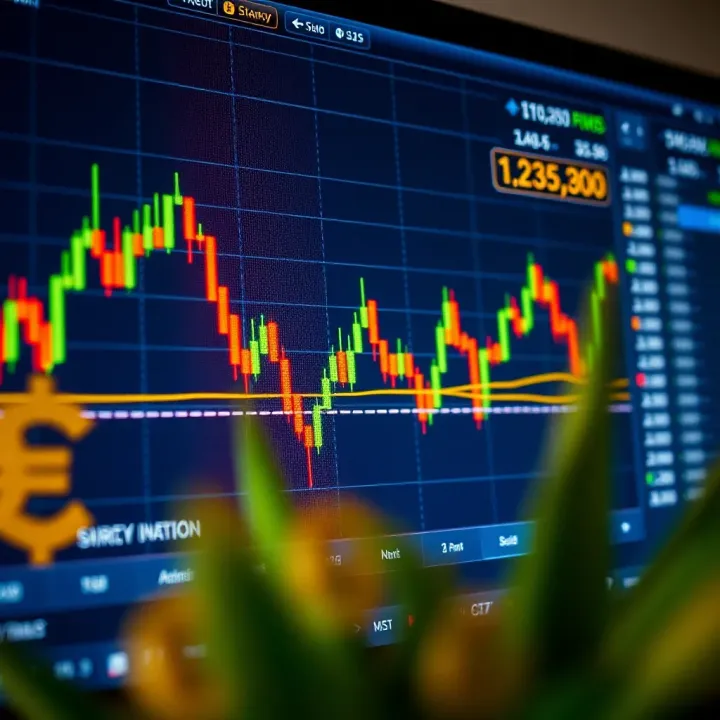
Charts are the trader’s roadmap, showing how prices move over time. Free courses break down basics like candlestick charts, support and resistance levels, and popular patterns such as head and shoulders or double tops. Recognizing these setups can guide you on when to enter or exit trades.
Imagine seeing a currency pair consistently bounce off a certain price level – that’s support holding strong. A breakout below that could signal a drop ahead. Understanding trendlines and price patterns helps you spot these moments sooner instead of relying on guesswork.
Managing losses is just as important as catching gains. Stop losses are orders to automatically close a trade if it moves against you by a set amount, protecting your account from big hits. Take profits lock in gains by closing trades once a target price is reached.
Free courses stress how setting stops based on technical analysis rather than random numbers prevents emotional decisions. For instance, placing a stop just beyond a recent swing low respects the market’s noise but guards your capital. Similarly, predefining take profit levels helps avoid the temptation to hold onto winning trades too long, which can backfire.
One overlooked factor is how much of your account to risk on each trade, which ties closely to position sizing. Effective courses teach you to calculate position size based on your stop loss distance and risk tolerance. For example, risking 1-2% of your capital on any trade keeps losses manageable over time.
Leverage amplifies both gains and losses. While it can boost returns, using high leverage without proper sizing can wipe out your account fast. Courses usually highlight understanding your broker’s leverage options and using them conservatively to avoid scary margin calls.
Mastering these concepts forms the foundation for consistent trading. Free forex courses give you the tools to apply them practically, building skills that go beyond theory.
Overall, covering fundamental analysis, technical analysis, and risk management in free courses ensures you learn the core skills that all smart traders rely on. Applying these basics sets you up for better choices and more reliable results as you dive into live forex markets.
Free forex trading courses are a great way to get your feet wet, but relying on them without caution can do more harm than good. Understanding common pitfalls helps you make the most of free resources and avoid costly errors early on. This section highlights two major mistakes that traders often make when starting out.
Learning forex trading theory from free courses is helpful, but it's not a complete education until you put it into practice. Many beginners skip demo trading or paper trading and jump straight into live markets, which can be a costly mistake. A demo account lets you practice trading with virtual money in real market conditions. This hands-on experience builds confidence while allowing you to test out strategies without risking your capital.
For example, understanding how to set stop losses or manage leverage is one thing, but executing those tactics live requires timing and discipline. Without practicing in a risk-free environment, you might misjudge a move or panic during volatility. Free courses often stress demo trading because it reveals the emotional and technical challenges of actual trading, which you won’t pick up by just reading or watching videos.
Forex trading isn’t just about numbers—it’s a mental game, too. Many learners overlook the emotional side, leading to problems like overtrading or impulsive decisions. Overtrading happens when traders place too many trades trying to recover losses or chasing profits, which generally leads to bigger setbacks.
Impulsive decisions often flare up during market swings when fear or greed sets in. Recognizing these psychological traps is a skill many free courses touch on but can be underestimated by beginners. For instance, a beginner might double down on a losing position out of hope rather than analysis, blowing up the account quickly.
Emotional discipline is as important as technical know-how; balancing both sides makes the difference between consistent trading and erratic losses.
To manage these emotions, traders can use simple rules like setting daily loss limits or forcing a pause after a losing trade. Combining educational content with awareness of your emotional tendencies helps avoid common pitfalls and supports steady growth as a trader.
Bottom line: soaking up free course material is just the start. Practicing in demo accounts and learning to control your trading mindset can save you a lot of headaches and money in the long run.
Learn how Kenyan traders can access free forex trading courses 📚. Discover reliable sources, key topics, practical tips & risk warnings to start confidently.
📈 Explore forex trading basics, strategies, and risk management tailored for Kenyans. Get free PDF guides to start trading confidently and safely today.
📈 Ready to start forex trading in Kenya? Learn how to pick regulated brokers, set up local accounts, manage risks, and use M-Pesa safely for smooth trading.

Explore the roots and key moments that shaped forex trading into a vibrant, global currency market 🌍. Learn how it evolved and why it matters today 💹.
Based on 15 reviews