
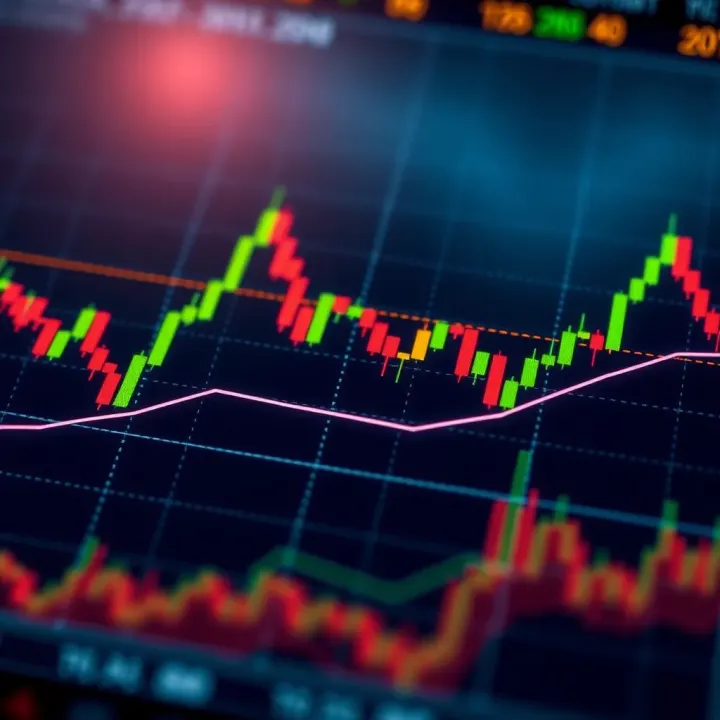
Forex Trading Charts Explained for Kenyan Traders
📊 Discover how to read forex trading charts, identify patterns, and use technical indicators effectively to make smarter currency trades in Kenya’s market.
Edited By
Ethan Walker
Forex trading has gradually gained popularity among Kenyan traders seeking to diversify income sources and engage with global markets. Unlike trading on Nairobi Securities Exchange (NSE) or investing in local real estate, forex trading operates round-the-clock, reflecting the dynamic currencies market worldwide. This continuous market offers both opportunities and risks, making it essential to approach learning with clear guidance.
In Kenya, increasing smartphone penetration and reliable internet have made access to forex platforms much easier. You can start trading with as low as KSh 1,000 on platforms like MetaTrader 4 or local brokers regulated by CMA (Capital Markets Authority Kenya). However, successful trading demands understanding key concepts such as currency pairs, leverage, spreads, and risk management, rather than relying on guesswork or tips from social media.
Starting forex without adequate knowledge is like driving matatu in rush hour without knowing the routes—you might reach the destination eventually, but the journey will be rough and costly.
This guide is designed to equip you with practical knowledge fit for the Kenyan context. It highlights tools you need, explains how to analyse forex charts, and outlines risk controls to protect your capital. Whether you are a graduate with some finance background or a hustler in the jua kali sector looking to grow your savings, the approach here balances fundamentals with actionable steps.
Understanding what moves currency prices, including economic indicators like US Nonfarm Payrolls (NFP) or Kenya’s inflation rate
Using demo accounts to practise without risking your real money
Managing leverage cautiously — for instance, a leverage of 1:50 means even small price swings can wipe out your deposit if uncontrolled
Choosing brokers licensed by CMA to avoid scams common in unregulated spaces
Learning forex trading is not a sprint but a steady climb. With patience, discipline, and the right knowledge grounded in Kenya's financial landscape, you can trade confidently and gradually improve your skills.
This article builds a foundation for that journey—starting simple and building towards practical strategies that work for you locally.
Grasping the basics of forex trading sets the foundation for success, especially in Kenya's growing market. It helps you avoid costly mistakes and make informed decisions when trading currencies. Understanding key concepts like what forex is, how trading works, and essential terms will save you from confusion as you progress.
The foreign exchange market, or forex, is where currencies from different countries are bought and sold. It’s a global marketplace running 24 hours a day, five days a week. This market allows businesses, banks, investors, and even individuals to swap one currency for another. For example, if a Kenyan importer needs US dollars to pay a supplier, they’ll buy USD using Kenyan shillings.
Currencies are always traded in pairs, meaning you buy one currency while selling another. Take the USD/KES pair: if you expect the dollar to strengthen against the Kenyan shilling, you might buy USD/KES. When the dollar does rise, you sell to make a profit. This pairing setup makes forex different from trading stocks or commodities.
Different participants play various roles in this market. Central banks like the Central Bank of Kenya manage currency stability. Commercial banks facilitate trades daily, while individual traders and investors speculate to profit from price changes. Understanding who does what helps you see how prices move and what influences them.
Pips, lots, and leverage are terms every trader should master. A pip is the smallest price movement in a currency pair, usually 0.0001 for most pairs. For example, if USD/KES moves from 108.3500 to 108.3600, that’s a move of one pip. Lots refer to trade size; one standard lot is typically 100,000 units of the base currency. Leverage lets you control a larger position with a smaller capital deposit but increases both risk and rewards.
Next, spreads and quotes affect your trading costs. The spread is the difference between the buy (ask) price and the sell (bid) price. For instance, if USD/KES is quoted at 108.350 (bid) and 108.360 (ask), your spread is 0.010. Lower spreads mean cheaper trades, which matters a lot for active Kenyan traders.
In the Kenyan context, some common terms get special attention. For example, "M-Pesa funding" is often mentioned when talking about depositing funds into your trading account. Also, "Paybill" and "Till Number" are increasingly used to make local deposits easier. Knowing these helps you navigate practical issues when you start trading.
Knowing these basic concepts gives you the confidence to start trading forex wisely. You avoid surprises and make smarter trades in Kenya’s dynamic forex environment.
Before you start trading forex, setting up properly is key. This means choosing the right broker, understanding the platforms and tools available, and knowing how to fund your account efficiently. Getting these basics right saves you headaches later and puts you on a better footing to make informed trades.
When picking a forex broker, you’ll find both local and international options. Local brokers usually have offices in Kenya and are more familiar with local regulations and payment methods. This can make deposits and withdrawals easier and quicker, especially if they support M-Pesa or bank transfers. On the other hand, international brokers often offer a wider range of currency pairs, better spreads, and more advanced trading tools. However, they might have limited deposit options and longer processing times.
Understanding broker regulations is essential. Check if your broker is licensed by the Capital Markets Authority (CMA) in Kenya or regulated by respected bodies like the Financial Conduct Authority (FCA) in the UK or Cyprus Securities and Exchange Commission (CySEC). Licensed brokers follow strict rules that protect your funds and ensure fair trading practices. Avoid unregulated brokers, as they may put your investment at risk.
Some brokers are favourites among Kenyan traders because they meet these criteria and offer good service locally. Examples include FXPesa and Exness, both accessible to Kenyan traders with smooth deposit options and regulated frameworks. These brokers also often provide Swahili support and local customer service, which can be quite handy.
MetaTrader 4 and MetaTrader 5 are the most popular trading platforms globally and have a strong presence in Kenya. They offer user-friendly interfaces, live charts, and automated trading options with Expert Advisors. Some brokers also provide their own platforms, but MetaTrader’s versatility and reliability make it a go-to choice.
Funding your trading account is simplified by mobile money services, especially Safaricom’s M-Pesa. Many brokers now allow direct deposits and withdrawals via M-Pesa, avoiding the delays and fees often associated with bank transfers. For example, a trader in Nairobi can quickly fund their account from their phone during a tea break, making trading more accessible.
You’ll also need good charting software. While MetaTrader has built-in tools, dedicated charting platforms like TradingView offer more in-depth analysis and a wider variety of indicators. These tools let you spot trends, draw support and resistance levels, and backtest strategies. Combining several tools can improve your decision-making speed and accuracy.
Setting up well, from choosing a licensed broker to mastering your trading platforms, helps you trade forex with confidence and lowers the chance of nasty surprises.
By getting your setup right, you’re not just ticking boxes—you’re building a foundation for steady, successful forex trading in Kenya.

A solid forex trading strategy serves as your roadmap in the fast-moving forex market. Without a clear plan, trading can feel like guesswork, which often leads to unnecessary losses. A good strategy helps you identify when to enter or exit trades, manage risks well, and adapt to changing market conditions. This improves not only your chances of making a profit but also your confidence and discipline as a trader.
Economic indicators such as inflation rates, interest rates, and employment figures play a major role in currency value. In Kenya, for example, if the Central Bank raises interest rates, the Kenyan shilling may strengthen as investors seek higher returns. Tracking these indicators helps you anticipate currency movements rather than react blindly.
Political events and global tensions can move forex markets sharply. Elections, trade disputes, or conflicts can cause volatility. For instance, heightened tensions between major trading partners like the US and China often affect forex pairs involving their currencies. Staying alert to such news allows Kenyan traders to avoid surprises or capitalise on price swings.
Kenyan-specific news such as inflation reports, budget statements, or major infrastructure projects can influence the shilling’s strength. For example, when Kenya's government announces a large infrastructure deal, related currencies might react positively. Currency traders in Kenya should follow local economic news closely to understand how these events impact forex pairs involving the shilling.
Indicators like the Relative Strength Index (RSI), Moving Averages, and MACD help traders read market momentum and potential reversal points. For instance, if the RSI shows overbought conditions, it may hint that a currency is set to fall soon. Applying these indicators consistently sharpens your timing in making trades.
Recognising whether a currency is in an uptrend, downtrend, or sideways moves can guide your trading decisions. If you spot a series of higher highs and higher lows, it's an uptrend where you might consider buying. Reversals show when the trend might change, helping you lock profits or cut losses early.
Using chart patterns and indicators together with price action helps reinforce your decisions. For example, combining a resistance level with bearish candlestick patterns gives a stronger signal to exit a trade. This blend of tools reduces guesswork and improves trade accuracy.
Clear rules on when to open or close a trade are essential. For example, setting an entry point just above a breakout level prevents premature buying. Defining exit points based on target profits or imminent reversals keeps losses in check and secures gains.
Stop-loss orders automatically close a trade at a set loss limit, protecting your hard-earned capital. Take-profit orders lock in profits when your target price is reached. For example, if you buy USD/KES at 110 and expect it to rise to 113, you can set take-profit at 113 and stop-loss just below 109.5.
Forex markets change constantly. Your strategy should adapt when volatility spikes or when news events hit. For instance, during Kenya’s election period, market swings can be more erratic, so you might reduce trade sizes or avoid trading altogether. Flexibility ensures you stay afloat even when conditions are tough.
Building and sticking to a solid forex trading strategy blends knowledge of economic basics, technical signals, and disciplined trade management. This approach helps you trade smarter, not harder, especially in Kenya’s dynamic forex environment.
Effective risk and capital management is the backbone of sustained success in forex trading. Without it, even the most promising strategies can crumble under market pressure. For Kenyan traders, understanding how to protect your investment and manage your exposure is essential, especially since forex markets can swing quickly due to global and local economic shifts.
Forex markets are known for their volatility, meaning exchange rates move up and down rapidly. This happens because forex responds to a mix of factors such as economic reports, political events, and unexpected global news. For example, when Kenya's inflation report surprises the market, the Kenyan shilling might weaken suddenly. Volatility creates profit opportunities but also sharp losses if you’re unprepared.
Leverage allows you to control a larger position with a smaller capital amount. Kenyan brokers often offer leverage up to 1:100 or even 1:500. While it can amplify profits, it equally magnifies losses. If the market moves against your position, you risk a margin call—when the broker asks for more money to keep your trades open or closes your position to protect their funds. Many new Kenyan traders fall into the trap of overusing leverage, ending up wiped out quickly.
A common error is chasing losses by increasing trade sizes or opening multiple positions without a clear plan. Also, some ignore stop-loss orders, hoping the market will reverse, which often worsens losses. Another issue is poor capital allocation, like risking too much of their savings on forex without a backup plan. These mistakes often lead to losing all invested capital.
Instead of focusing only on one pair like USD/KES, spreading trades across multiple pairs reduces the impact of adverse moves in one currency. Kenyan traders can mix majors like EUR/USD, GBP/USD, and regional pairs to balance risks. Diversification helps cushion against local shocks affecting a single currency.
Successful traders often risk less than they aim to gain—commonly a 1:2 ratio or better. For example, if you set a stop-loss of 50 pips, target a gain of at least 100 pips. This approach means you only need to win half your trades to be profitable over time. Unrealistic expectations lead to reckless trades risking too much for little gain.
Recording every trade's details, emotions, and outcomes helps traders identify what works and what doesn’t. Over time, a journal reveals patterns like frequent mistakes or effective strategies. For Kenyan traders, this practice can prevent repeating costly errors, especially in volatile markets.
Before risking real money, practice on demo accounts that mimic live markets. This hands-on experience is crucial for learning platform use, testing strategies, and understanding market behaviour without financial risk. Many brokers in Kenya offer free demo accounts.
Only use risk capital—money you can afford to lose without affecting daily life. For instance, if you have KS00,000 savings, consider allocating a small fraction, say KS0,000, for forex trading initially. Gradually increase your capital as you gain confidence and experience.
Always use stop-loss orders to cap potential losses. Avoid emotional trading by sticking to your plan and never increasing trade size to recover losses quickly. Regularly review your performance and adjust your capital and risk levels accordingly to ensure long-term sustainability.
Managing your risk and capital is not just about avoiding losses but about creating a foundation to trade consistently and grow your wealth steadily over time. Kenyan traders who prioritise this stand a better chance in the fast-moving forex markets.
Access to the right learning materials and support systems is vital for any trader aiming to succeed in forex trading in Kenya. The forex market can be complex, blending technical and fundamental knowledge, so having reliable resources helps you build strong skills while avoiding costly mistakes. Since forex trading involves real money, especially in the Kenyan context where economic conditions and regulations matter, tapping into localised content and communities gives you an edge.
Many traders in Kenya begin their learning journey through online courses and tutorials, which offer convenience and a wide variety of material. Websites like BabyPips and Investopedia provide structured forex courses that cover basics up to advanced trading strategies. In Kenya, you can find local platforms that tailor content around the forex environment specific to the region, providing context on how global currency movements relate to domestic economic factors.
When considering free versus paid courses, it's important to balance quality with cost. Free content typically covers foundational topics but may lack depth or personalised support. Paid courses often offer more comprehensive packages, including mentorship, detailed case studies, and access to trading communities. For example, paid courses on platforms like Udemy or local training centres in Nairobi sometimes include live sessions, which can significantly aid practical understanding.
Video tutorials are especially useful for practical learning, as they demonstrate the real-time use of trading platforms like MetaTrader and how to apply chart analysis techniques. Many Kenyan forex educators and experienced traders share their knowledge through YouTube channels, making it easy to learn complex concepts visually. Watching videos also allows you to pause and practise alongside, which is more effective than just reading text.
Social media platforms play a big role in supporting forex traders in Kenya. Facebook groups focused on forex trading create spaces to share tips, market updates, and experiences. WhatsApp forums offer more instant interactions and can include daily trade signals and advice from seasoned traders. Participating in these groups helps you stay connected, especially when Kenyan market factors like Central Bank of Kenya announcements affect trading.
Attending forex seminars or workshops, which happen fairly regularly in cities like Nairobi and Mombasa, is another way to deepen your knowledge. These meet-ups often feature local experts discussing strategies that work best given Kenya’s economic landscape. Besides technical knowledge, they provide networking opportunities that might be impossible to find through online learning alone.
Peer learning and mentorship bring real value by giving you personalised feedback and motivation. Mentors who have faced the same challenges can guide you around pitfalls specific to Kenyan forex traders, such as regulatory compliance or navigating forex taxes under KRA laws. Learning alongside peers also helps maintain discipline and exposes you to different trading styles.
Reliable economic news is key to understanding forex movements. Sources such as the Daily Nation, Business Daily, and the Central Bank of Kenya publications provide timely updates on inflation rates, interest rate changes, and currency policies. Keeping informed of such news helps Kenyan traders anticipate market moves influenced by local economic conditions.
Using mobile apps and notification alerts streamlines how you receive market information. Apps like Bloomberg, Reuters, and KCB Mobile Bank, combined with SMS alerts from brokers, help you act fast when significant news drops. For busy traders, this means not missing out on opportunities or being caught off-guard by unexpected announcements.
Market news directly shapes your trading decisions. For instance, if Kenya’s inflation rate rises unexpectedly, shilling pairs like USD/KES may react sharply. Understanding these triggers helps you set entry or exit points with greater precision, ultimately protecting your capital and maximising profits.
Staying plugged into both education and reliable local support networks makes your forex trading journey in Kenya more informed, confident, and practical.
📊 Discover how to read forex trading charts, identify patterns, and use technical indicators effectively to make smarter currency trades in Kenya’s market.
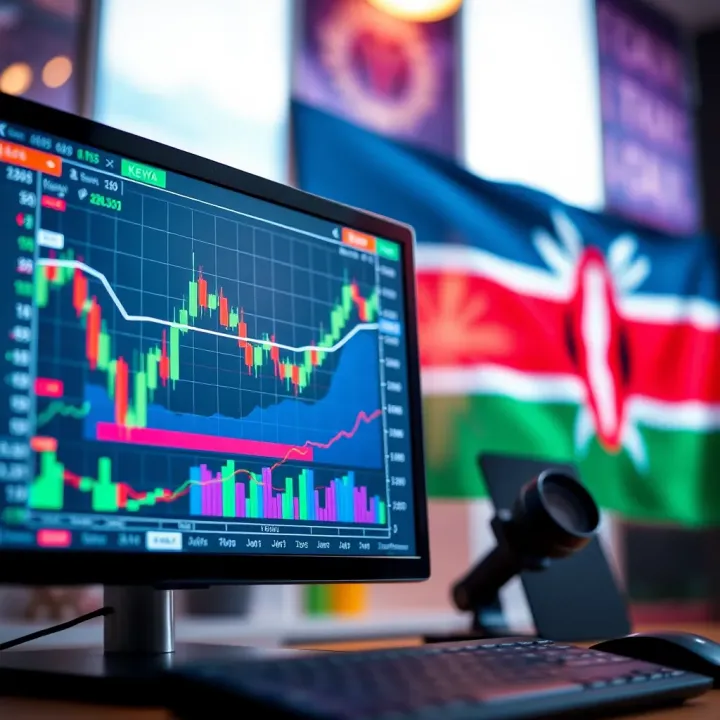
Explore top forex trading companies in Kenya 🇰🇪, learn about regulation, broker reliability, services, and key tips to pick the right one for you 📈💼.
Learn forex trading basics in Kenya 🇰🇪: market operation, key terms, trading strategies, risk management, and tools to start with confidence 💹💡.

📈 Discover the best hours for forex trading in Kenya! Learn how global sessions and local factors impact volatility and liquidity for smarter trades.
Based on 14 reviews