

Best Books to Learn Forex Trading in Kenya
📚 Explore top forex trading books tailored for Kenyan traders! From basics to advanced strategies, boost your skills and trade smarter today.
Edited By
Emily Cartwright
Navigating the forex market can be a bit like catching the perfect wave — timing really matters. For traders in Kenya, understanding when the markets are buzzing and when they're dragging their feet can make all the difference between a winning trade and a missed opportunity.
This article zeroes in on the best times for forex trading specifically for Kenyan traders. We’ll look at how the big global market sessions — like London, New York, and Tokyo — affect currency movements and how local factors, such as Kenyan business hours and economic releases, play a part. Our aim is to give you clear guidance on when to be active and when you might want to sit tight, backed by real examples and practical tips.
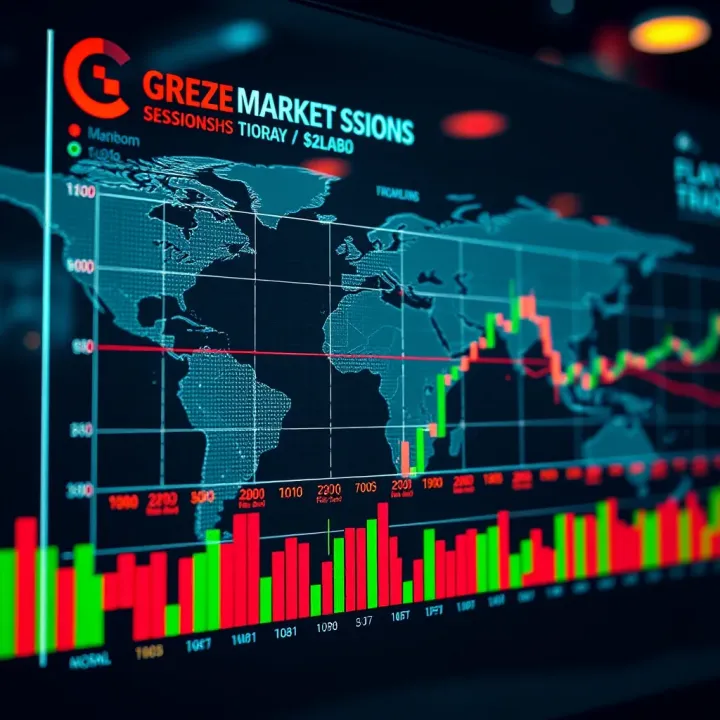
By the end of this, you’ll have a clearer idea of the hours and days offering the thickest liquidity and volatility, helping you make smarter moves in the forex arena without chasing ghosts during quiet times.
Timing in forex is not just about luck; it's about knowing the pulse of the market and syncing your strategies with it.
Understanding the hours when forex trading is most active can really make a difference, especially for traders based in Kenya. The forex market doesn’t close like regular stock markets; it hums along almost nonstop, adjusting to different time zones and global financial centers. For Kenyan traders, knowing when trading volumes peak and when the market quiets down is like having a heads-up before a game — you can plan your trades to get the best shot at profits.
Let’s say you're trying to catch the best wave on a surfboard. If you paddle out too early or late, you might miss it entirely or wipe out. The same goes with forex. Getting familiar with the trading hours equips you with the timing to act, helping to avoid times when the market is sluggish or unpredictable.
The forex market is unique because it’s open 24 hours, five days a week, thanks to the continuous operation of financial centers in different parts of the world. From when Tokyo opens in the morning to when New York closes at night, the market shifts its activity smoothly between regions. For Kenyan traders, this means there’s always a chance to enter or exit a trade, but it also means you need to choose your moments carefully — some hours are just busier and livelier than others.
Major hubs like Tokyo, London, and New York govern forex trading volumes. Each center's working hours bring in a flood of transactions, influencing liquidity and price movements. For example, the London session often sees increased activity in the EUR/USD pair, which is popular among Kenyan traders. When sessions overlap, such as London and New York, the market experiences peaks in liquidity and volatility, opening windows where trades can benefit from bigger price swings.
Kenya operates on East Africa Time (EAT), which is UTC+3. Many forex sessions are referenced in GMT or local times of the trading centers. For instance, London operates on GMT or BST (GMT+1) during daylight saving. This difference means Kenyan traders have to adjust their clocks; London’s trading hours (usually 8:00 AM to 4:00 PM GMT) fall between 11:00 AM and 7:00 PM EAT. Understanding these differences helps in mapping out your trading day to catch periods when multiple sessions overlap or when the market is more active.
Liquidity refers to how easy it is to buy or sell currency pairs without affecting the price too much. During peak trading hours — especially when major sessions overlap — liquidity surges. For Kenyan traders, this means tighter spreads and more reliable order execution. Trading during lower liquidity can lead to slippage, where you end up buying or selling at a less favorable price, eating into potential profits.
Volatility indicates how quickly and by how much currency prices move. Certain times of the day have higher volatility, creating more opportunities for profit but also increasing risk. News releases from big economies during the London or New York sessions can cause sudden price swings. For example, if a US Federal Reserve announcement drops at 8:30 PM EAT, Kenyan traders must prepare for a possible spike in volatility, which could either make or break a trade.
Spreads — the gap between buying and selling prices — tend to widen during off-hours when trading volume is low. This means higher costs for traders. For instance, trading the EUR/USD pair when both London and New York sessions are closed might result in spreads that are 2-3 times wider, reducing the appeal of entering trades during those hours. Kenyan traders benefit from focusing their activity during times with tighter spreads to keep costs down and improve potential returns.
Being savvy about trading times is not just about catching the market’s best moments; it’s also about avoiding avoidable costs and risks when the market sleeps or acts unpredictable.
In summary, understanding forex trading hours helps Kenyan traders pinpoint when the market is most inviting, balancing liquidity, volatility, and costs to make informed decisions. This foundation sets the stage for more detailed strategies covered in upcoming sections.
Understanding the different forex trading sessions is key for Kenyan traders who want to make the most of their trading strategies. The forex market never truly sleeps, but its rhythm changes depending on which financial centers are active. Knowing the distinct traits of each major session helps you anticipate market moves, find better liquidity, and avoid unforeseen risks.
Each session is tied to a major financial hub, translating to specific currency pairs being more active and particular hours where volatility spikes. This knowledge gives traders a clearer edge in timing their trades, reducing guesswork and improving precision.
The Asian session is anchored around Tokyo's trading hours, running roughly from 12:00 AM to 9:00 AM Kenyan time. Expect major activity in currency pairs involving the Japanese yen (JPY), Australian dollar (AUD), and New Zealand dollar (NZD). For example, USD/JPY and AUD/JPY pairs often show notable price movements here.
Besides the yen, the Chinese yuan (CNY) and Singapore dollar (SGD) see moderate attention. Kenyan traders focusing on these pairs during this session can leverage its generally steadier market conditions, especially if they prefer less noisy trading periods to analyze charts calmly.
The Asian session is generally characterized by lower volatility compared to European and North American zones. Price movements tend to be more gradual with fewer sudden spikes. This is partly because major European and U.S. traders are off the clock, resulting in less market churn.
The quieter nature of the Asian session can be a double-edged sword. It’s a good time for traders who use range-bound or trend-following strategies with smaller stops. However, those seeking quick breakouts might find this session less exciting.
For traders in Kenya, the Asian session coincides with night hours, which means active trading during this time might require staying up late or using automated systems like Expert Advisors (EAs). However, the session offers unique advantages—such as spotting early trends before European markets open.
With Kenya’s time zone (EAT), the Asian session can act as a setup zone where the initial direction of some pairs like USD/JPY or AUD/USD starts to form. Understanding these early movements can give Kenyan traders a head start once more liquid and volatile sessions kick in.
The European session runs from about 9:00 AM to 6:00 PM Kenyan time and overlaps strongly with the Asian session at its start and the North American session towards its close. This overlap often increases liquidity and volatility sharply.
The busiest overlap is between the London and New York sessions (2:00 PM - 6:00 PM EAT), where trading volume surges as both markets battle for control. This period is prime for aggressive traders seeking quick market moves.
The European session features a packed calendar of economic announcements, especially from the UK, Germany, and the Eurozone. Releases like the Bank of England's interest rate decisions or Eurostat inflation data often trigger sharp price moves.
Traders must pay close attention to timing these news events—entering positions minutes before releases can lead to slippage or wide spreads, while a calm is often restored within an hour after the event.
Volatility peaks during this session due to the high concentration of bank activity and news flow. Currencies like the Euro (EUR), British Pound (GBP), and Swiss Franc (CHF) typically experience heightened price swings. For instance, EUR/USD and GBP/USD can jump several pips within minutes, offering both risk and opportunity.
Kenyan traders who prefer volatility will find the European session rewarding, but they must also be prepared with sound risk management to avoid the pitfalls of wild price swings.
The North American session is driven by New York’s financial markets and runs roughly from 2:00 PM to 11:00 PM Kenyan time. The U.S. dollar (USD) pairs dominate here, especially USD/CAD, USD/JPY, and EUR/USD.
Canadian economic events often impact USD/CAD, so traders should keep an eye on announcements like Canadian employment data or Bank of Canada statements. Similarly, U.S. macroeconomic news affects various USD pairs heavily during this session.
This session is known for high trading volumes, especially early on when the market reacts to U.S. economic data releases. Volume tends to taper off towards the late evening hours Kenyan time.
The liquidity ensures tighter spreads and more predictable pricing, a contrast to the sometimes erratic activity during the Asian session. Kenyan traders often find this period advantageous for charting real-time price action with fewer disruptions.
Towards the end of the North American session, around 9:00 PM to 11:00 PM EAT, markets often consolidate or experience reversal patterns as traders close positions ahead of the Asian session.
This time window can offer excellent exit points or opportunities to capitalize on retracements. Kenyan traders can use this period for fine-tuning their entries and exits, minimizing overnight risk.
Understanding these sessions and their quirks equips Kenyan traders with insights necessary for timing decisions and selecting pairs that fit their strategies best. Each session offers different patterns and opportunities that, if mastered, can significantly boost trading performance.
Understanding how Kenyan time matches up with global forex trading sessions is key for traders here. Kenya operates on East Africa Time (EAT), which is GMT+3 hours, and this time zone sets the trading rhythm for local investors. Aligning your trading hours with the busiest market sessions can improve liquidity and increase chances of catching profitable moves.
Kenyan traders need to know when the Asian, European, and North American sessions open and close in local time so they can plan their trades accordingly. For example, the European session—from around 9 am to 6 pm GMT—starts around noon and runs till 9 pm in Kenya. This overlap is great because it coincides with the start of Kenya's working afternoon and evening hours when traders are active. Knowing this helps avoid managing trades at odd hours, which can be tiring and lead to mistakes.
By understanding the timing of these global sessions in EAT, Kenyan traders gain practical insight into when the market is most liquid and volatile. This can help optimize trading strategies by focusing efforts on peak hours rather than trading when the market is quiet and prone to sudden, erratic moves.
East Africa Time is three hours ahead of GMT, putting Kenya firmly in the GMT+3 time zone year-round, with no daylight saving changes. This consistency makes it easier for traders to map global session times without the hassle of frequent adjustments. In practical terms, Nairobi is 3 hours ahead of London during winter, and the gap widens during London’s daylight saving period.
For instance, when the London market opens at 8 am GMT, it is already 11 am in Nairobi. This allows Kenyan traders to start their European session trading late morning or early afternoon, which works well for those with daytime commitments.
The most notable overlaps happen between the European and North American sessions, which produce elevated trading volumes and liquidity. In EAT, the North American session begins around 3 pm and runs until midnight. The European session runs from 11 am to 8 pm EAT.
So, from roughly 3 pm to 8 pm, Kenyan traders experience an overlap of these two highly liquid sessions—this window often sees sharp price movements due to the combined activity of two major markets. Scheduling trades during this overlap can give Kenyan traders better spread conditions and tighter pricing.
One twist Kenyan traders must watch out for is daylight saving time changes outside Kenya, mainly in Europe and North America. While Kenya doesn’t observe daylight saving, London and New York do, shifting their clocks forward or backward by one hour.
From late March to late October, London moves forward an hour to GMT+1, effectively reducing the time difference with Nairobi to 2 hours. On the other hand, New York shifts to GMT-4 during daylight saving, making it 7 hours behind Kenya instead of the usual 8.
These changes alter session overlap hours and can affect the best trading windows for Kenyan traders. Staying updated on these timing shifts ensures that traders don't miss key market openings or important news releases.
Liquidity peaks when major market centers operate simultaneously. For Nairobi, the busiest times fall between 3 pm and 8 pm EAT when the European and North American sessions overlap. During this time, currency pairs like EUR/USD, GBP/USD, and USD/JPY tend to have tighter spreads and higher volatility, offering better trading opportunities.
On the other hand, the Asian session opens at 12 am and closes by 9 am EAT, with liquidity spikes mostly in the early hours of the session. While not as action-packed as the European/American overlap, it’s still important for traders focusing on currency pairs linked to Asia, like USD/JPY and AUD/USD.
Kenyan traders should target two main windows for trading:
Early morning to late morning (9 am to 12 pm EAT): This is the tail end of the Asian session and start of the European session, where activity begins to pick up.
Afternoon to late evening (3 pm to 8 pm EAT): The peak overlap of European and North American sessions, often resulting in the best opportunities for profit.
Traders who prefer less hectic trades might focus on the early morning overlap, while those looking for volatility and fast moves should consider the afternoon slot.
Slow trading periods carry risks like wider spreads, sluggish price movements, and sudden spikes caused by thin liquidity. For Kenyan traders, these often fall between 9 pm and 12 am EAT and between 12 pm and 3 pm EAT, when markets like London have closed and New York isn’t fully active or when only the Asian session is slow.
Steering clear of these less active times can prevent frustrating experiences with low trade execution efficiency. Instead, focus on the known high-volume slots to get more reliable price action and manageable spreads.
Timing your trades based on how Kenyan time aligns with global forex sessions isn't just about convenience; it's about increasing your chance of success by tapping into periods of high market activity and avoiding quiet times when risks rise.
By carefully converting session times, understanding global time shifts, and pinpointing peak hours, Kenyan traders can plan smarter, reduce risks, and make the most of their forex trading efforts.
Knowing which currency pairs are active during specific trading sessions can give you an edge when trading forex in Kenya. Different pairs have distinct liquidity and volatility patterns depending on the time of day you trade, influenced by the major financial centers they are tied to. Picking the right pairs during their peak activity hours helps you avoid dull moments with low movement, which can be costly due to wider spreads and less predictable price swings.
USD/JPY and other relevant pairs
The USD/JPY pair shines during the Asian session when Tokyo’s markets are open. This pair often exhibits clearer trends and tighter spreads in these hours, thanks to the heavy participation of Asian banks and financial institutions. Kenyan traders tuning in during the early morning (East Africa Time) find good opportunities as the pair reacts to economic data from Japan and the broader Asia-Pacific region.
Other pairs like AUD/USD and NZD/USD also become lively during this session because of Australia's and New Zealand's market hours overlapping with Asian trading. These pairs respond to commodities prices and Asian trade flows, making them popular picks for early day trades.
EUR/USD and cross pairs
The EUR/USD is a heavyweight during the European session. When London wakes up and European trading commences, this pair often sees spikes in volume and volatility. This is partly because it crosses major economies and reports like German GDP or UK inflation data are announced.
Cross pairs like EUR/GBP or EUR/CHF also come alive during European hours, offering a palette of options for traders looking to diversify during this busy session. Kenyan traders benefit by aligning their trades with these session times, roughly mid-morning to afternoon EAT.
Volatility considerations
Volatility during these sessions is a double-edged sword. The Asian session generally shows steadier, less erratic moves—ideal for those preferring slower trends. Meanwhile, the European session brings more pronounced swings due to market overlaps and major announcements.
What’s key for Kenyan traders is timing your trades around these bursts of action. Jumping in too early or late in the session can mean missing out on prime volatility or dealing with sluggish price movement. Pair this timing with tighter stop-loss levels to better manage risk during more active hours.
USD/CAD and its movements
When the North American markets start heating up, particularly New York, the USD/CAD pair tends to show its mettle. This pair is heavily influenced by Canadian economic indicators like crude oil prices and US-Canada trade policies. Kenyan traders tuning in late afternoon to early evening EAT can catch the fluctuations driven by these factors.
USD/CAD offers opportunities to capitalize on commodity news, especially oil price trends, which affect the Canadian dollar. Monitoring energy sector news adds an edge when trading this pair during these hours.
GBP/USD activity
The GBP/USD pair sees significant activity through much of the North American session, overlapping with the closing hours of the London market. The pair benefits from liquidity and often reacts sharply to US economic news releases such as Federal Reserve statements or employment numbers, as well as UK updates.
For Kenyan traders, this pair offers a good chance to trade volatility coming from both sides of the Atlantic, particularly in the late afternoon to night EAT window. It’s wise to stay alert to calendar events to ride these waves effectively.
Timing for African traders
Since East Africa Time is generally 7 hours ahead of New York, the North American session overlaps with evening hours in Kenya—usually from around 3 PM to 11 PM EAT. This timing suits traders who prefer evening sessions, after local work hours or daily commitments.
Understanding this overlap helps avoid trading on pairs at their quiet times, reducing the risk of illiquid conditions. For Kenyan traders, the North American session represents an important window to access high volatility in pairs linked to the US dollar and Canadian dollar.
Selecting currency pairs based on their active trading hours is not just about catching moves; it’s about trading smarter, managing risks better, and aligning your schedule to the heartbeat of the global forex market.
By focusing on these timing and pair dynamics, Kenyan traders can sharpen their strategies and avoid times when spreads are wide and price action foggy, ultimately improving their chances for consistent gains.
Trading forex effectively requires understanding not just global market hours but also the factors that directly impact the best times for trading in Kenya. These influences shape liquidity, volatility, and overall market conditions. Kenyan traders who recognize these elements can better align their strategies with moments when opportunities and risks are balanced.
Currency markets don’t move in a vacuum; their rhythms follow economic announcements, shifting market sentiment, and worldwide events. For example, a major US economic report dropping during Kenyan daytime can spark intense market activity affecting USD pairs. Conversely, if trading happens during slow periods influenced by local or global quietude, traders may face erratic price behavior and wider spreads.
Being aware of such factors helps Kenyan traders avoid common pitfalls like trading in thin markets or missing the best moments to enter or exit trades. It also allows them to tailor their tactics, whether that means trading more during overlaps of major sessions or sitting out during typically sluggish hours.
Economic data releases from the US and Europe wield outsized influence on forex markets globally, including in Kenya. Reports like the US Non-Farm Payrolls (NFP), European Central Bank interest rate decisions, or Germany’s GDP numbers often lead to sharp price swings around their release times.
Since these events are usually scheduled in GMT or UTC, Kenyan traders need to convert them into East Africa Time (EAT) to prepare adequately. For instance, the US NFP typically comes out at 3:30 PM EAT, which is late afternoon in Kenya, a time when liquidity is still solid. Knowing this schedule means traders can anticipate higher volatility and set their positions or risk limits accordingly instead of being caught off guard.
Besides international announcements, local economic indicators like Kenya’s Central Bank MPR announcements and GDP reports also influence forex pairs with the Kenyan shilling. Though their impact may not match that of the US or European figures, these releases can tighten spreads or trigger sharp but short-lived moves in USD/KES or EUR/KES pairs. Staying on top of these schedules helps Kenyan traders recognize when the local market might briefly move differently from global patterns.
News releases effectively create specific trading windows where price action intensifies. These windows are both an opportunity and a risk; timing trades around them demands discipline and knowledge of likely market reactions. For example, a surprise interest rate hike from the Federal Reserve could suddenly boost USD demand, creating a rapid upward spike in USD pairs.
Understanding when and why news releases happen is essential for Kenyan traders wanting to trade smartly rather than guessing and hoping luck is on their side.
One can’t ignore how market sentiment sways forex timing. Sentiment is shaped heavily by geopolitical events, which cause fluctuations in risk appetite. For Kenya-based traders, this means knowing when events such as elections, international conflicts, or trade negotiations unfold worldwide.
For instance, tensions between the US and China over tariffs might lead to heightened volatility during key daily hours as traders react to updates and news flashes. If such developments erupt outside typical high-liquidity times, markets can become more unpredictable and spreads widen, making trading tougher.
Seasonal trends also play a subtle but real role. Around holidays like Christmas or August summer breaks in Europe, trading volumes dip, even if global markets stay open. For Kenyan traders, this can mean slower price moves and more whipsaws during these “quiet” months.
Adjusting trading strategies with these factors in mind makes sense. For example, during politically tense times or major season lows, a conservative approach—reducing position sizes or avoiding trades—is often wiser. Conversely, when sentiment improves or global economic data points clearly to a trend, Kenyan traders might want to ramp up activity, especially during session overlaps.
Market sentiment and events don’t respect local time zones. They introduce complexity but also actionable clues—if you know what to watch for.
In summary, economic news releases and global events deeply influence the best trading times for forex in Kenya. By syncing schedules with these factors, traders can take advantage of heightened activity when it counts and avoid pitfalls during quiet or unstable periods.
Timing in forex trading isn't just about knowing when the market is open; it's about making the most out of the periods when the market's most active. These periods offer better liquidity and price movement, which can translate to more opportunity for profit. For Kenyan traders, pairing good timing with smart strategies is the best way to squeeze the most out of the forex market.
By focusing on the right trading windows, you reduce the chances of getting caught in choppy, unpredictable movements. Here, we'll look at using technical analysis tailored to these times and practical risk management strategies that help protect your capital when the market gets too wild or too quiet.
Charts can look a bit like a jigsaw puzzle without the right frame. Setting them up to highlight active trading times is like putting the edges in place first. For Kenyan traders, this means adjusting your charting software to East Africa Time (EAT) and aligning it with major sessions like the London and New York opens. This ensures you're watching the market when volatility and volume pick up, such as the well-known overlap between London and New York sessions between 3 pm and 5 pm EAT.
This focused setup helps you see clear price actions instead of noise. For example, spotting trend reversals or strong breakouts is much easier during these active hours because there’s more participation.
During volatile periods, relying on lagging indicators like simple moving averages alone can cause you to miss the boat. Instead, tools that react quickly to price changes, such as the Relative Strength Index (RSI) and Bollinger Bands, are more effective. RSI helps identify overbought or oversold conditions quickly, while Bollinger Bands visually show price extremes and potential reversals.
Also, using the Average True Range (ATR) indicator can guide you on setting realistic stop-loss and take-profit levels based on current volatility, preventing you from getting stopped out too early in a rapid market.
Trading outside peak hours can be tempting, but without enough volume, charts often throw up false signals. To avoid falling into this trap, applying filters like only taking trades when the Average Daily Range (ADR) hasn't been fully reached can be handy. This means if an asset has barely moved during a low-activity session, a sudden signal might be unreliable.
Another tip is to avoid signals that rely solely on price crosses or oscillators during these quiet times since price can move erratically without follow-through.
Remember: Less is sometimes more when trading during slow periods. Waiting for robust setups during busy hours will save you from costly mistakes.
The size of your trades should reflect the current market environment. During the high-volume London-New York overlap, it makes sense to trade larger sizes because liquidity reduces slippage and price spreads. Conversely, during the quiet Asian session, reducing trade size minimizes risk against unpredictable spreads and less stable prices.
For instance, if you usually trade 0.5 lots during the busy hours, dropping to 0.2 lots during the quieter hours is a smart move. This keeps potential losses manageable without completely shutting down trading opportunities.
Knowing when to enter and exit a trade is just as valuable as picking the right currency pair. During peak times, consider placing entry orders close to breakout points confirmed by volume. When exiting, adapt your targets based on session volatility; aim for bigger profits when the market is active, and lower, safer targets during slow periods.
Asian session trading often means smaller moves, so tight stops and conservative take-profits help preserve capital. In contrast, during London or New York hours, let your profits run a bit more by setting wider take-profits calibrated with the ATR.
Unexpected news or global events can spark sudden market swings. To guard yourself, always have stop-loss orders in place, regardless of the session. Using trailing stops during volatile sessions lets you protect profits without exiting too early.
It's also wise to monitor economic calendars actively. For someone trading in Kenya, keeping an eye on US Federal Reserve announcements or Eurozone releases during your trading hours can help you avoid getting caught in nasty surprises.
Risk management paired with careful session timing is like having both a map and a compass in the forex jungle — it helps you navigate without getting lost or hurt.
Trading forex is a dance with the clock as much as it is with numbers and strategies. Kenyan traders often stumble over timing issues, which can lead to unnecessary losses or missed chances. By spotting these common mistakes, traders can fine-tune their approach and trade smarter rather than harder.
One of the biggest pitfalls is trying to trade during times when the market is stagnant and volumes are low. This is called the risk of thin markets. When liquidity dries up, it means there aren't many buyers or sellers around, so prices can jump abruptly with even small trades. For example, late at night between the US close and the Asian open, forex activity dips, making it easier for price swings to catch traders off guard.
Price slippage effects come into play here. Slippage happens when a trade executes at a different price than expected because there’s not enough volume to fill your order at the best price. Imagine placing a buy order for USD/EUR expecting 1.1300, but it executes at 1.1310 instead—this can eat into your profits or worsen losses in a flash. Kenyans often face this during off-peak hours when brokers could struggle to find counterparties.
For instance, a trader placing a large order during the dead zone might see a 5-pip slippage, turning a good trade setup into a losing one. Learning to avoid trading during these thin times or adjusting order sizes can save a lot of heartache.
Forex clocks tick around the world, but it's easy for Kenyan traders to miss opportunities by ignoring how these sessions align with their local time. These missed opportunities can mean missing out on peak volatility periods when profits are more attainable. For example, failing to account for the New York session running from 3pm to 11pm EAT means missing out when USD pairs are most active.
Improper order timing also stems from this. Some Kenyan traders try entering trades when major economic news is about to release overseas or when a session is winding down, causing poor fills or getting stopped out prematurely. This happens because they react to prices without knowing the global market context, like trading too early before the London market opens.
Staying aware of global time zones isn’t just handy, it’s essential. Every session has its rhythm, and syncing your trading hours accordingly can mean the difference between a winning and losing streak.
How to stay informed? Using reliable forex calendars showing economic events in your time zone helps. Popular platforms like MetaTrader and TradingView offer tools highlighting session times and major news releases. Kenyans can also use mobile apps like ForexTime or Investing.com, which send alerts for upcoming market events in East Africa Time (EAT). By setting alarms and planning trades around these times, traders ensure they don't trade blind.
In short, mastering timing involves avoiding thin markets, understanding global market hours relative to Kenyan time, and leveraging tools that keep you in the loop. These steps help sidestep common errors and create more consistent trading outcomes.
Knowing when to trade in forex is only half the battle; having the right tools to track those times makes all the difference. For Kenyan traders, accessing accurate, real-time information can turn good guesses into confident moves. Tools like market calendars and time zone converters aren't just convenience gadgets—they’re essential for syncing up with global market rhythms.
Reliable forex market calendars are like a trader’s timetable. They keep you alert on crucial economic events across major markets. A good calendar should feature:
Real-time updates: So you catch changes instantly, especially for unpredictable news.
Clear event descriptions: No jargon, just straightforward info about announcements like US non-farm payrolls or European Central Bank meetings.
Volatility indicators: Many calendars rate the expected impact of each event—handy for weighing risk.
For instance, Forex Factory is a popular choice for its clean layout and up-to-the-minute news. It lets Kenyan traders plan around high-impact announcements, avoiding times when spreads might widen unexpectedly.
Setting alerts for news releases is another lifesaver. Most quality calendars allow customization of notifications for events important to your portfolio. Imagine getting a ping just before the Bank of Kenya releases interest rate decisions—without having to babysit your screen all day.
Integration with trading platforms adds efficiency. Platforms like MetaTrader 4 and 5 often support calendar plugins or feeds, so your alerts pop right inside your trading interface. This seamless setup means no switching between apps, reducing the chances of missing a critical cue.
Understanding global market hours is tricky, especially when juggling daylight saving shifts and different locales. Time zone converters help by translating major market hours directly to East Africa Time (EAT), Kenyan traders’ local time.
Recommended apps for Kenyan traders include World Time Buddy and Time.is. These tools are lightweight and user-friendly, making it easy to quickly check the open and close times of the London, New York, or Tokyo sessions.
Syncing market times effortlessly matters because forex trading depends heavily on timing. With these apps, you can:
Overlay multiple time zones side-by-side.
Set customized watchlists for sessions that align with your trading plan.
Preview how upcoming daylight saving changes affect session overlaps.
Think of it as setting your alarm clock exactly when the market is buzzing, not when it’s snoozing.
Benefits for strategy planning stem from this clarity. When you know precisely when liquidity peaks or when key sessions collide, you can tailor your trades to fit those windows. For example, a Kenyan trader focusing on USD/EUR pairs might set alerts before the London and New York sessions overlap, since that period often sees increased activity.
Without the right timing tools, you’re flying blind in a constantly shifting global marketplace. Using market calendars and time converters isn’t just smart—it’s vital for staying competitive and minimizing surprises.
In short, embracing these tools means Kenyan traders stay one step ahead, managing their time and trades like a pro, not leaving success to chance.
Trading forex in Kenya doesn’t just happen Monday through Friday during the usual rush hours. Weekends and holidays throw in some unique challenges and opportunities that traders often overlook. Adjusting your strategy around these times can make the difference between losing money and spotting a cool trading chance.
Forex markets traditionally close over the weekend, but some brokers offer weekend trading with limited instruments. This off-hours trading attracts low volume, making it easy for prices to move erratically. For example, if a political event breaks out on a Saturday, thin liquidity could cause huge price gaps by Monday—something risky for anyone holding open positions. Kenyan traders should understand that weekend trading is more volatile and less predictable, so it’s a good idea to reduce position sizes or avoid risking big during these hours.
Public holidays in major markets like the US and Europe significantly reduce trading volumes. When liquidity dries up, spreads tend to widen, and slippage becomes a bigger issue. Kenyan traders might find that orders don't execute at expected prices, especially during global holidays. This means even routine trades can hit bigger transaction costs, which eats into profits. Staying aware of international holiday calendars helps plan out when to step back or adjust trade sizes to avoid unexpected losses.
Kenya’s own holidays, such as Mashujaa Day or Jamhuri Day, also affect market sentiment and activity. While the direct effect may be less obvious compared to global markets, many local traders take these days off, reducing market participation domestically. It's smart to prepare for these days by closing risky trades ahead of time or reducing exposure. Additionally, some global sessions might see subtle shifts in volume because Kenyan financial institutions are offline.
A handful of brokers like CM Trading and IG Markets let you trade over weekends. These platforms typically offer limited currencies and CFDs but provide a shot when you can’t afford to wait for Monday. Kenyan traders who prefer to diversify their timing might explore these brokers but must keep in mind higher volatility and fewer trading pairs. Using demo accounts on these platforms before diving in helps understand weekend dynamics without risking capital.
Off-hours trading can sometimes give great volatility bursts, especially around news that breaks outside standard market hours. For instance, if there’s a surprise summit or natural disaster announcement on a Sunday, the market can react immediately, offering quick trading opportunities. However, these spikes come with wider spreads and unpredictability. Kenyan traders should balance the excitement against solid risk management to avoid getting caught on the wrong side of a fast-moving market.
Timing is everything. While off-hours trading can be alluring, it's crucial to avoid entering trades blindly. Not all brokers provide the same spreads or execution speeds during weekends and holidays. Always check if your broker is offering live prices or just indicative quotes—which can mean the difference between a trade execution and a chart guessing game. Planning trades around these times should include setting tight stop losses and avoiding large lots to manage sudden price jumps.
"Adapting your forex trading strategy around weekends and holidays in Kenya isn’t just cautious—it’s smart. Knowing when to step back and when to step in can protect your funds and capture unique market moves."
Wrapping up the discussion on the best forex trading times for Kenyan traders, it’s clear timing isn’t just about picking hours at random. Understanding how different global sessions overlap with Kenyan time can make or break your trading success. The practical benefit? You’re better positioned to capture liquidity, avoid costly slippage, and ride waves of volatility when markets are active.
For instance, trading during the overlap of the London and New York sessions tends to show increased price movements and tighter spreads—ideal for Kenyan traders looking to maximize profit potential. On the flip side, logging in during the dead hours might leave you staring at sluggish price action and unpredictable spreads.
Knowing when to trade empowers Kenyan investors to avoid pitfalls and tap into the most promising trading windows.
Specific recommendations include:
Track major market news releases from the US and Europe, as these often trigger spikes in volatility.
Adjust your trading schedule according to daylight saving shifts affecting global markets.
Use trusted tools like forex calendars and time zone converters to stay on top of market hours.
By keeping these considerations in mind, Kenyan traders can sharpen their timing strategy and boost their overall trading edge.
The best trading times for those in Kenya generally coincide with the European and North American sessions, especially between 3pm and 11pm East Africa Time. During these hours, liquidity peaks, and currency pairs like EUR/USD and GBP/USD show solid movement. This window offers tighter spreads and better price action, which can significantly reduce trading costs.
Focusing on these hours helps Kenyan traders avoid the lull periods, such as early morning, when the Asian session dominates but liquidity on Kenya-relevant pairs may be thin.
Global markets don’t stand still; daylight saving time shifts in the US and Europe can throw Kenyan timing off by an hour or two. Traders must stay flexible and adjust their trading hours accordingly. For example, when the US moves an hour ahead, the overlap with European markets and Kenyan day shifts.
Regularly updating your personal trading schedule to reflect these changes prevents missed opportunities and helps keep your strategy aligned with market realities.
High volatility means greater chances for profits but also bigger risks. Kenyan traders have to weigh these carefully. Trading during peak hours offers rewards but requires a firm grasp of risk management—stop losses, trade sizing, and avoiding overtrading.
If you’re new, consider easing into these active periods with smaller trades until you become comfortable handling the price swings. Better to miss a trade than get caught off guard with a giant loss.
Set a consistent routine that aligns with the busiest market times for your preferred currency pairs. For example, a trader focusing on EUR/USD might block off late afternoons and evenings to monitor charts and place trades.
Planning ahead reduces the temptation to trade impulsively during off-hours, when risks outweigh rewards. Also, clear scheduling helps balance trading with other life responsibilities.
The forex market’s nature isn’t static—what works one year might need tweaking the next. Kenyan traders should review their trading logs regularly to spot patterns about which time slots offer the best outcomes.
Keep an eye on economic calendars for new data releases or geopolitical events that might shift market volatility. Attending webinars or reading updated market analysis from sources like Investing.com or Bloomberg can sharpen your understanding.
Don’t hesitate to use modern tools: forex market calendars, smartphone apps like Myfxbook, and platforms that automatically convert time zones. These resources keep you synced with global market hours, helping you prepare for important trade times.
For instance, setting alerts for major news impacts avoids missing crucial price moves, while time zone converters ensure you’re not logged in too early or late unnecessarily.
Using technology smartly can free up mental bandwidth, letting you focus on executing your strategy rather than chasing timing details.
📚 Explore top forex trading books tailored for Kenyan traders! From basics to advanced strategies, boost your skills and trade smarter today.
Explore the best forex trading apps for Kenyan traders 📱. Compare features, usability, security 🔒, and costs to choose the ideal platform for your needs.
Discover effective forex trading strategies for Kenyan traders 🇰🇪. Learn risk management, market analysis, and practical tips to boost your trading success! 📈
Explore top forex trading companies in Kenya 🇰🇪, learn about regulation, broker reliability, services, and key tips to pick the right one for you 📈💼.
Based on 12 reviews