

Best Books to Learn Forex Trading in Kenya
📚 Explore top forex trading books tailored for Kenyan traders! From basics to advanced strategies, boost your skills and trade smarter today.
Edited By
Alexander Price
Forex trading has become quite a buzz in Kenya these days, with more folks looking beyond traditional investments and trying their hand at the currency markets. But diving headfirst without the right tools is like setting off on safari without a map—you're bound to get lost. Choosing the right forex trading platform is not just about picking the shiniest or newest one out there; it's about finding a service that meets your trading style, complies with Kenyan regulations, and feels reliable.
This guide aims to lay out clear, practical points to consider when selecting a forex trading platform tailored specifically for Kenyan traders. We’ll talk about why regulation matters, what features you can't do without, and compare some of the popular platforms that service Kenyan traders.
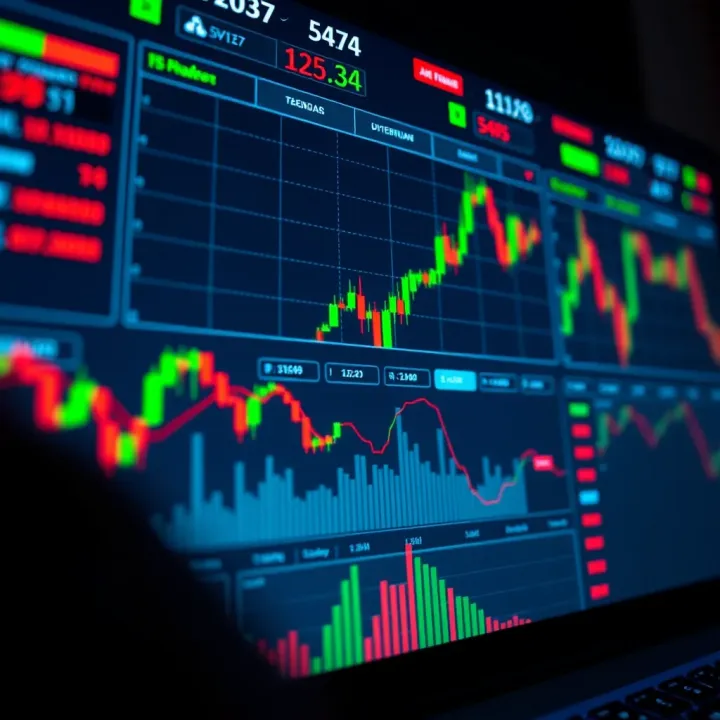
The forex market never sleeps, and neither should your strategy for choosing the right platform. Knowing your options and what to look out for can save you from costly mistakes down the line.
By the end of this read, you should have a solid understanding of the landscape and be ready to make an informed choice without any guesswork or second-guessing.
Getting a solid grip on what forex trading platforms are and how they work is the first step for anyone diving into forex trading, especially in Kenya’s fast-growing market. These platforms are more than just software; they’re the toolboxes that allow traders to make sense of market data, execute trades, and track performance in real time.
Simply put, a forex trading platform is software that connects traders to the forex market. It acts as a bridge, allowing buying and selling of currency pairs such as USD/KES or EUR/USD. The platform displays live price data, charts, and indicators, and it facilitates order placement and management. For example, a trader using MetaTrader 4 (MT4) might see a real-time chart of GBP/USD, set stop losses, and place buy or sell orders directly from the platform.
Forex platforms vary widely. Some are desktop applications like MetaTrader 5 that offer in-depth technical analysis tools, while others are web-based or mobile apps designed for quick trades on the go, such as the FXTM mobile app popular among Kenyan traders.
Choosing the right forex trading platform can dramatically affect your trading experience and potential success. Think of it like picking a car for a trip; sure, you might reach your destination in any vehicle, but a reliable, fuel-efficient car with good speed will get you there smoother and more comfortably.
A suitable platform ensures speed in order execution, which matters when prices fluctuate by the second. It also impacts how easily you can analyze market trends or react to news. Kenyan traders, for instance, dealing with volatile currencies like the Kenyan shilling often benefit from platforms that offer fast execution and low latency.
Moreover, some platforms provide tailored features, like integration with Mpesa for easy deposits and withdrawals in Kenya. The wrong platform could mean missed opportunities or even security risks if it lacks proper regulation and fails to secure user data.
Selecting a platform that's intuitive and supported by solid regulation ensures both peace of mind and efficient trading, two things every Kenyan trader should prioritize.
In the next sections, we will look deeper into what makes a platform reliable and trustworthy, focusing on features and regulations vital for traders in Kenya.
Navigating the forex market without a solid grasp of its regulatory landscape is like driving blind in heavy fog. In Kenya, regulation and safety aren't just buzzwords; they're the backbone that protects traders from questionable practices and scams. Understanding this framework helps Kenyan traders make informed choices, avoid pitfalls, and trade with peace of mind.
The Capital Markets Authority (CMA) is the watchdog overseeing forex activities in Kenya. Acting much like a referee in a football match, the CMA ensures everyone plays by the rules. It licenses brokers, monitors their conduct, and enforces regulations designed to shield traders from malpractice. For instance, the CMA mandates brokers to maintain segregated client accounts, meaning your money is kept separately from the broker’s operational funds.
This separation can be a lifesaver when a broker runs into financial troubles, preventing your funds from being swept up in business woes. The CMA also scrutinizes advertising claims made by brokers to stop misleading promises—such as guaranteeing profits, which no legitimate platform can promise.
Regulation isn’t just a bureaucratic hassle; it’s a practical shield for Kenyan forex traders. Without oversight, the forex world can quickly become a minefield of unscrupulous operators ready to take advantage. A regulated platform ensures a level of transparency and recourse that’s otherwise absent.
Take, for example, the case of unlicensed brokers that vanish when withdrawing funds or suddenly change trade conditions without notice. When you stick to brokers regulated by the CMA, these risks shrink considerably.
Moreover, regulation impacts how swiftly trades execute and how securely your funds are stored. Trading through a regulated entity means you can often access dispute resolution mechanisms if things go sideways.
Remember, trading on unregulated platforms is like tossing your money into the wind—you might end up chasing it down with no one to turn to.
Regulation also ties into broader economic policies, ensuring forex activities align with Kenya’s financial laws and forex market stability. Especially for Kenyan traders using local payment methods like M-Pesa, regulated brokers often facilitate smoother funding and withdrawals, avoiding complications or delays.
In short, knowing that your trading venue is monitored and held accountable is invaluable. It lets you focus on trading strategies rather than worrying about the safety of your hard-earned cash.
Choosing a forex trading platform isn't just about picking the flashiest one out there. In Kenya, where trading conditions and regulations have their unique quirks, the real deal lies in the features a platform offers that actually make trading smoother and less stressful. The right features can mean the difference between a winning trade and losing your shirt. Let's run through some of the key things to keep an eye on when selecting your trading platform.
The user interface is the face of the platform. If navigating it feels like decoding hieroglyphics, you’ll likely shy away from trading altogether. Look for platforms with a clean layout and intuitive design where you can place trades, check charts, and track your portfolio without fumbling around. For example, MetaTrader 4 is renowned for its user-friendly layout, making it a favorite for beginners and pros alike. Remember, a platform that’s easy on the eyes and straightforward reduces mistakes — you don't want to accidentally hit ‘sell’ instead of ‘buy’ because the buttons are cluttered.
Forex trading shines through currency pairs, so a platform offering a wide variety means more choices for you. While the major pairs like USD/KES, EUR/USD, and GBP/USD are popular, fringe pairs might give you unique trading opportunities. Some platforms narrow their selection to only top-tier pairs, which could limit your trading strategy especially if you want to diversify. Think about what currencies are relevant to you, like the USD/KES pair is huge for Kenyan traders due to business and economic ties.
In forex trading, timing is everything. Execution speed refers to how fast your trade orders are processed, and reliability means if the platform stays stable without freezing up or crashing during volatile market moments. Imagine the frustration when the market shifts a few pips but your platform lags — you could miss out on prime entry or exit points. Platforms like cTrader are praised for low latency and reliable trade executions, which Kenyan traders find crucial during busy trading hours.
Good platforms give you more than just trade buttons. They should offer built-in charts, technical indicators, and news feeds so you can make informed decisions without hopping between multiple apps. Some platforms even feature automated trading tools, letting you set rules that execute trades on your behalf. For instance, MetaTrader 5 provides advanced charting and up to 38 technical indicators, which helps traders analyze market trends easily.
Having access to economic calendars or live news updates within the platform is a big plus, especially to catch events that can spike currency volatility, like Kenyan central bank announcements.
Life in Kenya means people are often on the move, and you might not always have access to your desktop. Platforms that offer smooth, fully functional mobile apps let you track and manage trades anywhere — whether you're riding the matatu or grabbing a chai break. Look for apps compatible with both Android and iOS, with features similar to their desktop versions. Availing platforms like MetaTrader 4 and 5 mobile apps ensure trading won’t stop just because you’re away from your computer.

A platform that combines a slick, easy interface with robust tools, fair access to currency pairs, reliable execution, and good mobile support can really tilt the odds in your favor in the Kenyan forex market.
Focusing on these factors will help you find a platform that suits not just your trading style but also the trading conditions in Kenya, making your forex journey a tad bit easier and hopefully, more profitable.
Choosing the right type of forex trading platform can shape your whole trading experience. In Kenya, traders have access to various platform types, each catering to different needs and trading styles. Understanding the differences between desktop software, web-based platforms, and mobile trading apps helps you pick a tool that suits your lifestyle, technical comfort, and trading goals.
Desktop platforms are the classic option many traders swear by. Installed directly on your computer, these platforms usually offer the most extensive features and tools. Take MetaTrader 4 (MT4) or MetaTrader 5 (MT5), for example — they dominate the scene because of their robust charting capabilities, access to custom indicators, and expert advisors (automated trading strategies).
These platforms work best when you have a stable and fast internet connection because they rely on your computer’s processing power. Desktop setups suit serious traders who spend hours analyzing the markets and making trades, like some London-based professionals or Nairobi's experienced forex traders. One downside is you can't check your positions on the go unless you also use accompanying mobile apps.
Web trading platforms offer flexibility by running directly in your browser—no installation needed. This can be a huge plus for Kenyan traders who want to trade from various devices or those who use public computers at internet cafes but still want quick access.
For instance, platforms like TradingView and OANDA’s web app give good charting and analysis but don’t demand the bells and whistles of desktop software. They tend to focus on user-friendliness and simplicity, which benefits newer traders or those who prefer straightforward setups without the hassle of downloads and updates.
However, web-based platforms are dependent on continuous internet connectivity and can be a bit slower during high market volatility. Still, they serve as a solid middle ground for traders juggling multiple tasks or locations.
With smartphone use widespread across Kenya—from Nairobi’s hustle to Kisumu’s growing tech scenes—mobile trading apps have become a lifeline for many forex enthusiasts. They offer unparalleled accessibility, enabling traders to open or close positions, monitor prices, and get notifications in real time.
Apps like MetaTrader Mobile and the proprietary apps from brokers such as HotForex or XM are optimized for small screens but still pack a decent punch with technical indicators and order types. They're perfect for those who can't be glued to their desktops all day or want to jump on fast market moves while commuting or during coffee breaks.
Of course, trading on mobile comes with some limitations, like smaller chart views or fewer analytical tools, so relying solely on an app might not be ideal for heavy strategists but great for quick trades or checking accounts.
Picking between desktop, web, or mobile platforms boils down to what fits your daily routine and how heavily you plan to trade. Many savvy Kenyan traders combine these types to stay connected without missing a beat.
By weighing the pros and cons of each platform type, you can align your forex trading setup with your needs, making it easier to manage risks and seize opportunities in Kenya's vibrant forex market.
When it comes to forex trading in Kenya, the choice of platform can make or break a trader’s success. Kenyan traders often prefer platforms that are not only reliable and secure but also tailor-made to fit the local trading environment and regulations. Knowing which platforms dominate the market helps traders make informed decisions and avoid costly mistakes.
Popular platforms bring several practical benefits to the table. They usually offer more liquidity, better customer support, and a wide range of available currency pairs. Plus, these platforms often have a large user base, which means plenty of tutorials, community discussions, and shared trading strategies that can help newcomers get up to speed quicker.
Kenyan traders should consider how well these platforms integrate with local payment methods like M-Pesa, Airtel Money, and bank transfers. Seamless deposits and withdrawals are a big deal here, and not every platform handles them equally well.
MetaTrader 4 (MT4) and MetaTrader 5 (MT5) are among the most popular forex trading platforms worldwide and have a strong presence in Kenya. MT4 gained fame for its user-friendly interface and powerful charting capabilities, making it ideal for both newbie and seasoned traders. MT5 is seen as the upgraded sibling, offering more indicators, order types, and even access to stocks and commodities.
Traders appreciate MT4 and MT5 because they support automated trading through Expert Advisors (EAs), which can execute trades based on pre-set conditions—handy for those unable to watch the market round the clock. For example, a Nairobi-based trader might set an EA to automatically buy USD/KES if certain technical signals appear overnight, so they don’t miss out on opportunities while sleeping.
Moreover, MetaTrader platforms work well with Kenyan brokers who comply with the Capital Markets Authority (CMA) regulations, providing setups that include local languages and mobile apps optimized for the Kenyan market.
cTrader is gaining traction among Kenyan forex traders looking for a more transparent and user-friendly alternative to MetaTrader. It is especially popular with those who prefer ECN (Electronic Communication Network) trading, thanks to its direct market access and lower spreads.
One standout feature of cTrader is its intuitive design and detailed level II pricing, which shows the depth of market beyond just the best bid and ask prices. This feature can give traders a leg up in volatile markets, helping them make more precise entry and exit decisions.
For instance, a trader in Mombasa focusing on active day trading might choose cTrader for its superior order execution speed and detailed market data. Plus, it supports multiple order types like stop-limit and trailing stops, which are essential for managing risk effectively.
Some Kenyan brokers prefer to develop their own proprietary platforms tailored to the local market’s needs. These platforms often feature direct integration with Kenyan payment systems like M-Pesa and provide user interfaces localized for Kenyan traders.
While these broker-specific platforms may lack the vast community support of MetaTrader or cTrader, they sometimes offer unique benefits such as exclusive tools for Kenyan economic data, dedicated customer support, or even social trading features that connect local traders.
A case in point is the Kenya Forex Brokers Group platform, which includes educational resources, daily market analysis focused on the Kenyan shilling, and easy mobile access.
Choosing the right platform means weighing between global recognition and local advantages — a balance every Kenyan trader needs to consider carefully.
Choosing the right forex broker is just as important as choosing the right trading platform. In Kenya, where the forex market can be tricky with plenty of options, comparing brokers on key criteria helps traders avoid costly mistakes and find partners that will support their trading goals effectively.
A thorough comparison considers tangible factors like costs, deposit options, and customer support. Imagine you're selecting a taxi service: you wouldn't just pick the first driver you see—you'd want to know the fare, the car’s condition, and if they’re reliable. The same logic applies to brokers who handle your money and trades.
One of the biggest expenses for forex traders is the spread—the difference between the buying and selling price of currency pairs. Brokers charge this either through spreads, commissions, or both. In Kenya, spreads can vary widely; some brokers offer very tight spreads on major pairs like USD/KES or EUR/USD, while others might have looser spreads that eat into your profits.
For example, FXPesa, a popular Kenyan broker, offers spreads starting as low as 0.6 pips on EUR/USD, which is fairly competitive. On the other hand, some less regulated brokers may start spreads at 2 pips or more, which can quickly add up if you're trading frequently. Always check for hidden costs like commissions or fees per trade because low spreads don't always mean low overall costs.
The ease and cost of moving your money in and out of your trading account can make or break your experience. Kenyan traders often prefer brokers who accept local payment methods like M-Pesa, Airtel Money, or bank transfers, reducing delays and fees.
For instance, a broker that supports M-Pesa deposits instantly can be much more convenient than one relying solely on international wire transfers that might take days and incur heavy charges. Additionally, check the minimum deposit requirements; some brokers ask for $50, others $200 or more, which might be too steep for beginners.
Withdrawal speed and transparency are just as important. A broker promising quick withdrawals but routinely taking over a week to process your funds is a red flag. Always look for brokers with a clear, hassle-free withdrawal policy.
Forex markets move fast, and when something goes wrong, you want support that answers quickly and knows their stuff. Local customer support in Kenya or at least well-timed availability can save traders from costly delays.
Top brokers like HotForex and XM offer responsive live chat, email, and phone support. Moreover, educational resources can be a game changer, especially for newbie traders. Platforms offering webinars, tutorials, and real market analysis equip Kenyan traders to make smarter decisions.
Remember, customer support isn’t just about fixing problems; good brokers use support channels to keep their traders informed about market changes and platform updates.
When comparing brokers, treat their support and educational resources like the safety net in a high-wire act—sometimes it’s what prevents falls and losses.
In summary, the right broker balances competitive spreads, convenient deposit and withdrawal options, and solid customer service. Kenyan traders who keep these points in mind are better positioned to pick brokers that won’t just look good on paper but actually support their success in live trading.
Getting started with a forex trading platform may seem straightforward, but understanding each step can save you heaps of trouble down the road. For Kenyan traders, the setup process isn’t just about clicking around; it sets the pace for effective trading and helps avoid common pitfalls.
Take, for example, a trader in Nairobi who rushes through registration without verifying broker credentials. This oversight can lead to account freezes or even loss of funds if the broker isn't regulated properly. So, setting up properly isn’t an option—it’s essential.
Let’s break down the key phases: registering your account, funding it considering local options, and then getting the hang of basic trading operations. Each stage has its quirks, especially tailored to Kenyan forex conditions and payment systems.
Starting your forex journey begins with opening an account on your chosen platform. Commonly, you’ll need to provide:
A valid ID (Kenyan national ID or passport)
Proof of residence (utility bill or bank statement)
Contact details
Some platforms may also require KYC (Know Your Customer) verification as part of the legal process, especially if they’re regulated by the Capital Markets Authority (CMA) Kenya. This step is crucial — it verifies your identity, reduces fraud risks, and protects your funds.
Avoid skipping this part or submitting shaky documents. For instance, a friend of mine tried to use an old utility bill from three years ago on a popular platform and got held up for a week waiting on verification. A simple preparation saves time and headaches.
Depositing money is where things get practical. It’s wise to check what deposit options your platform supports, especially those easy to use in Kenya. Popular methods include:
M-Pesa: The go-to mobile money transfer service for most Kenyans. Lots of brokers now accept M-Pesa, making deposits quick and hassle-free.
Bank transfers: Convenient but can take longer and sometimes attract fees.
Credit/debit cards: Widely accepted but not all brokers support local card types.
👉 Always confirm minimum deposit amounts and fees. If a broker demands a high initial deposit and charges hefty fees, it might not be ideal for beginners or traders with smaller accounts.
Once funded, understanding how to execute trades confidently is the final piece. Basic operations include:
Placing orders: Market orders (to trade immediately) or pending orders (set a price to buy/sell later).
Setting stop-loss and take-profit: This manages your risk and locks in profits. For example, you can tell the platform to sell if the price drops 50 pips to limit losses.
Monitoring trades: Using charts and indicators to track your positions in real-time.
Most platforms like MetaTrader 4 or 5 offer intuitive interfaces to handle these tasks. Spend some time in demo mode first—practicing trade execution without risking real cash.
Remember, a smoothly set up and well-understood platform doesn’t just help you trade—it builds your confidence and keeps you in control.
By following these steps thoughtfully, Kenyan traders can avoid common hurdles and maximize the potential their chosen forex platforms offer.
Navigating the forex market isn't just about picking the right platform or strategy — understanding the risks involved is just as important. Kenyan traders, like those everywhere, face several challenges when trading forex, from sudden market swings to dealing with untrustworthy brokers. Keeping a close eye on these risks can save you a lot of trouble and money down the road.
Forex is known for its rapid price movements, and this volatility can be a double-edged sword. While it offers opportunities for profit, it also means losses can pile up quickly. For example, geopolitical events like sudden changes in government policy in Kenya or economic announcements like inflation reports can cause currency pairs like USD/KES to swing wildly.
Understanding how volatility affects your trading is crucial. Suppose you open a position just before a major economic announcement; prices can move dramatically in seconds. If your platform doesn't support stop-loss orders or instant execution, you might get stuck with a heavy loss. This is why checking the speed and reliability of your trading platform, alongside its risk management tools, should be a top priority.
Forex scams are unfortunately a real danger, and they hit new traders the hardest. In Kenya, the Capital Markets Authority (CMA) regulates forex brokers to protect traders, but not every broker follows these rules. Scammers often lure traders with promises of guaranteed returns or insider tips, but these are red flags.
To avoid falling into such traps, always confirm the broker's regulation status with CMA or recognized international bodies like the Financial Conduct Authority (FCA) in the UK. For instance, brokers like HotForex and XM have a good reputation and proper licenses, making them safer choices.
Another common red flag is a broker who pushes you to deposit large sums upfront or limits withdrawal options. Real brokers provide transparent terms and easy withdrawal processes. If something feels off or too good to be true, it usually is.
Remember: Protecting your funds should always come before chasing quick profits. Choosing a regulated broker and understanding market risks are your first lines of defense in forex trading.
By keeping these risks in mind, you’ll be better prepared to trade mindfuly and avoid common pitfalls. Always pair a robust trading strategy with a trustworthy platform and stay informed about market conditions specific to Kenya and beyond.
📚 Explore top forex trading books tailored for Kenyan traders! From basics to advanced strategies, boost your skills and trade smarter today.
Explore the best forex trading apps for Kenyan traders 📱. Compare features, usability, security 🔒, and costs to choose the ideal platform for your needs.
Discover effective forex trading strategies for Kenyan traders 🇰🇪. Learn risk management, market analysis, and practical tips to boost your trading success! 📈
Explore top forex trading companies in Kenya 🇰🇪, learn about regulation, broker reliability, services, and key tips to pick the right one for you 📈💼.
Based on 11 reviews