
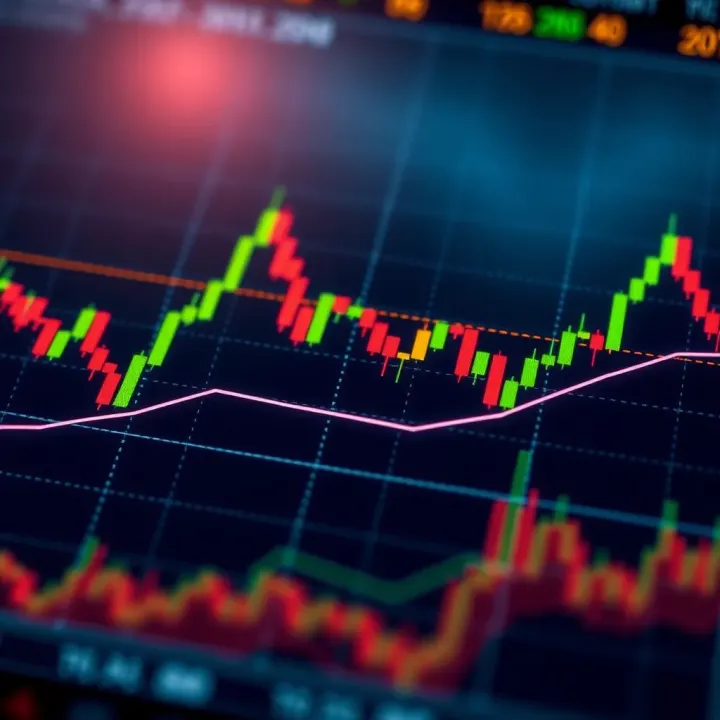
Forex Trading Charts Explained for Kenyan Traders
📊 Discover how to read forex trading charts, identify patterns, and use technical indicators effectively to make smarter currency trades in Kenya’s market.
Edited By
Daniel Reed
Forex trading attracts many Kenyans looking to grow their money by buying and selling currencies. Unlike traditional investments, forex operates 24 hours a day, five days a week, allowing you to trade any time that fits your schedule. However, starting forex trading in Kenya means understanding both the global market and local conditions.
First, you need a clear grasp of how forex works. It involves exchanging one currency for another, such as the US dollar against the Kenyan shilling (USD/KES). Profit comes from predicting changes in exchange rates correctly. This requires learning terms like pips, leverage, spreads, and lot sizes, which influence profits and losses.
Choosing the right broker is a key step. Kenyan traders prefer brokers regulated by local authorities such as the Capital Markets Authority (CMA) because it offers some protection against fraud. Also, opt for brokers that support popular payment methods in Kenya, like M-Pesa and local bank transfers, to fund and withdraw your trading account smoothly.
Setting up your trading platform usually involves creating an account on software like MetaTrader 4 or 5, which are widely supported in Kenya. Your broker will provide these platforms, letting you analyse price charts, place trades, and manage your positions.
Don't ignore risk management. The forex market can be volatile, and you risk losing capital quickly without a proper plan. Use tools like stop-loss orders and limit your leverage to avoid big losses. Keeping track of news events affecting currencies, such as Central Bank of Kenya policy changes or global economic shifts, can help inform your decisions.
Starting forex trading in Kenya means balancing global currency dynamics with local realities — from broker choice to payment methods and risk control.
To sum up, prepare yourself by learning the forex basics, work with a reliable, regulated broker that fits Kenyan needs, get familiar with your trading platform, and manage risks carefully. This approach will put you on firm ground before actively trading in the forex market.
Forex trading, or foreign exchange trading, involves buying and selling currencies to make a profit from their changing values. For Kenyans, understanding this market opens up opportunities to tap into global finance using technology widely available, like mobile phones and internet access. Knowing how forex works and why it attracts local traders lays the groundwork for a safer and more successful start.
At its core, forex trading is the exchange of one currency for another. Imagine you travel to Tanzania and need to swap Kenyan shillings (KES) for Tanzanian shillings (TZS); here, you perform a basic currency exchange. Forex trading operates on this principle, but at a much larger scale and more frequently, with traders buying currencies they expect to strengthen and selling those likely to weaken.
Most forex trades focus on major currency pairs such as USD/KES (US Dollar to Kenyan Shilling), EUR/USD (Euro to US Dollar), and GBP/USD (British Pound to US Dollar). These pairs tend to have the highest liquidity and tightest spreads, meaning lower costs and better chances for profit. For instance, Kenyan traders often watch the USD/KES pair closely since the shilling’s value against the dollar influences import costs and inflation.
The rise of mobile money platforms such as M-Pesa has made it easy to fund forex accounts and withdraw profits directly to your phone. This convenience removes many barriers that once kept small investors away from global markets. For example, a trader in Kisumu can fund their forex account quickly without needing a bank branch nearby.
Many Kenyans trade forex part-time to supplement their main income. The market operates 24 hours on weekdays, allowing people to trade before or after their day jobs. A boda boda rider in Nairobi might spend a quiet evening trading small amounts for extra income without disrupting their daily work.
Over the last decade, smartphone penetration and internet access in Kenya have soared. Today, millions can access forex platforms via affordable smartphones and data plans. This increased connectivity has pulled more Kenyans into trading, particularly in urban centres where network infrastructure is stronger.
Currency prices can swing widely within minutes due to economic reports, political events, or unexpected news. Such volatility means profits can come fast, but losses can wipe out accounts just as quickly. A sudden policy change in the US Federal Reserve, for example, might cause sharp moves in the USD/KES rate, impacting Kenyan traders.
Leverage allows traders to control large positions with little capital, boosting both potential profits and losses. Using high leverage without caution can quickly drain your account. For example, applying 100:1 leverage means a 1% adverse price move can lose your entire investment.
The forex market attracts scams promising guaranteed returns. Avoid brokers not regulated by Kenya’s Capital Markets Authority (CMA) or those with unrealistic claims. Always verify licences and check for reviews before depositing money. Remember, if something looks too good to be true, it probably is.
Starting forex trading without understanding these basics is like setting off on a journey without a map. Know how forex works, why it appeals locally, and the risks to protect your money effectively.
Choosing a trustworthy forex broker is a key step for any Kenyan trader. Your broker acts as the middleman connecting you to the global forex market. Picking the wrong broker can lead to delays in execution, excessive fees, or even loss of your funds. Therefore, understanding what makes a broker reliable helps protect your investment and improves your trading experience.
The Capital Markets Authority (CMA) regulates forex trading in Kenya. It sets the rules that brokers must follow to operate legally and protect traders. For instance, the CMA requires brokers to keep client funds separate from company funds, reducing risks if the broker runs into financial problems. This regulatory oversight brings a level of security and confidence to Kenyan traders.
Trading with a CMA-licensed broker means they have met certain standards for transparency, financial stability, and fair conduct. Without such licensing, brokers may operate without accountability, increasing the risk of scams and unfair practices. Many reputable brokers display their CMA licence number on their websites; verifying this can save you from falling into traps.
Trading platform usability and tools matter a lot because they directly affect your ability to trade efficiently. A good platform should be easy to navigate, offer real-time data, and provide useful tools like charting, indicators, and order types. For example, MetaTrader 4 and MetaTrader 5 are popular platforms used widely due to their reliability and versatility. If the platform is clunky or lacks necessary features, you may miss important market moves.
Look closely at account types and minimum deposit requirements. Some brokers let you open accounts with as little as KSh 1,000, making them accessible for beginners. Others may require larger deposits but offer lower spreads or additional perks. Choosing the right account depends on your budget and trading goals. Also, consider whether the broker offers demo accounts so you can practise before committing real money.
Reliable customer support and educational resources are vital, especially when you encounter technical or trading issues. Brokers offering prompt and helpful responses via live chat, phone, or email can save you time and frustration. Additionally, educational materials like webinars, tutorials, and market analysis help build your skills and make informed decisions.
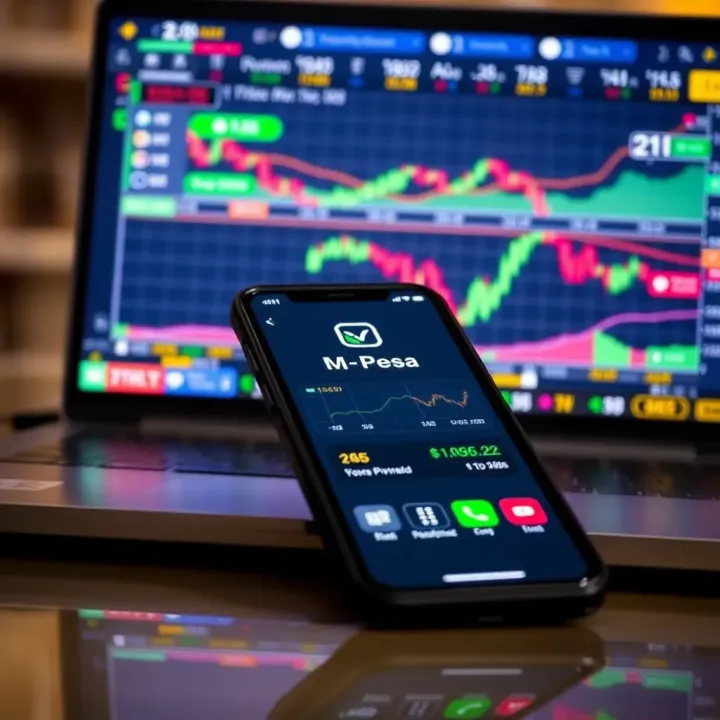
Using M-Pesa for deposits and withdrawals simplifies the process since it's widely used and trusted in Kenya. Many brokers now accept M-Pesa, allowing quick transfers without costly international fees. This convenience means you can fund your account or withdraw profits without visiting a bank or dealing with complicated paperwork.
While bank transfers and international payment cards (Visa, MasterCard) are also accepted by most brokers, they might involve longer processing times or higher charges. Depending on your bank, transfers could take several days, which may delay your trading plans.
Be mindful of processing times and fees when choosing your payment method. Some brokers charge a percentage fee for deposits or withdrawals, while others are free but slower. For example, funding via M-Pesa can be nearly instant with minimal fees, while international wire transfers may cost extra and take longer. Knowing these details upfront helps you manage your funds better.
Always verify your broker's payment options and charges before signing up to avoid surprises and ensure smooth transactions.
Selecting a reliable broker with good regulation, user-friendly platforms, proper account options, responsive support, and suitable payment methods is essential for successful forex trading in Kenya.
Opening and funding your forex trading account is a vital step before you can start trading in the currency markets. Without a properly set up and funded account, even the best strategies and research won’t help you place your trades or manage your investments. This process ensures your identity is verified, your funds are secure, and that you have access to the trading platform where you execute orders.
Submitting identification and KYC documents is a legal requirement in most regulated brokers. The Know Your Customer (KYC) process aims to prevent fraud, money laundering, and other illegal activities. Typically, you will need to upload a copy of your national ID or passport, proof of address such as a utility bill no older than three months, and sometimes a recent photograph. Completing KYC confirms your identity and protects your account from unauthorised use.
When you register, setting up secure login credentials comes next. Choose a strong password combining letters, numbers, and symbols to reduce the chance of your account getting hacked. Some brokers offer two-factor authentication (2FA), an extra layer that sends a verification code to your phone or email on each login. This step is particularly important considering the rising cybercrime cases. Keep your login details private and avoid saving passwords on shared devices.
Choosing a payment method that suits you is key. In Kenya, M-Pesa has become the most popular and convenient way for deposits and withdrawals due to its widespread availability and ease of use. Most brokers support M-Pesa alongside bank transfers and international cards like Visa or Mastercard. Remember to check the processing time; M-Pesa deposits usually reflect instantly, but international transfers can take a few days.
Minimum deposit considerations vary from broker to broker. Some offer accounts with as little as KSh 1,000, which is suitable for beginners testing the waters. However, investing more may provide access to better account features and tighter spreads. Be realistic about what you can comfortably invest without risking your daily expenses.
Before you can withdraw your earnings, verifying your account for withdrawals is necessary. This often involves submitting additional documents or confirming your payment method to comply with anti-money laundering laws. Brokers usually request a selfie holding your ID or a recent bank statement. Failing to verify promptly could delay your withdrawal requests, so it’s best to complete this step early.
Why starting with a demo account helps is simple: practice without risking real money. Demo accounts simulate live market conditions using virtual funds, allowing you to test different trading strategies and familiarise yourself with the trading platform. For example, if you want to trade the USD/KES pair during market hours, a demo lets you experiment before applying real money.
How to transition from demo to live trading is a common concern. It’s wise to move gradually, starting with small live trades to manage emotional responses like fear or greed, which don’t appear in demo environments. Set clear limits on losses and profits as you adjust. Also, continue using demo accounts occasionally to try new strategies without risk.
Opening and funding your account carefully helps build a solid foundation for trading. It protects you from scams, ensures compliance, and prepares you to trade with confidence.
Developing a clear trading strategy is key for forex traders in Kenya who want to trade effectively instead of relying on guesswork. Without a strategy, there’s a higher risk of emotional decisions that lead to losses. A good strategy gives structure, helps in managing risks, and improves chances of success by focusing on consistent, disciplined trading.
Technical analysis involves studying price charts and using indicators to spot trends, support and resistance levels, and potential entry or exit points. For example, Kenyan traders often use the Moving Average Convergence Divergence (MACD) or Relative Strength Index (RSI) indicators to identify when a currency might be overbought or oversold. These tools make it easier to decide when to buy or sell, especially since forex prices can be quite volatile.
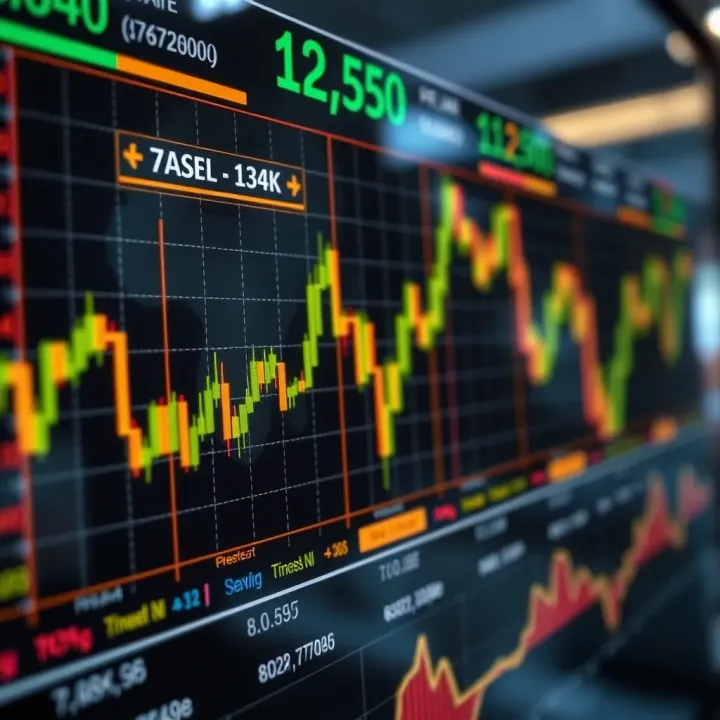
Charts provide the visual picture of price action over time—daily, hourly, or even minute-to-minute. By observing patterns like head and shoulders or double tops, a trader can anticipate possible market moves. Technical analysis is particularly useful for those who want to trade short-term and benefit from regular price swings.
Fundamental analysis looks beyond charts to factors such as economic reports, political events, and central bank policies that affect currency values. For instance, in Kenya, a trader might watch announcements from the US Federal Reserve or European Central Bank, as these impact major currency pairs like USD/KES or EUR/USD.
Economic indicators like GDP growth, inflation rates, and employment figures shape investor confidence. When Kenya’s inflation spikes or the CBK adjusts interest rates, the shilling’s value can shift. Staying informed about such news helps traders anticipate big market moves and avoid surprises.
Stop-loss orders automatically close a trade if the price moves unfavourably by a set amount, preventing bigger losses. For example, if you buy USD/KES at 110 and set a stop-loss at 108, your trade will close if the price drops to that level, limiting your loss.
Take-profit orders work the other way, closing a trade once the target profit is reached. Setting these orders before trading helps Kenyan traders control risk and avoid leaving decisions to chance, especially when they can’t monitor the market constantly.
Leverage allows traders to control larger positions with a smaller capital outlay, but it magnifies both gains and losses. Many Kenyan brokers offer leverage ranging from 1:50 to 1:200, but using high leverage without discipline can quickly wipe out your account. It’s safer to use moderate leverage, maybe around 1:20, until you build confidence.
Think of leverage like a borrowed matatu fare: it can speed up your journey, but if the route is rough, you risk falling off sooner.
Putting all your money on one trade or currency pair can be risky. Diversifying means spreading trades across several pairs or timeframes. For example, instead of just trading USD/KES, you might also watch EUR/USD or GBP/USD.
This approach helps cushion against sudden shocks in one market. If one pair drops sharply, profits or smaller losses from others can balance your overall results.
A trading journal is a simple but effective way to track every trade, including entry and exit points, reasons for the trade, and the result. Some Kenyan traders write down this info in notebooks or use spreadsheet templates.
This record helps spot which strategies work best and which decisions cost money. It adds accountability and encourages reflection rather than repeating costly mistakes.
Reviewing your journal regularly is where the real benefit lies. By analysing what led to good trades, you can replicate those conditions. Equally, understanding mistakes prevents repeating them.
For example, noticing that trades made after major economic announcements often fail might prompt you to avoid trading during such times. Over time, this disciplined approach sharpens your skills and improves results.
A solid strategy, tight risk management, and disciplined journaling form the backbone of successful forex trading in Kenya. Without these, you’re just gambling with your money.
Forex trading in Kenya requires more than just understanding charts and picking brokers. Local realities play a big role in shaping your experience and success. From reliable power and internet to recognising scams, these practical points can help keep you on the right path. Let’s look closely at some of the key tips that Kenyan traders need to know.
In Kenya, power outages are still fairly common, especially outside major cities. For forex traders, sudden blackouts can interrupt trades and lead to losses. Having a backup power source like a UPS (uninterruptible power supply) or a generator isn’t just a luxury; it's a necessity when you want to avoid missing crucial market moves. For example, if the long rains season causes flooding and power disruptions, those without backup may be caught off guard.
When it comes to internet, many Kenyan traders rely on mobile data from providers such as Safaricom, Airtel, or Telkom. Choosing a provider with strong coverage in your area is key. Slow or unstable internet can cause delays in executing trades. Some traders opt for fibre connections where available, especially in Nairobi and major towns, for more consistent speeds. It’s worth testing your connection during market hours to ensure you won’t face disruptions during important trading periods.
One big trap many new Kenyan traders fall into is dealing with scams and unregulated brokers. The Capital Markets Authority (CMA) licences brokers operating legally in Kenya. Trading with unlicensed brokers can lead to losing money with little recourse. Always check if the broker appears on the CMA's official list before opening an account. Remember, if an offer sounds too good to be true—like guaranteed profits or massive bonuses—be sceptical.
Another challenge traders face is managing their expectations. Forex is not a quick way to get rich. Overtrading—where a trader makes too many trades trying to catch every movement—often leads to burnout and losses. Developing discipline and sticking to a trading plan helps avoid rash decisions. For instance, setting a daily loss limit prevents jumping back in recklessly to try salvage losses, a mistake many beginners make.
Joining local forex communities or forums can be very helpful. Groups on platforms like Facebook or Telegram often share tips, warn against scams, or discuss strategies relevant to Kenyan traders. Being part of such networks allows you to learn from others' experiences and stay updated on local market developments.
Professional websites and courses tailored to forex trading provide structured learning. Institutions like the Nairobi Securities Exchange or specialised trainers offer courses that cover both basics and advanced strategies. Always look for courses with practical examples and positive reviews.
Finally, keeping an eye on Kenyan financial news is a must. Events like CBK interest rate decisions, budget announcements, or political developments such as elections can affect the forex market. Sources like Business Daily Kenya or The Standard provide timely updates that help you gauge market sentiment and fundamentals.
Staying practical by acknowledging Kenya's unique challenges—like power hiccups, internet issues, and local scams—can save you from costly mistakes and build a stronger foundation for your trading journey.
Practical preparation combined with ongoing learning ensures you're not just trading blindly but making savvy moves based on both global trends and local context.
📊 Discover how to read forex trading charts, identify patterns, and use technical indicators effectively to make smarter currency trades in Kenya’s market.
Explore top forex trading companies in Kenya 🇰🇪, learn about regulation, broker reliability, services, and key tips to pick the right one for you 📈💼.
Learn forex trading basics in Kenya 🇰🇪: market operation, key terms, trading strategies, risk management, and tools to start with confidence 💹💡.

📈 Discover the best hours for forex trading in Kenya! Learn how global sessions and local factors impact volatility and liquidity for smarter trades.
Based on 13 reviews