
Forex Chart Patterns Guide with Free PDF
Master forex chart patterns in Kenya 🇰🇪 with this essential guide! Spot key trends, boost your trading skills, and grab a free PDF for quick reference 💹📄
Edited By
Ethan Brooks
Forex trading has become a popular venture across Kenya, attracting everyone from seasoned investors to curious beginners. Its accessibility through online platforms and the ability to trade around the clock make forex appealing. That said, jumping in without a solid understanding can lead to costly mistakes.
This guide cuts through the noise to offer you clear, practical information on forex trading. You will learn how the foreign exchange market operates, fundamental strategies, and crucial risk management techniques. Plus, you will find out where to download trusted PDF guides for free—no need to dig through unreliable sources.

Kenyan traders benefit from a relatively stable shilling and access to a variety of forex brokers who comply with regulations from bodies like the Capital Markets Authority (CMA). Forex offers a way to diversify investments beyond the local stock market or real estate, with lower starting capital.
Financial technology growth, especially mobile money like M-Pesa, has simplified funding your trading account and withdrawing profits. Still, due diligence is essential—choosing a regulated broker and understanding market risks help protect your capital.
Currency Pairs: Trading involves exchanging one currency for another, like USD/KES or EUR/USD.
Leverage: Many brokers offer leverage, but using it carelessly can amplify losses.
Pips and Lots: Pips measure price changes; lots refer to trade size.
Technical vs Fundamental Analysis: Technical looks at charts, while fundamental examines economic indicators.
For Kenyan traders, access to reliable information matters a lot. Look for PDFs authored by credible institutions such as the CMA or globally recognised sources like Babypips. These guides often include step-by-step tutorials, examples from local markets, and tips on avoiding common pitfalls.
Downloading free forex trading PDFs from official or reputable sites gives you a solid foundation, helping avoid scams and misinformation.
Through this guide, you will know exactly how to get these resources and start your forex trading journey with confidence, putting knowledge first to manage risks and build success systematically.
Grasping the basics of forex trading is fundamental if you want to navigate this fast-moving market confidently. Understanding how forex operates helps you make wiser choices, whether you are trading for short-term gains or long-term investment. For instance, knowing what moves currency prices allows you to spot better opportunities and avoid costly mistakes.
Forex trading, also known as foreign exchange trading, involves buying and selling currencies against each other. The goal is to profit from changes in exchange rates. For example, if you believe the US dollar will rise against the Kenyan shilling, you might buy dollars and sell shillings to gain from the expected shift.
This market is the largest globally, with trillions of dollars exchanged daily, making it highly liquid and accessible to individual traders and institutions alike. Its continuous nature means traders can act on global events as they happen.
Currencies trade in pairs, such as USD/KES or EUR/USD. One currency is bought, and the other is sold simultaneously. If you go long on USD/KES, you buy US dollars and sell Kenyan shillings. On the other hand, going short means selling the first currency and buying the second.
Trading is mostly done over-the-counter (OTC), which means transactions occur directly between parties through electronic platforms, rather than a central exchange. This system allows for flexible trading hours and a wide range of currency options.
The forex market operates 24 hours a day because it follows the sun across different financial centres globally, from Sydney to London to New York. For Kenyan traders, this means you can trade anytime, day or night, fitting trading around your schedule.
Not all hours are equal though. Liquidity and volatility tend to peak during overlapping sessions, such as when London and New York markets are both open. It’s practical to focus your activity during these times to access tighter spreads and better prices.
Central banks like the Central Bank of Kenya influence forex markets by setting interest rates and intervening to stabilise the national currency. For example, if the Kenyan shilling weakens sharply, the central bank might step in to buy shillings and support its value.
Commercial banks act as major forex dealers, providing liquidity to the market and facilitating currency exchange for businesses and individuals. Their trades often reflect economic trends and can move large sums, impacting price directions.
Retail traders are individuals who participate in forex through online brokers. These brokers act as intermediaries, offering trading platforms and access to the forex market. Kenyan traders often choose brokers regulated in recognised jurisdictions to ensure safety and trust.
Brokers also provide leverage, which allows trading with more money than you have, increasing both potential gains and risks. It’s essential to understand broker terms and conditions clearly before trading.
Kenya’s financial institutions, including banks and licensed forex brokers, play a key role in connecting local traders to the global forex market. Platforms like M-Pesa make funding trading accounts simpler and faster compared to traditional banking.

Local institutions also provide education and support tailored to Kenyan traders, helping them understand market dynamics and regulatory compliance. For example, the Capital Markets Authority (CMA) oversees forex brokers to protect players from fraud and unfair practices.
Understanding these players and how they operate equips you with better control over your trades and helps you spot legitimate trading avenues within Kenya’s context, enhancing your chances for success.
Starting forex trading in Kenya requires a clear understanding of local market conditions and access to trusted platforms. The Kenyan forex scene has grown rapidly, which means more traders can participate from their phones or computers. However, new traders must begin on the right footing to avoid common pitfalls, such as choosing unreliable brokers or misunderstanding trading terms. This section helps you start trading confidently by focusing on practical steps suited for Kenyan traders.
A reputable broker is your bridge to the forex market, so choosing one carefully is critical. Look for brokers regulated by recognised authorities, such as the Capital Markets Authority (CMA) in Kenya or international regulators like the Financial Conduct Authority (FCA) in the UK. Regulation ensures brokers follow fair practices, protecting your funds.
Besides regulation, spreads—the difference between buying and selling prices—matter a lot. Narrow spreads reduce your trading costs, which matters especially if you trade frequently. Also, check the trading platform's usability and features. Platforms like MetaTrader 4 (MT4) or MetaTrader 5 (MT5) are common and widely supported in Kenya, offering a good mix of tools and reliability.
Several brokers are popular among Kenyan traders due to their local support and easy access. For instance, Plus500 and XM provide good platforms with user-friendly deposit and withdrawal options. HotForex also has a strong reputation and allows funding through various channels, including M-Pesa. These brokers support many currency pairs commonly traded by Kenyans and tend to offer competitive spreads.
Choosing a broker with good customer service that understands Kenyan market needs can make a big difference, especially when you run into technical or account issues.
M-Pesa has revolutionised payments in Kenya and makes funding your forex account straightforward. Most brokers now accept deposits and withdrawals via M-Pesa, enabling instant transfers between your mobile wallet and trading account without needing a bank.
To open an account, you typically register on the broker's website and complete a verification process by uploading identification documents. Once activated, select M-Pesa as your deposit method, enter the amount, and approve the transfer through your Safaricom SIM. The funds credit your trading account almost instantly, so you can start trading without delay.
Understanding key terms like pip, lot, leverage, and margin is essential before placing any trades. A pip is the smallest price move in a currency pair and usually equals 0.0001 for most pairs like USD/KES. A lot represents the trade size; a standard lot equals 100,000 units, but smaller sizes like mini or micro lots allow Kenyan traders to start with less capital.
Leverage lets you control a large position with a smaller amount of money by borrowing from the broker, for example, 1:100 leverage means you can trade KSh 100,000 with just KSh 1,000. But leverage increases both potential profits and losses, so use it cautiously. Margin is the money from your account required to open a leveraged position.
Kenyan traders focus on major pairs involving the US dollar, such as USD/KES, EUR/USD, and GBP/USD. The USD/KES pair is especially popular since the shilling’s performance directly affects Kenyan businesses and imports. Traders also watch pairs like USD/UGX or USD/TZS when considering regional trade impacts or diversification.
Familiarity with these common pairs allows traders to keep tabs on economic news, central bank announcements, and other factors that influence price movements locally and internationally.
Spreads are the main cost traders pay to brokers. For example, if USD/KES bid price is 110.00 and the ask price is 110.05, the spread is 5 pips. Brokers charge this difference upfront; narrower spreads save traders money.
Some brokers additionally charge commissions per trade, particularly if they offer very low spreads. It is important to understand these fees clearly to manage your trading costs effectively. Always check whether your broker’s charges fit your trading volume and style.
Starting your forex journey with the right broker and a solid grip on basic terms helps protect your investment and sets you on the path to becoming a confident trader in Kenya’s growing market.
Effective forex trading strategies help you make better decisions in a market that constantly changes. They guide when to enter or exit trades, manage risks, and interpret market signals. Without a clear strategy, trading can feel like guesswork, leading to losses. For instance, a trader relying only on gut feeling might miss key trends that a strategy based on charts and economic news would reveal. In Kenya, where market conditions can be influenced by local events and policies, having well-rounded strategies is especially helpful.
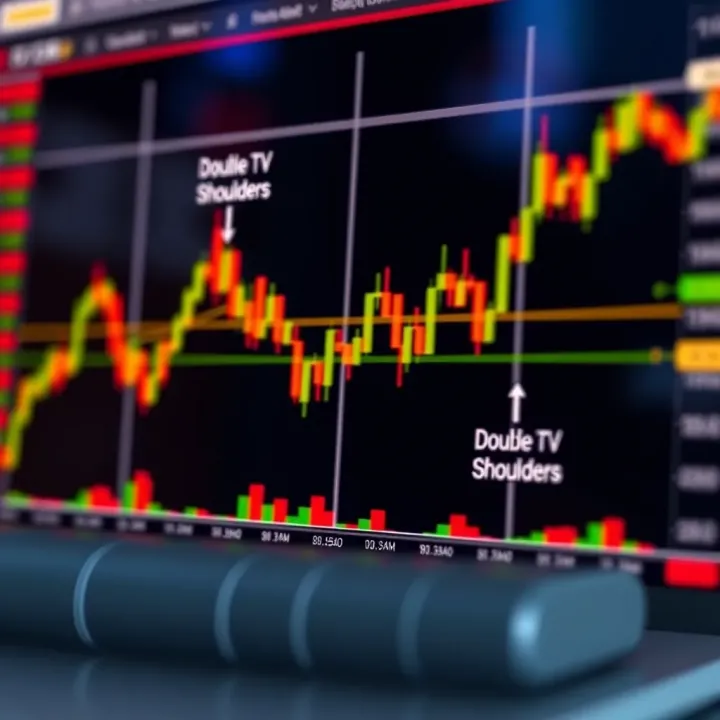
Reading charts and price patterns is the foundation of technical analysis. Traders study candlestick charts, line graphs, or bar charts to spot trends and reversals. For example, if you notice a "double top" pattern on the chart—a classic sign that the price might drop—it helps you prepare early to sell or avoid buying. Technical analysis is practical because it uses past price data to predict future moves, making it popular for short-term trading.
Popular technical indicators like Moving Averages, Relative Strength Index (RSI), and Bollinger Bands provide additional clues about potential price movements. For instance, if the RSI shows an overbought condition, it suggests the price might drop soon. These indicators help confirm what the charts are signalling, so you can trade with more confidence instead of acting on hunches alone.
Setting stop losses and take profits is vital for protecting your capital and locking gains. A stop loss order automatically closes a trade if the price moves against you by a set amount, limiting losses. On the flip side, a take profit order locks in profits once the price hits a target you set. This discipline prevents emotional decisions, such as holding onto losing trades hoping they’ll turn around or selling too early out of fear.
Economic news and indicators affect currency values significantly. Reports like inflation rates, interest rate decisions, and GDP growth tell you how strong or weak a country’s economy is, influencing its currency. Following news from Kenya’s Central Bank or global events like US Federal Reserve meetings helps predict market swings.
Kenyan economic factors like election periods, government budgets, or trade balance reports are especially relevant. For example, during election years, forex traders may see increased volatility due to political uncertainties in Kenya. Understanding these local factors helps you anticipate risks and find trading opportunities that outsiders might miss.
Using economic calendars effectively means tracking important economic events and their timings so you’re not caught off guard. Kenyan traders often use these calendars to plan trades around big releases such as the National Treasury’s budget statement or CBK’s rate announcements. By preparing in advance, you can avoid sharp price swings that catch many traders unaware.
Balancing technical and fundamental views strengthens your trading decisions. Technical analysis gives entry and exit points based on price action, while fundamental analysis explains why prices move. For example, charts might show a downturn, but if strong economic news supports a currency, combining both views helps you decide if the dip is a short-term reaction or a longer trend.
Adjusting strategies to market conditions means recognising when certain approaches work better. In quiet markets with low volatility, technical patterns might be less reliable, so you might rely more on fundamentals. During Kenyan trading hours, watch how news affects the market differently compared to quieter hours.
Avoiding common trading mistakes such as overtrading, ignoring stop losses, or chasing losses saves both nerves and money. Many beginners jump into multiple trades without a clear plan or ignore warning signs. Keeping a trading journal helps track successes and errors, so you learn and improve steadily instead of repeating the same mistakes.
The key to successful forex trading lies in combining proven strategies with discipline and continuous learning. No single method fits all situations, especially in markets as dynamic as forex.
Effective strategies help you stay focused and respond to market changes wisely, ultimately improving your chances to trade profitably.
In forex trading, managing risks is the backbone of protecting your investment. Without proper risk controls, even the best strategies can lead to heavy losses. This is especially true in volatile markets like forex, where price swings can be unpredictable. For Kenyan traders, applying risk management principles helps to preserve capital and build long-term success rather than chasing quick gains.
Setting appropriate position sizes is the first step in controlling risk. This means deciding how much of your total capital you're willing to risk on a single trade. For example, if you have KSh 100,000 in your trading account, many experts suggest risking no more than 1–2% per trade—KSh 1,000 to KSh 2,000. By limiting exposure in this way, you avoid wiping out your account from one bad trade. This approach also helps maintain emotional balance since big losses can be stressful and lead to poor decision-making.
Using stop-loss orders effectively is another practical tool for risk control. A stop-loss instructs your broker to close a position automatically when the price moves against you by a certain amount. For instance, if you buy the USD/KES pair at 110 and set a stop-loss at 108, your maximum loss is limited to those 2 Kenyan shillings per unit. This discipline prevents emotions from taking over, stopping big losses before they grow too large. Kenyan traders can place stop-loss orders easily on most online trading platforms, helping to protect investments during sudden market movements.
Understanding leverage risks is vital because leverage magnifies both profits and losses. Forex brokers often offer high leverage, sometimes up to 100:1 or more. While this might look attractive for boosting returns, it can quickly lead to heavy losses if the market moves against you. For example, using 50:1 leverage on KSh 10,000 means controlling KSh 500,000 worth of currency. A small adverse price change could wipe out your initial deposit and more. Kenyan traders should use leverage cautiously and ensure they fully understand how margin requirements work before committing funds.
Controlling emotions and avoiding greed is crucial in forex trading. It’s easy to get caught up in the excitement of winning streaks or the frustration of losses, which can lead to impulsive decisions like overtrading or holding losing positions too long. Sticking to your trading plan and risk limits helps prevent letting greed or fear dictate your moves. For example, if you win a few trades in a row, resist the urge to increase your position size impulsively – discipline over emotions preserves your capital.
Maintaining a trading journal is a simple yet powerful tool to build discipline. Writing down each trade’s entry and exit points, profit or loss, and the emotions felt before, during, and after the trade allows you to learn from past mistakes and successes. Over time, this record highlights where you might be making emotional errors or repeating unprofitable patterns. Kenyan traders find journaling useful to reflect and improve steadily rather than chasing quick wins without clear review.
Building patience and consistency helps set realistic expectations for forex trading. Success rarely comes overnight; it demands steady effort, learning, and adapting. Practising patience means waiting for high-probability setups instead of forcing trades out of boredom or frustration. Consistency in following your risk management rules and strategy, even during slow periods, lays the foundation for sustainable profits. Kenyan traders who cultivate these habits tend to avoid burnout and develop a more professional trading approach.
Protecting your forex investment starts with managing risks prudently and maintaining psychological discipline. Both work hand in hand to keep your trading journey sustainable and rewarding.
By mastering risk essentials and controlling your mindset, you build resilience needed to navigate the forex market confidently. Always remember, preserving your capital is the first step before aiming for profits.
Access to trustworthy forex trading PDFs can make a big difference in how effectively you learn and apply forex concepts. Reliable resources offer clear explanations, updated data, and practical insights specifically suited to your trading environment in Kenya. Without the right materials, traders risk relying on outdated or misleading information, which can lead to costly mistakes.
Government and educational sources often provide high-quality, well-researched forex materials because their purpose is to educate and protect consumers. For instance, the Capital Markets Authority (CMA) in Kenya sometimes shares investor education guides that include forex basics and risk warnings. Similarly, universities offering finance or economics courses may have freely accessible lecture notes and guides online. These sources are trusted due to their official status and focus on accuracy.
Reputable forex education sites play a major role in offering detailed PDF guides, tutorials, and strategy papers, often targeting beginners and intermediate traders. Sites like BabyPips, DailyFX, and Investopedia provide comprehensive yet digestible content, including downloadable PDFs. These resources often include practical examples and explanations of terms, indicators, and trading psychology which help you grasp forex trading fundamentals and advanced strategies without paid subscriptions.
Local forex forums and community groups in Kenya bring another dimension to learning through shared experiences. Platforms like KenyaForexForum or Facebook groups dedicated to Kenyan traders frequently share PDF resources among members. These communities focus on both global forex principles and locally relevant trading tips, such as handling KSh deposits via M-Pesa or broker choices popular in Kenya. The interactive aspect helps clarify doubts and offers real-time feedback.
Checking author credibility is vital to avoid misinformation. Always verify the author's background and experience in forex trading or finance. PDFs authored by recognised financial analysts, licensed brokers, or respected educators carry more weight than anonymous or poorly cited materials. Cross-check the content with multiple trusted sources for consistency and accuracy.
Practising with demo accounts after studying PDFs helps transform theory into real skills without risking your capital. Many brokers accessible in Kenya, such as Pepperstone or XM, offer demo accounts where you can simulate trades using virtual KSh funds. This hands-on practice reinforces concepts like technical analysis or risk management before moving to live accounts.
Updating knowledge regularly is important because forex markets constantly change with economic conditions and policy shifts. Relying solely on old PDFs limits your readiness for new trends or regulatory changes in Kenya and globally. Make it a habit to download updated PDFs from reputable sites, review your strategies, and stay alert using economic calendars and news feeds.
Reliable forex PDFs are more than just reading material; they form the foundation for confident, informed trading decisions. Using trustworthy sources together with practical learning will help you stay ahead in the Kenyan forex market.
In summary, look for government-backed and educational PDFs for solid basics, tap into reputable forex education sites for strategic insights, and engage with local forums for region-specific advice. Verify authorship, apply what you learn using demo accounts, and keep your knowledge fresh to trade smarter and safer.
Master forex chart patterns in Kenya 🇰🇪 with this essential guide! Spot key trends, boost your trading skills, and grab a free PDF for quick reference 💹📄

Discover how to use forex trading bots in Kenya🔍 Learn benefits, risks, legal tips⚖️ and practical strategies to improve your forex trading game🚀

Discover top forex trading classes in Kenya 🇰🇪 Learn practical skills, compare costs, and pick the best provider to boost your trading confidence today 📈
Explore the best forex brokers in Kenya 🇰🇪, learn about regulations, top picks, and tips to trade safely and confidently in the local market 💹
Based on 15 reviews