
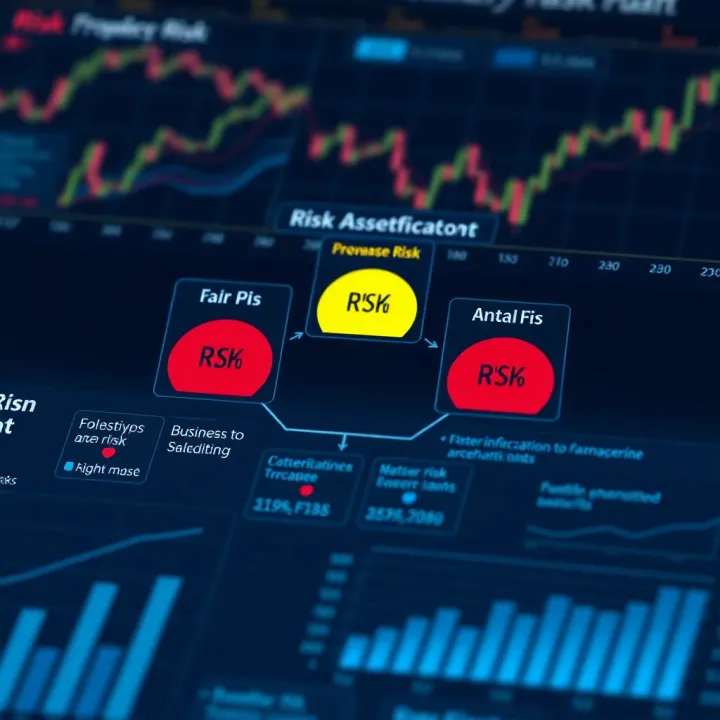
Understanding Risk Management: What It Means and How It Works
🔍 Explore risk management basics: learn how to identify, assess, and control business threats with practical tools to safeguard your capital and earnings.
Edited By
George Clarke
Risk management is not just a buzzword—it's a daily necessity for businesses, traders, investors, and analysts navigating Kenya's complex economic landscape. Whether you're running a small jua kali workshop in Nairobi, managing investments on the Nairobi Securities Exchange (NSE), or brokering deals in Mombasa, understanding how to manage risks matters.
At its core, the risk management process involves clear steps that help organisations spot potential dangers early, weigh their possible impacts, and decide how best to tackle them. Without these steps, risks can quietly erode profits, stall growth, or even threaten survival.

Successful risk management is about foresight and action, not guesswork.
Here’s what you need to keep in mind:
Identification: Pinpoint what risks could affect your business. This might be currency fluctuations impacting imports, unstable supply chains, or policy changes by Kenya Revenue Authority (KRA).
Assessment: Understand how likely a risk is to happen and how severe its impact could be. For example, how would a delay in matatu routes affect your delivery timelines?
Prioritisation: Not all risks carry the same weight. Focus on the ones that could cause significant damage or have high odds of occurring.
Response: Choose how you'll handle each risk — avoid it, reduce it, transfer it (insurance and contracts), or accept it.
Monitoring and Review: Risks evolve; so must your strategies. Keep checking your risk controls regularly and adjust to changing conditions like market trends or government regulations.
Each step forms a part of a cycle, ensuring continuous vigilance and adjustment. For traders and investors, this could mean regularly reviewing your portfolio's exposure to political unrest or commodity price swings. For educators and analysts, it’s about instilling a risk-aware culture that safeguards assets and reputations.
Understanding and applying these steps will help you build resilience, protect your investments, and make smarter decisions in the face of uncertainty.
Identifying potential risks is the first step every business must take to protect itself from unexpected losses and disruptions. For traders, investors, analysts, brokers, and educators alike, recognising what might go wrong early on helps in planning effective responses and maintaining steady operations. Skipping this step could mean exposing the organisation to avoidable problems or blind spots in the risk landscape.
Internal risks within business activities stem from within the organisation’s own processes, people, and systems. These include anything from equipment failure, staff turnover, miscommunication, to weak financial controls. For instance, a Nairobi-based tea exporter might face internal risks such as delays in packing due to machinery breakdown or errors in invoicing that affect cash flow. Spotting these internal issues early allows the business to address weaknesses before they escalate.
External risks from market or regulatory changes come from outside the business but can impact it heavily. Changes in government policies, such as new tax laws by the Kenya Revenue Authority (KRA) or sudden fluctuations in currency rates affecting import and export, are key examples. For a wheat miller in Eldoret, newly introduced trade tariffs could raise input costs unexpectedly. Being aware of such external factors helps organisations adapt pricing, procurement, or compliance measures in advance.
Tools and techniques for risk identification include structured methods like SWOT analysis (Strengths, Weaknesses, Opportunities, Threats), checklists, and scenario planning. Kenyan firms might use these along with sector-specific tools such as monitoring reports from the Kenya Bureau of Standards or Central Bank notices for financial risks. Digital tools that track news on supply disruptions or political events can also alert decision-makers about emerging threats.
Role of employees and management is vital since those within the organisation often spot risks others may miss. Workers on the ground, say a Mombasa harbour logistics staff, can report delays or safety issues early. Management provides a broader view, assessing how these risks affect strategy and resources. Including both groups in risk discussions encourages ownership and ensures timely responses.
Consulting customers and suppliers gives insight into external perspectives that affect operations. For example, a retailer like Naivas might discover through supplier feedback that a drought in Rift Valley will limit vegetable supplies. Customers’ complaints or satisfaction surveys may reveal product quality issues that pose reputational risks. These dialogues help businesses foresee troubles beyond their immediate control.
Using community insights in local Kenyan contexts means tapping into knowledge from local leaders, neighbours, or county officials. This is especially useful for businesses in smaller towns or those dependent on local resources. A small-scale farmer near Nakuru might learn about upcoming water rationing from county authorities, allowing preparation to avoid crop losses. Incorporating local intelligence strengthens risk awareness at grassroots level.
Effective risk identification combines practical observation within the organisation with external information from partners and community ties. It forms the backbone for balanced, informed risk management.
By taking comprehensive steps to identify risks internally and externally while involving all relevant people and groups, Kenyan businesses can better safeguard their futures in an unpredictable environment.

Evaluating and analysing risks is a vital step that helps organisations understand which threats could cause the biggest disruption to their operations. Without this assessment, resources may be wasted on minor concerns while ignoring potentially major risks. For Kenyan traders and investors, this means focusing on risks that could impact supply chains, finance, or market demand. A clear evaluation guides decision-making and prepares the business to face uncertainties more confidently.
Risk evaluation combines two main factors: impact and likelihood. Qualitative assessments rely on descriptive judgements based on experience or expert opinion. For instance, a small shopkeeper in Nairobi might judge flood risks during the long rains season purely on past events. Meanwhile, quantitative assessments use numbers and data. A bank analysing loan default risks will crunch figures such as repayment histories and current economic indicators to estimate losses in shillings.
Prioritising risks means ranking them by how serious the consequences would be if they occur. A risk with a high financial impact, like sudden currency depreciation, takes priority over smaller operational snags. This helps direct resources effectively, ensuring the most dangerous risks are managed first. For example, an exporter relying heavily on US dollars will prioritise currency fluctuations over local transport delays.
Decisions depend not only on how severe a risk is but also on its probability. Often, risks that happen rarely but cause huge damage need different management from frequent but minor risks. An agribusiness might accept the occasional drought risk but not frequent pest infestations. Balancing these elements ensures realistic and relevant risk management strategies.
Risk matrices are simple tools that plot risk likelihood against impact, creating a visual grid that shows which risks demand urgent attention. For example, a Nairobi-based manufacturer might use a matrix to highlight power outages as high-likelihood and high-impact risk, prompting investment in backup generators.
Heat maps add colour coding to the matrix, making prioritisation clearer at a glance. Bright reds mark critical areas, while greens indicate safer zones. This visual aid speeds up decision-making and helps present risk findings simply to stakeholders.
Integrating local economic and social factors is crucial. Factors such as consumer behaviour shifts during election seasons, inflation rates, or infrastructure challenges in counties directly influence the significance of specific risks. For instance, a courier business operating in Mombasa must consider road conditions and port delays when ranking logistical risks. Ignoring such context leads to blind spots and ineffective risk responses.
A practical risk analysis takes local realities into account — this keeps the approach relevant and actionable in Kenya's varied business environment.
By effectively evaluating and analysing risks, traders, investors, and analysts can focus efforts where they matter most, improving resilience and enabling better-informed strategies for growth and stability.
Planning and implementing risk responses is a vital step in managing uncertainties that threaten an organisation’s goals and operations. Once risks have been identified and analysed, businesses must decide how to handle them effectively. This ensures that potential problems do not disrupt activities or cause financial losses. In the Kenyan context, where market conditions can be volatile and economic shifts sudden, having a clear plan for risk responses can make the difference between bouncing back quickly or facing prolonged setbacks.
The main ways to treat risks include avoidance, reduction, transfer, and acceptance. Avoidance means steering clear of the risk entirely by changing plans or actions; for example, a company might decide not to enter a market with unstable regulations. Reduction involves steps to lower the likelihood or impact of a risk, such as installing security systems to prevent theft. Transferring risk typically means sharing it with another party, mainly through insurance or outsourcing. Finally, acceptance is when an organisation acknowledges the risk but decides the cost or impact is manageable enough to carry on without extra measures.
In Kenyan sectors like agriculture, many farmers buy crop insurance to transfer risks related to weather or pests. Jua kali artisans might opt for risk reduction by investing in quality tools that last longer instead of cheaper, unreliable ones. On the other hand, some small businesses in informal setups accept minor risks because the cost of mitigation outweighs potential losses.
Balancing the cost of these options against the possible impact of risks is key. It does no good to spend KSh 500,000 on insurance premiums when the potential loss is around KSh 50,000, unless other factors, like peace of mind or regulatory requirements, guide the decision. Kenyan companies must weigh operational budgets, risk likelihood, and business priorities carefully before choosing the right treatment.
Assigning clear responsibilities ensures accountability. When every team member knows their role in managing risks, the response is faster and better coordinated. For instance, a finance manager might handle insurance claims, while the operations team implements safety improvements on-site.
Setting timelines and milestones helps organisations track progress and stay on course. Without deadlines, action plans tend to stall, leaving risks unmanaged. Kenyan firms often find it useful to link milestones with quarter reports or financial cycles to integrate risk management into overall business reviews.
Ensuring resources and training availability is just as critical. A response plan fails if teams lack tools, budget, or skills to execute it properly. For example, a company planning to reduce computer security risks must invest not only in software but also in training staff to recognise phishing scams. This approach prevents gaps in implementation that could nullify mitigation efforts.
A well-crafted risk response plan turns uncertainties into manageable challenges, helping Kenyan businesses stay resilient, competitive, and ready for change.
By carefully choosing treatment options and developing practical, clear risk response plans, organisations can protect their operations and ensure long-term success amid Kenya’s evolving economic and regulatory environment.
Monitoring and reviewing risks is a vital step that ensures risk management remains effective over time. Without ongoing oversight, even the best-planned measures can lose touch with reality, leaving businesses exposed to threats that could have been controlled. This stage keeps organisations alert to changes, allowing adjustment before minor challenges escalate into bigger problems. For Kenyan traders and investors, staying on top of risk performance helps maintain confidence and protects investments.
Key risk indicators are measurable signals used to flag potential problems early. They act like warning lights showing when a risk is moving from acceptable levels toward danger. For example, a Kenyan exporter might track currency fluctuations as a KRI since sudden changes in the US dollar to Kenyan shilling exchange rate affect profitability. Monitoring these indicators allows swift action before losses mount.
Consistent reporting means risks and their impacts get recorded and communicated clearly. This keeps everyone involved aware and accountable. In practice, a Nairobi-based manufacturing firm might prepare monthly risk reports detailing supply chain delays or equipment faults. Documenting incidents allows for reviewing trends and developing solutions tailored to recurring challenges.
The value of monitoring lies in using new information to improve responses. If KRIs show a growing threat or past controls weren’t effective, it’s time to revise plans. Consider a local bank that finds fraud attempts rising; it might update security protocols swiftly on this feedback. Keeping risk management dynamic rather than static builds resilience to sudden shifts in market or operational conditions.
Every incident, whether major or minor, offers insight. Analysing causes helps avoid the same mistakes in future. For instance, if a small retailer in Mombasa faces theft that disrupts sales, reviewing what went wrong and addressing security gaps benefits future operations. Capturing lessons ensures risk knowledge grows rather than stagnates.
Risks don’t stay fixed; new threats emerge because of changes in technology, regulations, or markets. Kenyan businesses must remain open to spotting these early. A digital payment startup might face a cyberattack risk not previously considered. Adding new risks into the process keeps management relevant and comprehensive.
Kenya’s economy continually adjusts due to factors like weather patterns, political shifts, or international trade dynamics. Risk approaches must adapt similarly. During drought seasons, agribusinesses might ramp up water-saving practices as part of risk management. Meanwhile, a company trading across East Africa must adjust for new EAC trade rules. Being flexible means staying ahead of threats rooted in evolving conditions.
Monitoring and reviewing transform risk management from a set-and-forget exercise to an active shield guarding your enterprise. It’s about reading signs, learning fast, and refining your approach continually.
This ongoing focus helps Kenyan traders, investors, and analysts not only survive uncertainties but also seize opportunities with greater assurance.
🔍 Explore risk management basics: learn how to identify, assess, and control business threats with practical tools to safeguard your capital and earnings.

Learn practical strategies for credit risk management in Kenyan banks 📊 Identify, assess, and reduce risks while ensuring financial stability and safety.
📉 Master practical forex risk management strategies to safeguard your investments, navigate market swings, and make smarter trading decisions in Kenya.

🔍 Explore how Enterprise Risk Management (ERM) helps Kenyan businesses identify, assess, and manage risks effectively for stronger growth and stability.
Based on 6 reviews