

Understanding Risk Management Basics
Explore practical risk management strategies and assessment insights to navigate challenges and boost safety across sectors. 📊🛡️
Edited By
Charlotte Greene
Risk management is a key part of running any business, especially in Kenya where uncertainties can come from various fronts. From fluctuating foreign exchange rates affecting importers to delays in delivery caused by roadblocks or bad weather during the long rains, businesses face risks every day. Managing these risks properly helps companies protect themselves from surprises that can hit their profits and operations.
Understanding the basics of risk management means knowing the types of risks your business might encounter, how to identify them early, and having a plan to mitigate their impact. These risks include financial risks like currency fluctuations and bad debts, operational risks such as equipment breakdown or supply chain interruptions, and compliance risks related to changing government regulations or tax laws.
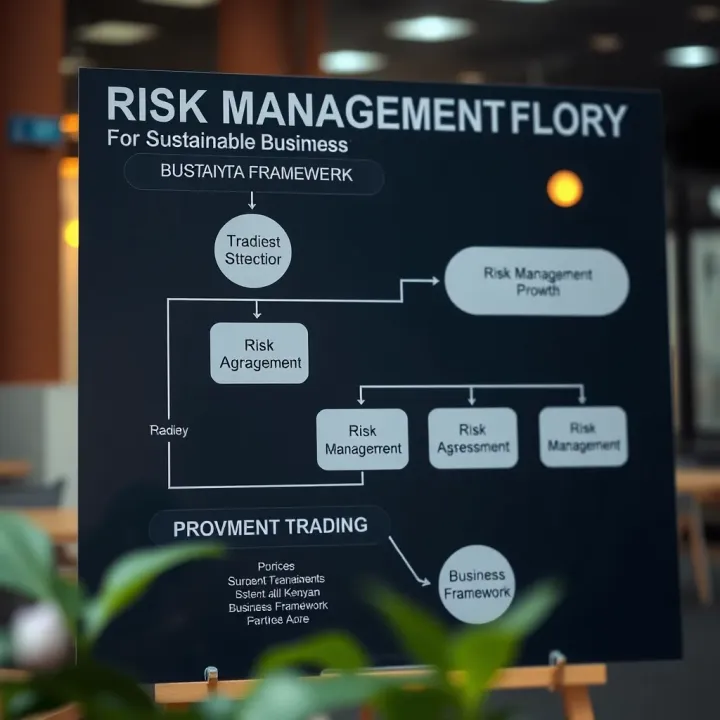
Taking a practical approach, many Kenyan businesses use simple tools like risk registers—lists of potential risks ranked by likelihood and impact—and regular reviews during team meetings. For example, a Nairobi-based retailer might note the risk of power outages affecting their point-of-sale system and plan for backup generators or alternative payment options like mobile money (M-Pesa).
Effective risk management isn't just about avoiding losses but also about enabling sustainable growth and confidence among customers, partners, and investors.
With rising digitalisation, technology like data analytics and cloud computing is increasingly helping Kenyan firms foresee risks better and respond faster. At the same time, staying updated with regulatory bodies such as the Capital Markets Authority (CMA) and Kenya Revenue Authority (KRA) ensures compliance-related risks are managed.
In a nutshell, risk management involves:
Spotting potential threats to business
Measuring how likely and damaging these threats could be
Making practical plans to reduce or transfer those risks
As you go through this article, consider how these principles apply to your sector—be it retail, manufacturing, finance, or service industries—and start seeing risk not just as a threat but a part of you managing your business smarter.
Risk management is the process of identifying, assessing, and controlling threats that could affect a business’s ability to operate and meet its goals. In the Kenyan business context, understanding these basics is vital because many enterprises face unique challenges like fluctuating market prices, regulatory changes, and infrastructural gaps. Being clear about what risk management involves helps businesses prepare better, avoid shocks, and make decisions that keep them afloat.
At its core, risk management is about spotting possible problems before they happen and planning ways to keep those problems from hurting the business. This involves continuously scanning both the internal and external environment for anything that could disrupt work or reduce profits, from supplier delays to sudden changes in tax rules. For instance, a small manufacturing firm in Nairobi might notice the rising cost of raw materials due to forex fluctuations and plan ahead by securing fixed-price contracts or sourcing from local suppliers to mitigate that risk.
Risk management is not just about preventing loss but also about understanding which risks are worth taking to grow. This balance between caution and opportunity allows businesses to operate confidently, knowing they have strategies to manage downsides while chasing expansion.
Kenyan businesses often operate in an environment marked by unpredictability. Political shifts around election times can cause market unease, regulatory updates by bodies like the Kenya Revenue Authority (KRA) may affect taxation, and external shocks like drought impact supply chains, notably for agribusinesses. Without a risk management framework, businesses can suffer heavy losses or even closure.
Moreover, risk management helps businesses build trust with partners, investors, and customers by showing that they understand their environment and have plans to manage potential issues. For example, a Nairobi-based fintech startup backing its systems with cybersecurity protocols reassures clients about data safety, attracting more users.
In summary, investing time and resources into risk management can save a business from unexpected costs, improve decision-making, and support more stable long-term growth in Kenya’s fast-changing market. Understanding these fundamentals empowers business owners and decision-makers to steer clear of pitfalls and make informed choices with confidence.
Effective risk management in Kenyan businesses is about spotting challenges early, planning responses, and balancing risk with opportunity, all while navigating a dynamic local environment.
Identify risks early by reviewing daily operations and external factors.
Assess each risk's impact and likelihood to prioritise focus.
Implement measures like contracts, insurance, or technology to manage risks.
Keep monitoring to adjust plans as conditions change.
This approach equips traders, investors, analysts, brokers, and educators with practical tools to protect and grow their Kenyan ventures.
Kenyan businesses face a range of risks that can affect their operations, revenue, and reputation. Understanding common types of risks is essential for traders, investors, analysts, and brokers to prepare effective strategies and protect their interests. This section breaks down financial, operational, regulatory, and reputational risks with practical examples relevant to Kenya's business environment.
Financial risks involve potential losses linked to cash flow, credit, interest rates, or market fluctuations. For example, a small-scale exporter in Mombasa might lose income if global tea prices drop suddenly or due to currency fluctuations between the shilling and the dollar. Market risks also cover competition changes—say, a new supermarket chain offering lower prices could undercut an established retailer’s sales. Kenyan businesses relying on loans need to consider interest rate risks following Central Bank of Kenya (CBK) rate changes, which can increase borrowing costs unexpectedly.
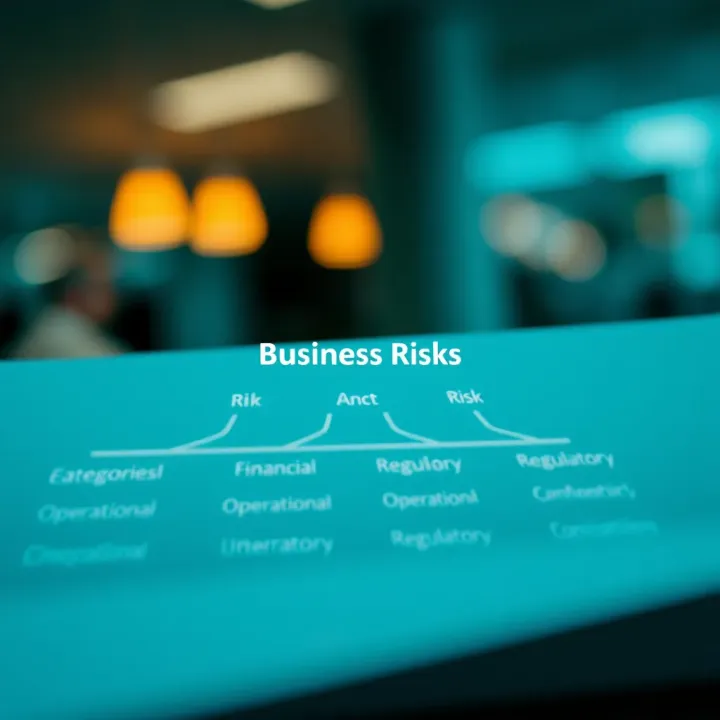
Operational risks come from internal processes or people, including machinery breakdown or poor management. A popular Nairobi factory may face delays if production equipment fails or if its key supplier in Thika experiences transport strikes, causing supply chain disruptions. Supply chain risks have grown since Covid-19, showing how external events like transport restrictions or border closures impact inventory availability. It's vital for businesses to plan alternatives, such as identifying backup suppliers or keeping buffer stock.
Kenyan businesses must navigate laws set by bodies like the Kenya Revenue Authority (KRA), Capital Markets Authority (CMA), and sector regulators. Failure to comply with tax rules or labour laws can result in penalties or license revocation, affecting operations and finances. For instance, a tech startup may face compliance risks when handling personal data under Kenya’s Data Protection Act. Understanding regulatory changes—such as new import tariffs or consumer protection laws—is necessary to stay compliant and avoid costly disputes.
Trust is critical in business. A single incident can harm a company’s reputation. For example, a bank experiencing a data breach risks losing clients’ confidence, leading to withdrawals and revenue loss. Cybersecurity risks are on the rise due to increased digital transactions and M-Pesa usage. SMEs using online platforms like Jumia or digital accounting systems must invest in cybersecurity measures like firewalls and employee training to fend off attacks. Reputational damage can also arise from product quality issues or poor customer service, which directly affects sales and partnerships.
Being aware of these risks helps Kenyan businesses to craft realistic plans that reduce harm and seize opportunities amid uncertainty. Practical risk management allows smoother operations, better resource allocation, and stronger resilience against shocks.
Understanding these common risk types sets the foundation for assessing and managing them well throughout the business lifecycle.
Knowing your risks is the first step to managing them well. For Kenyan traders, investors, analysts, brokers, and educators, identifying and assessing risks means spotting the challenges before they affect business or investments. When risks are clear, decisions become smarter and businesses prepare better for shocks like market swings, supply problems, or regulatory changes.
Risk checklists serve as a straightforward way to spot common threats quickly. These lists can be tailored to Kenyan industries—such as agriculture, manufacturing, or finance—to include local risks like fluctuating export prices or currency shifts. For example, a coffee exporter might use a checklist to confirm risks linked to changes in weather, transport delays, or M-Pesa payment failures. Using checklists ensures no obvious risk gets left out during routine reviews.
Interviews and surveys gather insights directly from stakeholders—from employees on the ground to customers and suppliers. A Nairobi-based retail chain, for example, could interview shop managers to learn about theft risks or unreliable suppliers. Surveys can capture wider experiences, revealing emerging issues like cyber threats or market competition. This direct dialogue often surfaces risks not obvious on paper and creates a richer understanding across the business.
Historical data analysis involves looking back at past events to understand the frequency and impact of certain risks. A farmer tracking crop yields against rainfall patterns over years can predict drought risks better. Similarly, a broker reviewing past market downturns might identify warning signs for future investment risks. Using actual records makes risk identification grounded and fact-based rather than guesswork.
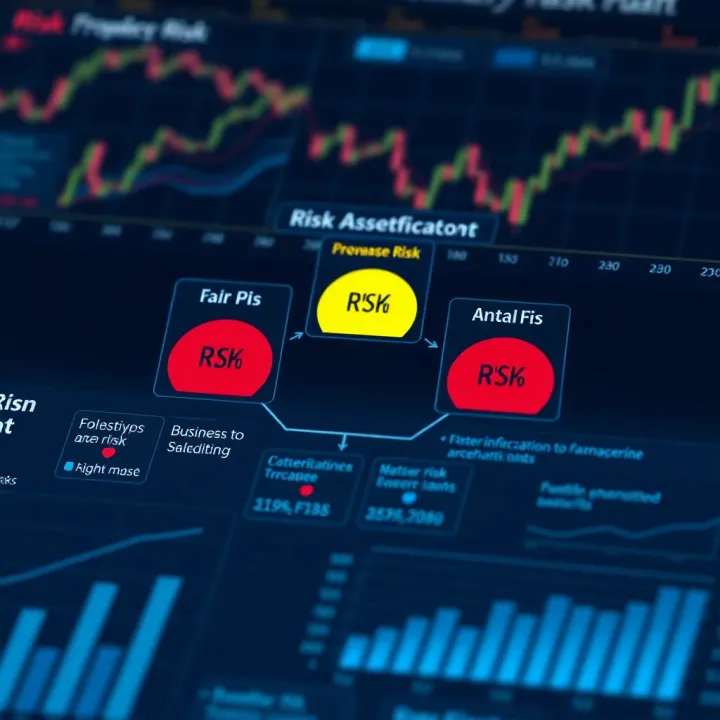
Risk matrices help visualise risks by plotting their likelihood against potential impact. This tool allows traders and analysts to see at a glance which risks need urgent attention and which can be monitored. For instance, high-probability, high-impact risks—like sudden fuel price hikes affecting transport costs—demand quick action, while low probability, low impact risks might just require watchful eyes.
Quantitative and qualitative assessment combine numbers and judgement to measure risks effectively. Quantitative methods might involve calculating potential financial losses due to currency fluctuations or stock market dips. Qualitative assessment captures factors harder to measure, such as reputational damage from a social media incident. Together, they provide a balanced view helping investors and brokers to choose suitable responses.
Prioritising risks means focusing on the threats that could cause the most harm first. In Kenya's busy business landscape, resources are often limited, so it doesn’t make sense to spread efforts thinly. Prioritisation allows a company to allocate funds or time to manage risks that affect cash flow, regulatory compliance, or safety before less critical issues. This approach enhances resilience and keeps operations running smoothly.
Without clear identification and proper assessment, businesses risk flying blind. Taking time to understand where threats lie improves your ability to protect investments and grow sustainably in the Kenyan market.
Managing risks effectively helps Kenyan businesses stay afloat amid uncertainties. Instead of waiting for problems to surface, having clear strategies in place can reduce losses, sustain operations, and even create opportunities. Practical risk management involves a mix of avoiding, transferring, or accepting risks based on what makes sense financially and operationally.
Avoidance means steering clear of activities that bring high risks. For example, a small exporter in Mombasa might avoid markets with unstable currency fluctuations or political unrest. Reducing risks, on the other hand, entails making steps to lower the chance or impact of risks. Installing CCTV cameras and hiring security at a Nairobi retail shop reduces the risk of theft. Similarly, regular maintenance of delivery trucks cuts down operational breakdowns.
Both approaches help protect resources but require clear understanding since avoidance could limit growth, while reduction may involve upfront costs. Businesses must balance risk appetite with potential gains.
Insurance is one of the most common ways to transfer risk. Kenyan businesses rely on it to shield themselves from losses due to fire, theft, accidents, or even loss of income. For example, a boda boda operator might have motor insurance to cover damages or injuries resulting from crashes. Larger firms often take comprehensive cover with insurers like Jubilee or Britam to protect assets and liabilities.
While insurance doesn’t eliminate risk, it shifts financial burdens to the insurer, making unexpected costs more manageable. However, policies must be chosen wisely to match actual exposures and avoid costly gaps.
Another way to handle risk is by outsourcing certain functions or forming partnerships. Instead of owning and managing a fleet of vehicles, a business might hire a third-party logistics provider. This reduces risks linked to vehicle maintenance, driver management, and liability.
Similarly, joint ventures share the risk between partners, spreading financial commitments and operational duties. For instance, a Kenyan agribusiness might partner with a processing company to share costs and risks related to raw material price swings.
Not all risks can or should be avoided. Businesses need to decide how much risk they can tolerate. This means defining acceptable risk levels aligned with financial strength and strategic goals. A small shop may accept the risk of occasional power outages because investing heavily in backup systems is not cost-effective.
Establishing these boundaries helps focus efforts where risks are critical and avoids wasting resources on minor exposures.
Risks evolve, so continuous monitoring is vital to spot changes early. Tools like regular audits, real-time financial reporting, and market trend analysis inform adjustments. This allows businesses to respond quickly, whether by tightening controls or changing tactics.
For example, a real estate firm tracking interest rate movements can adjust mortgage offerings accordingly. Similarly, technology firms monitor cybersecurity threats daily to prevent breaches.
Implementing these strategies builds resilience and equips Kenyan businesses to handle future uncertainties confidently, turning potential threats into manageable challenges.
Managing risk in Kenyan businesses doesn’t happen in isolation; it is shaped heavily by regulation and technology. These two factors guide how businesses detect, evaluate, and respond to risks, ensuring smoother operations and compliance with legal standards. Understanding this role helps Kenyan traders, investors, and analysts plan better and avoid costly mistakes.
Kenya's regulatory environment is primarily influenced by bodies like the Capital Markets Authority (CMA), Kenya Revenue Authority (KRA), and the Central Bank of Kenya (CBK). Each plays a distinct role in safeguarding the market and protecting businesses from financial and compliance risks.
The CMA oversees securities trading and investment firms, enforcing rules that protect investors and ensure transparency. KRA manages tax collection and compliance, which impacts businesses’ financial stability directly since tax failures can lead to penalties or business shutdowns. CBK regulates banking institutions, keeping the financial sector stable and customers’ deposits secure.
Compliance requirements are quite specific under these regulators. For instance, companies listed on the Nairobi Securities Exchange (NSE) must submit periodic financial reports following CMA guidelines. Similarly, all businesses must file accurate tax returns through KRA’s iTax system to avoid audit risks and fines. The CBK enforces anti-money laundering measures that banks and financial institutions must apply, mitigating fraud and reputational risks.
Failing to comply not only invites heavy penalties but can also damage business credibility, making access to loans or partnerships harder. Therefore, understanding regulatory obligations is part of managing business risks effectively.
Technology offers Kenyan businesses practical tools to handle risk better. Risk management software, for example, helps companies systematically identify, assess, and document risks. These platforms support scenario analysis, helping businesses visualise potential impacts and prepare response plans. Tools like SAP Risk Management or local solutions tailored for East African markets enable real-time monitoring and reporting, improving decision-making speed.
Data analytics and early warning systems play a vital role too. Kenyan firms can harness data from sales, customer feedback, or even weather patterns affecting supply chains to spot risks early. For instance, predictive analytics can warn agribusinesses of drought trends, allowing timely adjustments. Financial institutions use these systems to detect unusual transactions, preventing fraud or defaults.
Leveraging technology doesn’t just save time; it reduces human error and provides a clearer picture of risk exposure, helping Kenyan businesses safeguard their investments and operations.
In summary, effective risk management in Kenya requires firms to navigate regulatory structures carefully while adopting technology tools to stay ahead of risks. Combining both aspects gives businesses the edge to grow confidently amid uncertainties.
Explore practical risk management strategies and assessment insights to navigate challenges and boost safety across sectors. 📊🛡️

Learn the essentials of financial risk management 📊. Explore key concepts, frameworks, and tools to identify and manage risks effectively in business.
🔍 Explore risk management basics: learn how to identify, assess, and control business threats with practical tools to safeguard your capital and earnings.

🔍 Understand financial risk management in Kenya: learn strategies to identify, assess, and control risks affecting your business’s financial health effectively.
Based on 5 reviews