
Understanding Risk Management Objectives
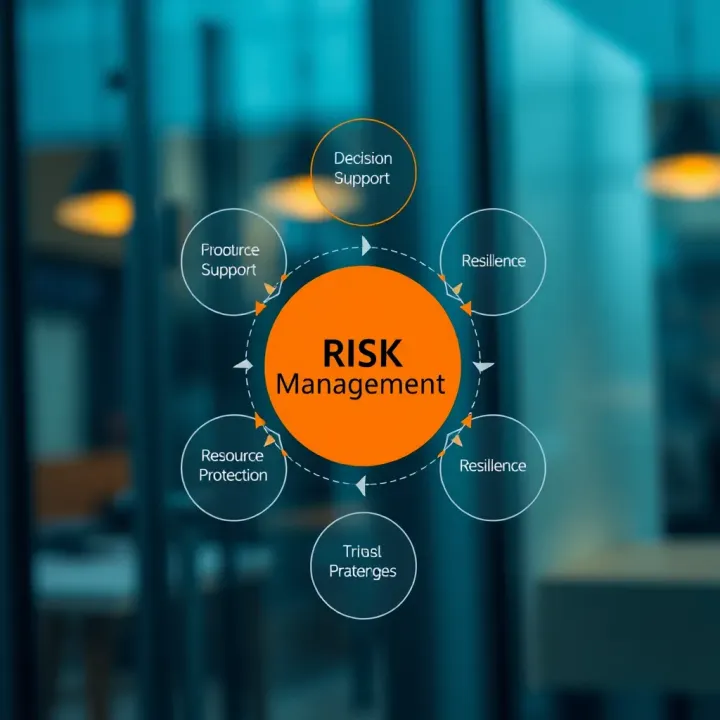
📊 Understand how risk management helps Kenyan businesses and public sectors secure resources, guide decisions, and build resilience against threats to their goals.
Edited By
Liam Carter
Insurance and risk management are two sides of the same coin, helping individuals and businesses handle uncertainties that can otherwise throw their finances off balance. While the terms might sound like industry jargon, they boil down to simple ideas: figuring out potential problems and figuring out ways to protect yourself against them.
Risk here means any future event that could cause a financial loss, like a car accident, a business interruption, or even illness. Recognizing these risks early is the first step — imagine a trader noticing market volatility as a risk to their portfolio. Once identified, you assess how likely each risk is and what damage it could cause.

That’s where insurance steps in. It acts as a safety net by transferring risk from you to an insurer. For example, an investor can buy stock market insurance or hedging products to protect against sharp losses. Businesses often use property, liability, or business interruption insurance to guard against unexpected setbacks.
Managing risk doesn’t stop at insurance. Methods include:
Risk avoidance: Steering clear of activities with low reward but high risk.
Risk reduction: Taking steps like installing security systems to lower chances of loss.
Risk retention: Accepting a certain level of risk when the cost of insurance outweighs the potential loss.
Smart risk management mixes these strategies based on the situation and cost-effectiveness, not just blindly buying insurance.
Understanding insurance policies can be tricky. Factors such as coverage limits, deductibles, and exclusions impact how well a policy protects you. Knowing these details matters, whether you’re an analyst assessing corporate risk or a broker advising clients.
The bottom line is that mastering insurance and risk management equips you to shield your assets, ensure business continuity, and make better financial decisions. Recognizing which risks to tackle, transfer, or absorb can save you from costly surprises down the road.
Understanding how insurance fits into risk management is key for anyone dealing with financial decisions, whether you're a trader, investor, or analyst. This section breaks down how risk management identifies and handles threats, and then shows where insurance steps in as a practical tool for mitigating those risks.
Risk management is the process of spotting potential problems before they happen and figuring out ways to handle them if they do. Its main goals are to reduce financial loss, keep operations running smoothly, and protect assets. For example, an investor might use risk management to avoid putting all their money in one stock, thus reducing vulnerability to a single company’s poor performance.
Identifying and assessing risks means listing all the possible ways things could go wrong and figuring out how likely and severe each risk is. Imagine a business reviewing threats like cyberattacks, supply chain interruptions, or shifts in market demand. This step helps prioritize which issues need immediate attention and which can be monitored.
Risk prioritization ranks these threats by how much impact they would have and how probable they are. This helps decision-makers focus resources on the most serious risks. For instance, if an analyst finds that a sudden interest rate hike could drastically affect a portfolio, that risk gets prioritized over minor currency fluctuations.
Insurance works as a risk transfer tool. Instead of bearing a heavy financial burden after an unexpected event—say a fire damaging a warehouse—a company buys insurance to shift that risk to an insurer. It’s like paying a smaller, predictable cost now (premium) to avoid a large, uncertain one later.
But not all risks get transferred; some are retained. Risk retention means accepting the loss yourself. For example, a firm might choose higher insurance deductibles to save on premiums, deciding to cover small losses out-of-pocket while transferring bigger risks to the insurer. This balance between what you keep and what you transfer affects your overall financial strategy.
Insurance offers solid financial protection by covering costs that would otherwise hit your bottom line hard. Health insurance, for example, prevents medical bills from wiping out savings. In the investment world, insurance products like credit default swaps protect against borrower defaults. Without such protection, risking wild swings in finances becomes a much bigger gamble.
The bottom line is that insurance doesn’t eliminate risk; it manages the financial consequences, letting individuals and businesses focus on growth without fear of catastrophic losses.
By understanding how insurance fits into your broader risk management plan, you make smarter choices about which risks to accept and which to transfer. This clarity is especially useful in high-stakes environments where financial stability depends on preparing for the unpredictable.
Insurance serves as a key tool to manage various risks faced by individuals and businesses. Understanding the types of risks covered helps you pick the right policies to shield yourself or your company from financial shocks. These risks fall into two broad categories: personal and business-related. Each comes with unique exposures, requiring distinct insurance solutions.
Health and life risks involve the chance of facing medical emergencies, chronic illnesses, or death, which can bring sudden and severe financial burdens. Health insurance helps cover medical bills ranging from doctor's visits to hospital stays, often absorbing unexpected expenses that can otherwise drain savings. Life insurance, whether term or whole life, provides financial support to dependents after the insured individual passes away, ensuring stability during a difficult time.

For example, a freelance graphic designer who suddenly faces a serious illness can rely on health insurance to handle treatment costs, while life insurance can safeguard their family's financial future if the worst happens.
Property and casualty risks protect against damage or loss to physical assets like homes, cars, or personal belongings. Homeowners insurance, for instance, can cover repairs after a fire or theft, while auto insurance handles vehicle damage from accidents. These policies help avoid substantial out-of-pocket costs that can arise from everyday mishaps or disasters.
Imagine a renter dealing with a burst water pipe that floods their apartment. Renters insurance may cover the damage to their possessions, saving them from a costly replacement.
Operational risks relate to disruptions in a company's day-to-day activities. This can result from equipment failures, supply chain interruptions, or employee issues. Business interruption insurance can provide compensation for lost income during such events, helping businesses stay afloat until operations resume.
A local bakery facing a kitchen fire might close temporarily. Insurance covering operational risks would help replace income lost during closure and cover repair expenses.
Liability risks arise when a business is held responsible for injuries or damages caused to third parties. General liability insurance protects businesses from lawsuits due to bodily injury, property damage, or advertising mistakes. Professional liability (errors and omissions) insurance guards against claims of negligence or inadequate work.
For example, a consulting firm providing advice could face claims if clients experience financial loss due to errors. Having professional liability insurance means the firm isn’t on the hook for all costs alone.
Financial risks in business cover threats linked to money management, such as credit defaults, currency fluctuations, or market volatility. Credit insurance can protect businesses from customers defaulting on payments, while hedging strategies might be used outside traditional insurance to handle currency or commodity risks.
A tech startup with international clients might use credit insurance to secure cash flow if overseas customers delay payments. This helps maintain steady operations despite market uncertainties.
Knowing which risks your situation exposes you to is half the battle. Picking insurance that matches those risks ensures you’re not left in the lurch when trouble hits.
Insurance products form the backbone of financial risk management. They serve as tools to protect individuals and businesses from sudden, often costly events that could otherwise derail financial stability. Understanding how these key insurance types work helps investors and professionals make informed decisions about coverage that fits their specific risk profile.
Term life vs. whole life insurance offers two distinct approaches to life coverage. Term life insurance provides protection for a set period, like 10, 20, or 30 years, making it a cost-effective option for those who want to cover specific risks, such as while raising children or paying a mortgage. Once the term ends, the coverage stops, and there is no cash value. On the other hand, whole life insurance lasts for a person's entire life. It combines a death benefit with a savings component that accumulates cash value over time. This makes it pricier but appealing for people looking for lifelong protection plus a potential investment element.
Health insurance, meanwhile, acts as a financial shield against expensive medical bills. It covers doctor visits, hospital stays, prescription drugs, and preventive services. In the U.S., health insurance can vary widely in terms of premiums, deductibles, and network restrictions. For traders or investors juggling unpredictable income streams, choosing a plan with manageable out-of-pocket costs and flexible coverage can be a practical move to avoid financial strain during health emergencies.
Homeowners insurance protects against damage to a house and belongings caused by perils like fire, theft, or storms. This coverage is vital for homeowners to avoid losing their investment. For example, if a sudden kitchen fire causes $20,000 in damage, the insurance policy can cover repairs minus the deductible, preventing major out-of-pocket expenses.
Auto insurance is legally required in most states and offers several coverages such as liability, collision, and comprehensive insurance. Liability covers damages you cause to others, while collision handles repairs to your vehicle after an accident. Comprehensive covers non-collision events like theft or natural disasters. For anyone on the road frequently, auto insurance is a must to manage unpredictable risks.
Commercial property coverage safeguards businesses against losses to physical assets from fire, vandalism, or natural disasters. For example, a retail store damaged by a hurricane can use this insurance to repair or replace property and inventory, minimizing disruption to operations and financial fallout.
General liability insurance protects businesses from claims involving bodily injury, property damage, and legal defense costs. Imagine a customer slipping in your store and injuring themselves—this coverage helps handle medical expenses and lawsuit fees. Without it, a single incident could lead to severe financial strain.
Professional liability insurance, also called errors and omissions insurance, is tailored for service providers such as consultants, brokers, or healthcare professionals. It covers claims related to negligence, mistakes, or failure to deliver services as promised. For instance, if an investment advisor gives faulty advice leading to client losses, this insurance covers legal defense and settlements, shielding the advisor's financial standing.
Selecting the right mix of insurance products is fundamental for both individuals and businesses aiming to buffer against financial shocks. Each product addresses unique risks, making it essential to align policies with specific needs and risk tolerance.
While insurance offers a financial safety net, common risk management techniques beyond insurance are crucial for a well-rounded defense against potential losses. These methods focus on minimizing exposure to risk and handling unavoidable risks more strategically. They help businesses and investors reduce costs, avoid disruptions, and improve resilience without relying solely on insurance payouts.
Eliminating risky activities involves stepping away from actions or ventures that present unacceptable levels of risk. For example, a trader might decide not to participate in highly volatile markets without sufficient experience. Similarly, a company may stop using hazardous chemicals that pose environmental or health risks, thus sidestepping the chance of a costly accident or lawsuit. This approach stops the risk at the source, preventing losses before they can happen.
Implementing safety measures reduces the chance or impact of risks through proactive steps. Think about an investment firm adopting cybersecurity practices like multi-factor authentication and regular audits to protect client data. On the operational side, businesses might install fire suppression systems or provide staff safety training to reduce workplace injuries. These measures don't remove risk but limit its occurrence or severity, complementing insurance coverage and often lowering premiums.
Self-insurance and deductibles mean retaining some risks instead of passing them all to insurers. For example, many businesses choose higher deductibles, agreeing to cover smaller claims themselves to cut insurance costs. A company might also budget internally to handle predictable issues, like routine equipment repairs, while insuring only against major losses. This strategy helps balance risk with financial control and can improve cash flow when managed carefully.
Spreading risk across investments is a classic way to reduce financial uncertainty. Investors diversify portfolios by combining assets with different risk profiles, such as stocks, bonds, and real estate. If one sector takes a hit, others may offset the loss, limiting overall impact. Companies apply similar principles by branching into multiple markets or product lines, which avoids putting all their eggs in one basket. Diversification doesn't eliminate risk but smooths out fluctuations to protect long-term value.
The bottom line is that relying on insurance alone isn’t enough. By incorporating avoidance, reduction, retention, and diversification, businesses and investors build stronger defenses against the unpredictable nature of risk.
These common techniques offer practical, cost-effective ways to manage risk, helping safeguard financial health in unpredictable environments where insurance can’t cover everything.
Insurance and risk management face ongoing challenges that impact both insurers and clients. Understanding these challenges helps traders, investors, brokers, and analysts make smarter decisions when assessing coverage or managing portfolios. Key issues involve accurately estimating risk and adapting to unpredictable events like natural disasters and emerging threats.
Actuarial science plays a vital role in quantifying risk for insurance companies. Actuaries analyze historical data and statistical models to predict the likelihood and financial impact of potential claims. This information helps companies set premiums that cover expected payouts while remaining competitive. For example, actuaries might use data on past hurricane damage to estimate future losses for coastal property insurance.
But actuarial models require constant updates as market conditions and behaviors change. If models underestimate risk, insurers could suffer large losses; if they overestimate, premiums rise too high, driving customers away. So precise risk assessment through actuarial science helps balance financial stability and market demand.
Advancements in data collection and analytics have transformed how insurers evaluate risk. Large datasets, including real-time information from IoT devices or telematics in vehicles, allow more tailored pricing and improved underwriting accuracy. For instance, usage-based auto insurance adjusts premiums based on actual driving patterns rather than general demographics.
Machine learning algorithms can detect subtle patterns in claims data, enabling earlier detection of fraud or emerging risk clusters. However, reliance on complex technology demands transparency to avoid unfair discrimination. Firms that effectively harness data and technology reduce uncertainty and improve client trust.
Natural disasters like hurricanes, wildfires, and floods can cause sudden, massive claims that challenge insurers’ capacity to respond quickly. The 2017 hurricanes (Harvey, Irma, Maria) caused billions in damages, pushing many companies to revisit their risk models and reinsurance strategies.
These events highlight the need for comprehensive disaster preparedness and diversified risk pooling. Insurers may also encourage clients to adopt loss prevention measures, like reinforcing homes against storms, which reduces claim frequency and severity.
New threats continually surface, including cyberattacks, climate change impacts, and pandemics. Cyber insurance, once a niche product, is now essential for many businesses, but the evolving nature of cyber risks complicates pricing and coverage terms.
Pandemics like COVID-19 have also exposed gaps in traditional coverage, raising questions about policy language and business interruption claims. Keeping pace requires insurers and clients to stay informed, update policies regularly, and consider flexible risk management approaches.
The bottom line is that today’s insurance environment demands agility and precision to handle risks both old and new. Staying ahead means blending solid data science with an understanding of unpredictable challenges.
Understanding these challenges equips professionals across finance and insurance to better navigate the complex risk landscape. Accurate risk assessment and readiness for surprises keep portfolios resilient and coverage effective.
📊 Understand how risk management helps Kenyan businesses and public sectors secure resources, guide decisions, and build resilience against threats to their goals.

📊 Learn how Kenyan businesses identify, assess, and manage risks to protect operations, meet regulations, and make better decisions in a changing market environment.

📊 Learn what risk means and how Kenyan businesses spot, assess, and manage it smartly. Practical steps for handling uncertainty in different sectors explained.

Explore practical risk management strategies and assessment insights to navigate challenges and boost safety across sectors. 📊🛡️
Based on 7 reviews