

Understanding Risk Management Basics
Explore practical risk management strategies and assessment insights to navigate challenges and boost safety across sectors. 📊🛡️
Edited By
Charlotte Greene
Risk is a part of everyday life, but in business and investments, understanding it clearly can mean the difference between success and loss. Risk means the chance that an event or decision leads to an unexpected outcome—not always negative, but often carrying potential for loss or harm.
In Kenya's fast-paced economy, businesses face many risks—fluctuating currency rates, changing regulations, or disruptions from weather affecting agriculture. For investors and traders, market volatility and political shifts can quickly change the value of assets. Knowing exactly what risk involves helps decision-makers plan effectively rather than react blindly.
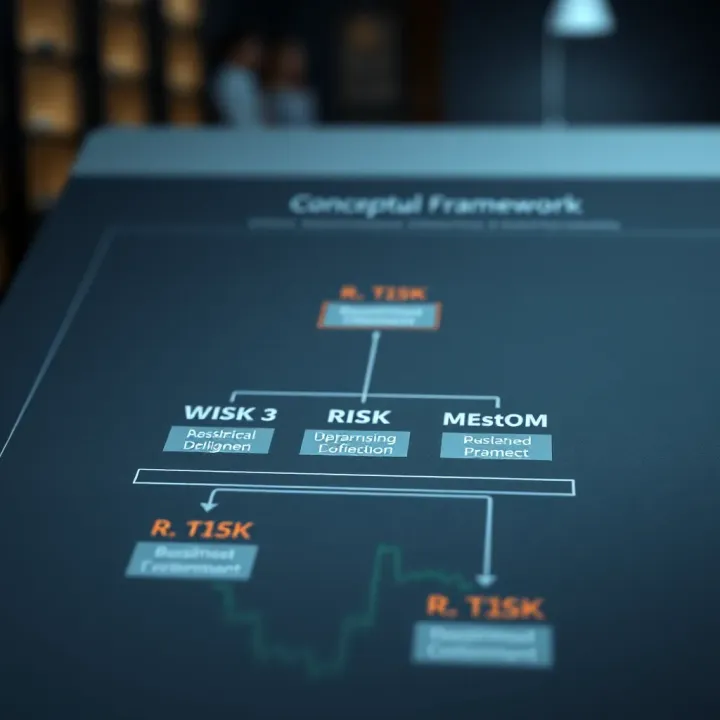
Risk combines two key components: the likelihood of an event occurring and the impact it will have. For example, a small retailer in Nairobi might face the risk of inventory theft. If theft is rare (low likelihood) but costs a lot (high impact), the business owner must decide how much to spend on security.
This practical view is different from just saying "risk" means loss. Risk includes opportunities as well — like investing in a growing sector which might give high returns but also carries uncertainty.
Risk is not just about avoiding harm, but managing uncertainty to protect or even grow value.
Risk management is about anticipating possible issues and putting measures in place to reduce negative effects or take advantage of positive chances. It involves:
Identifying risks relevant to your business or investments
Assessing how likely each risk is and what damage it could cause
Planning how to reduce or control risks, such as through insurance, diversification, or emergency funds
Monitoring risks as situations change, especially in dynamic environments like Kenya’s markets
For instance, a Kenyan coffee exporter must manage risks from weather changes affecting harvests, foreign exchange fluctuations, and transportation delays.
A farmer facing the long rains often buys insurance with Kenya Agricultural Insurance Corporation (KAIC) to offset possible drought losses.
SMEs use mobile payments like M-Pesa for safer transactions, reducing risk of cash handling theft.
Investors diversify portfolios across NSE-listed companies to spread market risk.
Understanding risk clearly and managing it wisely helps avoid panic and promotes steady growth even when challenges come. Traders, investors, and business managers who grasp this basic definition can make better choices based on facts, not fear or guesswork.
Understanding what risk means in risk management is essential for businesses, investors, or analysts who want to make sound decisions. Risk involves the possibility that an event may cause losses or affect objectives negatively. For Kenyan traders and firms operating in dynamic markets, appreciating risk helps prepare for potential setbacks and seize opportunities wisely.
In risk management, risk simply refers to the chance of experiencing harm or loss, combined with the uncertainty around that event happening. It always includes the likelihood of an outcome and its potential impact. For instance, a farmer in Narok faces the risk of drought, which could affect crop yields. Knowing this helps the farmer plan for alternatives, like irrigation or diversified crops.
Financial Risk
Financial risk deals with potential losses related to money, such as poor investment returns, currency fluctuations, or credit defaults. For example, an exporter in Mombasa might suffer if the Kenyan shilling weakens against the US dollar, increasing costs of imported goods. Managing financial risk includes strategies like hedging through forward contracts or maintaining strong cash flows.
Operational Risk
Operational risk refers to failures in internal processes, systems, or people. Kenyan companies, especially banks or telcos, may face operational risks from IT system breakdowns or fraud. Such disruptions can stall services or cause reputational damage. Regular audits and staff training are practical steps to reduce operational risk.
Compliance Risk
Compliance risk is the danger of breaking laws, regulations, or industry standards. For instance, a Nairobi-based export company must meet Kenya Revenue Authority (KRA) rules and East African Community (EAC) trade regulations. Failure to comply can lead to fines or halted operations. Staying updated on legal requirements and engaging qualified compliance officers helps manage this risk.
Strategic Risk
Strategic risk affects long-term business goals due to poor decisions or changing market conditions. A retailer in Kisumu might face strategic risk if they continue stocking goods that no longer meet customer demand. Regular market analysis and flexible planning assist in adjusting strategies promptly.
Environmental and Social Risk
This type involves risks from environmental changes and social factors. For example, a mining company in Kitui encounters environmental risks like land degradation and social risks related to community relations. Ignoring these can lead to protests or legal action. Engaging local communities and environmental impact assessments are ways to handle such risks.
Uncertainty versus Risk
While both relate to unpredictability, uncertainty means outcomes cannot be measured or predicted accurately, while risk involves known probabilities. For instance, a new technology startup in Nairobi faces uncertainty about market acceptance but can estimate risk levels based on similar products.
Hazard and Risk
A hazard is a source of potential harm—like a faulty machine in a jua kali workshop—whereas risk is the chance that harm from that hazard will actually occur. Understanding this helps prioritize safety measures.
Threat and Risk
A threat is a possible source of damage, like cyberattacks on a bank's system. Risk considers both the threat and the vulnerability—it estimates how likely an attack might succeed and the resulting impact. This distinction guides where to strengthen security.
Grasping these differences helps organisations not only identify risks but also respond appropriately, saving time and resources.
By understanding these core ideas, Kenyan traders, investors, and analysts can better assess what risks they face and how to manage them effectively in their specific contexts.
Identifying and measuring risk effectively is central to making informed decisions in business and investment. Without knowing what risks are present or how severe they might be, organisations risk jumping into ventures blindfolded. This section explains practical ways to spot risks early and how to evaluate them so responses can be tailored appropriately. These steps are especially relevant for traders, investors, and analysts who juggle multiple uncertainties daily.

Risk Checklists provide a straightforward starting point by listing common risk categories and specific factors to watch out for. For instance, Kenyan SMEs may use checklists that cover financial risks like cash flow shortages, operational risks such as supply chain delays, and regulatory risks including compliance with county government policies. Checklists help to ensure no obvious risks slip through, acting as a baseline for further identification.
Brainstorming and Expert Interviews bring fresh perspectives beyond standard checklists. Team sessions allow people from diverse functions—finance, operations, or IT—to shout out potential risks, uncovering issues that might otherwise stay hidden. Similarly, expert interviews with experienced fundis or consultants can highlight industry-specific risks, such as market shifts or emerging compliance requirements. These approaches encourage open dialogue and collective knowledge, vital in dynamic Kenyan sectors.
Historical Data Analysis looks back at past occurrences to flag risks that caused problems before. For example, a Nairobi-based trading firm might review previous years’ sales data to spot seasonal downturns or patterns linked to election cycles affecting business. Analysing claim records, failures, or incidents provides concrete evidence on risk frequency and triggers, helping shape more grounded risk strategies.
Qualitative Risk Assessment evaluates risks based on descriptive factors without relying heavily on numbers. Risks might be rated as high, medium, or low, considering impact and likelihood through discussions or surveys. This method suits situations with limited data or when quick decisions are needed, like assessing a new investment opportunity in a local market with little formal history.
Quantitative Risk Measurement uses numerical data to estimate the probability and financial impact of risks. Techniques include statistical models or financial simulations. A stockbroker, for instance, could calculate the Value at Risk (VaR) to estimate potential losses in a portfolio within a certain period. Quantitative methods give precise figures, which support budgeting for risk responses and insurance.
Risk Matrices and Probability Impact Charts visualise the relationship between risk likelihood and severity, helping prioritise which risks demand urgent action. A probability-impact matrix places risks in a grid, highlighting those that occur often with severe consequences. Kenyan firms use these tools during strategic planning to decide where to allocate scarce resources effectively, ensuring the riskiest threats are not ignored.
Spotting and sizing risks aren't one-off tasks; they require ongoing attention. Combining checklists, expert insights, and data-driven assessments forms a sturdy foundation for managing uncertainties and steering organisations toward safer ground.
Risk plays a central role in guiding decisions across organisations. Understanding risk helps businesses and projects evaluate the likelihood of negative outcomes and balance them against potential rewards. Kenyan companies, from small firms in Kisumu to large enterprises in Nairobi, rely on risk insights to avoid costly mistakes and seize opportunities. Without properly factoring risk, decisions tend to be either overly cautious or recklessly bold, both of which can hurt performance.
Risk appetite refers to the amount and type of risk an organisation is willing to accept in pursuit of its objectives. It reflects the overall attitude towards risk, which can range from conservative to aggressive. For example, a local bank in Mombasa may have a low risk appetite when extending loans, focusing on borrowers with stable income to limit default. In contrast, a startup tech firm in Nairobi might accept higher risk to rapidly innovate and capture market share.
Risk tolerance, on the other hand, is the acceptable variation around this appetite. It defines limits that when crossed require action. A microfinance institution might tolerate a 5% loan default rate but intervene if defaults hit 10%. Clearly defining appetite and tolerance helps organisations make consistent decisions and communicate risk limits to teams effectively.
Not every risk is equal, so organisations prioritise risks based on their potential impact and likelihood. This ensures resources focus on the most threatening issues first. For instance, a manufacturing firm using heavy machinery may prioritise operational hazards over market fluctuations because equipment accidents can halt production immediately.
Tools like risk matrices help visualise which risks demand urgent attention. Kenyan businesses often use such prioritisation when managing challenges like currency volatility or supply chain disruptions. By ranking risks, leadership can decide whether to invest in additional controls, accept some risk, or transfer it through insurance.
Risk shapes how projects and businesses set goals, allocate budgets, and schedule activities. When planning, teams identify possible obstacles and adjust plans to reduce negative outcomes. For example, a construction company building a road in the Rift Valley will account for rainy season delays, sourcing extra materials early or adjusting timelines.
In business strategy, recognising risks guides diversification choices or market entry timing. Kenyan tea exporters may delay expanding to new markets if currency fluctuations pose significant costs. These adjustments help maintain continuity and achieve targets despite uncertainties.
Managing risk isn't about avoiding it completely but understanding and balancing it to make smarter decisions that keep organisations resilient and responsive.
Managing risk is a key part of keeping businesses and investments on track. It means actively choosing how to deal with possible problems before they cause serious harm. Understanding and applying clear strategies helps firms avoid surprises and protect their resources. Kenyan traders, investors, and analysts often face risks from changing market conditions, regulatory shifts, or operational challenges, making it even more vital to have well thought-out plans.
Avoidance means steering clear of certain activities that could expose the business to unwanted risk. For example, a small retailer in Nairobi might avoid dealing with suppliers who have unstable logistics, thus reducing delivery risks. Although avoidance might mean missing some opportunities, it is practical where the stakes are too high or the probability of loss is unacceptable.
Mitigation deals with reducing the impact or likelihood of risk when avoidance isn’t possible. An example is a manufacturer in Mombasa investing in regular maintenance of their machines to prevent breakdowns that disrupt production. Mitigation allows organisations to continue their work but with safety nets in place, making challenges easier to handle.
Transfer shifts the risk to a third party, usually through insurance or contracts. Kenyan farmers often transfer weather-related risks by taking crop insurance against drought. In another case, businesses that rely on delivery services might use contract clauses making the courier liable for any delays or damages. This strategy lets companies focus on their core activities without carrying the whole burden of risks.
Acceptance occurs when a business knowingly takes on a risk, usually because the cost of mitigating or transferring it is too high. For example, a small kiosk in Kisumu might accept occasional theft losses as part of doing business, investing more in community relations than expensive security. Acceptance requires a good understanding of the risk levels and readiness to handle any consequences.
Risk Identification is the first step where potential risks are spotted. This includes listening to staff feedback, reviewing past mistakes, or using checklists tailored to your industry. A trader on the NSE might track market news daily to spot events that could affect stock prices.
Risk Analysis follows by examining how likely each risk is and what impact it could have. This might involve studying financial reports or running simple probability calculations. For instance, an investor might assess how currency fluctuations could affect returns from a foreign investment.
Risk Evaluation helps prioritise risks based on analysis. Organisations decide which risks need immediate attention and which are less critical. A company might find that supplier disruptions pose a bigger threat than occasional power outages and act accordingly.
Risk Treatment entails choosing and applying strategies like avoidance, mitigation, transfer, or acceptance. This step turns plans into actions, such as buying insurance, improving controls, or deciding to carry on with particular risks.
Monitoring and Review is about regularly checking if risk controls work and if new risks have emerged. For example, a business dealing in fresh produce might review cold chain risks each season and adjust cooling systems when necessary. This ongoing vigilance keeps risk management effective as conditions change.
Managing risk is not a one-time task but a continuous process. Following these strategies keeps you ahead of challenges and helps safeguard your investments and operations.
Good risk management lets you face uncertainty with less worry and more confidence. Using these approaches, Kenyan traders, investors, and businesses can better navigate the ups and downs common in their environments.
Understanding the common misunderstandings about risk helps organisations and individuals make smarter decisions. Many get risk wrong, which can lead to poor planning or missed opportunities. Knowing where people trip up makes it easier to spot risks accurately and respond effectively.
People often think risk only means danger or loss, but that is not the full story. Risk has a dual nature: it can also bring opportunities. Take an investor deciding to put money into a new Kenyan tech startup. Yes, there is a chance the business might fail, but there's also a chance it could grow and earn good returns. This upside is what some call "positive risk" or chance. Understanding this helps traders and investors balance between avoiding danger and seizing reward.
In practice, recognising risk as more than just a threat encourages measured risk-taking. For example, a small-scale farmer may try a new crop variety even though there is uncertainty in yield, hoping it will boost income more than the traditional crops. That is risk perceived as a possibility, not just a hazard.
Many confuse risk with uncertainty, but they are distinct concepts. Risk involves situations where probabilities can be estimated — for example, the chance of rain disrupting tea harvesting based on historical weather patterns. Uncertainty, however, covers unknowns without clear probabilities, such as the impact of a sudden new government policy on import tariffs.
This difference matters in risk management. Tools like probability models suit risk but fall short with uncertainty. Kenyan businesses can use past data (like market trends) to assess risk, but for uncertainty, they need flexible strategies such as scenario planning or building buffers.
Getting risk size wrong can be costly. Overestimating risks may make a business too cautious, missing growth chances. For instance, a retailer might avoid expanding to a busy Nairobi neighbourhood fearing crime risk, despite strong demand and manageable security.
On the other hand, underestimating risk exposes organisations to shocks. An energy company ignoring early signs of machinery wear could face costly breakdowns. Balancing risk perception requires good information, periodic reviews, and not relying on gut feelings alone.
"The right view of risk means seeing both danger and opportunity, understanding what can be predicted and what can't, and calibrating decisions accordingly."
By clearing up these misunderstandings, traders, investors, and analysts can better navigate the true nature of risk. This helps build resilience in their strategies and make wiser choices in Kenya's dynamic economic environment.
Understanding how risk concepts apply in Kenya is key for traders, investors, and public officials to make sound decisions. Kenyan businesses and public sectors face unique risks linked to economic, social, and environmental factors that differ noticeably from other regions. Applying risk management with local knowledge ensures strategies are workable and protect assets effectively.
Small and medium enterprises (SMEs) in Kenya contend with multiple risks daily, from cash flow interruptions to supply chain disruptions caused by factors like delayed matatu transport or fluctuating forex rates. For instance, a duka owner in Kisumu might face risks from unreliable suppliers or sudden changes in commodity prices. Understanding these risks helps SMEs use practical mitigation like diversified suppliers or M-Pesa-enabled digital payments to maintain liquidity.
Financial institutions, such as Equity Bank and KCB, also analyse risk by monitoring loan default trends and economic indicators. Investors looking at Kenya’s vibrant SME sector must consider political risks, market volatility, and infrastructure challenges unique to Nairobi or Mombasa locales.
County governments in Kenya face operational and political risks affecting service delivery and development projects. For example, the Kisumu County government must manage risks from unpredictable weather that disrupts road construction or risks linked to political tensions during election cycles.
Public sector risk management involves strict monitoring of budgets, regulatory compliance, and ensuring transparency to avoid corruption risks. Effective risk identification and response within counties can improve healthcare services or reduce delays in infrastructure projects which directly benefit communities.
There are several practical examples of risk responses tailored to Kenya’s setting. Safaricom's introduction of Fuliza, an overdraft facility tied to M-Pesa, helps users manage liquidity risks without resorting to costly loans. This service illustrates how risk understanding is applied to improve financial inclusion.
In agriculture, farmers in Eastern Kenya adopt drought-resistant crops or water harvesting techniques to manage environmental risks from erratic rainfall patterns. Meanwhile, firms investing in Nairobi often apply political risk insurance to safeguard their assets during volatile election periods.
Applying local risk management methods makes all the difference. For Kenyan businesses and counties, recognising distinct local challenges and reacting to them with tailored solutions builds resilience and supports sustainable growth.
Overall, bringing risk management into Kenya’s specific context makes practices relevant, accessible, and efficient, allowing both traders and public officials to better navigate uncertainties unique to the country.
Explore practical risk management strategies and assessment insights to navigate challenges and boost safety across sectors. 📊🛡️
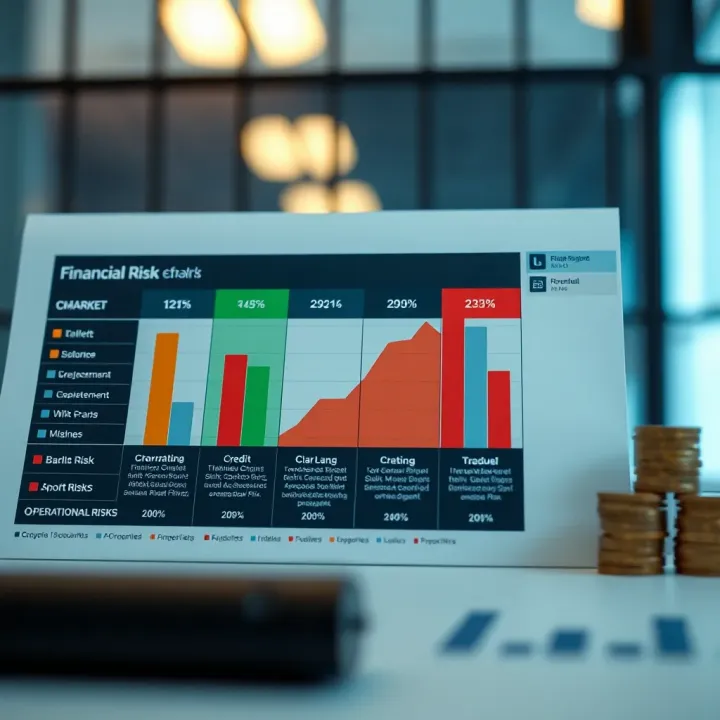
Learn the essentials of financial risk management 📊. Explore key concepts, frameworks, and tools to identify and manage risks effectively in business.
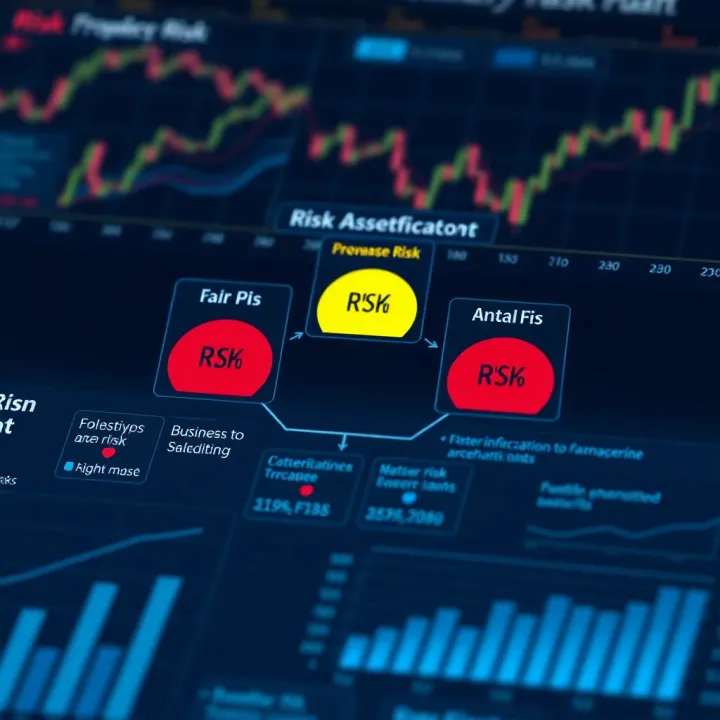
🔍 Explore risk management basics: learn how to identify, assess, and control business threats with practical tools to safeguard your capital and earnings.
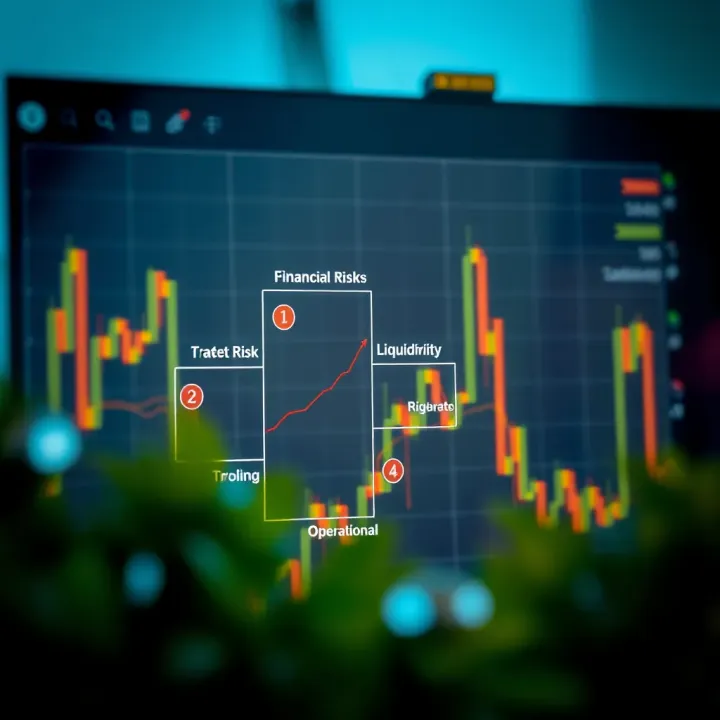
🔍 Understand financial risk management in Kenya: learn strategies to identify, assess, and control risks affecting your business’s financial health effectively.
Based on 10 reviews