

Understanding Risk Management Basics
Explore practical risk management strategies and assessment insights to navigate challenges and boost safety across sectors. 📊🛡️
Edited By
Edward Mills
At its core, risk management aims to identify threats that could disrupt an organisation’s goals, assess how serious these threats are, and then respond appropriately to reduce their impact. Whether it’s a drop in the NSE shares, currency fluctuations against the shilling, or new government regulations affecting business operations, a solid risk strategy helps minimise losses and maximise stability.
Effective risk management safeguards resources and improves decision-making by providing a clearer picture of what could go wrong—and how to handle it.
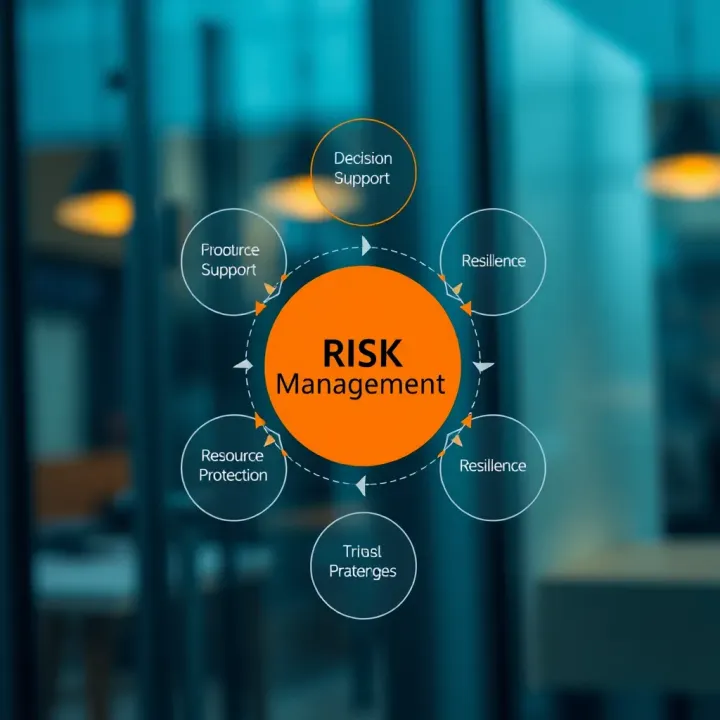
Knowing the risks also improves resilience. Organisations with a risk response plan can bounce back faster after challenges like supply chain disruptions or inflation spikes, which are quite common locally. This resilience not only protects the business but also builds trust with clients and investors who seek assurance that the company can withstand shocks.
Practical examples include Kenyan banks using risk assessments to decide where to allocate loans safely or firms evaluating political risks before expanding into neighbouring East African Community markets. Public sector bodies, like county governments, also adopt risk management to ensure taxpayer money is well protected and projects deliver as planned.
Some common objectives of risk management in Kenyan settings are:
Preserving financial capital and physical assets
Supporting compliance with government rules and industry standards
Informing budgeting and investment choices
Enhancing operational efficiency by avoiding unexpected disruptions
Building public and stakeholder confidence through transparency
Ultimately, risk management isn’t just about avoiding danger but about making the organisation smarter and more adaptive. For anyone involved in Kenyan business or public sectors, knowing these objectives is the first step towards creating effective systems that shield against common threats and improve overall performance.
Risk management lays the foundation for organisations to navigate uncertainties and protect what matters most. For Kenyan traders, investors, analysts, and educators, understanding these basics is key to managing threats that could upset financial goals, operations, or reputations. It involves recognising what risks look like in practical terms, how to identify them early, and ways to keep them under control.
Risk is any event or condition that might negatively affect the achievement of business objectives. In a Kenyan business, this could mean anything from sudden regulatory changes by the Kenya Revenue Authority (KRA) that affect tax liabilities, to disruptions like strikes or power blackouts that stall production. Simply put, risk shows up when something uncertain could cause losses or missed opportunities.
In Kenya, common risks span various sectors. For example, the agricultural industry often faces unpredictable weather—like extended dry spells during the long rains—that threatens crop yields and farmer incomes. In Nairobi’s bustling trade environment, security risks such as theft or fraud are also significant. Meanwhile, fluctuating currency rates against the US dollar can impact importers’ costs and exporters’ competitiveness.
Managing risk begins with identification—spotting potential threats early using market data, audits, or employee input. Once risks are identified, the next step is assessment, where businesses evaluate how likely these risks are and the possible impact on their operations or finances. For example, a telecom firm in Kenya might assess how a disruption to its network affects customer satisfaction and revenue.
Following assessment, organisations move to mitigation—putting in place measures to reduce either the chance or impact of the risk. This could include adopting stronger cybersecurity measures to protect client data or purchasing insurance to cover losses from theft. Lastly, monitoring ensures that risk control measures remain effective over time, and alerts decision-makers to emerging risks, helping organisations adapt swiftly.
Risk management is not a one-person task; it requires involvement from various stakeholders. Top management sets the tone and allocates resources, while operational staff often have the clearest sight of day-to-day vulnerabilities. For instance, a bank’s frontline tellers can flag suspicious transactions promptly, which is vital for fraud risk management.
Investors and analysts also play a part by demanding transparency and risk reporting, pushing companies towards better governance. In Kenya’s public sector, communities and regulatory bodies influence risk strategies through feedback and enforcement. The combined effort ensures risk is managed thoroughly rather than slipping through gaps.
Effective risk management depends heavily on clear roles and continuous communication among all parties involved. Without active participation, risks can grow unseen and cause significant harm.

Understanding these basics equips Kenyan businesses, especially in dynamic markets, to face uncertainties confidently and secure their paths forward.
Risk management serves several key objectives that help organisations operate smoothly, make informed decisions, and comply with regulatory demands. Understanding these goals clarifies why businesses, from Nairobi’s bustling SME hubs to large firms listed on the Nairobi Securities Exchange (NSE), invest time and resources in risk management activities. These objectives are not just about avoiding losses but also about creating a stable environment for growth and competitiveness.
Physical, financial, and human resources: Organisations hold various assets that must be shielded against threats. Physical assets like offices, machinery, or transport fleets face risks such as theft, fire, or damage during the rainy seasons. Financial resources, including cash flow, investments, and receivables, are exposed to market volatility, fraud, or delayed payments—challenges familiar to Kenyan traders and investors alike. Moreover, human resources represent skills, knowledge, and experience; losing these due to poor workplace safety or dissatisfaction can disrupt operations severely.
Maintaining operational continuity: Keeping the wheels turning during unexpected disruptions is a priority. Whether it’s a power blackout common in some parts of Kenya or interruptions in the supply chain due to political unrest, risk management ensures contingency plans are in place. For instance, manufacturers in Thika using generators or alternative suppliers demonstrate efforts to maintain production. These measures avoid costly halts in operations that can translate to lost revenue and customer trust.
Using risk data to inform strategies: Entrepreneurs, brokers, and analysts depend heavily on relevant data to steer their businesses or investments. By identifying potential risks early, they can adjust strategies—be it diversifying investments across NSE sectors or managing credit terms with suppliers. For example, a retailer in Nakuru analysing customer payment trends can decide when to offer credit or insist on cash payments, reducing default risk.
Balancing risks and opportunities: Risk management doesn't mean avoiding all risks but rather balancing them with potential gains. A farmer investing in new seed varieties may accept some climate risk for a chance at higher yields. Similarly, business leaders weigh market expansion against regulatory hurdles. This balance is essential for growth while staying within safe operational boundaries.
Meeting Kenyan laws and industry standards: Kenyan organisations must operate within laws like the Companies Act, data protection rules, or sector-specific regulations. Compliance reduces liabilities and fosters trust with customers and partners. For example, financial institutions follow Central Bank of Kenya guidelines on customer data and anti-money laundering to avoid penalties.
Avoiding legal penalties and reputational damage: Failure to meet regulatory requirements can lead to fines or legal action, which may scar a company’s reputation permanently. For instance, firms found violating labour laws not only pay hefty penalties but may lose skilled employees and customer confidence. In a tight market like Kenya’s, brand reputation can be the difference between thriving and closing down.
Proper risk management safeguards assets, empowers better decisions, and keeps organisations on the right side of Kenyan laws, ultimately supporting long-term success and stability.
In sum, these primary goals ensure that risks do not derail business objectives but are managed effectively to promote resilience and confidence in an often unpredictable environment.
Supporting business stability and growth is a key objective of risk management that directly impacts the long-term success of organisations. By identifying and addressing potential pitfalls early, businesses can safeguard their financial health and operational continuity, even when unexpected challenges arise. This is especially relevant in Kenya’s dynamic market, where economic shifts, regulatory changes, and environmental factors constantly test business resilience.
Minimising risks related to investments and operations involves carefully analysing potential financial threats before they materialise. For example, a Kenyan agribusiness investing in new crop varieties needs to assess risks such as drought or pest outbreaks, which can severely affect yields and revenues. By conducting thorough risk assessments, the company can decide on crop insurance or diversify its investments to spread the risk.
Operational risks also require attention, such as supply chain disruptions caused by poor road networks or fuel shortages common in some regions. A manufacturing firm relying on imported raw materials might face production stoppages, leading to losses. Identifying these risks early enables management to develop contingency plans, like sourcing suppliers closer to home or maintaining buffer stocks.
Insurance and other financial safeguards play a vital role in cushioning businesses against unavoidable risks. Insurance policies tailored to local conditions—such as fire, theft, or political risk insurance—help limit the financial burden when incidents occur. For instance, many small and medium enterprises (SMEs) in Nairobi protect their premises and equipment with fire insurance, reducing costly replacement expenses.
Besides insurance, financial tools like hedging against currency fluctuations are practical for companies dealing with imports and exports. In Kenya’s fluctuating shilling environment, currency risk can drastically affect profits. Using forward contracts or options can stabilise costs and prevent surprise losses.
Preparing for unforeseen events means establishing systems and processes that can absorb shocks without collapsing operations. Organisations in Kenya face various uncertainties, from erratic weather during long rains affecting logistics to fluctuating fuel prices impacting transport costs. By planning for these risks, such as developing alternate delivery routes or flexible staffing arrangements, businesses reduce exposure to disruption.
A good example is banks applying advance scenario planning to maintain service during power outages or cyber-attacks. This preparation involves backup generators and robust cybersecurity frameworks to ensure customer trust is not lost.
Recovering quickly from disruptions is equally crucial. When an incident happens—like a Nairobi retailer experiencing a fire or a coastal exporter caught up in port delays—how swiftly the entity bounces back determines survival. Effective recovery plans include clear communication protocols, quick access to emergency funds, and partnerships with service providers who can resume operations fast.
In practice, many Kenyan companies incorporate crisis management teams that regularly train staff on recovery procedures. This approach shortens downtime and limits revenue losses, securing the organisation’s position even after shocks.
Businesses that proactively reduce financial exposure and build resilience gain a competitive edge, especially in Kenya’s often unpredictable economic environment. Risk management is not just about avoiding danger but about making the business strong enough to thrive despite challenges.
Effective risk management is vital for Kenyan organisations to navigate the unique challenges posed by local economic conditions, regulations, and market dynamics. Implementing risk management systems allows businesses to identify potential threats early, mitigate losses, and maintain stability in a sometimes unpredictable environment. For example, a Nairobi-based manufacturing firm that integrates risk controls can better handle supply chain disruptions caused by seasonal floods or regulatory changes by adapting its sourcing and inventory practices.
A successful risk management strategy tailored for Kenyan organisations involves understanding not only global best practices but also how these fit within the local context. This ensures risks specifically relevant to Kenya’s business landscape—such as political shifts, currency fluctuations, or infrastructure limitations—are properly managed.
Kenyan organisations benefit from applying international risk management principles, but these need adjustment based on local regulations and market conditions. Kenyan law, including frameworks from bodies like the Capital Markets Authority (CMA) and Central Bank of Kenya (CBK), demands compliance that shapes how risks are identified and controlled. Moreover, market conditions such as informal sector prominence, mobile money penetration through platforms like M-Pesa, and the frequent policy shifts require agile and context-aware risk responses.
For instance, financial institutions must balance global anti-money laundering standards with local customer identification challenges. Similarly, businesses relying heavily on matatu transportation have to factor in both road safety risk and regulatory enforcement variability.
Several Kenyan sectors stand out for having developed strong risk management frameworks. The banking sector, led by institutions such as Equity Bank and KCB, employs rigorous risk evaluation to manage credit, market, and operational risks aligned with both local and global standards. The insurance industry also applies comprehensive risk assessments to price premiums appropriately and safeguard against high loss ratios, considering Kenya’s exposure to climate risks like drought.
Another sector with growing risk maturity is telecommunications. Companies like Safaricom integrate data security and network reliability risk controls to meet increasing customer demands and regulatory requirements. These examples show how sector-specific risk frameworks strengthen overall organisational resilience.
Using risk registers and audits remains a practical approach to controlling risks across Kenyan organisations. A risk register systematically lists all identified risks, the likelihood of occurrence, potential impact, and mitigation measures. For example, an agricultural firm might record risks related to weather patterns, market prices, and pest outbreaks on its risk register. Internal and external audits then verify that these risks are monitored and managed appropriately, ensuring the organisation stays on track.
Technology and data analysis are increasingly essential in Kenyan risk management. Digital tools help gather and analyse vast amounts of data—from transaction records to environmental sensors—allowing for real-time risk monitoring. Kenyan companies use software platforms to track compliance obligations and spot emerging threats quickly, enhancing their response capacity. Data-driven analytics also support better decision-making, such as adjusting pricing strategies or reallocating resources based on predictive risk models.
Technology and data empower Kenyan organisations to not only respond to risks but to anticipate them, turning uncertainty into informed action.
As Kenya embraces digital innovation, combining traditional risk control tools with modern analytics can provide a well-rounded risk management system suited for local business realities.
Explore practical risk management strategies and assessment insights to navigate challenges and boost safety across sectors. 📊🛡️

Learn the essentials of financial risk management 📊. Explore key concepts, frameworks, and tools to identify and manage risks effectively in business.

🔍 Explore risk management basics: learn how to identify, assess, and control business threats with practical tools to safeguard your capital and earnings.

🔍 Understand financial risk management in Kenya: learn strategies to identify, assess, and control risks affecting your business’s financial health effectively.
Based on 14 reviews