
Understanding Risk Management Frameworks
📊 Learn how to build and maintain a risk management framework that identifies and handles threats effectively. Tips on implementation, challenges, and best practices included.
Edited By
Henry Mitchell
An effective risk management policy acts as a compass for organizations, guiding them through the unpredictable terrain of business risks. It provides a clear structure to spot potential threats, evaluate their impact, and set up controls to minimize damage. Without this framework, companies can find themselves blindsided by surprises that could have been avoided or mitigated.
Think of a risk management policy as a rulebook tailored to your business. It spells out what counts as a risk, who is responsible for managing those risks, and the methods used to keep everything in check. For example, a trading firm might include market risk controls, while an investment advisory firm focuses heavily on compliance risks.

Here's the thing: risks aren't just about big disasters. They can be small hiccups like data errors, or slow-burning issues like regulatory changes. Your policy should spot risks early, so you can act before problems escalate. That means setting up routine checks plus having clear communication channels so stakeholders are always in the loop.
The bottom line is that a solid risk management policy lays a foundation for smarter decision-making, preventing losses, and supporting the organization's long-term goals.
A well-crafted policy benefits traders, investors, analysts, and brokers by providing:
Consistency: Aligning everyone on risk identification and response.
Responsibility: Defining roles so no risk goes unmanaged.
Adaptability: Allowing the policy to evolve with market and regulatory shifts.
Moreover, educators can use these guidelines to teach practical risk frameworks that translate to real-world business scenarios.
Building your policy starts by understanding what risks matter most. Then, you put down clear procedures to assess and handle those risks. Regular reviews are crucial because risks change, especially in fast-moving markets like stocks, commodities, or crypto.
In the following sections, we will unpack the essential components of an effective risk management policy and provide actionable steps to develop one tailored to your organization's needs.
A risk management policy lays out how an organization identifies and handles potential threats that could hurt its operations, finances, or reputation. It’s not just a document to file away; it guides how you spot risks before they turn into problems and how to respond when they do. Without it, companies often scramble when unexpected issues pop up, causing costly delays and losses.
The main goal of a risk management policy is to set a clear, consistent approach for recognizing and managing risks. It defines what counts as a risk, who’s responsible at every step, and how the organization will reduce or avoid those risks. Think of it like a playbook that keeps everyone on the same page, whether it’s protecting critical data or managing investment risk. For example, a trading firm might use it to decide when to pull back on positions during volatile markets.
A risk management policy covers all parts of a company where risks can occur—from finance and operations to compliance and IT. It's designed to apply across different departments and levels, ensuring no area is left out. In practice, this means sales teams, analysts, and brokers all know their role in spotting and reporting risks. The policy should also fit the company's size and complexity—smaller operations might have simpler rules, while large firms with multiple offices need detailed protocols.
Effective risk management helps protect valuable resources like money, data, and equipment. More than that, it guards a company's reputation. Consider a brokerage that avoids a major compliance misstep thanks to policies identifying potential regulatory risks early. Avoiding scandals or financial mishaps preserves trust with clients and partners, saving the business from long-term damage.
Many industries face strict rules, from SEC regulations for investment firms to data privacy laws for tech companies. A well-crafted risk management policy makes sure the company meets these requirements consistently. Failure to comply can lead to fines or legal trouble, so the policy acts as a roadmap for teams to follow the right steps and document their efforts.
Markets and industries are always changing, bringing unexpected challenges. A risk management policy provides a framework to make better decisions under pressure. For instance, if sudden market shifts threaten an investment portfolio, clear guidelines help portfolio managers evaluate options quickly and act with confidence rather than guesswork. This structured approach reduces chaos and keeps the business moving steadily.
The bottom line is that an effective risk management policy isn't just about avoiding problems—it helps your organization stay nimble and secure, ready to handle whatever surprises come its way.

Crafting a solid risk management policy starts with understanding its key components. These elements anchor the policy in practicality and effectiveness, making sure it doesn't just sit on a shelf but actively guides everyone from traders to analysts in spotting, assessing, and managing risks.
Techniques for identifying risks include methods such as brainstorming sessions, checklists tailored to industry-specific risks, and scenario analysis. For instance, a trader might use scenario analysis to explore the impact of sudden market swings while an analyst may comb through financial statements to flag potential credit risks. Identifying risks early helps businesses avoid nasty surprises down the line.
Methods to evaluate and prioritize risks involve assessing both the likelihood and potential impact of each identified risk. Tools like risk matrices rank threats, so firms can focus resources on those with the highest stakes, such as regulatory penalties or major financial losses. Prioritization ensures the risk management efforts zero in on what truly matters rather than chasing every minor hiccup.
Options for managing risks range from outright avoidance and transferring risks through insurance, to less obvious tactics like diversifying investment portfolios or adjusting trading limits. For example, brokers might require tighter margin calls to manage exposure. Picking the right strategy depends on the risk's nature and how much the organization is willing to endure.
Setting thresholds and tolerance levels means defining how much risk is acceptable before action is taken. These thresholds act like red lights for decision-makers—for instance, a portfolio manager might set a maximum loss threshold of 5% before halting trades on a particular asset. Clear tolerance levels keep teams aligned on when to intervene and prevent risks from spiraling out of control.
Tracking risk indicators involves keeping a close eye on measurable warning signs that risks are evolving. This could be fluctuations in market volatility indexes for traders or delayed payments raising red flags for credit analysts. Continuous monitoring allows timely responses to emerging threats.
Periodic policy audits and updates are essential to ensure the risk management process stays relevant. Markets shift, regulations change, and new risks emerge. Regular reviews help organizations tweak their policies, like updating cybersecurity protocols after a new kind of hack surfaces, maintaining readiness against fresh challenges.
A risk management policy only works when it adapts alongside your business environment and clearly targets your most critical risks.
Incorporating these components into your risk management policy builds a strong framework that supports sound, informed decisions amidst uncertainty. The key is not just spotting risks but having a practical plan to handle them, all while maintaining vigilance through monitoring and review.
Building a risk management policy is only half the battle; the real test lies in putting it into practice effectively. Developing and implementing such a policy brings structure to how an organization anticipates, handles, and controls risks. It’s more than just drafting a document — it involves active involvement from all corners of the organization, clear communication channels, and detailed documentation. These elements collectively ensure that risk management isn’t a side task but a living part of daily operations.
Successful risk management hinges on the buy-in from leadership down to every team member. Leaders set the tone and modeling risk-conscious behavior encourages employees to take the policy seriously. For instance, if a trading firm’s executive team actively participates in risk reviews, traders are more likely to adhere closely to risk limits and reporting requirements. Without leadership involvement, policies risk becoming ignored paperwork.
Getting teams involved means inviting input from those who face risks daily. When analysts or brokers contribute insights on market or operational risks, the policy reflects real challenges. For example, a broker reporting a new compliance risk observed from client interactions helps adjust risk controls swiftly. This upfront collaboration boosts ownership, which makes implementation smoother.
Clear communication is essential for risk policies to have teeth. It’s not enough to create a policy and send it out via email. Training sessions tailored to different roles help teams understand what risks look like in their work and how to manage them. A trading desk might need practical scenarios showing how deviations from risk limits affect the firm, while compliance officers focus on regulatory guidelines.
Regular refreshers ensure the policy isn’t forgotten or misunderstood over time. Think of a firm introducing quarterly briefings to discuss recent risks, policy updates, and lessons from past incidents. This keeps risk awareness high and adapts the culture as risks evolve.
Clear, documented procedures form the backbone of any risk management policy. They spell out exactly how to identify, assess, report, and respond to risks. Without this clarity, employees might guess their way through, leading to inconsistent practices. For example, a brokerage might document exactly how to escalate a suspected compliance breach, including the reporting form, timeline, and contacts involved.
Documentation also aids audits and oversight by providing evidence of due diligence. Regulators like the SEC often look for clear, documented processes during their examinations. Keeping these records updated prevents surprises and supports quick responses during investigations.
Assigning specific risk management duties ensures accountability. When everyone knows their responsibility, tasks aren’t dropped on the floor. A risk officer might be responsible for aggregating risk data across desks, while individual traders monitor their positions daily within set limits.
Clear role definitions prevent overlaps and gaps. For example, if it’s unclear who approves risk mitigation strategies—whether the risk manager or compliance head—delays and confusion can jeopardize controls. A well-drawn chart showing roles, responsibilities, and reporting lines saves headaches and speeds decision-making.
Without firm procedures and well-defined roles, a risk management policy risks becoming an empty promise. Taking the time to engage stakeholders, communicate clearly, document processes, and designate roles makes the policy effective in the real world.
The bottom line: Developing and implementing a risk management policy takes effort upfront but pays off by embedding risk awareness and control throughout the organization. This means better decision making, stronger compliance, and protection against unexpected shocks that could harm business stability.
Implementing a risk management policy is rarely straightforward. Organizations often face several obstacles that can derail progress or reduce the effectiveness of the policy. Understanding these common challenges is key to overcoming them effectively. By addressing resistance within the company and ensuring the policy stays relevant over time, businesses can maintain strong protection against evolving risks.
Addressing cultural barriers often means dealing with skepticism or fear around change. For instance, teams used to informal risk practices may see a formal policy as bureaucratic or punitive. This mindset can stall adoption if not actively managed. Leaders need to clearly explain the reasons behind the policy and integrate it into daily operations, rather than treating it as an added chore.
Consider a mid-sized investment firm that faced pushback when introducing new risk reporting. They started hosting open workshops where employees shared their concerns and suggestions. This involvement sparked ownership and reduced resistance, showing cultural barriers can be broken down with transparent communication and engagement.
Demonstrating value through examples is crucial to proving the policy isn’t just paperwork. Sharing real cases where risk controls prevented losses builds confidence. For example, a broker might highlight how early detection of a market trend helped adjust positions and avoid heavy losses, directly linking the risk policy to business survival.
Concrete success stories help skeptics see the policy as a practical tool rather than a theoretical framework. This practice also motivates teams to cooperate and apply risk controls diligently, knowing that their efforts have tangible benefits.
Responding to changing risks means continuously scanning the environment for new threats or opportunities. The financial market’s fast pace means a strategy that worked last year might not suffice now. Consider the rise of algorithmic trading risks or cybersecurity vulnerabilities in trading platforms. Policies must evolve to cover these emergent issues swiftly.
Organizations can set regular review intervals or use risk dashboards that highlight shifts early. Staying proactive helps avoid surprises and ensures the policy reflects the current risk landscape.
Incorporating lessons learned from incidents involves systematically analyzing failures or near misses. If an investment firm encounters a liquidity crunch due to an overlooked risk, capturing what went wrong and adjusting policies accordingly prevents repeat mistakes. This process turns setbacks into valuable learning moments.
Regular post-incident reviews and transparent sharing of findings with relevant teams embed a culture of continuous improvement. For example, after a data breach, a risk policy revision that tightens access controls and backups reflects this approach, making the organization stronger and more resilient.
The bottom line is that tackling cultural resistance and keeping your risk policy fresh are ongoing tasks. They require clear communication, practical proof of value, and an openness to adapt. This dynamic approach ultimately makes risk management an active asset, not a static burden.
Maintaining a strong risk management policy isn't a one-and-done deal; it requires ongoing attention and adaptation to stay effective. Best practices focus on continuously refining the policy through education, feedback, and smart use of technology. This approach helps organizations stay ahead of emerging risks and ensures the policy actually serves its purpose—protecting assets and guiding decisions.
Ongoing education for staff plays a key role in keeping a risk management policy alive and relevant. Risks evolve, whether due to market shifts or new regulations, so training helps staff at every level understand the latest threats and mitigation techniques. For instance, a trading firm might regularly update employees about cybersecurity risks tied to new trading platforms. This ensures everyone knows how to spot suspicious activity and respond quickly. Without such training, gaps in risk awareness can emerge, weakening the overall defense.
Integrating feedback loops strengthens the policy by incorporating real-world insights from employees and risk events. When traders or analysts encounter unexpected risks or near misses, their input can identify blind spots in the policy. Creating formal channels—like periodic surveys or debrief meetings—encourages this kind of feedback. For example, after a compliance hiccup, the risk team might revise controls based on frontline observations. This switch from reactive to proactive updating makes the policy more practical and better suited to daily operations.
Risk management software options have become essential for modern organizations. Tools like LogicManager, RiskWatch, or Resolver automate much of the risk tracking and documentation process, saving time and reducing human error. They centralize risk data and streamline reporting — a huge plus for busy analysts juggling multiple data streams. A brokerage firm, for example, might use these tools to monitor compliance and operational risks across different departments, spotting trends faster than manual tracking ever could.
Using data analytics for risk insights takes risk management beyond checklists. Applying analytics to historical data helps pinpoint patterns that might foreshadow bigger issues. For example, an investment firm could analyze trade execution delays linked to specific software or market conditions to preempt future bottlenecks. These insights give decision-makers a clearer picture of where vulnerabilities lie, enabling targeted actions instead of broad, costly fixes.
The bottom line is that a risk management policy should be a living document. Continuous learning, active feedback, and technology all help keep it sharp, relevant, and truly useful in today's fast-changing environment.
📊 Learn how to build and maintain a risk management framework that identifies and handles threats effectively. Tips on implementation, challenges, and best practices included.

📋 Explore how insurance helps manage risks for individuals and businesses. Learn to identify, assess, and reduce financial threats with smart policies and strategies.
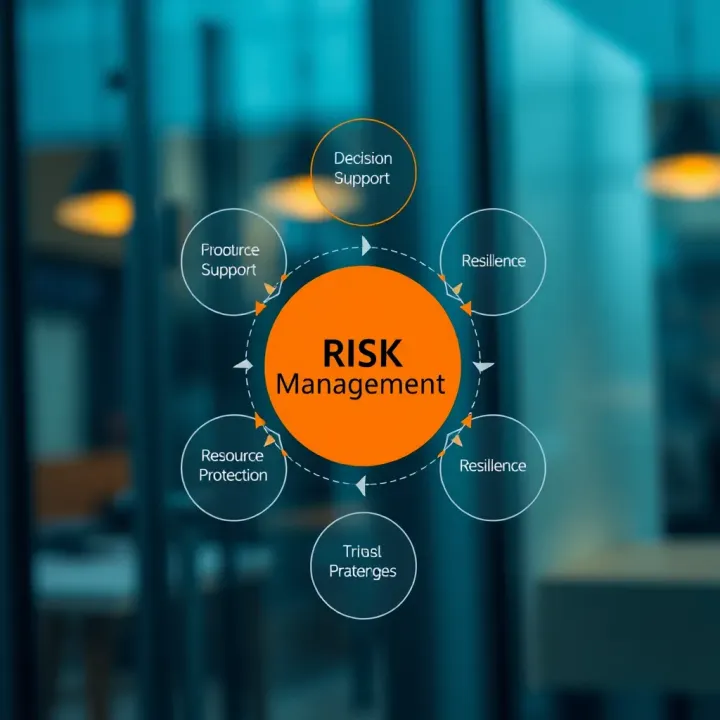
📊 Understand how risk management helps Kenyan businesses and public sectors secure resources, guide decisions, and build resilience against threats to their goals.

📊 Learn how Kenyan businesses identify, assess, and manage risks to protect operations, meet regulations, and make better decisions in a changing market environment.
Based on 14 reviews