

Benefits of Risk Management in Business
Discover how strong risk management safeguards assets, boosts decision-making, and enhances business performance for lasting success in Kenya 🇰🇪📊🔒.
Edited By
George Clarke
Risk management is more than just a checklist—it's an ongoing process that helps businesses spot potential threats before they become full-blown problems. Whether you're a trader sizing up market risks, an investor evaluating portfolio exposure, or an analyst reviewing company stability, understanding the core risk management processes is key to staying ahead.
At its core, risk management involves identifying risks, measuring their impact, and deciding on the best approach to handle them. For example, a financial firm may identify credit risk from its investments, assess the probability of defaults through historical data, and then choose to diversify its portfolio or buy credit default swaps to reduce potential losses.
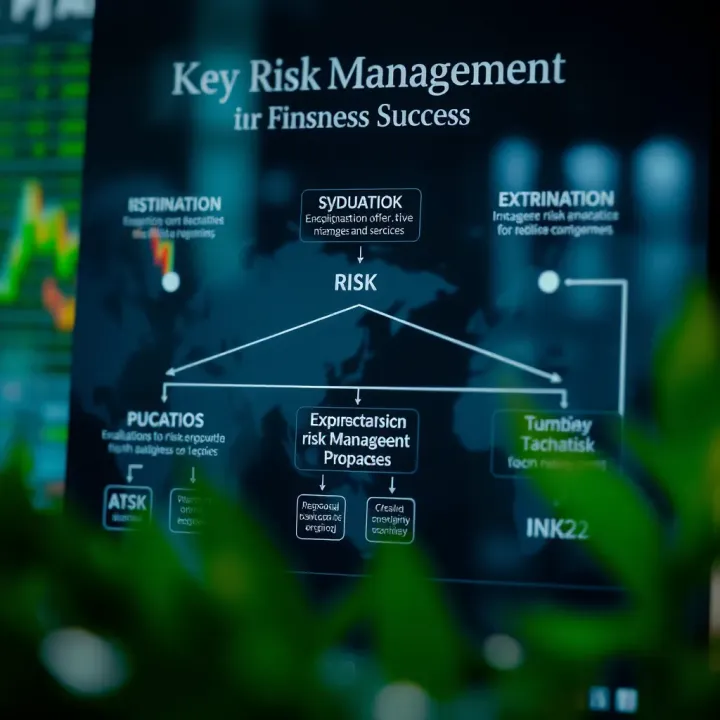
Here’s what the process usually looks like:
Risk Identification — Pinpoint where vulnerabilities lie. This could be anything from market fluctuations to operational errors.
Risk Assessment — Evaluate how likely risks are and what impact they could have on your business objectives.
Risk Mitigation — Develop strategies to reduce or control those risks. This often involves setting limits, creating contingency plans, or transferring risks through insurance.
Monitoring and Reporting — Keep tabs on risk factors and update risk strategies regularly as situations change.
Regular monitoring is essential. Risks evolve and what seemed manageable last quarter might become critical this quarter.
A practical example: a brokerage might track regulatory changes that affect trading rules. Early identification and response prevent costly compliance failures. Similarly, an investment analyst reviewing volatile stocks would adjust risk thresholds frequently based on market trends.
With risk management integrated into day-to-day operations, companies protect their assets, avoid surprise losses, and build confidence with stakeholders. The bottom line is, solid risk management practices are non-negotiable to keep your business stable and ready for what’s next.
Identifying risks in business operations is the foundation of effective risk management. Without a clear picture of where potential problems could arise, companies can’t protect themselves adequately or make informed decisions. Whether you’re managing a large investment fund or running a trading desk, spotting risks early helps prevent costly surprises and supports smoother operations.
Financial risks cover any threat that can hit a company's bottom line or cash flow. Think market fluctuations, credit defaults, or liquidity issues. For example, a sudden drop in commodity prices could severely reduce profits for an energy company. Traders and investors constantly monitor these risks because even small shifts in interest rates or exchange rates can ripple across portfolios, impacting valuations and returns.
These involve failures in internal processes, systems, or people. Imagine a trading platform outage that halts transactions or a compliance slip from manual errors. Such hiccups disrupt daily business, leading to lost opportunities and potential fines. Operational risks are especially critical for brokers and analysts who rely heavily on technology and precise execution to maintain client trust.
Regulatory rules constantly evolve, and failing to keep up can cause penalties or legal troubles. Compliance risks arise when companies don’t adhere to industry laws or standards—like insider trading laws or reporting requirements by the SEC. Financial professionals must keep a close eye here, because a compliance failure could damage reputations and cost millions in fines.
These risks stem from poor business decisions or shifts in the market environment. For instance, investing heavily in a failing sector or ignoring emerging technologies could leave a company behind. Investors and company leaders need to assess strategic risks to steer their organizations toward sustainable growth, avoiding costly missteps.
This approach gathers insights from across the organization, capturing different perspectives on possible risks. For example, sending a tailored survey to portfolio managers might reveal concerns about geopolitical instability affecting certain investments. The advantage? It’s structured and can cover a wide range of issues efficiently.
Gathering a diverse group for open discussions can bring up risks that surveys might miss. Say the trading team and compliance officers brainstorm together—they might uncover operational vulnerabilities or upcoming regulatory challenges. These sessions encourage creative thinking, making them ideal for unveiling less obvious risks.
Looking back at past incidents and financial records helps spot patterns that predict future risks. An analyst might review prior market downturns to anticipate how a portfolio could react under stress. This method relies on solid data, offering a grounded way to prepare for risks already seen in similar conditions.
Identifying risks early with clear methods not only minimizes surprises but also empowers businesses to act decisively and keep investments safer in volatile markets.
By understanding these risk types and using diverse techniques to spot them, companies and financial professionals can stay ahead, making smarter decisions and protecting their operations effectively.
Once you've identified potential risks in your business, the next step is assessing their likelihood and impact to decide how to tackle them. This stage helps you focus your resources on risks that could actually hurt your operations or profits, rather than chasing every possible threat. For investors and traders, this means understanding which risks could disrupt markets or asset values significantly and which are less urgent.
Qualitative risk assessment is all about judgment and context. It involves categorizing risks based on expert opinions, experience, and discussions rather than hard numbers. For example, a small tech startup might rank cybersecurity threats as high-impact but medium-likelihood because they know hackers target firms like theirs but haven't been hit yet. Tools like risk registers and scoring systems (e.g., high, medium, low) help you quickly grasp what's pressing.
This approach works well when data is scarce or the risks aren't easily quantifiable. It lets you engage your team in brainstorming and develop a shared understanding of potential problems without crunching complex numbers.
Quantitative analysis dives into the numbers—estimating risk probabilities and the magnitude of their impact using data and statistical models. Traders, for example, may use Value at Risk (VaR) to predict how much a portfolio might lose over a day under normal market conditions. A manufacturing business might calculate potential production downtime costs from equipment failure.
This method is more precise and supports decision-making with real dollar figures and probability percentages. However, it requires solid data and sometimes complex tools, so it suits more mature businesses or investment professionals who have access to reliable data streams.
A risk matrix plots risks on a grid based on their likelihood and impact, usually with colors from green (low risk) to red (high risk). This visual helps teams quickly identify which risks demand urgent action. For example, a broker might mark market volatility as high likelihood and high impact, flagging it red, while compliance risks may fall in yellow.
Using risk matrices forces you to look at both sides of the coin instead of focusing on just the chance of occurrence or the damage alone. It makes communicating priorities clearer and speeds up consensus on where to spend limited resources.
After ranking risks, consider the cost to address them versus the benefit of reducing potential loss. Investing $100,000 to prevent a $1,000 risk doesn’t add up. Suppose an investor is weighing insurance for a rare market event; the premium might outweigh potential gains from coverage.
Balancing cost against benefit means not every risk gets the same treatment. It ensures resources go toward the biggest threats with reasonable mitigation costs. This practical step saves money and makes your risk management plan sustainable.
Effective risk assessment lets you prioritize smartly, so your business or investments are protected without wasting time or money chasing every shadow.
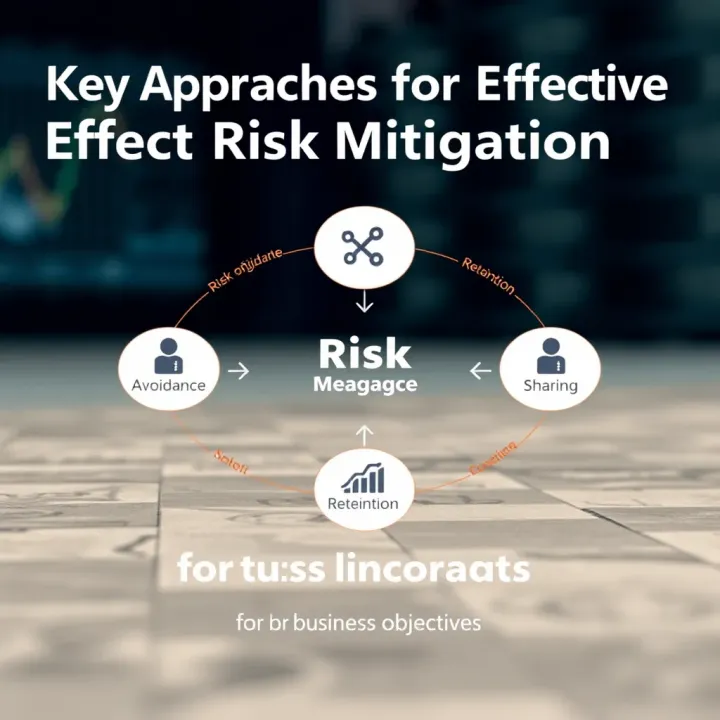
Handling risks effectively is key to keeping a business resilient. Choosing the right approach helps companies reduce potential damage and keeps operations running smoothly. This section breaks down three main strategies businesses use: avoiding or reducing risk, transferring or sharing it, and accepting while monitoring it. Each approach offers specific benefits and suits different situations.
Altering business processes can cut down risks right at the source. For instance, a manufacturing company might replace outdated machinery with newer, safer models to lower accident risks. Simplifying workflow steps can also reduce errors and delays, improving overall efficiency.
A practical example is how some retailers adjusted their inventory systems post-pandemic. By switching to just-in-time stock management, they avoided overstocking risks and minimized storage costs. Process changes like these directly impact risk levels by tightening control over key activities.
Educating employees about potential risks empowers them to act cautiously and spot issues early. Regular training sessions improve awareness and encourage safer habits, which can prevent costly mistakes or accidents.
For example, a financial firm conducting compliance training ensures staff understand regulatory requirements, reducing risk of fines or legal trouble. Training is an ongoing effort — companies that invest here often see fewer incidents and a stronger risk culture.
Insurance offers a safety net by transferring certain risks to a third party. Businesses pay premiums to cover specific exposures, like property damage, liability, or business interruption. This shifts financial burden away from the company if an incident occurs.
Consider a tech startup that purchases cyber insurance to guard against data breaches. While it can't stop attacks fully, the policy helps manage costs from potential lawsuits or recovery efforts, providing peace of mind.
Sharing risk through partnerships can ease direct exposure. Outsourcing non-core functions like payroll or IT support transfers responsibility to specialists better equipped to manage associated risks.
A manufacturing firm partnering with a logistics company shifts delivery risks onto the carrier. This approach not only shares risks but also often improves service quality and efficiency, as partners usually have more expertise in their domains.
Every business must decide what risks to accept based on their capacity and priorities. Setting clear tolerance levels guides decision-making, helping leaders avoid overreacting to minor risks or ignoring serious threats.
For example, an investor might accept some market volatility to pursue higher returns, but reject losses beyond a certain threshold. Defining these limits upfront improves focus and resource allocation.
Risk landscapes change, so businesses need to keep reviewing and monitoring their risk exposures. Regular audits, performance tracking, and updating strategies ensure risks stay within acceptable bounds.
A retail chain, for instance, reviews its supply chain risks quarterly to catch emerging issues like supplier insolvency or geopolitical disruptions. This ongoing vigilance helps spot problems early and adapt in time.
The bottom line is that no single approach fits all risks. Using a mix tailored to your business’s needs keeps you prepared, balanced, and ready to handle whatever comes your way.
Integrating risk management into daily business operations ensures that identifying and addressing potential threats becomes a natural part of decision-making rather than an afterthought. Doing so helps companies avoid costly surprises and maintain steady growth. For traders and analysts, this integration means risks are continuously monitored, making it easier to adapt strategies quickly when market conditions shift.
Clear roles and responsibilities are the backbone of any effective risk management plan. Assigning accountability ensures that team members understand their specific duties, whether it's spotting risks, evaluating their impact, or implementing controls. For example, in an investment firm, portfolio managers might be responsible for monitoring market risks, while compliance officers handle regulatory risks. This division helps keep risk management organized and prevents vital steps from falling through the cracks.
Well-defined procedures and guidelines standardize how risks are managed across the business. These documents serve as a roadmap so everyone knows what steps to follow when a risk arises. For instance, a brokerage might establish a protocol for handling cybersecurity threats, including immediate reporting, containment, and follow-up reviews. Consistent guidelines not only speed up responses but also reduce the chance of errors, which is particularly critical in fast-paced environments like trading floors.
Modern risk management software helps businesses track, assess, and report risks in real time. Platforms like MetricStream or LogicManager offer dashboards that consolidate data from various departments, giving a unified view of the organization's risk landscape. This technology streamlines communication and ensures decision-makers have up-to-date information to act on, cutting down the time it takes to respond to emerging threats.
Data analytics plays a big role in spotting patterns that might signal future risks. Using tools like Tableau or Power BI, companies can analyze large datasets—like trading volumes, market volatility, or operational logs—to detect anomalies early. For example, an investment firm might spot unusually high transaction volumes that precede market shifts, allowing preemptive adjustments. These insights provide a solid edge in managing risks proactively rather than reactively.
Embedding risk management into everyday business not only minimizes threats but also empowers teams to make smarter, faster decisions.
The bottom line is that combining clear planning with the right technology enables companies to handle risks as part of their daily routine, enhancing resilience and long-term success.
Clear communication about risks is essential in any business environment, especially for traders, investors, analysts, brokers, and educators who deal with fast-moving markets or strategic decisions. Transparent reporting keeps everyone on the same page about potential threats, enabling quicker responses and better decision-making. Without clear reporting, risks can go unnoticed or misunderstood, leading to costly surprises down the road.
Dashboards provide a real-time snapshot of risk levels across various business areas. For example, an investment firm might use a dashboard to track market volatility, credit exposures, and operational risks concurrently. This consolidated view helps teams spot trends or spikes immediately without sifting through endless reports. Scorecards often complement dashboards by offering performance metrics against predefined risk thresholds, making it easier for management to see where controls are working or failing.
This practical approach not only saves time but also keeps risk information accessible. Instead of lengthy reports buried in email threads, concise dashboards let decision-makers act quickly—critical in volatile markets.
Regular risk updates foster trust and ensure stakeholders are informed about evolving threats. Investors, board members, and regulatory bodies expect periodic briefings that outline significant risk changes, recent incidents, and mitigation progress. For example, a quarterly risk report could highlight new cyber threats or shifts in regulatory compliance.
Keeping reports consistent and timely prevents surprises. It also opens channels for feedback and questions, making risk management a two-way conversation rather than a one-sided announcement. This ongoing communication is vital for maintaining confidence in the organization's ability to handle risks.
Effective risk management depends on people understanding both the risks and their role in handling them. Training programs tailored to different roles educate employees about common risks, appropriate responses, and the importance of early reporting. For instance, a broker might receive specific training on fraud detection, while analysts focus on market risk signals.
Regular refresher courses and scenario-based drills keep risk awareness sharp. This proactive education fosters a workforce that doesn't just follow rules blindly but understands the "why" behind them, leading to a stronger risk culture.
When leaders actively champion risk management, it sets a tone that risk awareness matters at every level. For example, a CEO who regularly discusses risk exposures in company meetings signals that managing risks isn’t just the compliance team's job—it’s everyone's responsibility. Leadership involvement encourages openness, where employees feel safe reporting issues without fearing blame.
Moreover, leaders who invest resources into risk tools, training, and transparent reporting reinforce the message that the organization prioritizes stability and resilience. This top-down commitment often translates into better adherence to risk policies and faster problem resolution.
The bottom line is: effective risk communication and a strong risk-aware culture can mean the difference between surviving market shocks and being blindsided by them.
Discover how strong risk management safeguards assets, boosts decision-making, and enhances business performance for lasting success in Kenya 🇰🇪📊🔒.
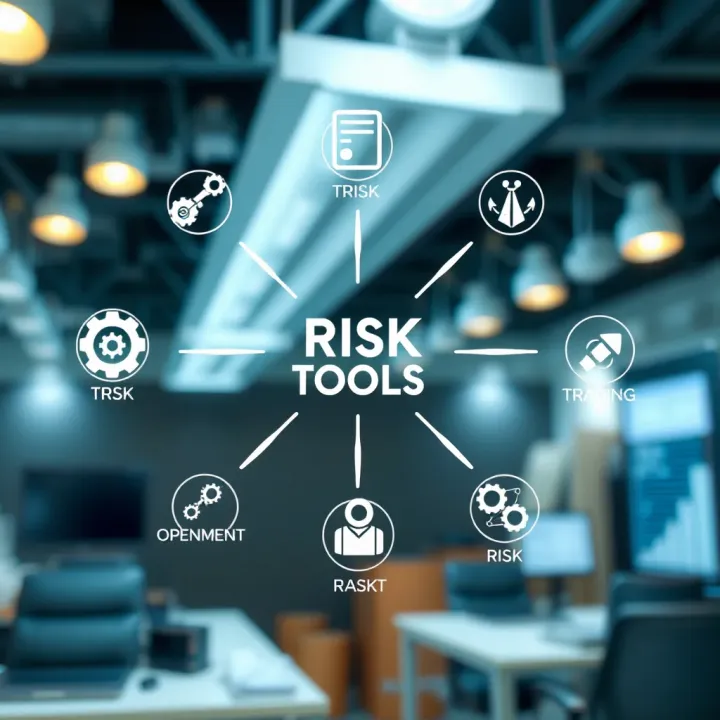
🔍 Learn how risk management tools help Kenyan businesses spot, assess, and control threats to protect operations and improve decision-making for long-term success.

🔍 Learn how to spot, assess, and handle risks to keep your business safe. Take the right steps for smart decisions and stay ahead of challenges.

Discover how smart risk management safeguards your business profits, steadies operations, and drives steady growth 📈. Learn best Kenya-specific practices for financial success.
Based on 8 reviews