

Benefits of Risk Management in Business
Discover how strong risk management safeguards assets, boosts decision-making, and enhances business performance for lasting success in Kenya 🇰🇪📊🔒.
Edited By
Liam Carter
Risk management tools are essential for Kenyan businesses to keep operations safe from unexpected disruptions. These tools help identify possible threats, evaluate their impact, and set up ways to control or reduce risks. Without clear methods to handle risks, businesses risk losing money, clients, or even their reputation.
In practical terms, risk management involves several steps: spotting risks early, assessing their potential severity, putting controls in place to manage them, and continuously monitoring to catch any changes. For example, a Nairobi-based textile company might use risk mapping to understand how supply chain delays affect production schedules. This allows the firm to plan for alternative suppliers or buffer stock.
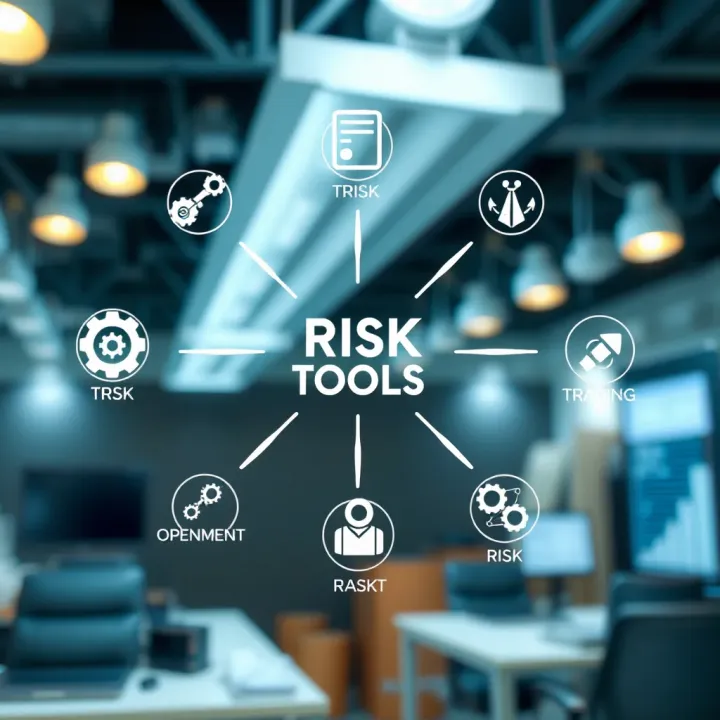
Many businesses also use risk registers — simple lists detailing risks, their chances, severity, and who is in charge of handling them. Such registers make it easier for business owners or managers to stay on top of potential issues. Another useful tool is the SWOT analysis (Strengths, Weaknesses, Opportunities, Threats), which helps identify internal and external risks, especially when planning for expansion within Kenya or the wider East African Community.
Risk assessment frameworks like Failure Mode and Effects Analysis (FMEA) or Bowtie models break down risks into causes and effects, guiding detailed responses. These frameworks suit industries where safety is critical, such as manufacturing or transport sectors.
Consistent use of these tools improves decision-making. When a retailer in Mombasa shows cash flow risks clearly through these methods, they can plan better around sales cycles and credit lines.
In addition to identifying and assessing risks, control measures are vital. These could involve adopting better IT security to prevent data breaches, securing insurance policies, or training staff on health and safety standards. Monitoring uses key performance indicators to signal when risks might be increasing, such as rising customer complaints or delays in supplier deliveries.
For Kenyan traders, investors, and analysts, mastering these risk management tools means handling uncertainties with confidence. Knowing what to expect and having clear strategies can protect businesses from shocks and create long-term stability in a competitive market.
Risk management tools help businesses identify, assess, and manage potential problems before they cause serious damage. In the Kenyan context, where economic and operational uncertainties can be frequent, these tools are essential for keeping enterprises afloat and competitive. For example, a Nairobi-based exporter facing currency fluctuations or supply delays can use risk tools to plan ahead and reduce losses.
Businesses in Kenya face various types of risks that can disrupt operations. These include market risks like changing customer preferences or inflation, operational risks from equipment failure or staff shortages, financial risks such as loan defaults or cash flow challenges, and compliance risks linked to local regulations. Understanding these risks clearly is the first step towards protecting your business.
Risk management tools play a direct role in minimizing losses by providing frameworks and data to anticipate problems early. For instance, a small agro-processing firm might use a simple risk checklist to monitor weather patterns and storage conditions, reducing spoilage. Digital tools such as accounting software integrated with M-Pesa transactions can alert business owners about cash shortage risks, allowing timely interventions.
One primary benefit of using risk management tools is protecting your assets and reputation. In Kenya, where word-of-mouth and trust impact customer loyalty heavily, a business that handles risks well is less likely to face damaging events like theft or service failures. This preservation creates resilience and improves chances of long-term success.
Meeting regulatory requirements is another crucial factor. Kenyan businesses must comply with various laws from the Kenya Revenue Authority (KRA) to the National Environment Management Authority (NEMA). Risk management tools help track these obligations and avoid costly penalties by flagging compliance deadlines and analysing the impact of changes in legislation.
Finally, risk tools enhance decision-making and business resilience. They provide concrete information, helping leaders make informed choices. For example, a Nairobi-based retailer using sales data and regional security reports as part of risk assessments can decide when to expand or scale down operations. This foresight results in quicker responses to market shifts and unforeseen challenges.
In a climate where uncertainty is common, Kenyan businesses that apply risk management tools effectively stand a better chance of thriving through ups and downs.
Using the right risk management tools is not just about safety; it is an investment in smarter, more sustainable business practices tailored to local realities.
Identifying risks accurately is the first step towards protecting a business from unexpected challenges. In Kenya’s dynamic business environment, risks can range from supply chain interruptions to regulatory changes or economic shocks. Using structured methods for risk identification helps businesses spot threats early and plan wisely. This section covers practical tools commonly used in Kenyan businesses, ensuring you can tailor your approach to fit local realities.

Creating risk checklists tailored for small and medium enterprises (SMEs) in Kenya involves compiling a list of potential risks relevant to the specific sector or locale. For example, a retail shop in Nairobi might include risks such as petty theft, inconsistent supplier deliveries, or power outages in its checklist. The key is simplicity and focus; checklists should reflect daily operational realities and known challenges in the business area.
Well-crafted questionnaires serve to gather insights from various team members on possible risks they’ve encountered or foresee. This participatory approach uncovers less obvious threats. For instance, a team member in a jua kali workshop might highlight risks tied to equipment breakdowns that don’t appear on a generic list.
However, checklists and questionnaires have their limits. They rely heavily on existing knowledge and can miss emerging or rare risks. They may also give a false sense of security if the checklist remains static and is not updated regularly. Furthermore, responses to questionnaires can be biased if staff feel uncomfortable sharing honest concerns, signalling the need for a trusting organisational culture.
Bringing together teams for brainstorming sessions encourages sharing different viewpoints, which often surface hidden or unexpected risks. For example, in a farming cooperative, a brainstorming session might reveal climate variability impacts that were previously underappreciated. By involving diverse departments—sales, finance, operations—you obtain a fuller picture of potential trouble spots.
Expert interviews add depth by tapping into experienced professionals who have seen similar risks unfold. In Kenya, engaging seasoned traders, accountants, or legal advisers reveals more subtle risks associated with market fluctuations, regulatory compliance, or contract disputes. Experts can also flag upcoming policy changes or economic trends that might not be widely known yet.
SWOT (Strengths, Weaknesses, Opportunities, Threats) analysis helps businesses identify internal weaknesses that could expose them to risk. For instance, a small manufacturer might discover that depending on a single supplier is a weak spot that could disrupt production. Recognising such internal challenges allows for risk reduction through diversification or backup arrangements.
On the external front, understanding threats in the Kenyan market is vital. Political instability around election seasons, currency fluctuations impacting import costs, or increased competition from informal sector businesses represent external risks. SWOT analysis forces an honest assessment, helping businesses prepare contingency plans against these external challenges.
Effective risk identification combines structured tools with local knowledge and team input. Kenyan businesses that actively scan for risks both inside and outside their operations stand a better chance of staying ahead and adjusting before problems escalate.
Measuring and assessing risks accurately is a key step in managing them effectively. Without clear tools to evaluate the likelihood and impact of various threats, businesses risk taking unnecessary chances or missing critical warning signs. For traders, investors, analysts, and brokers, practical risk assessment tools help to prioritise where to focus limited resources while improving strategic decisions.
Risk matrices and heat maps provide visual ways to rank risks based on their probability of occurring and the potential damage they could cause. A typical risk matrix places likelihood on one axis and impact on the other, creating a grid where risks can be plotted. This format makes it easy to identify high-priority risks—those that are both likely and damaging—and helps to communicate risk levels clearly across teams.
For example, a Kenyan manufacturing firm might use a risk matrix to assess the threat of supply chain disruptions during the long rains season. Disruptions that are both highly likely and severely affect production would appear in the red zone of the matrix, signalling the need for immediate controls or alternative suppliers.
Applying these visual tools locally brings many benefits. Many SMEs in Kenya operate with small teams, so having a heat map simplifies complex risk discussions. Also, these tools can be adapted for sector-specific risks, like transport delays in Nairobi’s busy matatu routes or cash flow issues tied to customer payment cycles. Visual aids can help business owners and managers communicate risks to stakeholders who might not have technical expertise.
Quantitative risk analysis uses numerical data to estimate the size and probability of risks. Basic tools include probability scoring—assigning a percentage chance a risk will occur—and impact scoring, which quantifies potential financial or operational losses. These scores enable prioritising risks based on measurable criteria rather than gut feeling.
Take for instance a retail investor analysing the risk of currency fluctuations affecting imported goods prices. By estimating the probability of Kenyan shilling depreciation against the US dollar, and multiplying this by the potential cost impact, the investor can set aside appropriate reserves or hedge currency exposure.
In recent years, software solutions have made quantitative analysis far more accessible. Kenyan businesses can use spreadsheet models or dedicated risk assessment software to crunch data, run simulations, and generate reports automatically. These platforms often integrate with existing finance and operations systems, making continuous risk monitoring smoother and more precise.
Effective use of risk measurement tools lets businesses focus on real threats while improving transparency with partners and regulators.
Local firms should pick measurement tools that match their scale and complexity. While large corporations might invest in advanced software, smaller traders can start with well-designed risk matrices and simple probability-impact charts. The key is to use data-driven insights to protect business interests and adapt to Kenya’s dynamic market conditions.
Managing and controlling risks is where strategy meets action. Kenyan businesses face a variety of challenges—from shifting market trends to regulatory changes—and having clear, practical ways to handle these risks ensures stability and continuity. Effective strategies help businesses decide which risks to bear, which to minimise, and which to transfer, all while preparing for unexpected disruptions. This approach not only protects assets but also enhances confidence among investors and stakeholders.
Deciding when to avoid or accept risks is a key decision for any business owner. If a risk threatens the core activities or could lead to significant losses—like a sudden change in government policy affecting import duties—it might be wiser to avoid it entirely. However, some risks are inevitable in business, such as fluctuating exchange rates. Here, accepting the risk but preparing to manage it effectively could be the best route.
Insurance products play a big role in transferring risk in Kenya. For example, an SME might protect itself from business interruption by buying a comprehensive insurance policy from companies like Britam or Jubilee Insurance. This cover helps absorb financial shocks from events such as fire, theft, or floods. It’s essential to match insurance cover to actual risks; over-insuring adds unnecessary costs, while under-insuring leaves the business vulnerable.
M-Pesa and other digital platforms offer new ways to transfer risks financially and operationally. Businesses can use M-Pesa Paybill or Till Numbers to handle payments securely and reduce cash-handling risks. Additionally, some startups now offer digital credit and insurance products integrated with mobile money, providing flexible, on-demand risk cover. These tools simplify risk transfer and boost liquidity management in the informal and formal sectors alike.
Clear policies and procedures form the backbone of risk control. Kenyan businesses should develop guidelines that address common risks, such as fraud prevention measures, inventory management, and safe transaction protocols. These policies ensure that everyone from the cashier to the manager follows consistent steps, reducing the chance of costly errors or misconduct.
Technology is increasingly important in risk mitigation. For instance, SMEs are adopting cloud accounting software like Xero or QuickBooks to maintain accurate records and detect financial anomalies early. Electronic point-of-sale (POS) systems help monitor sales and prevent theft in retail shops. Beyond finance, CCTV systems and access control technologies protect physical premises. On the contingency side, digital backup solutions and remote work tools help businesses continue operating during disruptions like power outages or pandemics.
Sound risk management requires a mix of smart decisions, solid policies, and practical technology. Kenyan businesses that balance these elements protect their future and strengthen their position in competitive markets.
By combining risk avoidance, reduction, transfer, and strong controls, businesses build resilience that pays off when challenges arise. Observing how local businesses apply these strategies provides useful lessons and underscores the value of ongoing risk management efforts.
Monitoring and reviewing risk management activities is essential to keep a business alert and ready to handle new challenges. This process ensures that risks are tracked continuously, and strategies remain relevant as the business and external environment change. For traders and investors, staying on top of risk developments helps avoid surprises that could impact investments or operations.
Using key risk indicators (KRIs): KRIs act like early warning signals that highlight shifts in risk levels before problems fully arise. For instance, a Kenyan import company might watch currency fluctuation rates as a KRI because sudden changes can affect import costs. By setting clear KRIs, businesses can spot risk trends and adjust strategies promptly. Regularly reviewing these indicators allows businesses to be proactive rather than reactive.
Regular risk audits: Conducting routine audits helps check if existing risk controls are working and whether new risks have emerged. A Nairobi-based manufacturing firm, for example, might schedule audits every quarter to examine supply chain disruptions or equipment failures. These audits provide a systematic look at vulnerabilities, ensuring that risk management is not a one-off effort but a continuous practice. Audits also help in meeting compliance demands from regulators or financiers.
Feedback loops and continuous improvement: Feedback mechanisms enable businesses to learn from past risk events and fine-tune their controls. Say a small retail outlet in Mombasa experiences inventory losses due to theft; regular feedback sessions with staff and suppliers can uncover how to improve storage or supervision. Continuous improvement means risk management is dynamic, evolving with each experience to reduce future threats more effectively.
Responding to changes in the business environment: Risk landscapes shift with economic policies, technology, or global events. For example, changes in Kenya’s trade tariffs or a new government regulation can alter market risks overnight. Businesses must remain flexible, adjusting their plans to these realities. Using updated market data and stakeholder insights ensures risk approaches stay in sync with actual conditions, keeping the business resilient.
Monitoring risks and revising management plans is not just a formal exercise but a practical way to protect your business from losses and build confidence with partners and investors.
By embedding diligent monitoring and review processes, Kenyan businesses can safeguard operations, enhance decision-making, and navigate uncertainty more confidently.
Discover how strong risk management safeguards assets, boosts decision-making, and enhances business performance for lasting success in Kenya 🇰🇪📊🔒.

📉 Master practical forex risk management strategies to safeguard your investments, navigate market swings, and make smarter trading decisions in Kenya.

🔍 Explore how Enterprise Risk Management (ERM) helps Kenyan businesses identify, assess, and manage risks effectively for stronger growth and stability.

Explore practical risk management strategies and assessment insights to navigate challenges and boost safety across sectors. 📊🛡️
Based on 9 reviews