

Effective Risk Management Strategies for Kenyan Businesses
📊 Learn practical risk management strategies Kenyan businesses use to handle financial, operational & market risks, stay competitive & secure growth in Kenya.
Edited By
Isabella Hughes
Risk management is the backbone for any business or financial venture looking to stay afloat in uncertain conditions. It’s about spotting potential threats to your capital or earnings before they hit, and taking steps to lessen their blow or avoid them altogether. Traders, investors, analysts, brokers, and educators all need a solid grip on these strategies to protect their interests and guide others effectively.
Effective risk management isn't just a defensive move; it's a strategic advantage that helps you take calculated actions without getting blindsided.

At its core, managing risk means:
Identifying risks: Knowing what kind of risks exist, whether they stem from market volatility, credit defaults, operational failures, or external shocks like regulatory changes.
Assessing risks: Measuring how likely these risks are and their potential impact on your business or portfolio.
Mitigating risks: Applying techniques to reduce exposure, such as diversification, hedging, or implementing internal controls.
Communicating risks: Ensuring all stakeholders understand the risks involved and the plans to address them.
For example, an investor aiming to handle market risk might diversify their holdings across sectors, thus not putting all their eggs in one basket. Similarly, a brokerage firm could use stop-loss orders to automatically sell securities when prices fall below a set threshold, limiting possible losses.
Tools like Value at Risk (VaR) give analysts a statistical estimate of potential losses over a certain period, providing a clearer picture of what’s hanging on the line. For businesses, risk audits combined with scenario analysis prepare leadership teams for sudden shifts.
Good communication forms the glue in risk management. If brokers don’t clearly explain risk profiles to their clients, those clients may make uninformed decisions that backfire. Educators who demonstrate real-world applications make learning practical and drive home why managing risk isn’t optional.
The bottom line: a well-rounded risk strategy involves concrete identification, careful assessment, thoughtful mitigation, and open communication. Every player in the financial game benefits from mastering these elements to not only survive, but thrive under uncertain conditions.
Spotting risks before they hit hard is one of the smartest moves a business or investor can make. Early identification helps prevent surprises that could cripple finances or damage reputations. In an environment where market conditions can flip overnight, catching risks early lets you act decisively, saving both time and money.
Market risks revolve around changes in demand, prices, or economic conditions that affect a company’s bottom line. For example, a trader relying heavily on tech stocks might face losses if a new regulation hits that sector unexpectedly. Economic downturns, inflation spikes, or shifts in consumer behavior all contribute to these risks. Ignoring these signals can leave a business vulnerable to sudden revenue drops.
Day-to-day operations are full of potential snags: from supply chain disruptions to staff errors. Consider a manufacturing firm where a single supplier delays shipments. That delay can halt production entirely and cost thousands. Identifying these weak points early—like outdated equipment or inefficient workflows—allows management to fix problems before they spiral.
Failure to meet legal or regulatory requirements can cost companies big fines or legal fees. For instance, banks must comply with strict financial regulations to avoid penalties. Ignoring changes in laws or industry standards threatens licenses to operate and public trust alike. Staying on top of compliance is essential to avoid costly litigation or shutdowns.
Financial exposure covers risks tied to cash flow, credit, or investments. A small business extending credit to risky clients might see cash shortages if those clients default. Similarly, investors holding assets in volatile markets face the risk of rapid valuation drops. Understanding where money is tied up, and how it might be at risk, gives you a clearer picture of your financial health.
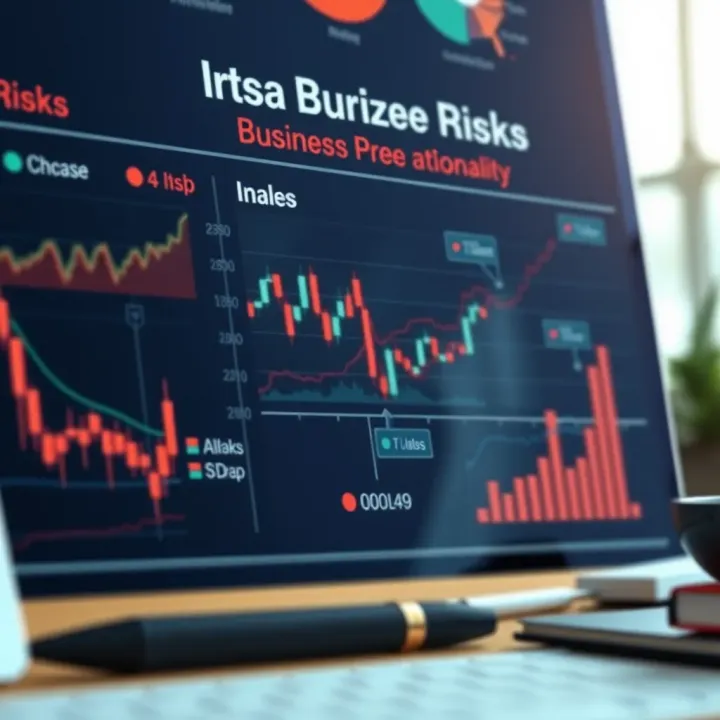
Routine audits are like check-ups for your business. They uncover hidden vulnerabilities and verify that controls are working. For example, quarterly financial audits can highlight errors or fraud early on. Operational audits might reveal gaps in security or workflow inefficiencies. Consistency in these reviews means you won’t be blindsided by issues that slowly build up.
Employees, customers, and partners often see early warning signs before management does. Creating channels for honest feedback—whether through surveys, meetings, or anonymous reports—helps expose risks that data might miss. For example, a sales team might flag a competitor’s new pricing strategy that could erode market share. Listening closely allows you to adjust plans swiftly.
Modern data analytics can predict trends and detect outliers that signal risk. Software that tracks market patterns, customer behavior, or internal operations can highlight warnings you’d otherwise overlook. A portfolio manager might use analytics to spot shifting correlations between assets, signaling emerging risks in investments. Data tools give you a sharper lens to foresee challenges before they become problems.
Identifying risks early isn’t about guessing the future; it’s about being prepared to adapt when uncertainty hits. Taking these steps gives you a head start in managing whatever comes your way.
Understanding and measuring risk is the backbone of effective risk management in business and finance. Before you can control threats, you need to evaluate how serious they are and how likely they might happen. This step helps you target resources and responses where they matter most, rather than spreading efforts too thin.
Interpreting risk impact and likelihood means figuring out two things: how bad a risk could be if it happens (impact) and how often it might occur (likelihood). Take a retail company worried about supply chain disruptions. The impact of a delayed shipment could be lost sales, while the likelihood depends on factors like vendor reliability or worldwide events. Understanding these helps assess which risks deserve immediate attention.
Assigning risk scores turns those impact and likelihood estimates into numbers or categories, making it easier to compare risks side by side. For example, a cybersecurity breach might score high both on impact and likelihood, indicating a serious threat. Scoring helps communicate risk levels clearly across teams, guiding decision-makers toward where action is urgent.
Using scenario analysis involves creating “what-if” cases to see how risks play out under different conditions. Think about an investment portfolio: what happens if interest rates suddenly jump, or if a key stock crashes? Running these scenarios lets you prepare responses and stress-test strategies before real issues hit. It’s like rehearsing for a storm rather than waiting for it to arrive.
Risk matrices and heat maps visually map risks based on their scores, often with colors where red flags the highest threats and green indicates low concern. This visual breakdown helps teams quickly spot which risks top the list and assists in communication across departments. For instance, a heat map might reveal that market volatility poses a bigger risk to a firm than operational hiccups.
Cost-benefit considerations come into play once risks are prioritized. Not every risk deserves equal resources; sometimes the cost to fix a problem outweighs the potential damage. Imagine a small business deciding whether to pay $10,000 to prevent a $5,000 loss from equipment failure. In such cases, accepting some risk might be wiser than over-spending on prevention.
Aligning risk priorities with business objectives ensures that managing risks supports what the company aims to achieve. If a tech startup focuses on rapid growth, its risk approach may emphasize financing and regulatory compliance over long-term asset protection. This alignment keeps risk management practical and directly tied to company goals rather than abstract principles.
Clear measurement and analysis turn vague threats into manageable priorities, helping businesses protect their capital efficiently and make confident decisions under uncertainty.
Businesses face risks every day, and how they manage those risks often determines their success or failure. Practical risk mitigation isn’t just about having a plan—it’s about actively reducing risks, sharing them where possible, and being ready for what’s left over. By adopting hands-on strategies, companies can avoid costly surprises and protect their assets. This section breaks down key approaches you can use to keep risks manageable and your operations smooth.
Implementing strong controls and protocols is fundamental to limiting business risk. These could include setting clear procedures for sensitive transactions or establishing multi-step approval processes for expenditures. For example, a trading firm might use strict verification steps before executing large-posiiton trades, reducing chances of costly errors or fraud. Strong controls act like guardrails, catching potential troubles before they snowball.
Diversifying assets or suppliers spreads risk across different sources, so you're not putting all your eggs in one basket. Imagine an investment portfolio focused solely on tech stocks: if the tech sector tanks, the whole portfolio suffers. By mixing in bonds, real estate, or international stocks, the risk lowers. Similarly, a manufacturer who sources parts from several suppliers won’t be paralyzed if one supplier runs into issues. This diversification cushions against shocks.
Training and employee awareness ensure everyone on the team understands where risks lie and how their actions impact the business. Regular workshops or orientation sessions can teach staff to spot red flags and follow risk protocols. For instance, employees trained in spot phishing emails can thwart cybersecurity threats before any damage. An informed workforce acts as the first line of defense.
Insurance policies are a classic way to transfer risk to another party. Business owners purchase insurance to cover losses from events like fire, theft, or liability claims. This strategy doesn’t eliminate the risk itself but shifts the financial burden if trouble happens. For example, a small investment firm might insure against data breaches, protecting them from costly lawsuits.
Outsourcing and partnerships move some risks outside your company by relying on external experts. Hiring a cloud provider means the responsibility for data security partially falls on that vendor. Similarly, a startup might partner with a logistics company instead of managing shipping in-house, shifting operational risks. This approach lets businesses focus on their strengths while professionals handle specialized risks.
Contracts and warranties legally share or limit risk among parties. A contract might specify who pays for damaged goods or unforeseen delays. Warranties provide assurances but also set limits on liability if things go wrong. For instance, a software company could include a warranty clause ensuring updates but disclaiming responsibility for third-party integrations. Properly crafted contracts reduce uncertainty.
Setting contingency plans means having fallback options ready if things go sideways. This could be backup suppliers, alternative financing sources, or disaster recovery plans. For example, an investment manager might develop a plan to rebalance a portfolio rapidly if market volatility spikes. Contingency plans minimize downtime and losses.
Maintaining emergency funds gives businesses a cushion to cover unexpected costs. Cash reserves let you handle urgent repairs, legal fees, or market downturns without scrambling for loans. A good rule is to hold three to six months of operating expenses in an accessible fund, which many financial advisors recommend. It’s a straightforward way to stay afloat during rough patches.
Regularly updating risk response strategies keeps businesses aligned with changing conditions. Markets, regulations, and technology evolve, so yesterday’s safeguards may no longer suffice. Scheduling quarterly risk reviews helps catch new threats early and adjust tactics accordingly. This ongoing attention avoids complacency and ensures your approach stays relevant.
The bottom line is that managing risk isn’t a one-off task but an ongoing cycle. Using practical mitigation tools—from controls to insurance to contingency funds—builds resilience that can protect your business against uncertainty and loss.
Integrating risk management into a company's culture ensures that managing risks becomes a routine part of decision-making, not just a box to check. It encourages proactive behavior across all levels, making the whole organization more resilient. When risk awareness is woven into daily operations, businesses spot challenges early, reduce surprises, and respond faster to market changes.
Creating feedback channels is about setting up clear ways for employees and stakeholders to share concerns or observations about risks without barriers. For instance, a retail company might use anonymous digital suggestion boxes or regular risk-focused team check-ins where workers can voice potential problems. These channels help catch issues before they snowball, improving overall risk visibility.
Leadership’s role in transparency sets the tone for open dialogue. Leaders who openly discuss risks, mistakes, and uncertainties create an environment where employees feel safe to do the same. Picture a trading firm where executives share market risk assessments in all-hands meetings. This approach builds trust, encourages honest reporting, and avoids the dangers of hidden or ignored risks.
Promoting a blame-free environment means shifting focus from punishing mistakes to learning from them. It’s crucial for a financial advisory firm to reinforce that identifying a risk or admitting an error is valued, rather than penalized. This mindset encourages people to report issues early, which can prevent bigger problems later. It also fosters continuous improvement and innovation in managing risk.
Risk management software provides centralized tools for tracking, analyzing, and reporting risks. For example, a multinational company might use platforms like Resolver or LogicManager to standardize risk documentation and monitor progress on mitigation tasks. These tools improve consistency and save time, especially across complex operations.
Real-time risk monitoring systems use sensors, digital dashboards, or data feeds to spot emerging threats immediately. A hedge fund, for instance, could deploy software that tracks market volatility indicators and alerts analysts to sudden shifts. This proactive monitoring enables quicker decisions and reduces reaction delays that can cost money.
Data security measures remain a foundational part of tech-driven risk management. Protecting sensitive financial data with encryption, multi-factor authentication, and regular penetration testing helps prevent breaches that can damage reputation and lead to hefty fines. A broker handling client portfolios needs robust data security to maintain trust and comply with regulations like SEC guidelines.
Embedding risk management into everyday business culture doesn’t just protect against losses; it creates a mindset where potential problems are seen as opportunities to strengthen and grow. The technology and communication practices supporting this integration make it practical and effective across industries.
📊 Learn practical risk management strategies Kenyan businesses use to handle financial, operational & market risks, stay competitive & secure growth in Kenya.

Discover how strong risk management safeguards assets, boosts decision-making, and enhances business performance for lasting success in Kenya 🇰🇪📊🔒.

🔍 Learn how risk management tools help Kenyan businesses spot, assess, and control threats to protect operations and improve decision-making for long-term success.

📊 Understand how to identify, assess, and manage financial risks in Kenya. Learn practical strategies and tools to protect your KSh investments and business stability.
Based on 6 reviews