

Effective Credit Risk Management in Kenyan Banks
Learn practical strategies for credit risk management in Kenyan banks 📊 Identify, assess, and reduce risks while ensuring financial stability and safety.
Edited By
Charlotte Lawson
Managing risk is a fundamental part of running a business anywhere, but for Kenyan enterprises, the approach has its unique challenges and opportunities. Local factors, such as fluctuating currency rates, regulatory changes by bodies like the Kenya Revenue Authority (KRA), and the volatility of certain markets, require specific strategies tailored to our environment.
Business leaders in Kenya, whether in Nairobi's vibrant SME sector or agricultural ventures in the rural shambas, must learn to spot risks early. This means understanding how financial uncertainties, from interest rate hikes by the Central Bank of Kenya (CBK) to delays in payments via M-Pesa, can disrupt cash flow. Operational risks, such as the sporadic availability of essential inputs or jitneys disrupting supply chains, also demand attention.
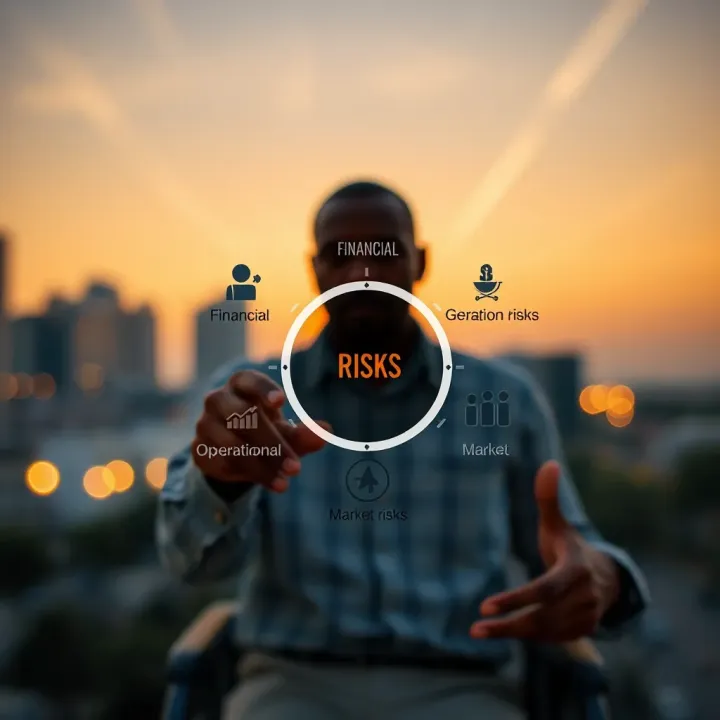
Effective risk management is not just about avoiding problems but preparing your business to respond fast and adapt wisely when challenges hit.
In practice, businesses should start by identifying all possible risks—short-term like matatu strikes affecting labour availability, or long-term like climate change impacting crop yields. After identification comes assessment, where you prioritize risks by their potential damage and likelihood. For example, a retailer in Mombasa might rank sudden import tariffs higher than seasonal foot traffic dips.
From there, the focus shifts to implementing controls. These might include diversifying suppliers to avoid dependence on one source, purchasing insurance against fluctuating fuel prices, or setting aside emergency funds with local banks such as Equity or KCB.
Regular monitoring plays a big part. Staying updated on policy changes from government or financial trends on the Nairobi Securities Exchange (NSE) gives your business breathing room to adjust. Communication within the team and with external stakeholders like suppliers or financiers is equally vital to keep everyone aligned during uncertain periods.
Ultimately, managing risk in Kenyan businesses means balancing risk-taking with protection. Smart traders, brokers, and investors use these strategies not just to survive but to seize opportunities that come out of the fog of uncertainty.
Good risk management starts with a clear grasp of what risk really means for a business. It’s about spotting potential problems before they cause trouble and figuring out how to deal with them effectively. For Kenyan businesses, where the market can be unpredictable—from currency changes to sudden policy shifts—understanding risk management is not just useful, it’s necessary.
Risk management is a systematic approach to identifying, analysing, and responding to threats that could affect business operations or goals. This means continuously watching for issues like supply chain hiccups, unstable financial markets, or even natural events such as the long rains affecting transport and logistics. The process involves several steps:
Identifying risks: Knowing what could go wrong, whether it’s delayed payments through M-Pesa, changes in import regulations, or competition from new players in the market.
Assessing impact and likelihood: Measuring how serious these risks are and how often they might happen.
Developing strategies: Deciding whether to avoid, reduce, transfer, or accept the risk.
Monitoring: Keeping an eye on risk factors and adjusting plans when needed.
For example, a Nairobi-based exporter might notice currency fluctuations affecting customers in Tanzania. Implementing a risk management plan might mean using forward contracts to lock in Kenyan shilling rates or diversifying markets to spread risk.
Managing risks well can protect profits and prevent surprises that could otherwise hurt the business badly. It helps companies in Kenya:
Save costs: By avoiding wasteful expenses caused by unforeseen problems like equipment breakdowns or fraud.
Increase confidence: Business owners, investors, and lenders feel more assured when a company can show how it handles risks.
Comply with regulations: Many Kenyan industries require businesses to have sound risk management practices, protecting them from legal troubles.
Adapt quicker: Whether it’s a change in tax policy from KRA or disruptions in local supply, businesses that plan for risks adjust faster.
Take a small manufacturing firm in Eldoret that faces power outages often. Good risk management might involve installing a backup generator or adjusting working hours to avoid peak load costs. This reduces downtime and helps maintain steady delivery.
Proper risk management doesn’t eliminate business challenges but helps you tackle them before they turn into serious setbacks.
Ultimately, understanding risk management offers Kenyan businesses a practical toolkit for navigating uncertainty. It turns potential threats into manageable tasks, securing growth and stability in a dynamic market.
Identifying and analysing potential risks is a key step for Kenyan businesses to stay ahead of challenges that might affect their performance. Without knowing what risks exist and how they could impact your operations, it’s difficult to manage or prepare for them effectively. This process helps businesses spot weak spots, allocate resources better, and make informed decisions that safeguard growth.
In Kenya, businesses often face financial risks from changes in currency value, especially with the shilling's movement against the dollar or euro. For instance, importers pay more when the shilling weakens, squeezing profit margins. Likewise, credit default risks arise when customers or partners fail to pay their debts on time, affecting cash flow. A local SME selling goods on credit to retailers might struggle to cover costs if payments are delayed.
Operational risks can disrupt day-to-day activities. Supply chain interruptions are common in Kenya, where poor road conditions or strike actions can delay delivery of critical goods. For example, a food processing company may lose produce if a key supplier fails to deliver due to rainy season floods blocking transport routes. Staff shortages also pose challenges, especially where skilled labour is scarce or turnover is high, as seen in sectors like jua kali manufacturing or tech start-ups.
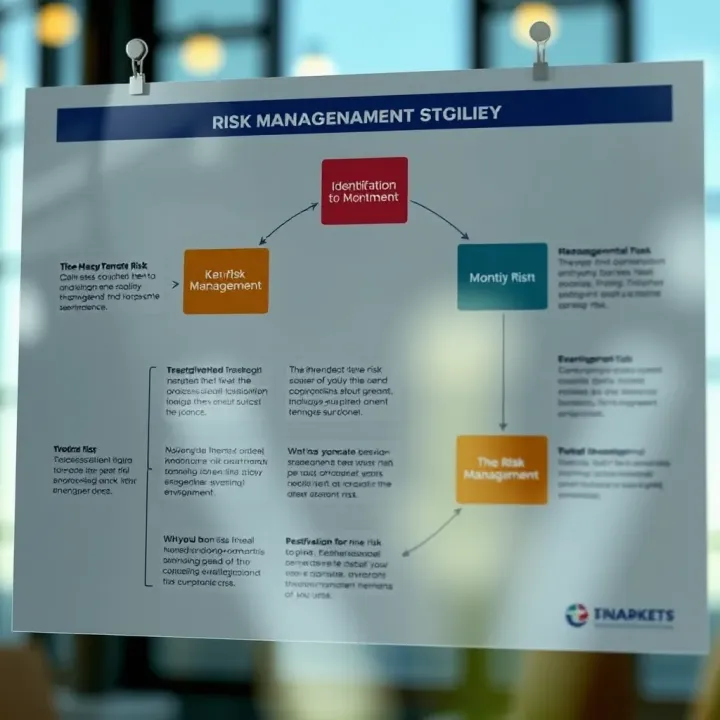
Market risks come from shifts in customer preferences or emerging competitors. A Nairobi-based retailer might suddenly lose customers if a new mall opens nearby offering more variety or better prices. Also, changes in consumer spending due to economic downturns mean businesses must adapt quickly. For example, demand for luxury items may drop during tougher economic times, affecting sales.
Kenyan businesses must navigate evolving regulatory environments. Non-compliance with new tax rules, labour laws, or environmental standards can lead to fines or closure. For example, companies failing to register with the Kenya Revenue Authority (KRA) or not submitting iTax returns risk penalties. Additionally, different counties sometimes enforce unique rules affecting operations, requiring constant legal monitoring.
Using a risk matrix helps businesses evaluate how likely a risk is to happen and the severity of its impact. This visual tool plots risks on a grid so you can prioritise which ones to tackle first. For example, a tech firm might find that data breaches are low likelihood but high impact, while power outages are high likelihood but medium impact, guiding where to focus resources.
Risk assessment can be done qualitatively by judging risks based on experience and expert opinion, or quantitatively by using data and numbers. Qualitative methods suit smaller businesses that rely on staff insights to identify risks, whereas larger firms may analyse financial records and market data to measure potential losses accurately. Combining both approaches offers a clearer picture of overall risk exposure.
Analysing risks is not a one-time task; regular reviews ensure businesses stay alert to new threats and adjust strategies accordingly.
Understanding these risks and how to assess them equips Kenyan businesses to plan well and reduce surprises. It lays a solid foundation for managing and controlling risks effectively.
Managing risk is not just about spotting problems but also taking the right steps to control them. For Kenyan businesses, practical strategies help reduce unexpected losses and ensure smoother operations. These strategies can save both time and money, especially where resources are limited and market conditions tend to be volatile.
Avoidance means steering clear of activities or decisions that could expose your business to risk. For example, a Nairobi-based exporter might avoid dealing with countries known for unstable currency or political turmoil. By choosing safer markets or suppliers, the business cuts down the chances of losses linked to sudden regulatory changes or payment defaults.
This approach is most useful when the cost of managing a risk outweighs its potential benefit. Kenyan traders who avoid unlicensed middlemen reduce exposure to fraud, while some manufacturers may avoid introducing new products until they better understand customer demand, saving on costly missteps.
Preventive controls aim to reduce the chances of risks happening. Practical examples in Kenya include regular equipment maintenance on tea farms in Kericho to prevent breakdowns during peak harvest or using robust accounting software to minimise human error in financial reporting.
These controls are an upfront investment that saves businesses from bigger expenses later. For instance, enforcing strict quality checks in Nairobi’s jua kali workshops prevents defective products, avoiding customer complaints and returns.
Kenyan businesses can transfer risk through insurance products tailored to local needs. For example, crop insurance protects farmers against drought or floods common during Kenya's long and short rainy seasons. Similarly, small businesses in Nairobi frequently use fire and theft insurance to safeguard their premises and stock.
Choosing the right insurance can be cost-effective. A boda boda operator might find third-party liability insurance essential, while a wholesale retailer would prioritise stock and business interruption coverage. Partnering with reputable Kenyan insurers ensures claims are handled reliably.
Sharing risk through partnerships spreads potential losses and improves resilience. For instance, a Nairobi tech start-up outsourcing customer support to a specialised firm lowers direct operational risks and benefits from expert handling.
Outsourcing logistics to local firms familiar with Nairobi’s traffic patterns reduces delivery delays, lowering operational risks. This approach also allows businesses to focus on their core strengths instead of juggling every function, thus improving overall risk management.
Sometimes risks cannot be avoided or transferred, so planning ahead becomes vital. Kenyan businesses prepare contingency plans to handle disruptions—for example, having backup suppliers in Mombasa ports to bypass delays or establishing remote working strategies during election periods when unrest may affect office operations.
A well-drafted contingency plan outlines steps to take in various scenarios, reducing panic and loss. It ensures that teams know their roles and can restore critical functions fast.
Setting aside funds specifically for emergencies helps businesses absorb shocks without collapsing. For example, a Nairobi retailer might allocate a portion of monthly profits into a reserve fund to cover unexpected rent hikes or supply chain interruptions.
Financial buffers act as a safety net, providing time to adjust strategies or find new income sources without rushing decisions. Businesses without these reserves risk forced shutdowns when faced with unforeseen expenses.
Practical risk management means combining different strategies suitable for your business type and environment. Kenyan entrepreneurs who balance avoidance, sharing, and preparation tend to weather storms better and grow sustainably.
Technology can be a solid partner for Kenyan businesses looking to manage risks more effectively. With digital tools, it becomes easier to monitor, analyse, and respond to risk factors that could otherwise slip under the radar. Using the right technology not only saves time but also improves accuracy, helping businesses make informed decisions quickly.
Risk tracking software helps businesses keep a clear record of potential threats and their current status. In Kenya, platforms like RiskWatch or the more affordable local software solutions help firms compile risk data centrally. This enables quick updates and generates reports automatically, which are crucial for ongoing risk assessment. For example, a small manufacturing firm in Eldoret might use Excel-based trackers to monitor supplier delays and stock levels, but as they grow, a specialised risk management tool can offer detailed impact analyses and real-time alerting.
The benefit of these systems lies in structured data collection. Kenyan investors or traders dealing with volatile markets—where currency fluctuations and political developments impact portfolios—can use such software to log incidents, forecast trends, and prepare accurate risk profiles. Regular reporting ensures that decision-makers stay informed without sorting through scattered emails or spreadsheets.
Effective risk management depends heavily on smooth communication within teams. Platforms like Microsoft Teams, Slack, or Zoom have become central for Kenyan businesses to ensure that all stakeholders share updates and critical risk insights fast. This matters particularly for firms operating in multiple counties or with remote teams where in-person meetings aren’t always practical.
These communication tools allow businesses to create dedicated channels or groups focusing solely on risk management. For instance, a Nairobi-based SME might set up a channel specifically for compliance updates or supply chain issues. Such focused communication helps avoid mixed messages and keeps everyone aligned on urgent risk matters. Plus, integration with scheduling and file sharing features means risk policies and contingency plans are accessible on the go.
In Kenya’s dynamic business environment, using technology for risk management isn’t just an option — it’s becoming necessary to stay competitive and responsive.
Combining risk tracking software with efficient communication platforms empowers businesses to act swiftly when risks surface, reducing potential losses. Still, businesses must weigh costs and user-friendliness when choosing tools, ensuring they match their operational scale and staff skills. Whether a trader monitoring market risks or an investor wanting clear reports, adopting the right technology can boost confidence and control in managing uncertainties.
Creating a risk-aware culture is more than just ticking boxes on compliance checklists; it means embedding an understanding of risk into the daily operations and mindset of a business. In Kenya's dynamic business environment, where market shifts, regulatory changes, and operational uncertainties are common, fostering a culture where everyone recognises and acts on risks can reduce surprises and improve decision-making.
Educating employees about risk is vital. It’s not enough to have policies tucked away in manuals; the workforce must understand what risks exist, how they impact tasks, and their role in managing these risks. Practical training sessions, tailored to different departments, help employees connect risk concepts to their daily activities. For example, sales teams should know how market demand fluctuations affect targets, while finance staff should be alert to credit risks and fraud.
Engagement goes beyond training courses. Involving employees in risk assessment exercises makes them feel part of the process and increases vigilance. Workshops or scenario planning sessions that replicate, say, supply chain disruptions due to transport strikes or currency volatility, help teams prepare responses. This hands-on approach keeps risk management practical rather than theoretical.
A critical aspect of a risk-aware culture is open communication. Employees need to feel safe reporting risks or near-misses without fear of blame. Establishing anonymous reporting channels or suggestion boxes can encourage more honest feedback, especially for operational risks that might be overlooked.
Regular meetings where teams share observations about emerging risks, such as delays in material deliveries or shifts in customer payment patterns via M-Pesa, foster a proactive atmosphere. This helps management detect issues early and adjust strategies promptly.
A straightforward culture where talking about risks is encouraged creates transparency, reduces hidden vulnerabilities, and strengthens trust within the business.
To sustain this culture, leadership must lead by example by listening, acting on reports, and rewarding responsible risk behaviours. When employees see their input valued, they become active partners in protecting the business.
Both training and open communication contribute to sharper risk awareness, better-prepared staff, and a resilience that suits the Kenyan trade and investment landscape. Businesses embracing this culture often navigate challenges more smoothly and maintain competitive edges even in uncertain times.
Learn practical strategies for credit risk management in Kenyan banks 📊 Identify, assess, and reduce risks while ensuring financial stability and safety.

📉 Master practical forex risk management strategies to safeguard your investments, navigate market swings, and make smarter trading decisions in Kenya.

🔍 Explore how Enterprise Risk Management (ERM) helps Kenyan businesses identify, assess, and manage risks effectively for stronger growth and stability.

Explore practical risk management strategies and assessment insights to navigate challenges and boost safety across sectors. 📊🛡️
Based on 13 reviews