
How to Start Forex Trading in Kenya Today
📈 Ready to start forex trading in Kenya? Learn how to pick regulated brokers, set up local accounts, manage risks, and use M-Pesa safely for smooth trading.
Edited By
David Mitchell
Forex trading stands out as one of the most dynamic and fast-moving sectors in finance, with a wide array of job opportunities for those looking to dive in. Whether you’re a seasoned trader, a data analyst, or someone fresh to the market, there’s a variety of roles that cater to different skill sets and interests.
The forex market operates 24 hours a day across major financial centers, which means traders and professionals are often working shifts, providing continuous monitoring and swift decision-making. This around-the-clock nature creates unique job opportunities unlike traditional markets.
Here are some typical roles you’ll find in forex trading:
Forex Trader: Directly buying and selling currencies to capitalize on market movements. Traders can work for banks, hedge funds, proprietary trading firms, or even independently.
Analyst: Specialists who study market trends, economic indicators, and geopolitical events to forecast currency price actions. Analysts are crucial for firms that rely on data-driven decisions.
Broker: Professionals who facilitate currency trades between buyers and sellers. Brokers make their revenue through spreads and commissions and help clients navigate the complexities of forex platforms.
Risk Manager: They monitor and control the risks associated with currency exposure to protect the financial health of trading firms.
Technology and Support Roles: From building automated trading algorithms to providing technical support, these behind-the-scenes jobs ensure trading runs smoothly.
Success in forex trading careers hinges not just on knowledge of markets but also on strong analytical skills, discipline, and adaptability. Knowing how to manage risk effectively can make the difference between consistent profits and heavy losses.
Getting started typically involves gaining a solid understanding of global economics, financial instruments, and trading platforms. Many traders use broker demo accounts to practice before risking real money. Networking, certifications like the Chartered Financial Analyst (CFA), or courses focusing on forex trading can also boost your chances.
In short, forex trading jobs offer a mix of excitement and challenge, with paths ranging from research to hands-on trading. If you’re drawn to fast decisions and global markets, this field has plenty to offer.
Understanding the landscape of forex trading careers helps you match your skills and interests with the jobs available in this dynamic market. Forex trading isn't just about jumping on price swings; it involves a range of roles that require diverse expertise, from crunching numbers to managing risks. For instance, knowing whether you prefer active trading or analyzing market trends can shape your career path and day-to-day work life.
Traders are the frontline players in forex markets, buying and selling currency pairs to capitalize on price movements. Day traders, swing traders, and position traders each adopt different timeframes and strategies, making this role quite versatile. For example, a day trader might execute dozens of trades within hours, while a position trader holds currency for weeks to catch bigger trends. The practical side of this role demands quick decision-making and a solid grasp of market mechanics.
Analysts provide the critical market insights traders and firms rely on. They interpret economic reports, political events, and technical charts to forecast currency movements. Unlike traders, analysts often focus on the bigger picture, drafting research and reports to support strategic decisions. Their work can be vital for risk managers and brokers, offering the data that inform trading policies and client advice.
Brokers serve as intermediaries between traders and the forex market. They facilitate transactions, provide trading platforms, and often advise clients on market conditions. For example, brokers working at a major firm like IG Group or Forex.com must ensure smooth order execution and compliance with regulations, which makes their role both client-facing and operational. Their ability to build trust and interpret client needs directly influences their success.
Risk managers focus on controlling potential losses in forex trading operations. They develop strategies that limit exposure to market volatility while ensuring compliance with financial regulations. In practice, a risk manager might set stop-loss levels or determine leverage limits for traders to prevent catastrophic losses, balancing profit goals with risk tolerance. Their role is especially relevant in institutions where protecting capital is a top priority.
The forex market operates 24 hours a day during weekdays, opening in Asia, moving through Europe, and closing in North America. This round-the-clock nature brings varying volatility levels; for example, the market tends to be most active during the London/New York overlap, creating opportunities and risks for traders. Knowing these windows helps professionals plan their trading and analysis accordingly.
Major banks, hedge funds, corporations, and retail traders shape forex liquidity and price movements. For example, a big central bank’s interest rate decisions can send ripples across currency pairs. Recognizing who moves the market aids traders and analysts in interpreting trends and positioning themselves wisely.
Reliable trading platforms like MetaTrader 4/5, cTrader, and proprietary software play a vital role by providing real-time data, execution speed, and analytical tools. Traders use these platforms to place orders, monitor positions, and run automated strategies. Brokers often choose platforms based on client preferences and functionality, which impacts the overall user experience and trading outcomes.
The bottom line is that forex trading careers are multifaceted, involving specialized roles and a fast-moving market structure. This overview sets the stage for understanding what each job demands and how the environment shapes those roles.
Forex trading demands a solid mix of technical know-how and personal skills. This combo helps traders, analysts, brokers, and managers navigate the highs and lows of fast-moving markets. Let's break down what you need to succeed.
Chart Analysis is the bread and butter of most forex roles. It involves reading price charts to spot patterns, trends, and potential turning points. For example, a trader might notice a “head and shoulders” pattern signaling a possible price drop and use that insight to decide when to sell. Chart analysis helps anticipate market moves by interpreting historical price behaviors.
Next, Fundamental Analysis looks beyond charts. It involves examining economic indicators like interest rates, employment data, and geopolitical events. Say the Federal Reserve hints at a rate hike; a forex analyst would predict the dollar's strength and adjust strategies accordingly. This skill is key for understanding the bigger picture driving currency moves.
With trading software, speed and accuracy matter. The Use of Trading Software means being proficient with platforms like MetaTrader or ThinkorSwim. These tools provide real-time data, order execution, and risk management options. Imagine trying to place trades during a sudden spike without quick software access—it's almost impossible. Familiarity with these programs boosts efficiency and gives traders the edge.
Dealing with market ups and downs tests Stress Management skills heavily. Forex markets can swing wildly, sometimes within minutes. A trader who panics under pressure risks costly mistakes. Practicing calm, staying focused, and using techniques like controlled breathing can help keep nerves in check.
Decision Making skills must be sharp and decisive. You rarely get the luxury to hesitate when markets shift suddenly. For instance, if a currency pair starts dropping rapidly due to breaking news, quick decisions can prevent losses or even capture gains. Good decision makers weigh limited info quickly and act confidently.
Finally, Discipline and Patience are vital over the long haul. Forex isn’t about quick wins—it requires sticking to strategies and resisting impulsive trades. A disciplined trader sets clear rules for entry and exit and follows them strictly. Meanwhile, patience helps when waiting for the right moment or recovering from a losing streak. Those who mix discipline with patience tend to sustain and grow profits.
Mastering both the technical and personal sides of forex trading improves your chances of turning market volatility into opportunity. These essential skills create a foundation that not only helps land forex roles but supports long-term success on the job.
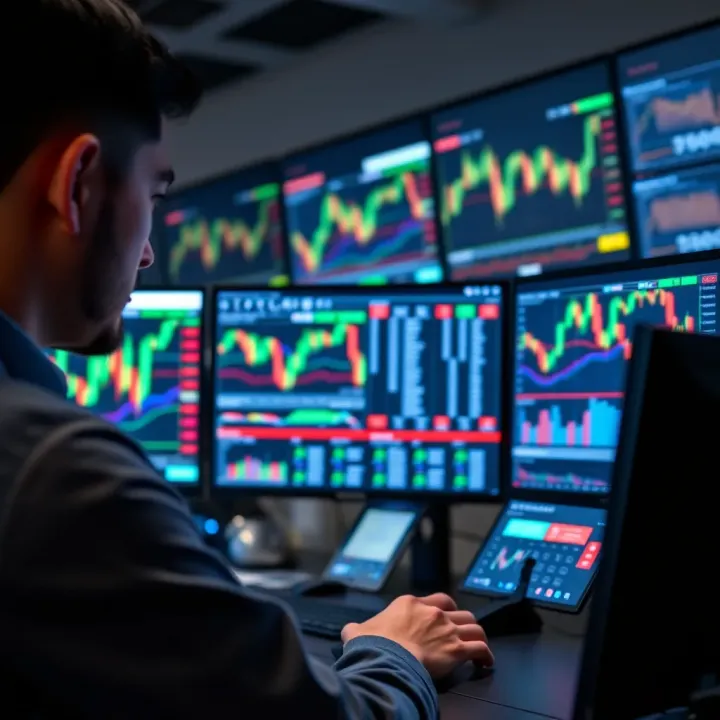
Starting a career in forex trading involves navigating several pathways, each offering a mix of education, hands-on experience, and certifications. Understanding these routes helps you prepare effectively and positions you for success. Whether your aim is to work for a trading firm or trade independently, the right combination of learning and practical exposure is crucial.
A degree in finance, economics, or a related field lays a solid foundation for a forex trading career. It covers essential topics like macroeconomics, financial markets, and investment strategies that directly impact currency trading decisions. For example, with a bachelor's in finance, you’ll understand how interest rates affect currency values or how global trade policies shift market dynamics.
Employers often prefer applicants with formal education because it demonstrates a grasp of the complex concepts behind market movements. Moreover, advanced degrees like a master's can enhance your credentials, especially if you wish to move into roles such as risk management or strategy development.
Certifications like the Chartered Financial Analyst (CFA) or Financial Risk Manager (FRM) signal specialized expertise to potential employers. The CFA program, for instance, dives deep into asset valuation, portfolio management, and market ethics — skills valuable for any forex analyst or trader.
These certifications require passing multiple exams and meeting experience requirements but reward you with credibility and often better job prospects. They also provide up-to-date knowledge of industry best practices, which is particularly important in the fast-evolving currency markets.
For many, online courses offer a flexible, cost-effective way to build forex-specific skills. Platforms like Coursera, Udemy, or specialized trading academies teach everything from basic trading concepts to technical chart analysis and platform usage.
This path works well if you’re switching careers or complementing your education. Real-world applications and simulations frequently included in these courses help bridge the gap between theory and practice. For example, taking a course on MetaTrader 5 could make you comfortable with the software widely used by retail forex traders.
Landing an entry-level role, such as a junior analyst or trading assistant at a financial firm, exposes you to live market conditions and professional trading environments. These roles provide on-the-job learning about trade execution, market research, and risk controls.
For instance, assisting senior traders at a hedge fund gives insight into decision-making under pressure and the use of proprietary trading systems. This practical experience is invaluable and often leads to more autonomous trading roles over time.
Internships offer a temporary, hands-on gateway into forex firms and financial institutions. Unlike short online courses, internships immerse you in the daily workflow, helping you understand market dynamics and organizational processes.
They're ideal for building professional networks while strengthening your resume. An internship at a brokerage firm might involve assisting with client accounts or market reporting, exposing you to the operational side of forex trading.
Before risking real money, demo trading with virtual funds lets you test strategies and understand market mechanics without financial stress. Most brokers provide demo accounts featuring live market data and standard trading tools.
Simulations help solidify your understanding of order types, margin requirements, and volatility impacts. Practicing consistently on demo platforms sharpens skills and builds confidence, so when you transition to live trading, you avoid rookie mistakes.
Building a strong educational background combined with practical experience is the best way to launch and sustain a career in forex trading. Each step, from learning to real market exposure, prepares you to face the complexities and opportunities of this market.
Finding a forex trading job is more than just browsing random listings; targeting the right channels can make all the difference. Knowing where to look helps you connect with employers who specifically value forex skills and experience. This section breaks down practical avenues where you can find forex trading opportunities and explains why each is worth considering.
Recruiters focused exclusively on financial markets and forex trading offer a tailored job search experience. Unlike generic job portals, they understand the niche demands of the forex industry—from required technical skills to certifications like the Series 3 or Chartered Financial Analyst (CFA). These recruiters often represent boutique trading firms or hedge funds and can provide personalized guidance, making it easier to find roles that match your profile.
For example, firms like Selby Jennings and GTS recruit traders and analysts regularly. Registering with these agencies can give you access to exclusive job openings not listed elsewhere, plus insider advice on preparing for interviews or assessing job offers.
Many large banks, proprietary trading firms, and financial service companies post forex trading roles directly on their websites. Names like JPMorgan Chase, Citadel, and Deutsche Bank have dedicated forex desks needing skilled traders, analysts, or brokers. Checking their career pages regularly keeps you in the loop about openings ranging from entry-level to senior positions.
Applying through company websites also puts you in touch with their HR teams who often look for candidates with specific qualifications or certifications. Keeping an eye on these portals is a solid strategy if you want to join established financial firms.
Joining professional groups related to finance and forex trading can open doors that online applications can't. Associations like the Global Association of Risk Professionals (GARP) or the Association of Professional Technical Analysts (APTA) offer networking chances, job boards, and mentorship opportunities.
Members share job leads and sometimes get early word on openings before they're widely advertised. Engaging actively in such groups also strengthens your credibility, showing recruiters you’re serious about the forex career path.
Forex trading conferences gather industry insiders, from veteran traders to broker reps and fintech innovators. Events like the Forex Expo or Trade Tech US offer not just learning sessions but also in-person networking that can lead to job offers.
Meeting potential employers face-to-face helps build rapport beyond a resume. Plus, these events spotlight emerging trading technologies and market trends that can give you a leg up during interviews or while negotiating offers.
The bottom line is, combining online searches with personal connections through recruiters, company sites, professional groups, and conferences maximizes your chances of landing the right forex trading job. Each avenue offers unique benefits catering to different stages of your job hunt.
Whether you're just starting or aiming to climb higher, knowing where to look and who to connect with keeps you ahead in the competitive world of forex careers.
The forex trading field offers enticing opportunities, but it's not without its challenges. Understanding these realities upfront can help you prepare better and manage expectations, especially as market conditions can shift in the blink of an eye. From coping with intense pressure to grappling with job market competition, the environment demands resilience and sharp focus.
Forex markets are known for their unpredictable swings, where currency values can surge or plummet based on economic news, political events, or global crises. For instance, a surprise interest rate change announced by the Federal Reserve can send shockwaves through currency pairs within minutes. Traders must be ready to react quickly, as delayed responses can result in missed opportunities or significant losses.
For professionals working in this space, volatility means constantly staying alert and sharpening analytical skills to distinguish between noise and meaningful trends. This rapid pace isn't ideal for everyone, especially those who prefer steadier environments. But if you thrive on fast-moving scenarios, it can be exhilarating.
Engaging in forex trading requires a solid appetite for financial risk. Unlike jobs with fixed salaries, many roles, particularly for independent traders, tie income directly to trading success. This means you could face losing streaks where your capital takes a hit. Managing your financial risk isn't just about placing stop losses on trades; it involves setting personal limits on how much money you're willing to risk day-to-day or month-to-month.
For companies hiring forex professionals, this aspect translates into careful vetting and training to ensure employees understand how to navigate financial exposure. Without prudence, the risk could spiral, leading to personal or organizational losses. One example is a trader at a hedge fund who ignored risk parameters and caused the fund to lose millions in a single day — a stark reminder of how financial risk commitment is a serious consideration.
The forex industry attracts many ambitious individuals, which creates stiff competition for positions. It’s not uncommon for roles like currency traders or analysts to draw hundreds of applicants, especially in financial hubs like New York or Chicago. Success demands not just technical knowledge but also a strong track record and networking skills.
This environment pushes professionals to consistently prove their value, with firms favoring those who can deliver steady, risk-adjusted returns. You may find that standing out requires going beyond traditional qualifications by showcasing unique insights or innovative trading strategies.
Unlike many corporate roles with consistent paychecks, income in forex trading jobs can vary widely. Salaries might include a base, but much of the compensation often ties to commissions, bonuses, or profit-sharing arrangements. During times of market calm, earnings might dip, while volatile periods can boost returns substantially.
For workers, this variability means budgeting and planning become crucial life skills. Financial ups and downs might be tough on personal stability, especially if your living expenses are fixed. It’s wise to maintain an emergency fund or secondary income streams when possible. Many seasoned traders advise new entrants to mentally prepare for these fluctuations to avoid stress from the unpredictable earning cycles.
Being aware of these challenges helps you approach forex trading jobs realistically — building strategies not only to succeed but also to manage the unavoidable stresses and uncertainties of this fast-paced field.
To thrive in forex trading careers, emphasizing continuous learning, adaptability, and risk management is essential. This market shifts quickly, and traders who don’t keep pace or manage their money carefully often find themselves on the losing side. Success in forex isn't just about knowing when to buy or sell—it’s also about how well you prepare for and respond to market changes.
Forex markets react to a wide range of factors—economic reports, geopolitical events, or central bank announcements. Staying updated means regularly following trusted financial news sources like Bloomberg or Reuters, as well as using specialized forex analytics platforms. For instance, when the Federal Reserve signals a change in interest rates, traders who catch that early can adjust their positions before trends fully develop.
Keeping an eye on market sentiment tools or currency strength meters also offers practical insights. These tools help traders anticipate moves by revealing how different currencies perform against one another, allowing quick decisions in volatile times.
No single trading strategy works forever. Market conditions can swing from trending to range-bound or volatile within days. Successful traders regularly review and tweak their approaches. For example, a breakout strategy may work well in a trending market but lose steam during sideways trading, requiring a switch to channels or range trading.
Besides market behavior, personal performance feedback plays a role. Some traders might find they handle high-frequency trades poorly under stress and may need to shift towards longer-term setups that suit their temperament and risk tolerance better.
One of the first rules in forex trading is setting clear stop-loss orders and daily loss limits. Without limits, a few bad trades can wipe out months of gains. For example, a trader might decide never to risk more than 2% of their account on a single trade or to step away if losses hit 5% in a day.
This kind of discipline protects capital and keeps emotions in check. When the market goes against your position, limits prevent small losses from snowballing into devastating ones.
Putting all your eggs in one basket rarely ends well in trading. Diversifying means trading different currency pairs that don’t move strictly in sync. For example, balancing trades between EUR/USD and USD/JPY can spread risk because economic drivers behind these pairs often differ.
Beyond currencies, some traders diversify by mixing spot forex trades with related markets like futures or options on currency pairs. This approach can smooth out returns and reduce exposure to single market shocks.
The bottom line is that staying flexible, keeping an eye on risks, and always learning will give you an advantage in forex trading careers. Relying solely on luck or sticking stubbornly to one method won’t cut it for long.
📈 Ready to start forex trading in Kenya? Learn how to pick regulated brokers, set up local accounts, manage risks, and use M-Pesa safely for smooth trading.

Explore the roots and key moments that shaped forex trading into a vibrant, global currency market 🌍. Learn how it evolved and why it matters today 💹.
📈 Learn how forex trading works in Kenya, covering currency exchange, trading tools, risks, rewards, and practical tips to get you started in the foreign exchange market.
📈 Master forex trading in Kenya with proven techniques on analysis, risk control, styles & tips to boost your trades and protect KSh investments confidently.
Based on 13 reviews