

Using Forex Trading Bots in Kenya: A Practical Guide
Discover how to use forex trading bots in Kenya🔍 Learn benefits, risks, legal tips⚖️ and practical strategies to improve your forex trading game🚀
Edited By
James Thornton
Forex trading, also known as currency trading, involves buying one currency and selling another simultaneously. It happens on the global foreign exchange market (Forex or FX market), where currencies from different countries are exchanged. For Kenyan traders, this market offers opportunities to profit from fluctuations in currency values, especially with popular pairs like USD/KES (US Dollar/Kenyan Shilling).
At its core, forex trading depends on currency pairs. Each pair shows how much one currency is worth compared to another. For example, if the USD/KES rate is 110, it means 1 US Dollar can be exchanged for 110 Kenyan Shillings. Traders speculate on whether the value will rise or fall to make gains.
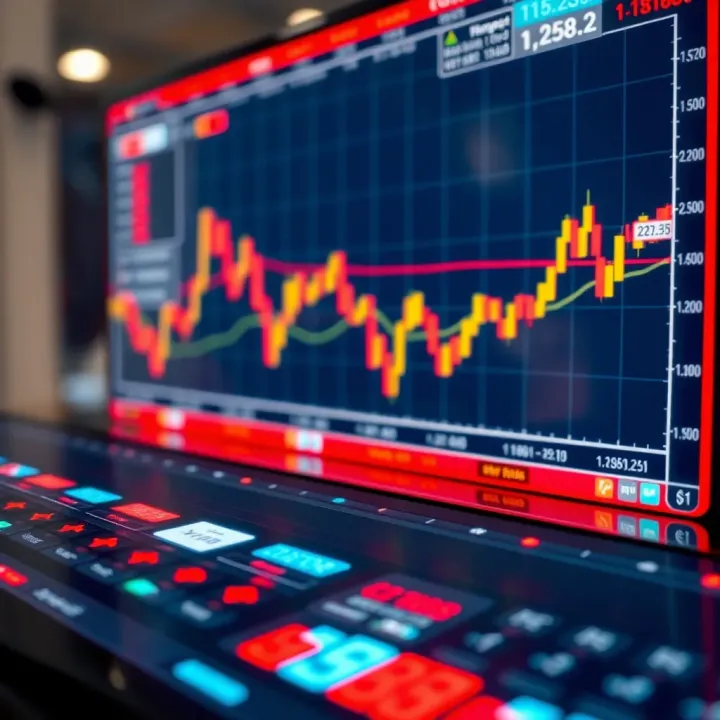
Unlike stock markets, the forex market operates 24 hours on weekdays, allowing you to trade almost anytime. It’s also highly liquid, meaning you can enter or exit positions quickly. However, this comes with notable risks, including volatility and leverage, which can amplify both profits and losses.
Kenyan traders often use online platforms and brokers registered locally or internationally to access forex markets. Platforms like MetaTrader and cTrader provide real-time charts, technical indicators, and tools for executing trades efficiently. Understanding these tools is essential before putting your money at risk.
Consistent success in forex trading requires more than luck; it demands knowledge of market behaviour, disciplined strategy, and proper risk management.
To get started practically, Kenyan traders should:
Learn how currency pairs work and the factors influencing their prices (such as economic reports and geopolitical events).
Familiarise themselves with basic trading concepts like pips (the smallest price move), lots (trade size), margin, and leverage.
Use demo accounts to practise without risking real money.
Choose brokers regulated by recognised authorities to ensure security and transparency.
In the coming sections, we will explore how trades are placed, essential analysis methods, the role of leverage, and actionable tips to trade safely and effectively within the Kenyan market context.
Understanding the basics of forex trading is vital for anyone who wants to navigate the currency markets successfully. Before you dive into buying and selling currencies, you must grasp key concepts like how currency pairs work and the dynamics of the foreign exchange (forex) market. This knowledge helps you make informed decisions rather than guesswork—and that could save you from costly mistakes.
Forex trading involves exchanging one currency for another with the aim of profiting from changes in exchange rates. This market is huge—the daily trading volume surpasses $6 trillion globally, making it the biggest financial market worldwide. For example, a Kenyan trader might buy US dollars (USD) with Kenyan shillings (KES) hoping the dollar will strengthen. If the USD gains value against the KES, the trader can then sell back the dollars for more shillings, thus making a profit.
Currency pairs in forex come in three types: major, minor, and exotic. Majors include the most traded pairs worldwide, such as EUR/USD (euro/US dollar) and USD/JPY (US dollar/Japanese yen). These pairs have the highest liquidity and usually the tightest spreads, making them popular among traders in Kenya and beyond.
Minor pairs exclude the US dollar but involve other major currencies like GBP/EUR (British pound/euro). Exotic pairs combine a major currency with a currency from developing or smaller economies, for instance, USD/KES (US dollar/Kenyan shilling). Exotic pairs often have wider spreads and can be more volatile, so Kenyan traders should be cautious when dealing with them.
Each currency pair lists two currencies: the base currency and the quote currency. The base currency comes first and represents the currency you buy or sell. The quote currency comes second and shows how much of it is needed to buy one unit of the base currency.
For example, in the pair USD/KES, USD is the base and KES is the quote. If the price shows 110, it means 110 Kenyan shillings are needed to buy one US dollar. Understanding this helps traders know which currency they are betting on and how price changes will affect profits or losses.
The bid price shows how much buyers are willing to pay for the base currency, while the ask price is the lowest price sellers accept. The difference between them is the spread, which is effectively a trading cost.
Knowing the bid-ask spread helps Kenyan traders manage costs, especially when trading often or with small accounts. For instance, a narrow spread on the EUR/USD pair means lower fees, which can make a big difference over many trades.
The forex market runs 24 hours a day from Sunday evening to Friday evening (EAT). It operates across four main sessions — Sydney, Tokyo, London, and New York — each with its own peak hours. Kenyan traders can find opportunities at nearly all hours, but liquidity and volatility vary.
For example, the London and New York sessions overlap in the afternoon EAT time, often producing higher trading volumes and bigger price movements. Timing your trades around these sessions can improve execution and potential profit.
Unlike stock markets, forex has no central exchange; it operates as an over-the-counter (OTC) market through a global network of banks, brokers, and traders. This decentralisation means price quotes can slightly differ between platforms, and liquidity depends on the participants active at the time.
For Kenyan traders, this decentralisation also allows access through multiple brokers, each possibly offering different spreads, leverage, and trading conditions. However, it stresses the importance of using regulated and well-reviewed brokers to avoid unnecessary risks.
Understanding these basics lays a strong foundation for trading forex confidently, knowing exactly how price quotes work and how the market functions around the clock.

Major pairs are highly liquid and cost-efficient to trade
The first currency in a pair is the base; the second is the quote
Bid and ask prices determine trade costs and execution
Forex trading happens 24/5 across global sessions
The market is decentralised, accessed through various brokers
Having a clear picture of these mechanics equips you to engage with forex trading the right way, avoiding traps and spotting real opportunities in the Kenyan context.
Understanding how forex trading happens in practice is essential for anyone looking to trade currencies effectively. This involves knowing how to open an account, place trades correctly, and use various tools and platforms that facilitate market access. For Kenyan traders in particular, considering local factors like broker selection and regulatory compliance adds another layer of importance.
Choosing a forex broker is the first step when entering the forex market. It’s important to select a broker regulated by the Capital Markets Authority (CMA) in Kenya to ensure safety of funds and compliance with local laws. A good broker also offers competitive spreads, transparent fees, and reliable customer support. For example, some brokers provide accounts that allow payment via M-Pesa, making deposits and withdrawals faster and more convenient for Kenyan traders.
Setting up an account with Kenyan considerations means understanding the documentation and verification needed. Typically, you will need a valid Kenyan ID or passport, a proof of residence such as a utility bill, and possibly KRA PIN details for tax purposes. Some brokers also require verification through the eCitizen platform. This setup process protects both the trader and the broker from fraud and ensures adherence to Kenyan financial regulations.
When placing trades, market orders and limit orders are fundamental. A market order means buying or selling immediately at the current market price, which is practical when you want to enter or exit quickly. Limit orders, on the other hand, are set to execute only at a specified price or better, useful for controlling entry costs and managing risk.
Leverage and margin explained shows how traders can control large positions using small amounts of capital. For instance, with 1:100 leverage, a trader can control KSh 100,000 with just KSh 1,000. However, this magnifies both profits and losses, so understanding margin requirements and risks is crucial.
Role of lot sizes refers to the volume of currency units bought or sold. Standard lots equal 100,000 units of currency, but many brokers offer mini (10,000 units) and micro lots (1,000 units) for smaller accounts. This flexibility allows Kenyan traders with limited capital to participate meaningfully in the forex market.
Popular trading platforms in Kenya include MetaTrader 4 (MT4), MetaTrader 5 (MT5), and cTrader. These platforms offer user-friendly interfaces and are compatible with desktops, mobiles, and tablets. MT4 remains widespread among Kenyan traders due to its simplicity and strong community support.
Charting tools and indicators help traders analyse price movements and spot trends. Popular indicators like Moving Averages, RSI (Relative Strength Index), and Bollinger Bands provide signals for potential buy or sell decisions. These tools make technical analysis accessible, helping traders make informed choices instead of relying on guesswork.
Access to timely information is key, so accessing market news and analysis keeps traders up-to-date with economic releases and geopolitical developments. Many platforms integrate news feeds that report on Kenyan and global events influencing forex prices. This information helps traders anticipate market shifts and adjust strategies accordingly.
Setting up your trading account carefully and understanding how to place orders accurately can save you costly mistakes. The tools and platform you choose will shape your trading experience.
Together, these practical steps form the backbone of day-to-day forex trading, grounding theory into real market participation for Kenyan traders and beyond.
Forex prices fluctuate due to many factors that reflect economic health, political stability, and market mood. Understanding these drivers lets traders predict movements and make better decisions. For instance, Kenyan shilling trades react usually to economic reports or political events that affect business and investment.
Interest rates are one of the strongest influences. When a country's central bank adjusts rates, it changes how attractive its currency is. For example, if the Central Bank of Kenya raises rates, investors may move money into shillings for higher returns, pushing the currency’s value up. Conversely, lower rates might weaken the shilling.
Inflation figures also matter. If inflation rises faster than expected, a currency tends to lose value because prices erode purchasing power. Traders watch Kenya’s inflation data closely; unexpected hikes can lead to shilling depreciation as investors fear reduced economic stability.
Employment data like job creation numbers show economic health. Strong employment growth in Kenya or key global economies usually signals business expansion, which supports the currency. Weak employment data often spells trouble, causing sudden shifts in forex prices.
Elections frequently cause uncertainty. Before a Kenyan election, traders might hesitate to buy the shilling due to possible policy changes. After a stable government forms, confidence can return, strengthening the currency. However, contested elections can trigger sharp falls.
Trade agreements and disputes shape currency demand. When Kenya signs favourable trade deals within the East African Community or beyond, it can boost exports and the shilling. Trade tensions or tariffs, on the other hand, make forex prices volatile by interrupting commerce.
Global tensions such as conflicts or diplomatic crises affect traders’ risk appetite worldwide. For example, tensions in the Middle East often push investors to safe-haven currencies like the US dollar while weakening riskier currencies. Kenyan traders should watch these developments, as they indirectly impact the shilling.
Investor psychology drives much of daily forex action. Fear or greed causes rapid moves beyond fundamentals. If many traders expect the shilling to weaken, selling pressure grows and self-fulfils these predictions.
Speculative trends also matter. Large forex players sometimes build positions based on technical signals or news, creating momentum. For example, rising demand for dollar loans can increase the USD/KES rate temporarily.
Impact of news and social media is growing fast. Breaking stories or viral social media posts can trigger immediate trades. Kenyan forex traders should track trusted news sources and official announcements to avoid surprise losses.
Keeping an eye on economic data, political events, and market mood helps you navigate forex markets with better timing and understanding.
By combining facts and trader sentiment, you can better read forex price movements and avoid being caught off guard.
One of the key aspects that every forex trader must grasp is managing risks and rewards effectively. Without a clear approach, it's easy to lose more than you gain, especially in a market as fast-moving as forex. Understanding both the dangers and the potential benefits helps traders make well-informed decisions and protects their capital from unexpected losses.
Volatility is the extent to which currency prices fluctuate over a short period. This is especially relevant in Kenya where global events, such as commodity price changes or political instability, often have an outsized impact on the Kenyan shilling (KES). For example, a sudden change in oil prices can cause the KES to move sharply against the USD. While volatility creates opportunities for profit, it also means risk - prices can swing quickly, catching traders off guard.
Leverage risks come into play because forex brokers often allow traders to control large positions with a small deposit, called margin. In Kenya, it's common to see leverage levels of 1:100 or more. This magnifies both gains and losses. For instance, a 1% market move in your favour might double your capital, but a 1% adverse move can wipe out your entire deposit. Mismanaging leverage often leads to swift account depletion.
Slippage and spread costs add to trading expenses and can affect profitability. The bid-ask spread is the difference between the buying and selling price, effectively a cost paid to the broker. In volatile markets or during low liquidity hours, slippage can occur — your order executes at a worse price than expected. For a busy trader on the Nairobi Stock Exchange (NSE), these small costs sum up quickly, so being aware and factoring them into strategy is vital.
Stop-loss and take-profit orders allow traders to pre-set exit points, limiting potential losses or securing gains without needing to monitor the market constantly. For example, if you buy EUR/USD at 1.1000, setting a stop-loss at 1.0950 ensures you don't lose more than 50 pips, while a take-profit at 1.1100 locks in a planned 100-pip gain. These orders are particularly useful for Kenyan traders who can't watch charts all day due to work or other commitments.
Position sizing refers to adjusting the amount invested per trade relative to the total capital. A trader with KSh 100,000 should avoid risking KSh 50,000 in one trade. A common rule is to risk only 1-2% of your trading capital per position. This approach safeguards your funds, allowing you to continue trading even after a string of losses.
Diversification means spreading trades across multiple currency pairs or financial instruments to reduce risk concentration. Relying solely on USD/KES can be risky if local factors hit that currency. Including pairs like EUR/USD or GBP/USD balances exposure. Diversification helps smoothen returns and prevents your whole portfolio from taking a hit at once.
Liquidity in the forex market is unmatched; it’s the largest financial market globally, with daily turnover exceeding $6 trillion. This means you can enter or exit trades quickly at transparent prices. For Kenyan traders, this means the ability to move funds efficiently without waiting long for buyers or sellers, which is not always the case in local stock trading.
Accessibility is a major draw. Forex trading only requires an internet connection and a trading account with a broker, many of which operate with low minimum deposits. This is ideal for many Kenyans in towns or rural areas who may find physical access to financial markets limited, but can trade from their mobile devices using M-Pesa to fund accounts.
Earning opportunities come from the market’s constant movement and use of leverage. Traders can profit whether prices go up or down by buying or selling currency pairs. Although trading isn’t a guaranteed way to make money, disciplined traders with proper strategies see realistic chances to build income over time.
Managing risks carefully while recognising the rewards is the foundation for successful forex trading. It’s not about winning every trade but protecting your capital and making consistent profits over the long run.
In summary, balancing risk and reward involves understanding market dangers like volatility and leverage, applying tools such as stop-loss orders and correct position sizing, and leveraging benefits like liquidity and accessibility. This strategy allows Kenyan traders to navigate the foreign exchange market confidently and smartly.
Starting forex trading in Kenya involves understanding not just the market basics, but also the legal framework, practical considerations, and how to navigate the common challenges. This section focuses on what especially matters for Kenyan traders, helping you build a solid foundation to trade safely and effectively.
Kenya's Capital Markets Authority (CMA) acts as the watchdog for forex trading activities. The CMA regulates brokers, ensuring they operate fairly and transparently. By choosing a broker licensed by the CMA, you avoid falling into traps set by unscrupulous operators. For example, CMA-licensed firms are mandated to keep clients' money in segregated accounts, reducing risks of loss due to broker bankruptcy or fraud.
Besides protecting your funds, compliance with CMA rules means brokers provide accurate forex pricing and reliable trade execution. CMA also enforces reporting standards that keep traders informed about market risks and broker performance. So, trading through regulated channels in Kenya is not just legal but offers an extra layer of security that benefits you directly.
When selecting a broker, look for those officially licensed by the CMA. Many international brokers claim local presence but may not meet CMA criteria. Choosing a licensed broker limits exposure to risks like unverifiable trade execution or sudden withdrawals of funds. For instance, brokers such as HF Markets and GFX Market are known to be CMA-regulated with physical offices in Nairobi.
Licensed brokers generally offer better customer service, local support, and faster deposit or withdrawal processes in Kenyan Shillings, often through M-Pesa or local bank transfers. This can make a big difference when you want to move funds quickly or face any issues that require prompt resolution.
Before risking real money, take advantage of learning resources and demo accounts offered by most brokers. Demo accounts simulate live trading without financial loss, letting you test strategies and get familiar with trading platforms. For example, you could practise trading the USD/KES pair on MetaTrader 4 demo accounts to see how price movements affect your positions.
Avoid the common trap of rushing into live trading with insufficient training. Many beginners get tempted by promises of quick profits but end up losing money due to lack of experience or unrealistic expectations. It's smart to spend several weeks or even months practising on demo accounts, attending webinars, or following well-regarded Kenyan trading forums before investing real cash.
Managing expectations is key. Forex trading isn’t a quick route to riches; it requires patience and consistent learning. Understand that losses are part of the process, especially in the beginning. Set achievable goals, such as aiming for steady gains of 2–3% monthly, rather than hoping to double your money quickly.
Wise traders in Kenya often recommend keeping a trading journal to track decisions and learn from mistakes. This habit cultivates discipline, helping beginners grow into more confident and skilled participants.
By adhering to these practical tips and choosing the right broker, you put yourself on the path to a safer and more productive forex trading experience in Kenya.
Discover how to use forex trading bots in Kenya🔍 Learn benefits, risks, legal tips⚖️ and practical strategies to improve your forex trading game🚀
Discover top forex trading classes in Kenya 🇰🇪 Learn practical skills, compare costs, and pick the best provider to boost your trading confidence today 📈
Explore the best forex brokers in Kenya 🇰🇪, learn about regulations, top picks, and tips to trade safely and confidently in the local market 💹
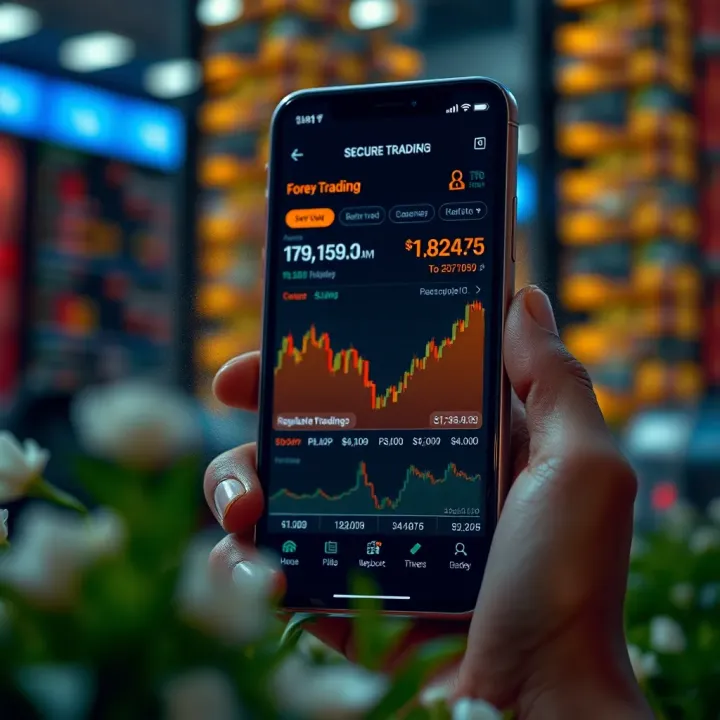
Explore the best forex trading apps in Kenya 📱, learn how to pick secure platforms, understand local rules, and trade confidently on your mobile device.
Based on 14 reviews