

Key Steps for Effective Risk Management in Organisations
📊 Learn practical steps for effective risk management in Kenyan businesses—identify, assess, plan, and control risks to safeguard operations and boost decision-making.
Edited By
Charlotte Hughes
Risk management isn't just a back-office task—it’s a key part of staying ahead in trading, investing, and any business dealing with uncertainty. Whether you’re an analyst forecasting market trends or a broker navigating client portfolios, knowing how to manage risks can save you from major losses and help spot opportunities.
The first step is recognizing what risks you face. These could be anything from market volatility, regulatory changes, credit issues, to operational lapses. For instance, an investor might notice increased volatility after an unexpected Fed announcement, which calls for reevaluating portfolio exposure. Identifying these risks early lets you prepare rather than react.
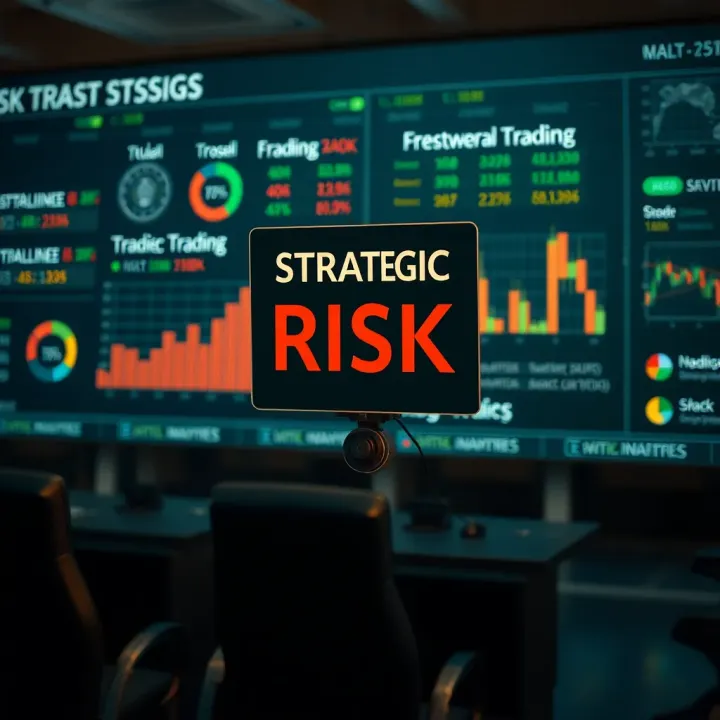
Next up is assessing and prioritizing those risks. Not all threats carry the same weight. Evaluating how likely a risk is to occur and the potential damage it could cause helps you focus on the biggest dangers. Suppose a trading firm has limited capital; the risk of a sudden drop in liquidity will be more critical than a minor tech glitch.
Developing a clear strategy to mitigate or capitalize on risks follows. This could mean diversifying investments, setting stop-loss orders, or using hedging instruments like options and futures. For example, a trader might use options to protect against a sharp decline in stock prices while still staying positioned for gains.
Finally, tracking the effectiveness of your risk management efforts over time is essential. Markets shift, and new risks appear, so ongoing monitoring through dashboards or risk reports ensures your tactics stay relevant. Tools such as risk analytics platforms can help spot changes swiftly.
Effective risk management balances caution with opportunity. It’s not about avoiding risks altogether but managing them smartly to protect resources and power better decisions.
In short, know your risks, evaluate them, act strategically, and keep an eye on results. This structure forms the backbone of sound risk management—helping you stay nimble and confident in unpredictable markets.
Understanding risk management is the backbone of smart decision-making for businesses, especially in the fast-moving worlds of trading, investing, and finance. It’s about identifying potential threats and figuring out how they could affect your operations and goals. Knowing what risk management entails helps you prepare, avoid costly surprises, and keep your organization moving forward steadily.
Businesses face many types of risks, from market volatility and credit default to operational failures and cybersecurity breaches. For example, a trader might worry about sudden market spikes, while a brokerage firm could be more concerned with compliance risks. These risks differ widely but share one thing in common: they have the potential to disrupt business.
The impact of these risks directly hits a company's objectives and daily operations. Imagine an investment firm suddenly losing client data due to a cyberattack—that’s not just a tech problem; it’s a threat to client trust and the firm’s reputation. Likewise, unexpected market downturns can force traders to rethink strategies overnight. Understanding how risks influence objectives makes it easier to set priorities and respond effectively.
Reducing uncertainty is a core purpose of risk management. When you map out risks clearly, you reduce guesswork. This clarity helps traders anticipate market shifts or legal teams prepare for regulatory changes, cutting down the surprises that can derail plans.
Besides lowering uncertainty, risk management improves planning and resource allocation. Take an investment manager who sees a rising risk in a particular industry; they can reallocate funds or hedge positions before the threat materializes. This proactive approach saves money and time while boosting confidence in strategic moves.
Another critical benefit is protecting assets and reputation. Risk management arms businesses with the tools to shield their physical assets, intellectual property, and brand image. For instance, insurance policies and data encryption protect against specific risks, preserving what’s valuable. The bottom line is, safeguarding what matters keeps a company stable and trustworthy in the eyes of clients, investors, and regulators.
Managing risk isn’t just about avoiding danger; it’s about making informed choices to sustain and grow your business despite uncertainty.
In sum, understanding what risk management entails lays the groundwork to handle threats wisely, secure resources, and keep operations on track in unpredictable environments.
Identifying risks thoroughly is the backbone of any solid risk management plan. If you skip or overlook critical threats early on, the chances of facing unexpected challenges skyrocket. This is especially true for traders, investors, analysts, and brokers, where missing a key risk can mean significant financial loss. The goal of risk identification is to spot potential problems before they materialize, giving you time to plan and respond wisely.
Internal assessments involve an honest look within your own organization to uncover risks lurking in operations, processes, or systems. For example, an investment firm might analyze its portfolio exposure or software infrastructure to detect vulnerabilities like market volatility or cybersecurity gaps. Conducting these assessments regularly helps catch issues that only insiders can recognize, such as inefficiencies or policy weaknesses.

Stakeholder consultations add valuable perspectives by involving clients, partners, employees, and even regulators in the risk discovery process. For instance, a broker might get feedback from clients about concerns over regulatory changes or economic shifts, which can reveal risks outside of internal view. Engaging stakeholders ensures that the risk identification process is grounded in practical realities and diverse viewpoints.
Industry trends analysis focuses on scanning broader market and sector developments that could impact your operations. Traders tracking trends like emerging technologies, regulatory changes, or geopolitical events gain an edge by anticipating risks not yet obvious internally. For example, shifts in trade policies or interest rates can heavily influence investment strategies, so staying informed helps spot potential threats early.
Checklists serve as practical, structured guides to spot common risks based on experience and industry standards. For a trading desk, a checklist might include market risk, credit risk, operational risk, and compliance checks. These lists prevent forgetting key areas and can be customized as conditions evolve. They work well as a starting point for less experienced teams or to double-check that nothing slips through the cracks.
Brainstorming sessions encourage team members to share ideas openly and creatively without judgment. This technique uncovers risks that might not be obvious through formal analysis alone. For example, an analyst group brainstorming session could reveal concerns about emerging cyber threats or unexpected supply chain hiccups affecting investments. This collaborative approach harnesses collective knowledge and sparks new perspectives.
SWOT analysis (Strengths, Weaknesses, Opportunities, Threats) takes a balanced look at internal and external factors impacting your risk landscape. Investors, for instance, can use SWOT to weigh their strengths, like strong liquidity, against threats such as a volatile market or new competitors. This method combines risk identification with a broader strategic view, helping you align risk responses with overall objectives.
The bottom line is that effective risk identification draws on varied sources and methods to build a comprehensive map of potential challenges. Missing this step or relying on a single approach can leave blind spots that catch you off guard later.
By gathering diverse information and using structured tools, you build a reliable foundation for the next steps in risk management, ensuring your strategy is based on clear, actionable intelligence.
Evaluating risks is a critical step in managing any organization’s uncertainty. It helps pinpoint which risks demand immediate attention and which can be monitored or accepted for the time being. Without accurate evaluation, businesses often spread their resources too thin or focus on minor threats while overlooking what could topple their operations. For traders, investors, and analysts, this means the difference between a smart decision that protects capital and one that leads to costly surprises.
When evaluating risks, estimating how likely a risk is to happen and the potential impact it could cause forms the backbone. There are two main ways to handle this: qualitative and quantitative methods. Qualitative approaches use descriptive terms like "high," "medium," or "low" to assess likelihood and impact. This can be helpful in situations where you don’t have hard numbers, such as emerging market volatility or new regulatory threats. For example, an investor might describe a geopolitical risk as "high likelihood" but "medium impact" based on expert insights rather than exact data.
Quantitative methods, on the other hand, use numerical data to assess risk—like calculating the probability of default on a bond or historical volatility percentages in a stock. This approach suits analysts and brokers who have access to large datasets and prefer measurable figures for more precise predictions. For instance, a financial analyst might use value-at-risk (VaR) models to estimate potential losses in a portfolio at a certain confidence level.
Using risk matrices is a straightforward way to combine likelihood and impact into an easily interpreted visual tool. A risk matrix typically places likelihood on one axis and impact on the other, creating a grid that helps decision-makers see which risks fall into the "critical" zone versus those that are less urgent. For example, a cybersecurity risk with high likelihood and severe impact would appear in the top-right corner, signaling it needs immediate action.
This method also simplifies communication across teams by turning complex evaluations into a shared language, making prioritization clearer. Risk matrices steer you away from guesswork and toward focused action plans.
Setting thresholds is essential to filter risks by how severe they are before deciding on a response. A threshold acts as a cutoff—any risk scoring above it moves up the priority list. For instance, a trader might set a loss threshold at 5%, meaning any position with a potential drop beyond that requires a review. Thresholds keep efforts efficient by concentrating focus on risks that truly endanger your objectives rather than every minor concern.
Focusing on critical risks means putting your most resources and attention into the threats that can cause the most damage. It’s common to face many risks, but not all warrant the same urgency or budget. By zeroing in on critical risks, managers can develop tailored mitigation and contingency strategies that prevent or soften blows where it matters most. For example, a broker may allocate additional compliance staff to address regulations with heavy fines, while less harmful risks might just be monitored.
The bottom line is that evaluating and ranking risks sharpens your risk management efforts, making sure you’re reacting to the right challenges, in the right way, at the right time. This practical prioritization saves time, money, and often reputation.
In short, a mix of qualitative and quantitative assessments, combined with clear risk matrices and well-defined thresholds, forms a solid framework. It equips traders, investors, and analysts to make informed, confident decisions, even when faced with uncertain futures.
Planning how to respond to risks is where theory meets action. This phase focuses on deciding what to do with the risks you've identified and prioritized. Without a clear plan, you’re just hoping bad stuff won’t happen. But with a solid strategy, you can protect your investments, safeguard your reputation, and keep business operations running smoothly—even when unexpected challenges hit.
Think of risk response planning as crafting your defensive playbook. It involves deciding to avoid certain risks, reduce their impact, transfer them elsewhere, or sometimes accept them with a plan ready if things go south. This approach helps you allocate resources smartly and improves your chances of bouncing back quickly after an issue.
Risk avoidance tactics aim to stop the risk from ever showing up. It’s like crossing the street only at a green light instead of jaywalking. For example, a trader might avoid investing in volatile penny stocks to prevent steep losses. Avoidance can mean dropping risky projects, choosing safer routes, or sticking to proven methods. While it effectively eliminates some risks, it might also mean missing out on potential gains, so balancing is key.
Beyond avoidance, mitigation measures work by lessening a risk’s impact or likelihood. A business might install fire suppression systems and conduct staff safety training to reduce fire damage risks. Investors might diversify portfolios to reduce exposure to any one sector. These tactics don’t eliminate the risk but keep it manageable, helping protect assets without shutting opportunities down.
Sometimes risks can be transferred to another party. Insurance is a classic example: a broker buys coverage to offset potential losses from client defaults. Outsourcing is another route—companies offload specialized or high-risk operations to third-party experts, moving responsibility off their books. This can free resources and reduce direct exposure, though you must trust the partner’s reliability.
Deciding when to accept risks happens when the cost of action outweighs the threat or when the risk’s impact is minimal. A small investor might accept minor currency fluctuations as the cost of doing business abroad. It's a pragmatic choice, recognizing some risk is inevitable but manageable without elaborate safeguards.
However, acceptance isn’t a blind gamble. Developing contingency plans means having a backup ready if a risk turns real. For example, an investment firm may draft protocols for sudden market crashes, including stop-loss policies and liquidity reserves. These plans should be clear, practical, and rehearsed to make sure the team can pivot quickly and minimize damage.
Solid risk response planning is about balancing action with realism—knowing what to avoid, what to contain, what to pass along, and when to just brace yourself with a plan.
This strategic mindset gives traders, investors, and analysts confidence to navigate uncertainties while safeguarding their core interests.
Tracking risks isn't a “set it and forget it” task. It's a dynamic process requiring ongoing attention to changes inside and outside your organization. Keeping a sharp eye on risk indicators and controls allows businesses and investors to spot warning signs early and adjust plans before issues escalate. Adapting plans also means revising strategies to reflect new realities, making risk management something that evolves instead of stays static.
Regular reviews and audits ensure your risk management framework is functioning as intended. They help verify that controls — whether processes, policies, or physical safeguards — still meet your needs. For example, a trader reviewing automated stop-loss orders regularly confirms these safeguards respond correctly during volatile market swings. Skipping these checks can leave you exposed to gaps as conditions shift.
These reviews also catch failures or lapses early, preventing small problems from snowballing into bigger losses. Audits by internal teams or external experts help maintain objectivity and spot overlooked risks.
Early warning systems act like the heartbeat monitor of your risk environment. These systems rely on key risk indicators (KRIs) — measurable signs that signal potential trouble ahead. Imagine an investor tracking the debt-to-equity ratio of portfolio companies. A sudden rise in this ratio might warn of financial stress before earnings reports confirm it.
By setting thresholds on these indicators, businesses can take proactive steps when warning signs flash. For instance, a brokerage might alert risk managers if client margin usage spikes unusually, signaling risk that needs immediate review.
Responding to changes in conditions means revisiting risk assessments whenever economic, market, or organizational factors shift. An analyst tracking geopolitical tensions must adjust risk profiles as new events unfold—failure to do so can leave decisions based on outdated assumptions.
This agility helps avoid surprises and ensures resources focus where they're needed most. If a company expands into an emerging market with different regulatory risks, updating the risk assessment keeps everyone aligned on the new challenges.
Continuous improvement ties into a cycle of learning from past experiences and refining risk approaches. After encountering a supply chain disruption, for example, a business might redesign contingency plans or diversify suppliers to reduce future impact.
Encouraging teams to share insights and spot inefficiencies promotes smarter risk management over time. The goal is a system that doesn’t just respond to problems but anticipates and lessens them before they grow.
Staying on top of risks isn’t a one-off task—it’s about keeping the pulse on your environment and adjusting your plans as life throws curveballs. That way, you stay ahead instead of scrambling behind.
Active monitoring coupled with flexible adaptation ensures risk management remains a practical, living process that protects assets and supports sound decision-making.
📊 Learn practical steps for effective risk management in Kenyan businesses—identify, assess, plan, and control risks to safeguard operations and boost decision-making.
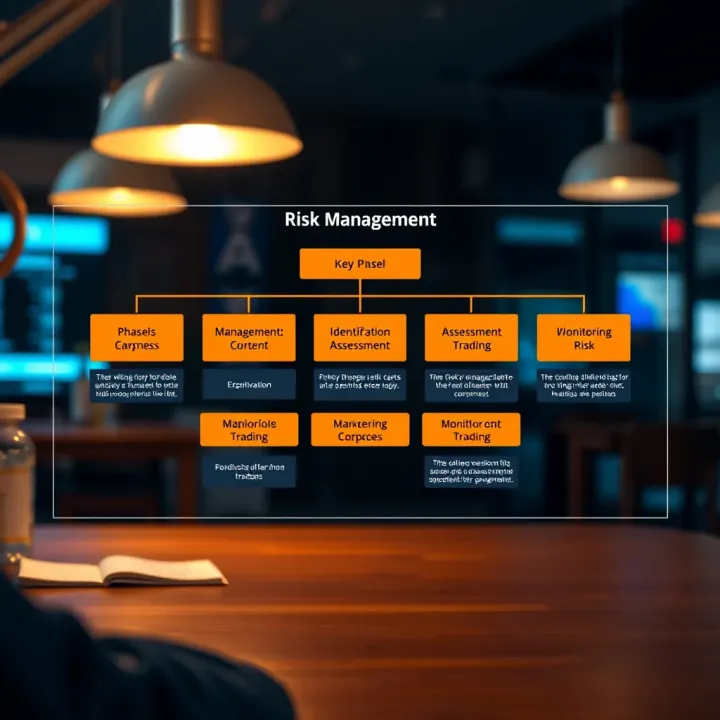
📋 Learn how Kenyan businesses can create practical risk management plans to identify, assess, and control threats, ensuring smooth operations and better decisions.

📊 Learn how to craft a practical risk management plan to spot challenges, assess risks, and set clear steps for mitigation. Stay adaptable by updating regularly for your industry.
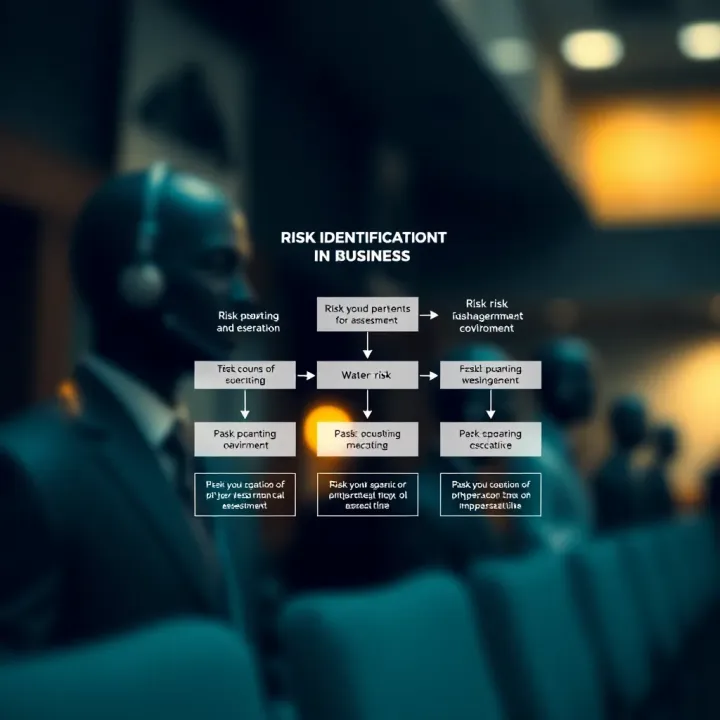
🏢 Understand the key steps in risk management to spot, assess, and control threats impacting your Kenyan business or project. Make safer, smarter decisions today.
Based on 15 reviews