

Smart Forex Risk Management Tips for Traders
📉 Master practical forex risk management strategies to safeguard your investments, navigate market swings, and make smarter trading decisions in Kenya.
Edited By
Emily Brooks
Risk management plans are essential tools for Kenyan businesses and institutions. They help identify potential risks before these issues spiral out of control, saving resources and protecting reputations. A practical risk management plan doesn’t have to be complicated; it must simply be clear and actionable.
At its core, risk management involves spotting what could go wrong, gauging how serious these risks are, putting controls in place to reduce their impact, and regularly checking that these measures work. For traders and investors, this process is vital to avoid unexpected losses and make better decisions. Analysts and brokers benefit by understanding risks in client portfolios and advising on safer strategies. Educators can also pass on these skills, preparing future professionals to handle uncertainties confidently.
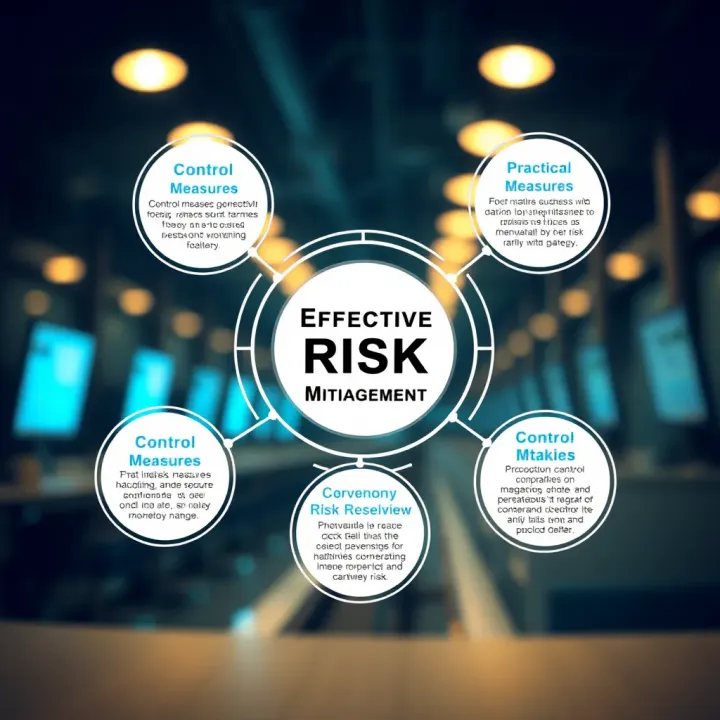
An effective risk management plan turns uncertainty into manageable challenges. It’s about preparing for the unexpected, not eliminating risk altogether.
Kenyan businesses face various risks—from market fluctuations, supply chain interruptions, to regulatory changes. A practical risk management plan helps:
Identify risks specific to your business or sector.
Assess the likelihood and impact of these risks.
Implement control measures to prevent or reduce risk exposure.
Monitor and review risks as business conditions change.
For example, a small hotel in Mombasa may face risks like power outages or tourism slumps during low seasons. Recognising these allows the owner to arrange backup generators and diversify marketing efforts.
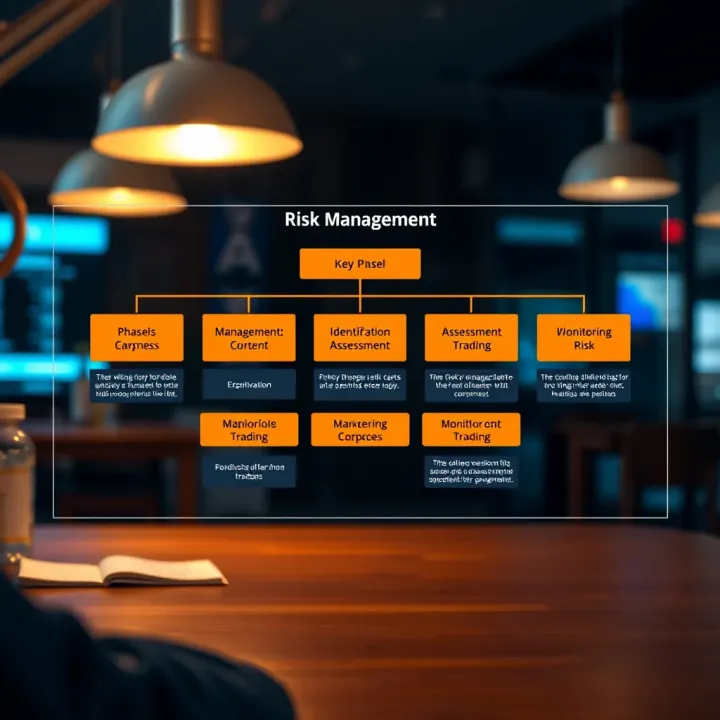
Risk Identification: Gather inputs from your team and stakeholders to list possible risks.
Risk Assessment: Use a simple scoring system to prioritise risks based on their impact and probability.
Control Measures: Assign actions such as settling supplier contracts early to reduce supply chain delays.
Monitoring: Regularly review the risk environment — for instance, changes in Nairobi’s traffic patterns might affect delivery times.
Keep documentation simple and accessible.
Involve teams across departments for diverse perspectives.
Use Kenyan examples and data to assess risks realistically.
Update your plan quarterly, especially following major events or market shifts.
Taking a straightforward, step-by-step approach ensures your risk management plan is not just another file on the shelf but a living document guiding your daily decisions.
Understanding risk management is vital for any organisation aiming to navigate uncertainties effectively. In simple terms, risk management involves recognising potential threats that could disrupt business operations and taking steps to minimise their impact. For example, a Nairobi-based coffee exporter might face risks like price volatility in the global market or delays in transport logistics. Planning ahead helps manage such risks before they evolve into bigger problems.
Risk refers to any uncertain event or condition that can affect an organisation’s objectives negatively or positively. Risk management is the systematic process of identifying, assessing, and controlling those risks to reduce their adverse effects. For Kenyan businesses, this means applying practical measures such as using risk checklists or developing contingency plans to safeguard against hazards—from fluctuating exchange rates to regulatory changes.
Organisations that actively manage risk tend to survive shocks better and sustain growth. For instance, a jua kali workshop that anticipates equipment breakdowns by setting aside maintenance funds faces fewer disruptions. Having a clear risk approach means resources are wisely used, decisions are more informed, and operations continue smoothly despite setbacks.
A risk management plan helps organisations guard their assets and resources effectively. Take a local retailer in Kisumu who insures stock against theft or fire and trains staff on security procedures. These steps minimise losses and avoid costly downtime, keeping the business resilient.
Clear understanding of risks improves the quality of decisions. An investment firm, for example, analyses market risks before advising clients on portfolio choices. This knowledge sharpens strategies and reduces exposure to sudden shocks, making choices data-driven rather than guesswork.
Keeping up with government regulations is critical to avoid penalties. A bank in Mombasa with a risk plan regularly checks compliance with Central Bank of Kenya’s (CBK) directives, updating policies as laws change. This proactive approach helps maintain good standing with regulators and builds trust among customers.
A robust risk management plan is more than paperwork—it is a tool that protects resources, guides smarter decisions, and ensures lawful operations, especially in today's Kenyan business environment.
With these fundamentals, organisations can turn risk from a threat into an informed challenge they know how to meet.
Creating a practical risk management plan involves several clear steps that help businesses spot threats before they spiral out of control. These steps offer a roadmap to organise, assess, and tackle risks methodically. For Kenyan traders and investors, following these steps means not just surviving market uncertainties but turning risks into opportunities for growth.
Brainstorming sessions with teams bring out diverse perspectives from people who understand various parts of the business. Gathering your sales, finance, and operations teams for open discussions can reveal hidden risks, such as a sudden change in supplier prices or disruptions in transport caused by rainy seasons affecting matatus. This collaborative approach helps ensure no stone is left unturned in spotting potential challenges.
Reviewing past incidents and data provides solid lessons from what went wrong or right before. For example, a Kenyan retailer may look at past sales drops during election periods or times when fuel shortages hit hard. Analysing this data offers insights into seasonal or event-driven risks, letting businesses prepare better next time.
Using checklists and risk registers serves as a structured way to capture and track identified risks consistently. Checklists might cover areas like regulatory changes from KRA, supplier reliability, or cybersecurity threats to online payment systems like M-Pesa. Maintaining a risk register updates the team on risk status and helps prioritise which threats need immediate attention.
Qualitative assessment methods use descriptive terms like "high", "medium", or "low" to rate risks. This approach suits businesses with limited access to exact data yet needing a practical way to judge which risks carry more threat. For instance, a taxi service in Nairobi might consider the "high" likelihood of traffic jams affecting delivery times without quantifying every delay.
Quantitative risk analysis involves calculating risks using numbers—for example, estimating the financial loss if sales drop by 20% during a particular quarter. Larger firms or investors often use this method to set aside budgets or insurance based on expected costs. It’s a more detailed way to understand how much a risk can hurt the bottom line.
Prioritising risks based on impact means focusing on those threats that could cause the biggest damage or disruption. A small café, for example, might decide that equipment breakdown is a bigger risk than slow customer turnout on weekdays, so it invests more in regular maintenance. This step ensures that limited resources target the most pressing concerns first.
Developing a solid risk management plan starts with knowing what risks exist, judging how serious they are, then organising a clear plan to address them. These key steps turn uncertainty into manageable challenges.
Designing effective controls and mitigation measures is a core step in managing risks that Kenyan businesses and institutions face daily. This process ensures that identified risks are not just acknowledged but are actively managed to reduce potential harm or losses. Well-crafted controls help organisations maintain smooth operations, protect assets, and secure stakeholder confidence. For example, a trading firm in Nairobi might implement tighter credit checks to avoid defaults from unreliable clients, directly reducing financial exposure.
Avoidance involves steering clear of activities that expose an organisation to risk. While it may seem simple, this strategy demands careful decision-making. For instance, a small investment firm might avoid volatile forex markets until it gains more expertise, thereby preventing unnecessary losses. Reduction, on the other hand, focuses on minimising risk impact. A merchant doing business in flood-prone areas could reinforce warehouses or diversify storage sites. This practical step lowers the chance of significant damage and business interruption.
Transferring risk means passing it on to a third party, usually through insurance or outsourcing. A Kenyan manufacturer, for instance, might buy comprehensive fire insurance to shift the financial burden of potential fire damage. Sharing involves partnering or joint ventures where risks and rewards distribute across parties. In agriculture, some farmers pool resources to manage weather-related risks collectively. This approach can alleviate individual burdens while enabling bigger projects.
Sometimes, risks are too small or too costly to mitigate effectively. In such cases, organisations accept the risk but prepare for it. For example, a retail business might expect occasional stock theft but prepares by setting aside emergency funds and protocols. Contingency planning helps react swiftly if the risk materialises. A bank may have backup data centres ready in case of technical failure. This preparedness minimises downtime and loss.
Establishing clear policies and procedures sets a solid foundation for consistent risk management. These documents spell out how staff should handle risks, from daily operations to crisis situations. For example, an investment firm with strict anti-fraud policies and checks reduces chances of insider theft. Regular updates ensure policies reflect changing environments while guiding employees properly.
Staff understanding and participation are vital in managing risks well. Training programmes raise awareness about recognising dangers and following set controls. Banks in Kenya often train tellers and loan officers on fraud spotting and compliance with KRA and CBK regulations. Besides initial training, ongoing sessions keep the organisation alert and responsive.
Using appropriate technology can greatly improve risk control effectiveness. Software for real-time monitoring, such as fraud detection programmes in mobile money platforms like M-Pesa, helps catch issues early. Likewise, inventory management systems prevent stock losses. Kenyan businesses benefit when they select tools suited to their scale and risk profile, ensuring smoother risk tracking and response.
Effective controls turn risk management from a theoretical plan into practical protection, preserving resources and boosting confidence among investors and clients.
By designing and implementing tailored controls and mitigation steps, organisations position themselves not just to survive risks but to thrive despite them.
Keeping a close eye on your risk management plan is essential to make sure it stays relevant and effective. This ongoing process helps organisations spot new threats, measure how well controls are working, and adjust strategies before problems spiral out of control. For Kenyan businesses, where market conditions and regulations can shift quickly, regular monitoring avoids surprises that could harm operations or finances.
Key risk indicators (KRIs) are practical tools that show early signs of increasing risk levels. These indicators might be financial metrics, operational data, or any measurable factor that flags potential trouble. For example, a drop in inventory turnover or delayed payments from key clients could signal cash flow risks for a trading company. Monitoring KRIs continuously gives businesses a chance to act swiftly, perhaps by renegotiating credit terms or tightening stock controls. Kenyan firms can tailor KRIs to their specific needs, such as tracking M-Pesa transaction volumes as an indicator for payment disruptions.
Regular audits and inspections provide a reality check on how well risk controls are working. They help verify compliance with policies and identify gaps. For instance, a manufacturing firm in Kenya might schedule quarterly inspections to ensure machinery maintenance follows safety standards, reducing accident risks. Audits extend beyond physical checks; financial audits reveal fraud or accounting errors while IT audits assess cybersecurity readiness. Regular reviews maintain organisational vigilance and foster continuous improvement, preventing risks from becoming crises.
Adjusting for new risks and changes is necessary because no risk environment stays constant. Market movements, new regulations, or emerging technologies can introduce fresh threats or opportunities. When the Kenyan government updates tax laws or introduces digital transaction levies, businesses must revise their risk plans to align with the new reality. Ignoring such changes leaves a business exposed to penalties or operational difficulties. Periodic reviews—preferably every six months—make the plan dynamic rather than a static document gathering dust.
Reporting to management and stakeholders ensures everyone stays informed about risk status and mitigation progress. Reliable, clear reports help leaders make confident decisions and secure buy-in for necessary actions—whether investing in new systems or hiring experts. Traders and analysts benefit from risk summaries to adjust portfolios, while company boards rely on these updates to oversee governance. Transparent reporting fosters a shared risk-aware culture and helps pinpoint where resources should be focused.
Consistent monitoring and timely reviews transform risk management from a one-off project into an embedded practice that safeguards business continuity and builds resilience in Kenya’s fast-changing market.
By setting up effective monitoring systems and actively revising risk plans, Kenyan organisations can not only survive but thrive despite uncertainties. Doing so builds trust among clients, investors, and regulators alike. Remember, the real power of a risk management plan lies in its ability to evolve with the business environment, not just in its creation.
Managing risks in any organisation is not without its hurdles. Many Kenyan businesses, especially SMEs, face challenges like limited awareness of risks and inadequate resources. Recognising these issues helps firms put practical solutions in place to handle uncertainties effectively. Understanding common obstacles also prepares organisations to act swiftly when the unexpected happens.
Building a risk-aware culture is crucial. Without it, employees may overlook potential threats or neglect reporting problems early. Creating this culture involves regular training sessions, clear communication from leadership, and encouraging openness about risks without fear of blame. For instance, a Nairobi-based trading firm might host monthly meetings where team members share any risks they observe from suppliers or market changes. This habit increases the organisation’s readiness to face challenges before they escalate.
Allocating adequate budget and personnel is another major challenge. Risk management often competes with other operational needs for limited funds, leading to insufficient investment in necessary tools or dedicated staff. However, setting aside a focused budget line for risk management is an investment that saves costs in the long run by preventing losses. Take a local investment company that assigns one staff member to oversee risk monitoring and allocates KSh 200,000 annually for software and training. These efforts help spot early warning signs and act accordingly, reducing overall exposure.
Flexible planning and rapid response strategies allow organisations to adjust quickly when new risks emerge. No plan can cover every eventuality, especially in volatile markets or sectors prone to sudden changes. A flexible approach means regularly updating risk assessments and preparing contingency actions that can be activated without delay. A sugar mill in Kisumu might face unexpected floods disrupting supply chains. A quick pivot to alternative suppliers or temporary production halts minimises losses and maintains some level of operation.
Engaging experts and external support provides specialised knowledge and additional capacity. Many organisations lack the skills or experience to tackle complex risks alone. Bringing in consultants, legal advisors, or insurance firms can provide fresh perspectives and practical solutions. For example, an investment firm could partner with a risk consultancy in Nairobi to evaluate cybersecurity risks, ensuring their data and clients’ funds are protected against growing online threats. This external input improves the overall robustness of the risk management plan.
Risk management is an ongoing process that thrives on awareness, resources, adaptability, and collaboration. When Kenyan businesses tackle these common challenges head-on, they reduce surprises and strengthen their ability to navigate uncertainties with confidence.
📉 Master practical forex risk management strategies to safeguard your investments, navigate market swings, and make smarter trading decisions in Kenya.

🔍 Explore how Enterprise Risk Management (ERM) helps Kenyan businesses identify, assess, and manage risks effectively for stronger growth and stability.

Explore practical risk management strategies and assessment insights to navigate challenges and boost safety across sectors. 📊🛡️
🔍 Explore how Kenyan businesses manage compliance and risks, master best practices, and build a strong culture aligned with local laws and regulations.
Based on 9 reviews