
Smart Forex Risk Management Tips for Traders
📉 Master practical forex risk management strategies to safeguard your investments, navigate market swings, and make smarter trading decisions in Kenya.
Edited By
Sophia Bennett
Forex trading offers exciting opportunities but comes with risks that can wipe out your capital fast if you’re not careful. Managing those risks effectively means you can stay in the game longer and improve your chances of consistent profits. This section breaks down the basics of risk management in forex trading, targeting what every trader, investor, analyst, or broker needs to know.
Risk in forex trading relates to the potential for losing money due to price fluctuations in currency pairs. Even experienced traders face losses regularly, but smart risk management limits those losses and protects your investment.
Here are common risks every forex trader faces:
Market risk: Currency values swing based on economic news, geopolitical events, and market sentiment.
Leverage risk: Using borrowed money magnifies both gains and losses.
Liquidity risk: Some currency pairs or markets may not have enough buyers or sellers, causing difficult trade executions.
Interest rate risk: Changes in interest rates impact currency prices dramatically.
Without a solid risk management plan, even a few bad trades can drain your account quickly. Wise traders recognize that trading is not about hitting home runs every time but controlling risk to stay profitable over the long haul.
Good risk management isn’t about avoiding losses entirely. It’s about controlling the size of losses so you can endure the ups and downs of the forex market.
Use stop-loss orders: These automatically close your position at a set price to prevent catastrophic losses.
Limit position size: Never risk more than a small percentage (often 1–2%) of your trading capital on one trade.
Diversify trades: Avoid putting all your eggs in one currency basket.
Monitor leverage: Higher leverage can double your losses in seconds. Use it cautiously.
A trader with $10,000 should risk only about $100–$200 per trade. If a trade hits that stop-loss limit, it’s painful but manageable. Over time, this discipline keeps your account alive even through a streak of bad luck.
Risk management is the backbone of sensible forex trading. With these fundamentals in place, you’re ready to explore more specific strategies to protect your trades and optimize returns.
Risk management is the backbone of successful forex trading. Without it, even the most skilled traders can wipe out their accounts quickly. Forex markets are notorious for their unpredictability, so managing risk helps protect your capital and keeps you in the game long enough to profit consistently. For example, controlling losses on a bad trade might mean the difference between sticking around to capitalize on a strong trend or getting forced out after a blip.
Impact on long-term profitability: The main goal in forex isn't just winning trades but making money over time. A disciplined risk management approach helps you avoid large losses that can drain your account faster than profits can grow it. Think of a trader who loses $1,000 on one bad trade but makes small, steady gains of $100 on ten trades. Without limits on risk, that single loss could erase all previous profits, but managing risk ensures gains compound steadily.
Avoiding catastrophic losses: Forex markets can swing wildly, sometimes within minutes. Without protective measures like stop-loss orders, a sudden market move could wipe out your investment or worse. Imagine holding a risky position overnight during a major economic announcement; failing to protect your trade can lead to catastrophic losses. Risk management tools guard against these unexpected events, so you don’t lose more than you can afford.
Market volatility: Forex prices can shift dramatically due to geopolitical events, economic data releases, or unexpected news. This volatility can offer profit opportunities but also raises the chance of rapid losses. Traders need to understand this risk and adjust their strategies accordingly. For instance, during the 2020 COVID-19 lockdown announcements, currency pairs like the USD/EUR swung sharply, catching many traders off guard.
Leverage risks: Forex brokers often offer high leverage, meaning you control a large position with relatively little capital. While this can multiply profits, it equally magnifies losses. Using 100:1 leverage means a 1% adverse move can wipe out your account. Effective risk management means using leverage cautiously and tailoring it to your comfort and account size, rather than maxing out.
Emotional decision-making: Trading can be stressful, and emotions like fear and greed often lead to poor choices—like chasing losses or holding losing positions too long. Sticking to a well-defined risk plan helps curb impulsive moves. Picture a trader who tries to "win back" a lost trade by doubling down; chances are, they’ll end up deeper in the hole. Discipline and emotional control are essential pieces of risk management.
Managing risk isn’t just about avoiding losses; it’s about staying consistent, protecting your capital, and making the forex market work for you over time.
This understanding sets the stage for adopting practical risk controls that safeguard your investments and enhance your trading success.
Controlling risk is a cornerstone for anyone serious about forex trading. Without effective techniques, even the best strategies can crumble under unexpected market moves. These methods focus on limiting losses, locking in profits, and managing how much of your capital is exposed at any time. By applying them, traders can avoid sudden crashes to their accounts and build a more sustainable trading approach.
How stop-loss limits downside: A stop-loss order sets a cap on how much you’re willing to lose on a trade. Say you buy EUR/USD at 1.1000 and decide to place a stop-loss at 1.0950. If the price drops to that level, your trade will automatically close, restricting losses to 50 pips. This spare you from staring at a screen in panic or holding a losing position out of hope. It’s like a safety net that prevents one bad trade from eating up a significant chunk of your account.
Using take-profit to lock gains: Take-profit orders work the other way around; they close your position once the price hits a predetermined profit level. For example, if you enter a trade on USD/JPY at 110.00 and set a take-profit at 111.00, your position closes when the market reaches that point, securing your gains. This tool helps avoid the classic mistake where traders watch profits evaporate as the price swings back. Using take-profit orders enforces discipline and makes sure you don’t give back hard-earned profits.
Calculating appropriate trade size: Position sizing means deciding how big or small your trades should be based on your total capital and risk appetite. If you have a $10,000 account and choose to risk 1% per trade, that’s $100 at risk. If your stop-loss is 50 pips, the position size would be calculated so that a 50-pip move equals $100 lost. This approach keeps losses predictable and proportional, helping prevent any single trade from running away with your account.
Adjusting size based on account and risk tolerance: Not everyone has the same stomach for risk; some prefer to play it safer. If your account grows to $20,000, you might increase trade size slightly to maintain consistent risk percentages. Conversely, after a string of losses, scaling down your positions can protect your account from further damage. Adjusting position size dynamically helps you trade according to your risk comfort zone and current account state.
Avoiding reliance on a single currency pair: Concentrating all your trades in one currency pair, like EUR/USD, can expose you to specific economic or political events that heavily impact that pair. Diversifying by trading different pairs such as USD/JPY or GBP/USD spreads out your risk. If one pair takes a hit, others might remain stable, cushioning your overall portfolio.
Balancing high-risk and low-risk trades: Mixing trades with varying levels of volatility helps manage risk too. You might pair a stable USD/CHF trade with a more volatile EUR/TRY position. The safer trade anchors your risk, while the riskier ones offer higher reward potential. Striking this balance helps keep a steadier overall performance without riding an emotional rollercoaster.
Bottom line: Using practical risk control techniques like stop-losses, position sizing, and diversification makes your forex trading smarter and more resilient. These tools aren’t a guarantee against losses but provide a clear framework to handle market unpredictability and protect your capital.
In forex trading, having the right tools in place can make the difference between steady gains and runaway losses. Practical risk management tools and software help traders set clear boundaries on their exposure and make smarter, data-driven decisions fast. These tools reduce manual errors and offer peace of mind by automating risk controls that would otherwise demand constant attention.
Automated stop-loss and alerts are essential features built into most modern trading platforms like MetaTrader 4 and Thinkorswim. They automatically close a trade once the price hits a pre-set loss level, preventing further downside. This automation means you’re not glued to your desk waiting for the market to turn sour. Alerts notify you when the price approaches your stop-loss or take-profit levels, giving you a chance to reconsider or adjust your strategy without lagging behind the market.
These features are a safeguard against emotional trading—especially when the market moves fast or during volatile economic events. For example, if a EUR/USD position hits your stop-loss after unexpected news, the system exits the trade instantly. Without these tools, you might hesitate or miss the exit entirely, risking much larger losses.
Risk calculator features embedded in platforms or as add-ons are a practical way to assess potential trade risks before placing an order. Tools like the Myfxbook risk calculator or OANDA’s position size calculator allow traders to input their account size, currency pair, stop-loss in pips, and leverage. Then, they get exact estimates of how much capital is at risk, helping tailor their trade size appropriately.
Using a risk calculator stops you from making careless bets that could blow up your account. Suppose your account balance is $10,000 and you want to risk 2% per trade; the calculator tells you the exact position size you can take based on stop-loss distance. This precision keeps your overall exposure within your comfort zone.
Risk assessment apps like Riskalyze and Trade Ideas serve as independent tools to give a broader picture of market risk. These apps analyze your portfolio or proposed trades, quantify risk with scores, and suggest adjustments showing potential outcomes under various market conditions. They’re excellent for traders juggling multiple positions or seeking an outside perspective on their risk profile.
For instance, if your portfolio is heavily weighted in volatile currency pairs like GBP/JPY, these apps will flag the elevated risk, nudging you toward rebalancing. This proactive approach prevents surprises and encourages disciplined risk-taking.
Portfolio management tools help traders organize and monitor all their open positions in one place, often with analytics on diversification and exposure. Platforms like NinjaTrader or Interactive Brokers’ Portfolio Analytic Tool provide real-time data on how your trades interact, highlighting concentration risks.
By using portfolio management software, you avoid putting all your eggs in one basket unknowingly. If you find multiple trades tied to USD weakness, the tool will spotlight your increased vulnerability, prompting you to reduce exposure or consider hedging strategies. This ensures your risk is spread out logically rather than by chance.
Bottom line: leveraging practical risk tools and smart software lets you control your trades instead of chasing market moves blindly. This way, risk becomes manageable, not a guessing game.
Creating a solid risk management plan is crucial in forex trading if you want steady results. Without a clear plan, traders often get swept up by market swings or emotional impulses, leading to costly mistakes. A well-defined plan helps you understand your own risk limits, stay disciplined, and adapt to changing market conditions — all important for consistent success.
Knowing how much money you can afford to lose without impacting your lifestyle is the first step. This isn’t just about your trading account balance but also factors in your overall finances. For example, putting 5% of your total investment capital at risk per trade may feel safe, but if that amount stretches your budget or triggers anxiety, you might need to lower it. Being honest here helps prevent stress-driven choices and protects you from wiping out your account.
It’s tempting to aim for sky-high gains, but realistic goals mean setting achievable profit levels aligned with your trading style and market conditions. Daily or weekly targets that seem reasonable, like 1-2% gains per week, keep expectations grounded. Unrealistic goals encourage reckless trades chasing big wins, which often ends badly. Keep the focus on steady growth to keep emotions in check and protect your capital.
Discipline is the backbone of any risk management plan. Markets test traders constantly with sudden moves, but sticking to your stop-loss orders and position sizes helps avoid impulsive reactions. For example, if the market dips and triggers your stop-loss, don't override it with hope for a rebound. Following your predetermined rules can be tough but prevents emotional trading that eats away profits.
Impulse trades often happen after a loss or during rapid market moves. They usually ignore analysis and risk limits, increasing chances of bigger losses. Tools like journaling your trades or using a checklist before entering a position can slow down decisions and keep you honest. When you catch yourself rushing into a trade, pause and revisit your plan instead of acting on gut feeling alone.
Regularly reviewing your trades helps you see what works and what doesn’t. Keep records of your wins, losses, and the reasons behind each trade. Over time, this data pinpoints patterns — say, overtrading when tired or trouble in certain currency pairs. Tracking makes your plan a living document instead of a static set of rules.
Consistently measuring your progress turns guesswork into informed decisions.
Every trader slips up. The key is to treat errors as lessons rather than reasons to panic. Analyze losing trades to identify avoidable mistakes, such as ignoring trend signals or setting stops too tight. Incorporate those insights into your plan, adjusting risk levels or entry criteria. This evolving approach keeps your strategy robust and helps you grow as a trader.
Developing and sticking to a risk management plan isn’t a one-and-done task—it’s a commitment that pays off with more reliable results and better control over your trading journey.
📉 Master practical forex risk management strategies to safeguard your investments, navigate market swings, and make smarter trading decisions in Kenya.
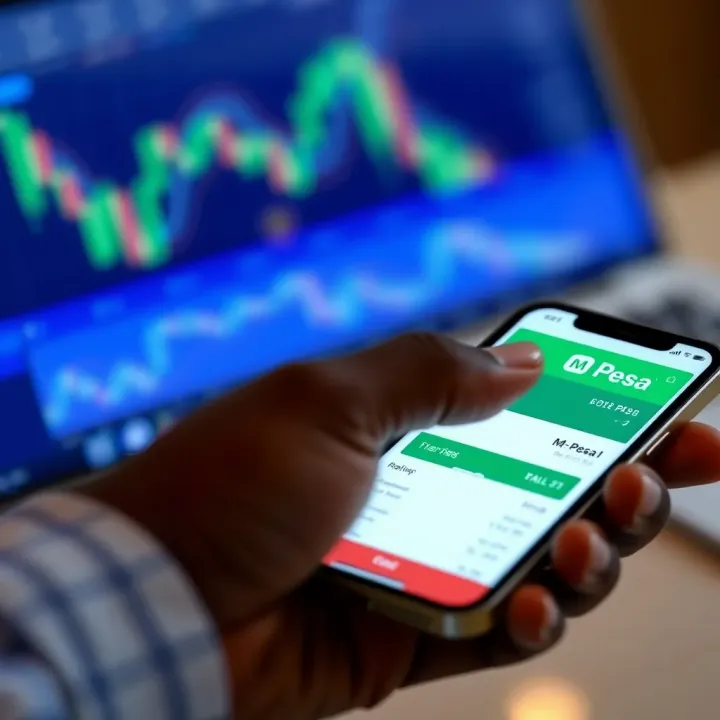
📈 Discover practical forex trading tips tailored for Kenyan traders. Learn how to manage risks, analyse markets, choose trusted brokers & use M-Pesa for smooth trades.
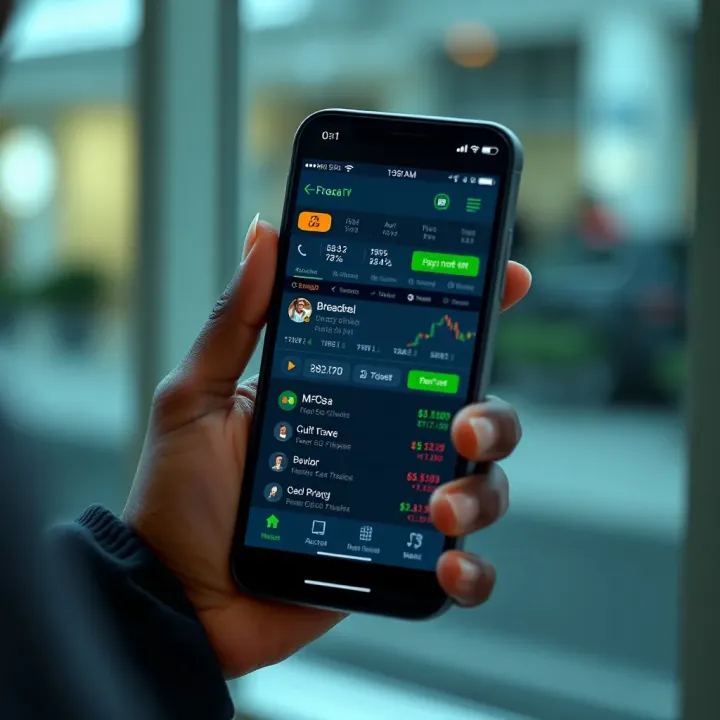
📈 Discover smart forex trading tips for Kenyan traders! Learn how to manage risks, interpret market trends, and use local platforms like M-Pesa safely for better profits.
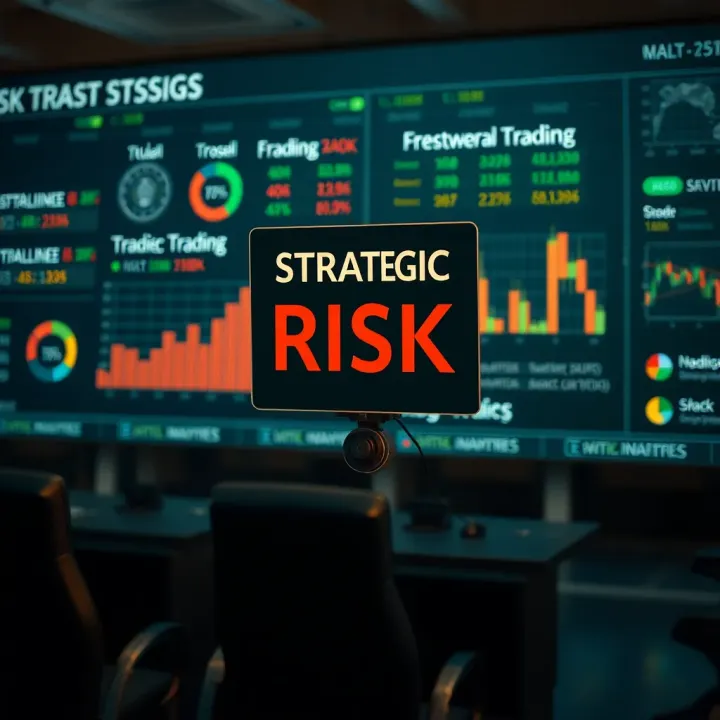
Manage risks smartly: learn how to identify, assess, and prioritize threats. Get clear strategies to safeguard your organization and track progress over time 🛡️📊
Based on 10 reviews