
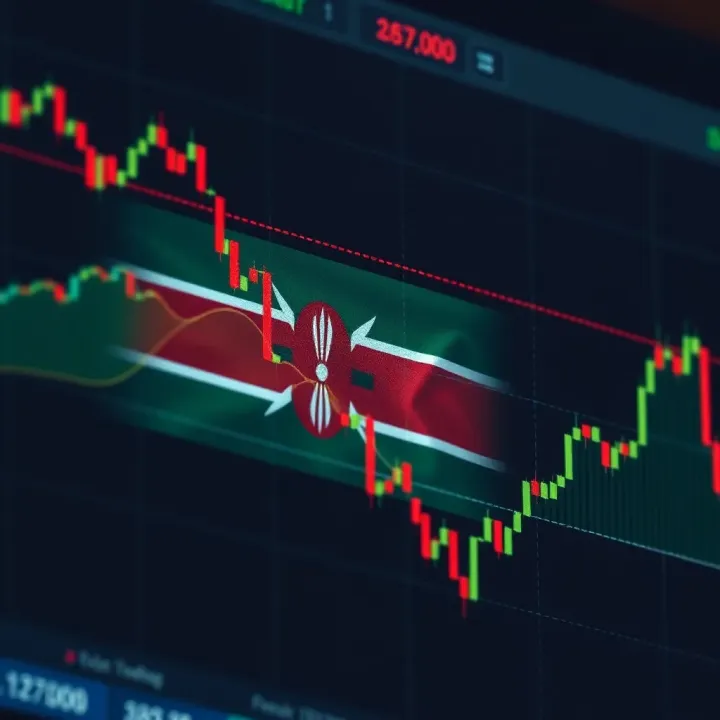
Smart Forex Trading Tips for Kenyan Traders
Explore proven forex trading strategies for Kenyan traders 🇰🇪. Learn key tactics, risk management, and tools to boost your trading success 📊💹.
Edited By
Henry Clarkson
Starting forex trading in Kenya requires a solid grasp of the basics and sharp focus on practical steps that match the local context. Many aspiring traders jump straight in without understanding risks or the right platforms, which often leads to losses. To build a good foundation, it helps to know how the forex market works, the tools available, and how to protect your money.
The forex market operates 24 hours, across global time zones, with currency pairs like USD/KES or EUR/USD in constant motion. This volatility creates opportunities and risks, so risk management is key. For Kenyan traders, using familiar payment methods such as M-Pesa to fund trading accounts ensures faster and safer transactions.
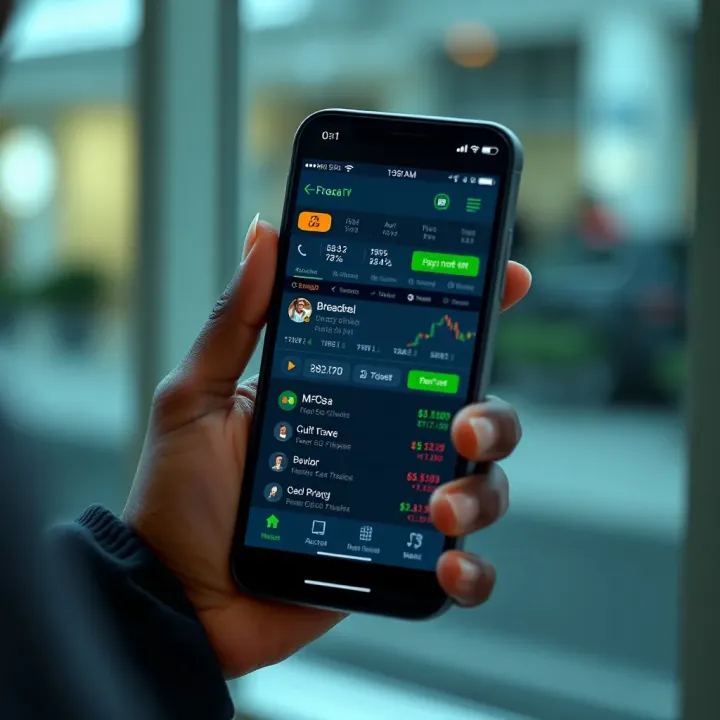
Always start with a demo account offered by many brokers to practice without risking real money. This step is surprisingly overlooked but crucial.
When choosing a broker, verify their regulation status, ideally one recognised by the Capital Markets Authority (CMA) or reputable international bodies. Watch out for brokers offering unrealistic bonuses or unusually low spreads, as these can be traps.
Understanding technical and fundamental analysis helps you make informed decisions. For example, tracking Kenya’s economic reports or the Kenya Shilling’s performance against major currencies can indicate potential price movements. Also, keep an eye on global events affecting currencies, like US Federal Reserve meetings or geopolitical shifts.
Good record-keeping matters too. Keep track of your trades, reasons for entry and exit, and outcomes. Over time, this habit reveals patterns in your behaviour and guides improvements.
To summarise practical first steps:
Open a demo trading account and practise consistently.
Choose a regulated broker compatible with M-Pesa for easy deposits and withdrawals.
Learn to read currency charts, focusing on Kenyan shilling pairs.
Develop a clear risk management plan; never risk more than 1–2% of your capital on a single trade.
Stay updated on local and international economic news impacting forex.
By grounding your trading in these practical tips, you prepare yourself for more consistent results over time. Forex trading is not a quick way to get rich but a skillful activity needing discipline and smart choices, especially in Kenya’s unique environment.
Before diving into forex trading, it's key to understand what it actually involves and how it works. Having a solid grasp of the basics helps prevent costly mistakes and builds confidence to trade wisely, especially in the Kenyan context where local currency fluctuations and market access affect outcomes.
Forex trading means buying and selling currencies to profit from changes in exchange rates. Say you buy US dollars with Kenyan shillings expecting the dollar to strengthen; when that happens, you sell the dollars back for more shillings than you paid. This simple idea powers forex trading worldwide, providing liquidity and price discovery across global markets.
For Kenyans, forex trading offers a chance to engage with international markets beyond local stocks or real estate. The forex market runs 24 hours during weekdays, allowing flexibility to trade around your schedule, such as after work or during breaks. Unlike some investments requiring large sums upfront, forex lets you start with smaller amounts, though caution is necessary with leverage.
Major currency pairs relevant to Kenya commonly involve the Kenyan shilling (KES) and hard currencies like the US dollar (USD), Euro (EUR), British pound (GBP), and South African rand (ZAR). For example, USD/KES is the most traded pair here because of how central the dollar is in imports, exports, and remittances. Watching USD/KES movements can reveal insights into price changes of imported goods or inflation.
Other useful pairs include EUR/USD and GBP/USD, helpful when trading through major brokers who quote these pairs and Kenya’s trade links with Europe and the UK. Plus, pairs like USD/ZAR offer regional currency exposure.
The forex market stays open 24 hours from Sunday evening until Friday evening (Kenyan time), covering global sessions such as Tokyo, London, and New York. The busiest trading hours are usually when London and New York markets overlap, roughly between 4 pm and 9 pm EAT. This overlap offers better price movements and liquidity, ideal for Kenyan traders looking to catch opportunities after work.
Brokers and trading platforms are the intermediaries connecting you to the forex market. They provide your access to currency prices, charts, and order execution. Choosing a reliable broker registered with regulators like the Capital Markets Authority (CMA) in Kenya or international bodies ensures safer transactions and fair spreads.
Top platforms used in Kenya include MetaTrader 4 and 5, known for user-friendly interfaces and robust charting tools. Many brokers also support mobile trading, which fits Kenya’s mobile money culture where deposits and withdrawals are often done via M-Pesa. Always check if a broker supports your preferred payment method and offers clear terms on fees.
Understanding market hours and broker roles lets you plan trades around liquidity and avoid costly delays or slippage, which is especially important when dealing in volatile currencies like the Kenyan shilling.
By mastering the basics — what forex trading is, key currency pairs, market hours, and broker roles — you build a solid foundation to trade confidently and adapt strategies to Kenyan market realities.
Embarking on forex trading can be tempting with promises of quick profits. However, starting safely is key to avoid unnecessary losses and scams, especially for Kenyan traders who might be new to the forex world. Focusing on proper foundations like selecting the right broker, setting up your account correctly, and building a solid trading plan can protect your capital and improve your chances of success.
Kenya does not have a fully established regulatory framework for forex brokers yet, but traders should prioritise brokers regulated by reputable authorities such as the UK's Financial Conduct Authority (FCA), Australia’s ASIC, or Cyprus’s CySEC. These regulators enforce strict rules to protect investors. For example, a broker regulated by FCA must segregate client funds from their operational accounts, reducing risks of losing your money if the broker goes under.
Locally, some brokers operate with partial oversight or offer services through partnerships with international firms. It’s wise to research and choose brokers listed on trusted watchdogs like the Capital Markets Authority (CMA) in Kenya, even if their forex regulation role is limited. Avoid brokers who make unrealistic promises or refuse to provide clear contact details.
Trading costs can eat into your profits, so transparent fees and competitive spreads matter a lot. Brokers that advertise very low spreads but charge hidden commissions or withdrawal fees can reduce your gains unexpectedly. Kenyan traders should look for brokers who clearly list all costs upfront. For instance, a broker might show a spread of 1.5 pips on EUR/USD but could also apply a withdrawal fee of KSh 500 per transaction.
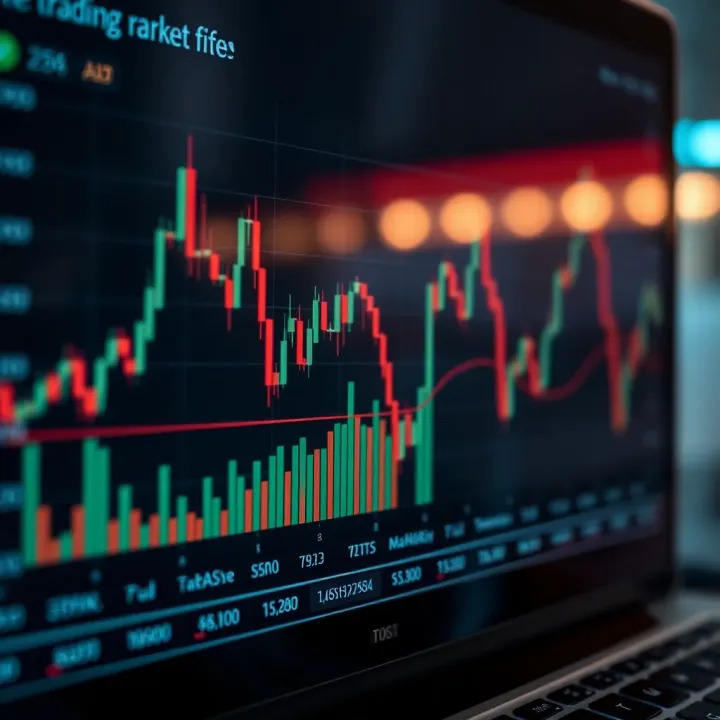
Understand how swaps (overnight fees) work too, especially if you plan to hold positions overnight. Transparent brokers will provide easy access to this information on their platforms. It helps you plan trades better and avoid surprises.
Opening a trading account has become simpler, but the process requires care. Start by choosing a broker who accepts Kenyan traders and allows account registration online. You’ll typically provide your ID (such as a national ID or passport), proof of residence (like a utility bill), and fill a risk disclosure form.
Some brokers have local offices or partners facilitating account opening which can be handy if you prefer face-to-face assistance. Also, make sure your details match your registered identification to avoid delays in verification.
M-Pesa has made forex trading deposits and withdrawals far easier for Kenyans. Many brokers now support M-Pesa payments, allowing you to fund your account instantly without costly bank charges or currency conversion delays. This is especially helpful in Nairobi and other urban centres where mobile money is widespread.
Besides M-Pesa, some brokers accept bank transfers to Kenyan banks, Visa or Mastercard, and even newer wallets like PayPal or Skrill. Always check withdrawal times and fees. For example, a broker may process deposits immediately via M-Pesa but take up to 3 business days for bank withdrawals.
A trading plan outlines your goals, acceptable losses, and how much risk you take per trade. Start by setting clear objectives: are you aiming for steady income or growth over time? Defining this helps in picking strategies that suit your comfort level.
For instance, if you’re risk-averse, you might cap losses to 1-2% of your trading capital per position. Understanding this helps prevent emotional decisions when trades don’t go your way, which is common in forex.
Trading forex means being active during the best market hours. For Kenyan traders operating on East Africa Time (EAT), the London and New York sessions are key since they affect most currency movements. The London session runs roughly 10 am to 7 pm EAT, while New York overlaps from 3 pm to 12 am EAT.
Plan your trading routine around these hours. For example, you might analyse charts every morning to prepare for London’s open and review trades late afternoon during New York’s session. This structure keeps you disciplined and helps catch major market moves as they happen.
Starting your forex journey cautiously with the right broker, clear account setup, and a realistic plan can save you from costly mistakes. Remember, slow and steady often wins the race in trading.
By sticking to these safe steps, Kenyan traders lay a sturdy foundation in forex trading rather than chasing quick wins that often end badly.
Improving forex trading results hinges on employing reliable strategies that both minimise risk and maximise potential gains. Kenyan traders benefit greatly by focusing on methods tailored to their market conditions and available tools. Effective strategies help cut through the noise, enabling you to make decisions based on data rather than guesswork or emotion.
Using charts and indicators is a cornerstone of technical analysis. In forex trading, charts visualise price movements over time, allowing you to spot patterns that hint at future trends. Common indicators like Moving Averages or Relative Strength Index (RSI) help you determine momentum and potential reversal points. For example, if the RSI shows a currency pair is oversold, it might signal a good opportunity to buy before prices bounce back.
Identifying trends and entry points means recognising when a currency pair’s price is moving consistently in one direction. For instance, if the USD/KES pair shows an upward trend on the daily chart, it indicates stronger demand for the US dollar against the Kenyan shilling. Entering trades during the early stages of a trend often improves the chance of profit. Tools like support and resistance lines help find ideal moments to buy or sell, avoiding chasing the market when prices are peaking or troughing.
Impact of economic news and data plays a big role in forex prices. Indicators like Kenya’s inflation rate, Central Bank interest rate announcements, or GDP growth figures influence the shilling’s strength. Likewise, global events such as US Federal Reserve decisions or oil price shifts affect currency pairs involving the USD. Keeping an eye on scheduled releases on economic calendars helps you anticipate swings and act accordingly.
Watching Kenya Shilling factors and global events is crucial, especially given Kenya’s openness to trade and reliance on external markets. For example, increased tea and coffee exports or a reduction in remittances could strengthen the KES. Meanwhile, major global happenings like conflicts or financial crises can trigger sudden currency fluctuations. Staying updated with local news and global trends helps you avoid surprise losses and align your trades with prevailing market conditions.
Creating balanced strategies for greater accuracy involves merging technical and fundamental analysis. Neither approach is foolproof alone; together, they paint a clearer picture. You might notice a strong uptrend on charts (technical) just as Kenya’s inflation drops unexpectedly (fundamental), signalling sustained currency strength. This dual confirmation improves confidence in your trade before risking capital.
A balanced strategy might have you use technical tools to fine-tune entry and exit points while relying on fundamental data to decide whether to buy or sell at all. Many successful Kenyan traders share that this combo reduces guesswork and improves overall results in the volatile forex market.
Successful forex trading means using both charts and news to guide decisions, not relying on just one method. Combining insights offers a practical edge for Kenyan traders navigating shifting markets.
In short, mastering these strategies requires practice and discipline but offers a reliable path for improving forex trading results consistently.
Managing risks is a cornerstone of successful forex trading, especially for Kenyan traders navigating volatile markets. Without proper risk management, even a well-planned trade can turn sour quickly. Protecting your investment means controlling potential losses, maintaining steady capital growth, and avoiding decisions driven by emotion.
A stop-loss order acts as a safety net that limits your losses if a trade moves against you. For instance, if you buy the USD/KES pair at KS10.50 and set a stop-loss at KS09.50, the system automatically sells when the price hits that level. This prevents your loss from snowballing if the market suddenly reverses. Using stop-loss orders protects your trading capital, allowing you to stay in the game longer.
Setting reasonable stop-loss points means choosing levels based on the market's normal price swings rather than arbitrary distances. For example, if daily price fluctuations generally stay within 1 Kenyan shilling, placing a stop-loss 5 shillings away is too wide—it exposes you to more loss than necessary. Conversely, setting it too tight may cause premature exit. Good practice involves analyzing the recent lows or highs on the chart and giving trades enough room to breathe while still limiting losses to a manageable amount.
Recognising greed and fear is crucial. When traders get overly eager after a win or panic to recover from a loss, they often trade more than usual. This behaviour, known as overtrading, tends to drain both funds and confidence. One Kenyan trader shared that after a small profit, he jumped into several trades at once, hoping for quick gains but ended up losing much more. Understanding your emotions helps avoid such costly mistakes.
Maintaining discipline and patience means sticking to your trading plan without getting swayed by market noise or short-term loss. Waiting for clear signals instead of acting on impulse reduces chances of mistakes. Sometimes, sitting out is better than forcing a trade. This steady approach builds consistency in the long run, which is more valuable than quick wins.
Leverage lets you control a large position with a small amount of capital, but it can amplify both profits and losses. High leverage is particularly risky for Kenyan traders new to forex, as sudden market shifts can cause losses exceeding initial deposits. For instance, using 100:1 leverage means a 1% price move could wipe out your entire margin, leaving you in debt or forced to fund your account immediately.
Choosing appropriate leverage levels means settling for conservative ratios like 10:1 or 20:1 until you build experience and confidence. Lower leverage helps you manage trades without risking more than you can afford to lose. Brokers often allow you to adjust leverage settings—make deliberate choices rather than opting for highest available. This approach safeguards your investment and preserves your peace of mind.
Consistent risk management isn’t just about avoiding losses; it empowers you to trade smarter and last longer in the forex market, especially within Kenya’s unique trading environment.
By understanding these risk protection tools, Kenyan traders can build a resilient trading routine that withstands market ups and downs without burning capital too quickly.
Forex trading offers attractive opportunities, but it also comes with risks, many of which are tied to the mistakes traders commonly make. Kenyan traders need to be aware of these pitfalls to protect their investments and improve their chances of success. Understanding where others fall short helps you avoid costly errors and stay on the right track.
One of the biggest dangers for Kenyan traders is falling victim to forex scams or dealing with unlicensed brokers. Always look out for red flags such as promises of guaranteed high returns, pressure to deposit funds quickly, and lack of clear contact details. To be sure, verify broker legitimacy through credible sources like the Capital Markets Authority (CMA) website or trusted financial forums. Licensed brokers in Kenya must meet specific standards that protect your money and personal data.
Protecting your personal and financial information cannot be overemphasised. Avoid sharing sensitive details like your bank password or M-Pesa PIN, even if someone claims to be your broker. Legitimate platforms have secure channels for transactions and communication. Also, use strong, unique passwords for all trading accounts and regularly update them. Kenyan traders often rely on mobile money for deposits, so ensure your phone is secured and avoid using public Wi-Fi networks when handling trading transactions.
Many new traders get tempted by forex signals or automated systems promising easy profits. However, relying blindly on these can lead to significant losses. It’s vital to evaluate and test any strategy on a demo account before risking real money. This way, you see how the strategy performs under different market conditions without losing shillings. It also helps build confidence and discipline, which are critical traits for trading success.
Forex markets respond quickly to global events and economic news, which directly affect currency values. Ignoring updates may cause you to miss important signals that influence your trades. For Kenyan traders, keeping an eye on local indicators like Central Bank of Kenya announcements and global events such as US Federal Reserve decisions is essential. Following reliable news outlets and joining forex communities can help you stay informed and make better-informed trading moves.
Staying alert to these pitfalls and knowing how to avoid them is key to long-term success in forex trading. Kenyan traders who understand the risks and put proper safeguards in place will trade smarter and safer.
Using resources and tools designed for or accessible in Kenya can really sharpen your forex trading experience. These localised options often cater to Kenyan time zones, payment methods, and market conditions, making your trading activities more efficient and less complicated. For example, platforms supporting M-Pesa deposits save time and cut down on cumbersome bank processes.
MetaTrader, both MT4 and MT5 versions, remain the most popular platforms among Kenyan traders. They offer a range of charting tools, indicators, and automated trading options that even beginners can grow into. Besides MetaTrader, platforms like cTrader and TradingView are gaining ground due to their easy interfaces and good mobile app support, which is crucial for traders who don’t sit at a desk all day.
Mobile trading is especially relevant for Kenyans who are usually on the move. Many platforms offer smartphones apps fully functional for trading—letting you analyse charts, place trades, and monitor positions wherever you find yourself. But remember, trading on mobile requires decent internet connectivity and battery life, so it’s wise to trade during times when you expect stable network conditions.
Joining local forex forums and online groups can be a great way to learn from fellow Kenyan traders. These communities share tips specific to our market, broker reviews, and even signals tailored to East African economic events. Just make sure to critically evaluate all advice and avoid relying solely on signals. Platforms like Telegram and WhatsApp host active Kenyan trading groups.
Moreover, attending workshops and training sessions organised in cities like Nairobi and Mombasa provides hands-on learning and opportunities to ask specific questions. These events often bring together experienced traders and brokers who understand local market challenges, offering insights that online resources may not cover. Keep an eye out for seminars by institutions such as the Nairobi Securities Exchange or trusted forex educators.
To stay ahead in forex trading, leveraging local tools and community support gives Kenyan traders a practical edge tailored to their unique trading environment.
Explore proven forex trading strategies for Kenyan traders 🇰🇪. Learn key tactics, risk management, and tools to boost your trading success 📊💹.

Explore key features, security, and regulation to pick the best forex trading app for Kenyan traders🇰🇪. Compare popular apps and learn smart risk tips📱📊.

📊 Explore forex trading in Kenya with this practical guide! Learn market basics, key strategies, broker tips, and legal advice to trade confidently.

📈 Learn forex trading basics in Kenya! This guide covers market insights, key strategies, risk management, and where to find useful PDFs for beginners.
Based on 14 reviews