
Understanding Forex Trading in Kenya: A Practical Guide
📊 Explore forex trading in Kenya with this practical guide! Learn market basics, key strategies, broker tips, and legal advice to trade confidently.
Edited By
Emily Cartwright
Forex trading has captured the attention of many Kenyans looking to diversify investments and explore new income avenues. Yet, with the maze of trading apps available today, selecting one that fits your needs can be quite a headache. Whether you're a beginner trying to learn the ropes or an experienced trader searching for reliable tools, the app you pick can make or break your trading experience.
Kenya's growing digital finance ecosystem means more brokers and platforms are catering to local traders, but not all offer the same features, security, or ease of use. This article digs into what really matters when evaluating forex trading apps in Kenya, from app functionality and cost to regulatory compliance and risk management.
By the end of this guide, you'll be equipped with practical knowledge on spotting trustworthy apps, understanding key trading features, and managing your risks effectively. No fluff, just straightforward advice geared towards helping you make the smartest choice possible for your forex journey.
Knowing how forex trading apps work is more than just a technicality; it's the backbone for making smart trading decisions. When you're dealing with currency pairs, every second counts, and understanding what these apps can do lets you grab opportunities and dodge pitfalls.
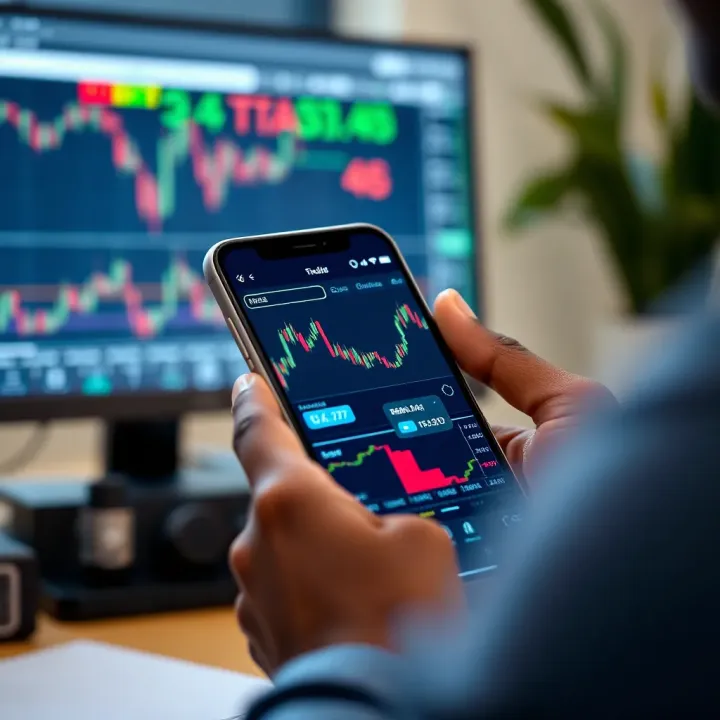
Forex trading apps are tools that let you buy and sell currencies using your smartphone or tablet. They're like a portable trading desk, packed with features such as real-time price updates, charts, and order execution options. For instance, through apps like MetaTrader 4 or IG, a user can check live EUR/USD rates, place trades, and even set stop-loss orders to limit potential losses. These apps also allow you to analyze trends using technical indicators without needing a laptop or desktop.
Beyond basic trading, many apps offer educational materials, news feeds, and alerts to keep you in the loop on market shifts. This can make a huge difference, especially during volatile periods when news from the U.S. or Europe hits the market suddenly.
For Kenyan traders, a mobile forex app isn't just a convenience; it's a necessity. The surge in smartphone usage combined with spotty or expensive access to PCs means mobile trading fits naturally into daily life. Consider a trader in Nairobi who can place a trade during a quick break or from a matatu on the way home — that flexibility can prevent missed chances.
Kenya’s mobile money transfer innovations, like M-Pesa, also integrate well with many trading platforms, making deposits and withdrawals straightforward. Having an app that supports these local payment systems reduces the hassle and speeds up funding your trading account.
Moreover, mobile apps provide accessibility to the global currency markets 24/7, which is crucial since forex trading doesn't follow a fixed schedule and market-moving events can happen anytime. For example, a Kenyan trader can react immediately when the U.S. Federal Reserve announces interest rate changes, thanks to the instant notifications from their forex app.
Mobile forex trading apps empower Kenyan traders by combining ease of access, real-time market data, and local payment methods, making global trading practical and efficient.
By understanding these fundamental roles and benefits of forex trading apps, Kenyan traders are better positioned to pick a platform that matches their trading habits and financial goals, setting them up for smarter and more effective trading.
When picking a forex trading app, it’s not just about having a flashy interface or clever marketing. Kenyan traders need to hone in on the core features that truly affect their trading experience. These features impact everything from how fast you can act on market moves to the quality of data and support you get.
A reliable app should offer you real-time market data, a clean and intuitive user interface, fast execution speeds, and a good range of currency pairs to trade. Without these essentials, even the slickest app won't help you make sound trading decisions or react swiftly when opportunities or risks arise.
Let's break down the key elements every forex app should have for Kenyan traders and why they matter:
A straightforward and clutter-free interface saves you time and prevents costly mistakes. Imagine trying to close a position quickly during a market dip but fumbling through menus—that delay can hit your wallet hard.
Apps like MetaTrader 4 and FXTM's mobile platform shine here with clean layouts that put key functions just a tap or swipe away. For Kenyan traders, who might trade on varied devices and connections, an app that loads fast and keeps navigation simple is golden.
Forex markets move fast—sometimes those price changes happen in seconds. A good trading app must provide up-to-the-minute price quotes and charts. Delays of even a few seconds can translate into losing out on entry or exit points.
Beyond just prices, analysis tools like technical indicators or news feeds add deep insight. Apps such as ThinkMarkets offer integrated news updates and charting tools directly in the app, saving you the hassle of juggling different sources.
Sluggish trade execution or app crashes do not mix well with forex trading. Trading is a battle of speed; if your orders get delayed or fail, you end up stuck in bad positions.
Kenyan traders should look for apps known for stability and fast execution, even under heavy load. For example, IG's mobile platform is praised for low latency and consistent uptime. Avoid apps with a reputation for lag or frequent downtime.
Kenya Shilling pairs might not be the most widely traded globally, but they matter for local traders. Therefore, an app that offers popular pairs like USD/KES and EUR/KES alongside major pairs is a plus.
Also, consider if the app provides access to other markets like commodities or indices if you want to diversify. Apps like AvaTrade deliver a broad spectrum of instruments alongside forex.
Forex trading isn't a walk in the park, especially for beginners. Having easy access to tutorials, webinars, or even responsive customer support within the app can make a world of difference.
For instance, apps such as eToro offer educational content built directly into their platform, along with a vibrant community feature where traders share ideas. This kind of ongoing learning support helps Kenyan traders avoid pitfalls and refine strategies over time.
Remember, no fancy app gimmicks will replace solid features that meet your trading needs. Focus on those core functionalities first, then consider extras once you're comfortable.
Choosing the right forex app is about matching these features to your personal trading style and goals. The next step is to test the app yourself using demo accounts to see how well these features perform in real time.
When it comes to forex trading in Kenya, choosing the right app can make a significant difference in your overall experience and success. Kenyan traders have access to a mix of local platforms tailored to the market's unique needs and popular international apps recognized worldwide. Understanding the options available helps traders pick an app that fits their trading style, budget, and access needs.

Kenyan and East African-specific forex trading apps often include features designed for regional traders that you won’t easily get elsewhere. For example, apps like Pezesha and ZegeFX integrate with local mobile money systems such as M-Pesa, which is a game-changer for deposits and withdrawals. This local payment integration means funding your account is fast and convenient without the hassle of bank transfers, which can be slow or costly.
Local trading apps typically support Swahili language options and have interfaces adapted to the connectivity challenges commonly experienced in parts of the country. They might also offer trading hours that consider local market patterns or even provide educational content relevant to Kenyan economic conditions. This local touch helps traders feel more connected and better supported.
Mobile money has become indispensable in Kenya’s digital economy. The ability to deposit and withdraw using M-Pesa, Airtel Money, or T-Kash directly within the forex app is a must-have. Apps like HotForex Kenya edition, for example, leverage these methods smoothly. This convenience cuts down on delays and extra costs associated with currency conversion or international bank transactions.
Customer support can make or break your trading experience, especially when dealing with finances. Local apps tend to offer customer service teams that understand Kenyan trader concerns better and may provide help in local languages. Plus, they often have WhatsApp or phone support available during Kenyan business hours, which is more practical than waiting on international queues or email responses from abroad.
Many Kenyan traders turn to international trading apps for their advanced tools and global market access. Apps like MetaTrader 4/5, IG, and FXTM are prominent choices with strong reputations. However, selecting an international broker comes with considerations around fees, platform compatibility, and credibility.
Reputable international brokers like IG and FXTM have been around for years, regulated by recognized authorities such as the FCA or CySEC. Their global presence offers Kenyan traders access to deeper liquidity pools and a wide range of currency pairs. This reputation also reassures traders that their funds are protected and disputes can be fairly resolved.
International platforms often have transparent commission structures but sometimes come with spreads or fees that can be higher than local options, especially after factoring in currency conversion costs. Traders should weigh whether the additional fees are justified by the platform’s advanced features or faster execution speeds.
International apps generally support multiple devices and operating systems, including Android, iOS, and desktop versions. This flexibility is valuable because Kenyan internet can be patchy; switching between devices allows traders to maintain access whether at home or on the move. MetaTrader’s ability to sync settings and trades across devices is a particular favorite among busy Kenyan traders.
Picking between local and international forex apps boils down to balancing convenience and access with costs and tools. Kenyan traders need to consider which factors matter most to their style and priorities.
Each type of platform brings something valuable to the table. Local apps champion ease and relevance while international apps bring power and variety. Knowing these details helps you make a confident choice that suits your trading needs perfectly.
When picking a forex trading app, especially for Kenyan traders, understanding security and regulatory compliance isn't just a good idea; it's a must. Forex platforms deal with sensitive personal and financial information, so you want assurances that your data and funds are safe. Simply put, without solid security measures and adherence to local regulations, you risk falling prey to fraud, identity theft, or losing money to shady operators.
Checking if an app complies with regulations protects traders by making sure the broker behind the app follows rules designed to prevent market manipulation and unfair practices. Also, strong security features like encryption and authentication protocols keep your account safe from hackers and unauthorized access. In Kenya, where digital finance is rapidly growing, these safeguards are crucial to avoid scams that have popped up alongside legitimate opportunities.
Kenyan forex traders should know about the Capital Markets Authority (CMA), the main regulatory body supervising forex activities within the country. The CMA licenses forex brokers operating locally and enforces guidelines to ensure fair trading. Apps linked to CMA-regulated brokers typically provide more trustworthy services and have recourse channels if something goes wrong.
Besides CMA, international regulators such as the UK's Financial Conduct Authority (FCA) or Australia's ASIC often regulate brokers whose apps Kenyans use. These bodies have strict compliance rules that add another layer of security, though local regulatory approval should always be verified.
Moreover, traders should check if the forex app discloses the broker’s registration and licensing information clearly. This transparency is a good sign that the platform isn’t operating under the radar.
Encryption is like a safe vault for your information. When an app uses strong encryption protocols—such as SSL or TLS—it scrambles your data as it travels between your device and their servers. This prevents hackers from eavesdropping or stealing login details and financial data. For example, MetaTrader 4 and 5, popular forex trading platforms, use 128-bit encryption to protect user information.
Encrypting data is particularly important in Kenya, where public Wi-Fi is common but often insecure. Without encryption, trading on open networks can expose you to cyber attacks.
2FA adds an extra checkpoint before allowing access to your trading account. It usually means entering your password plus a second piece of information—like a code sent to your phone or generated by an app. This makes it much harder for someone to break in, even if they steal your password.
Many leading forex trading apps such as IG and FXTM offer 2FA options, and Kenyan traders should always enable this feature. It’s a simple but effective way to boost security.
Fraud can take many forms in forex trading—from fake apps mimicking real platforms to unauthorized withdrawals. To combat this, reputable apps incorporate several fraud prevention strategies like:
Monitoring unusual login activities (e.g., from strange locations or devices)
Automatic logout after inactivity
Alerts for large or irregular transactions
Verification procedures for deposits and withdrawals
Apps connected to brokers regulated by bodies like CMA or FCA often carry these features. For instance, Exness uses AI-based monitoring tools to flag suspicious activities, adding a layer of protection for Kenyan users.
Remember: No security system is flawless, but choosing an app that applies these key measures significantly lowers your risk of falling victim to fraud.
By focusing on regulatory compliance and the security features an app offers, Kenyan traders can enjoy smoother, safer trading experiences. Whether you’re into scalping or long-term forex investing, these safeguards ensure your money stays where it belongs—in your hands.
When it comes to picking a forex trading app, costs play a major role, especially for Kenyan traders managing tight budgets. It's not just about the sticker price or whether the app is free to download; hidden fees and charges can quietly eat into your profits if you're not careful. Knowing the ins and outs of these costs helps you avoid nasty surprises and makes sure your trading stays profitable.
Spread: The spread is basically the difference between the buying (bid) and selling (ask) prices of a currency pair. Think of it as the broker's cut — the smaller this gap, the cheaper it is for you to trade. For example, if USD/KES (U.S. Dollar to Kenyan Shilling) has a spread of 3 pips on one app and 1 pip on another, the latter is more cost-effective, especially if you're making a lot of trades. Remember, tighter spreads can mean more frequent but smaller profits without being eaten up by fees.
Withdrawal and Deposit Fees: Moving your money in and out of these apps can come with additional costs. Some apps charge a flat fee or a percentage for deposits and withdrawals, which can add up if you’re regularly topping up your account or cashing out profits. For example, an app might charge KSh 200 per withdrawal, which might seem small but becomes significant over many transactions. Choosing platforms like Saxo Bank or HotForex with lower or no withdrawal fees can ease this burden.
Inactivity Charges: If your trading account sits idle for a while, some apps might hit you with inactivity fees. These charges can be monthly and sting if you forget to close an unused account. For Kenyan traders who might be active only sporadically, this is critical to check before committing. For instance, AvaTrade has been known to charge inactivity fees after three months without trading. Reading the fine print can save you from losing money just for not logging in.
Focusing on just cheap costs can be tempting but don’t lose sight of what you get in return. An app with zero spreads but lousy execution speed or weak customer support might cost you more in the long run. For example, a more expensive app like MetaTrader 4 may offer faster trade execution and better analytics, which could help you capitalize on market movements more effectively than a cheaper, slower platform.
Here’re a few pointers to weigh costs against features:
Trade-off between spread and speed: Sometimes paying a slightly higher spread is worth it for better execution speeds that protect you from slippage.
Platform reliability: Downtime or glitches can cost more than fees, so apps with robust uptime records like ThinkMarkets deserve attention.
Support and education: Some apps include free tutorials, webinars, or customer help lines that can be priceless for Kenyan traders still building knowledge.
It's like buying a car; the cheapest wheels might get you moving, but a reliable, well-maintained ride saves you money on repairs and hassles down the line.
In short, Kenyan traders should look beyond just immediate costs and consider the overall value an app brings their forex game. Smart traders balance fees against features to find an app that fits their style and goals without bleeding the wallet dry.
Using forex trading apps can be a game changer for traders in Kenya, but only if approached wisely. Getting familiar with the app’s tools is one thing, yet knowing how to use them effectively is another matter entirely. This section breaks down key strategies that make the difference between a random gamble and considered trading decisions.
Starting with clear, measurable goals helps avoid frustration and rash choices. For instance, instead of aiming to double your account in a week, set targets like "achieve 2% monthly growth" or "limit losses to 5% per trade." These achievable goals keep your expectations grounded and provide a checkpoint for your progress. Keep in mind, trading is like planting seeds—you need patience and care before reaping rewards.
Most good forex apps offer demo accounts which let you trade with virtual money. This is a chance to try out strategies, get used to the app’s interface, and understand market dynamics without risking cash. A tight example: if you're testing how Kenyan Shilling pairs react during market open times, a demo account lets you see the price swings unfold and practice your entries and exits. This hands-on learning builds confidence before flipping the switch to live trading.
Risk management isn’t just a buzzword. It’s the backbone of sustainable trading. Good apps allow setting stop-loss and take-profit levels directly on the platform. Let’s say you buy EUR/USD expecting a rise, but you can’t watch the screen all day. Setting a stop-loss order prevents bigger losses if the market goes south. Also, never put all your eggs in one basket—diversify your trades or limit how much of your capital you expose to any single trade.
Market sentiment can turn on a dime when new info hits. Apps like MetaTrader 4 or FXTM often integrate news feeds or link to financial analysis sources. For Kenyan traders, staying updated on events like changes in CBK policies or global economic shifts helps anticipate currency moves. Make a habit of checking the news section in your app daily or set alerts for major events—this practice keeps you ahead instead of scrambling behind the market.
Consistency is key in forex trading. Combining realistic goals, practice, risk control, and staying informed creates a solid foundation for making smart trades with any forex app.
By weaving these tips into your trading routine, you don’t just use your forex app; you put it to work in a way that suits your style and risk tolerance, boosting your chances of long-term success.
Trading forex in Kenya using mobile apps brings convenience but also its own set of challenges. It’s important for traders to recognize these common pitfalls and know how to deal with them to avoid costly mistakes. From technical snags to market swings, understanding these issues upfront can save traders both time and money.
A smooth and stable internet connection can make or break your trading day. Many Kenyan traders, especially those in rural areas, face inconsistent connectivity, which can lead to delayed order execution or app crashes. Imagine trying to close a position during market volatility only to have the app freeze—that’s a nightmare scenario.
Use apps that are optimized for low bandwidth, such as MetaTrader 4, which performs well even on shaky connections.
Keep your app updated to benefit from bug fixes and performance improvements.
Whenever possible, trade during times when your network is most reliable, or consider upgrading your data plan with providers like Safaricom or Airtel who provide wider 4G coverage.
The lure of quick profits sometimes traps traders into unregulated or fraudulent apps. Kenya’s forex market has seen scams offering unrealistic returns with zero transparency. Unverified platforms may steal funds, provide fake price feeds, or manipulate spreads.
Stick to apps associated with brokers regulated by the Capital Markets Authority (CMA) of Kenya or well-known international bodies like the FCA or ASIC.
Check user reviews and online forums such as Forex Peace Army or Trustpilot for genuine feedback.
Be wary of any app that pressures you to deposit large sums fast or asks for upfront fees beyond standard spreads and commissions.
A good rule of thumb: If it sounds too good to be true, it probably is.
Forex markets never sleep, and they often swing wildly around news events or policy changes. This is a double-edged sword: volatility equals both opportunity and risk. Many traders panic during sharp dips or spikes, leading to poor decisions like overtrading or holding losing positions too long.
Use stop-loss orders to limit potential losses; most apps like IQ Option and XM support flexible stop-loss configurations.
Follow economic calendars and news feeds within your trading app to anticipate moments of high volatility.
Consider trading smaller positions or using demo accounts to practice your response to volatile conditions before risking real money.
Facing these challenges head-on, Kenyan forex traders can protect their capital and enhance their chances of success. Choosing a reliable app, staying informed, and managing risk prudently are key steps in navigating the dynamic forex market landscape.
📊 Explore forex trading in Kenya with this practical guide! Learn market basics, key strategies, broker tips, and legal advice to trade confidently.
Explore proven forex trading strategies for Kenyan traders 🇰🇪. Learn key tactics, risk management, and tools to boost your trading success 📊💹.

Boost your forex skills with top trading books 📚 tailored for Kenyan traders. Learn strategies, risk management, and mindset tips to trade confidently!
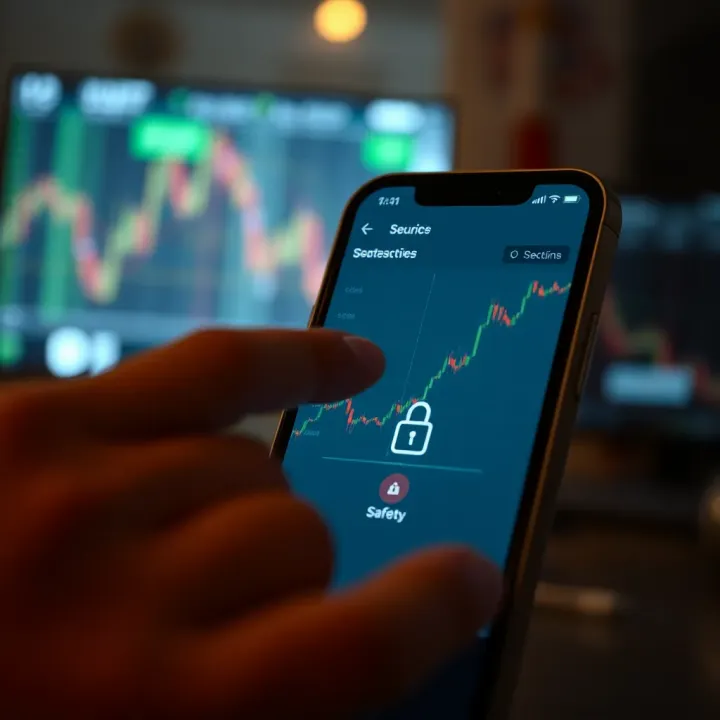
Explore the best forex trading apps for Kenyan traders 📱. Compare features, usability, security 🔒, and costs to choose the ideal platform for your needs.
Based on 7 reviews