
Forex Trading Charts Explained for Kenyan Traders
📊 Discover how to read forex trading charts, identify patterns, and use technical indicators effectively to make smarter currency trades in Kenya’s market.
Edited By
Emma Collins
Opening a forex trading account in Kenya is a necessary first step if you want to participate in currency trading. Whether you are an experienced trader or just starting, getting the process right ensures you can trade safely and smoothly.
The forex market operates 24 hours, five days a week, making it attractive for many traders aiming to profit from currency fluctuations. Kenyan traders have increasingly taken advantage of this, especially with the growth of online brokers and digital payment methods like M-Pesa.
To open a forex account, you need to select a broker properly regulated by relevant authorities like the Capital Markets Authority (CMA) in Kenya or international regulators such as the Financial Conduct Authority (FCA) in the UK. Choosing a regulated broker reduces the risk of fraud and gives you some protection over your funds.
Once you identify a reliable broker, the next step involves registering an account on their platform. This usually requires furnishing personal details, national ID, and proof of residence to comply with 'Know Your Customer' (KYC) rules. Verification can take a few hours to several days, depending on the broker’s policies.
Funding your forex account also calls for attention. Many Kenyan traders prefer M-Pesa because of its accessibility and security. Brokers typically support M-Pesa deposits either directly or through linked payment processors. Starting capital varies but ensure you begin with an amount you can comfortably afford to risk.
"Always check the broker’s transaction fees and withdrawal terms before depositing money. Hidden charges can eat into your profits, so transparency is key."
Here’s a quick checklist for opening your forex trading account in Kenya:
Choose a CMA-regulated broker or one regulated by a credible global body.
Prepare your Kenyan national ID and a recent utility bill for address verification.
Register online via the broker’s website or app.
Complete the KYC verification process.
Deposit funds securely using M-Pesa or another supported method.
Start trading with tools and platforms provided by the broker.
With clear steps and the right broker, your entry into forex trading can be straightforward. Next sections will detail each step to help you confidently open and operate your forex trading account in Kenya.
Selecting a trustworthy forex broker is the foundation of successful trading in Kenya. The broker acts as your bridge to the currency markets, so their reliability, transparency, and service quality directly impact your trading experience and potential profits. It's not just about the spreads; you also want safety for your funds, timely withdrawals, and clear communication.
The Capital Markets Authority (CMA) oversees forex brokers operating in Kenya. This government agency ensures brokers comply with set rules protecting traders’ interests. When a broker is CMA-regulated, it means they've met strict requirements, including maintaining capital reserves and submitting regular reports. This way, Kenyan traders avoid unlicensed entities who might vanish with their funds.
Trading with a regulated broker brings practical benefits: your money is held in segregated accounts away from the broker’s own funds, reducing risks if the broker faces financial trouble. Also, if disputes arise, CMA provides a framework to address these concerns, offering an extra layer of security.
Before committing to a broker, check what other clients say. Forums and financial review sites often contain genuine feedback about withdrawal speed, platform stability, and customer support. For example, a broker repeatedly praised for fast M-Pesa deposit processing is a good sign for Kenyan traders.
Choosing the right trading platform matters a lot. MetaTrader 4 (MT4) and MetaTrader 5 (MT5) are popular and user-friendly options that support advanced charting and automated trading. A platform that crashes often or lacks mobile compatibility can cost you trades, so pick brokers offering well-known, stable platforms. Also, see if they provide training or demo accounts to practise safely.
Fees can quietly consume your profits if you’re not careful. Brokers generally earn from spreads—the difference between buy (ask) and sell (bid) prices—and sometimes charge commissions per trade. Look for brokers with tight spreads, especially if you trade frequently or use scalping strategies. Always compare the cost structures between brokers.
Your trading style should guide your account choice. Brokers often offer different account types: micro, standard, or ECN accounts. For example, a new trader in Nairobi might start with a micro account requiring a low minimum deposit and allowing small trade sizes, whereas more experienced traders may opt for ECN accounts with lower spreads but additional commissions. Picking what suits your capital and risk comfort is key for long-term success.
A reliable broker not only safeguards your money but also gives you the right tools and fair conditions to trade confidently. Choosing correctly from the start can save you from headaches and losses down the road.
Overall, choosing a trustworthy and regulated forex broker with a solid reputation and transparent costs sets you on the right path to trade successfully in Kenya’s forex market.
Opening a forex trading account in Kenya requires submitting specific documents. These documents verify your identity and address, ensuring compliance with Kenyan regulations and fostering trust between you and the broker. Being well-prepared for this step speeds up approval and avoids unnecessary delays.
A Kenya-issued national ID card is the most common and accepted personal identification for forex accounts. It proves citizenship and identity, making it straightforward for brokers to verify your details. For those without a national ID, a valid Kenyan passport or driving licence also serves as acceptable alternatives. These documents must be current—not expired—and clear in scans or photos submitted.
In addition to personal ID, brokers require proof of your residential address. Documents like utility bills (electricity, water, or gas), bank statements issued within the last three months, or official letters from government agencies work well. These prove that you actually reside where you claim, which helps prevent fraud. For example, a recent KPLC bill in your name with a matching address is usually accepted without issues.
The Know Your Customer (KYC) process is a regulatory requirement that prevents money laundering and fraud in Kenya’s financial sector. During KYC, your broker verifies your identity and financial background thoroughly. This may also include questions about your trading experience and source of funds. Completing KYC faithfully helps protect your account and ensures you engage with legitimate brokers.
Submitting your documents securely is vital to prevent personal information theft. Most reputable brokers in Kenya use encrypted platforms or their eCitizen portal equivalents to receive scanned documents. Avoid sending sensitive documents via unsecured email or public Wi-Fi. For instance, uploading your ID and utility bill directly through your broker’s secure website guarantees that your data stays protected throughout the verification process.
Proper document preparation and submission not only comply with Kenyan laws but make forex trading account setup hassle-free and trustworthy for all parties involved.
To sum up, have a valid ID and recent address proof ready before you start the account registration. Confirm document requirements with your chosen broker to avoid back-and-forth delays. This groundwork sets you up for smooth entry into forex trading in Kenya.
Opening your forex trading account online is more than just filling forms; it’s the gateway to entering the forex market smoothly and securely. Having a clear step-by-step process helps you avoid delays and errors, ensuring you start trading on the right foot. Each stage—from registration to securing your login—plays a role in protecting your funds and personal data while tailoring the account to your trading needs.
When you begin registration, you’ll be asked to supply your full name, email address, phone number, and sometimes your physical address. This information helps brokers verify your identity and stay in touch for important updates. For instance, if you prefer email updates, make sure to provide an active email address you check regularly; this keeps your trading account safe and well-managed.
The registration form often asks you to select your account type and leverage. Account types may differ by minimum deposit, spread, or access to certain currency pairs. Leverage lets you control a larger position with a smaller amount of money—for example, a 1:100 leverage means you can trade KSh 100,000 worth of currency with just KSh 1,000. While this can magnify profits, the risks also increase, so choose leverage carefully based on your risk appetite and experience.
Once you submit your ID and proof of address, brokers typically take between 24 to 72 hours to verify your documents. This duration can vary depending on the broker's workload or the quality of your submissions. Quick verification means getting access to trading sooner, so it’s wise to prepare your documents properly before uploading.
To speed up approval, submit clear and valid documents—avoid blurred photos or expired ID cards. For address proof, use recent utility bills or bank statements dated within the last three months. Also, ensure that the names on all documents match exactly with your registration details. This attention to detail prevents unnecessary back-and-forth with the broker’s compliance team.
Your password is the first line of defence against unauthorised access. Use a mix of uppercase, lowercase, numbers, and symbols to create a password that’s difficult to guess. Avoid common choices like "password123" or birthdays. For example, a password like "M3tr@dEr2024!" is stronger and enhances your account’s security.
Adding two-factor authentication (2FA) significantly strengthens your account's protection. With 2FA, even if someone guesses your password, they still need a second verification step—often a code sent to your phone or generated by an app like Google Authenticator. This extra layer prevents most hacking attempts and is highly recommended by brokers operating in Kenya and beyond.
Taking these steps seriously when opening your forex trading account online ensures a safer, faster, and customised start to trading. Pay attention to details, especially document quality and security settings, to build a solid foundation for your trading journey.
Funding your forex trading account safely is a key step that directly affects your ability to trade without hassles or delays. Kenyan traders need to pick secure, convenient payment options and understand minimum deposits to avoid pitfalls. A well-planned funding process ensures your money is credited correctly, letting you focus on trading decisions instead of chasing payments.
M-Pesa is the most popular and convenient method for Kenyan traders to fund forex accounts. Because many brokers now accept M-Pesa payments directly or through partners, traders can transfer funds instantly from their Safaricom mobile wallets. This reduces the need to visit banks or deal with international wires. Besides M-Pesa, services like Airtel Money offer similar ease, though M-Pesa remains the dominant choice due to wide acceptance.
Using mobile money means you can fund your account anytime, even from rural areas with just a mobile phone. However, always confirm your broker accepts M-Pesa deposits and check if any transaction fees apply. Also, be sure to follow the exact payment instructions, such as including your trading account number, to avoid deposit delays.
Some brokers accept direct bank transfers from Kenyan banks like Equity, KCB, or Cooperative Bank. This method is reliable for larger deposits since M-Pesa has daily limits. Wire transfers can take a couple of business days and may incur extra bank charges.
Credit and debit cards are another option, especially for international brokers. Cards linked to Visa or Mastercard are widely accepted. Card payments are generally fast, but remember to verify card validity and any foreign transaction fees your bank may charge. Using cards also exposes you to some fraud risks, so ensure your broker has secure payment gateways.
Different brokers set their own minimum deposits, but many accept as little as KSh 1,000 to KSh 10,000. Lower minimums let beginners start with small capital while testing the market. Always check the minimum deposit on the broker’s website before initiating funding to avoid surprises.
For instance, a broker requiring KSh 20,000 may not credit smaller amounts, causing unnecessary delays while you top up. Some premium accounts can require higher deposits, often upwards of KSh 200,000, to benefit from lower fees or advisory services.
Most Kenyan traders prefer funding accounts in Kenyan Shilling (KSh) to avoid currency conversion fees and simplify tracking. However, many brokers hold accounts in USD or EUR, so deposits in KSh may convert upon receipt.
Paying in foreign currencies like USD might give you better trading terms or less slippage, but watch out for additional bank conversion fees and fluctuating rates. For example, depositing KSh 100,000 may turn into a slightly lower USD amount, depending on the day’s rate, impacting your trading capital. Confirm with your broker if funding in KSh is accepted directly or whether you must use a foreign currency.
Mobile money services like M-Pesa impose daily transaction limits—for instance, the maximum amount you can send in one day per account is roughly KSh 300,000 for most users. This means larger funding transfers need to be broken into smaller parts or done via bank transfer.
Additionally, brokers might have their own deposit ceilings depending on your account type. Knowing these limits upfront avoids partial payments that delay activation of your trading account.
After sending funds, don’t just wait passively. Confirm payment with your broker via email or their client portal. Prompt notifications speed up fund crediting and let you clarify any mismatches early.
For example, if you sent money via M-Pesa without correctly noting your account number, identifying your payment can take longer. A quick message to client support with your transaction details helps resolve such issues without unnecessary waiting.
Always keep transaction receipts or screenshots until your funds reflect in your account. This documentation helps solve disputes if money appears lost or delayed.
In sum, funding your forex account safely involves choosing the right payment method that fits your budget and trading goals, understanding any limits or fees involved, and communicating clearly with your broker. This approach ensures smooth cash flow so you can concentrate on navigating forex markets successfully.
Taking the first steps into forex trading can be intimidating without the right guidance. Understanding the trading platform, managing risks effectively, and knowing where to get support are key to building confidence and increasing your chances of success. Kenyan traders must familiarise themselves with these basics to make informed decisions.
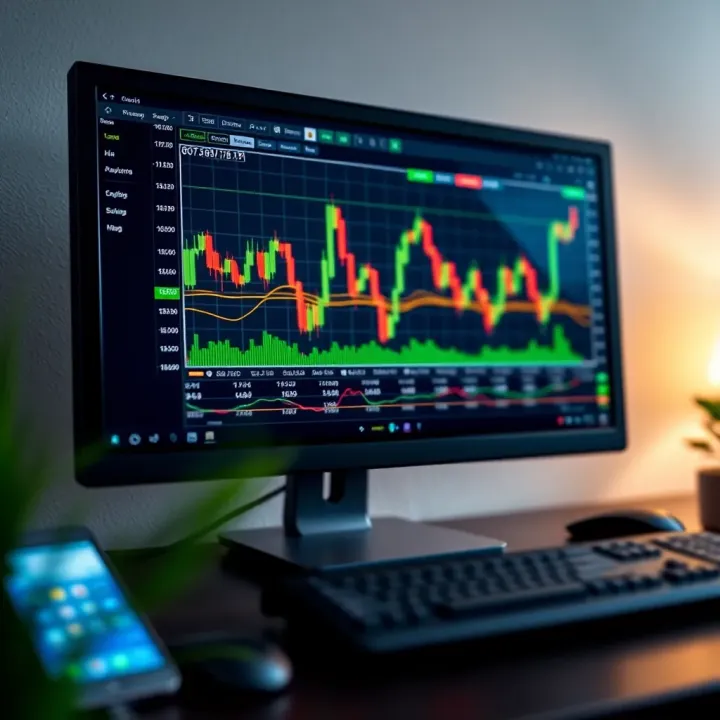
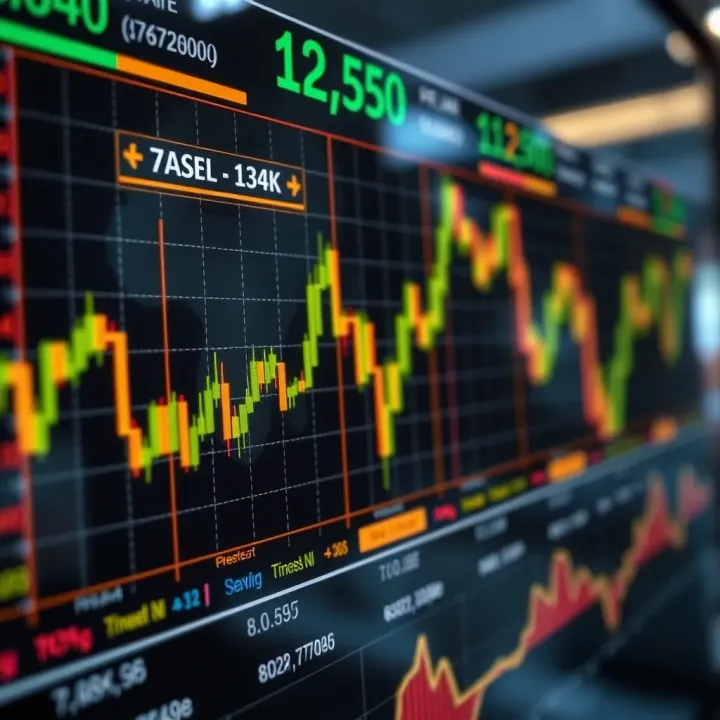
When you open a forex trading account, the trading platform becomes your main tool. It’s important to get comfortable with basic functions like chart reading and trade execution. Charts show price movements over time, allowing you to spot trends and make forecasts. For instance, by looking at a candlestick chart, you might identify that the US dollar is strengthening against the euro before placing a trade.
Placing buy and sell orders is straightforward but requires understanding the types of orders available. A buy order means you expect the currency pair to increase in value, while a sell order means you anticipate a drop. Platforms like MetaTrader 4 and MetaTrader 5 offer simple buttons to execute these trades instantly or set pending orders for better timing.
Protecting your investment is essential. Using stop-loss and take-profit orders helps you control losses and lock in gains automatically. For example, if you buy the US dollar against the Kenyan shilling at KS10, you might set a stop-loss at KS08 to limit your loss if the market moves against you. Conversely, a take-profit at KS15 ensures you exit once your target profit is reached without constantly watching the screen.
Position sizing is equally important. It refers to the amount of money you allocate to a single trade, often expressed in lot sizes. If you allocate too much, a small price swing can cause hefty losses. Kenyan traders often start with micro lots, equivalent to 1,000 units, to keep risk manageable while learning.
Connecting with Kenyan forex trading communities provides valuable insights and shared experiences. Forums, WhatsApp groups, or social media pages often discuss market trends, broker reliability, and trade strategies tailored to local conditions. This peer support helps mitigate common pitfalls and keeps you updated.
Additionally, reliable broker customer service is vital. Good brokers provide prompt responses via live chat, phone, or email. Kenyan traders benefit from brokers who understand local concerns such as payment methods or market hours and who offer support during Kenyan business hours.
Starting your trading journey with a clear grasp of platform tools, risk management, and available support equips you to trade smartly and confidently in the Kenyan forex market.
📊 Discover how to read forex trading charts, identify patterns, and use technical indicators effectively to make smarter currency trades in Kenya’s market.
Explore top forex trading companies in Kenya 🇰🇪, learn about regulation, broker reliability, services, and key tips to pick the right one for you 📈💼.
Learn forex trading basics in Kenya 🇰🇪: market operation, key terms, trading strategies, risk management, and tools to start with confidence 💹💡.

📈 Discover the best hours for forex trading in Kenya! Learn how global sessions and local factors impact volatility and liquidity for smarter trades.
Based on 9 reviews