

Practical Guide to Forex Trading for Kenyan Traders
📈 Master forex trading in Kenya with this practical guide. Learn market basics, smart strategies, risk tips, and how to pick trusted platforms. Start trading confidently!
Edited By
Isabella Reed
Forex trading in Kenya has gained notable traction as more investors look to tap into global currency markets. However, jumping into forex trading without proper know-how is like sailing a ship without a compass—risky and unpredictable. That’s where forex trading schools come into play, offering structured learning paths for traders at varying skill levels.
These schools provide courses designed specifically for Kenyan traders, factoring in local financial regulations, popular trading platforms like MetaTrader 4 and 5, and practical strategies suited to the market’s volatility. Whether you're a curious beginner aiming to grasp the basics or an experienced trader seeking advanced chart analysis, there’s a course tailored to your needs.

Choosing the right forex trading school in Kenya means looking beyond flashy ads or promises of quick profits. Look for institutions with clear curriculum outlines, experienced instructors, and positive reviews from fellow Kenyan traders. Many offer certifications that carry weight among brokerages and can boost your credibility if you pursue trading professionally.
Successful forex trading hinges not just on knowing market trends but on disciplined risk management and ongoing education._Good schools emphasize these aspects alongside technical skills.
Typical courses cover:
Currency pair basics and how global events impact them
Chart reading, including candlestick patterns and technical indicators
Trading psychology to help manage emotions
Risk and money management techniques
Hands-on practice via demo accounts or supervised trading sessions is another valuable feature. This experience bridges the gap between theory and the real world, allowing you to test strategies without risking actual funds.
As you navigate your options, consider costs, modes of delivery (online or in-person), and access to post-course support or mentorship. Keep in mind local forex market regulations enforced by the Capital Markets Authority (CMA) of Kenya, which reputable schools incorporate into their syllabus for compliance education.
Getting educated at a forex trading school in Kenya can accelerate your journey from novice to confident trader. With the right foundation, you’ll develop skills to make informed decisions, reduce risks, and optimize potential gains in this fast-moving market.
Understanding forex trading's landscape in Kenya sets the foundation for selecting the right educational path. This section breaks down essential basics, market structure, its rise in popularity, and the regulatory framework shaping traders' experiences. Grasping these elements helps traders navigate the Kenyan forex scene with confidence and spot realistic opportunities.
Forex trading, at its core, involves buying and selling currencies aiming to profit from their fluctuating values. Think of it as exchanging US dollars for euros anticipating the euro will strengthen, letting you sell back at a higher rate. This fundamental concept guides every trade and shapes the strategies learned in forex trading schools.
The forex market operates 24 hours a day across global financial centers, though in Kenya, trading activity peaks align with London and New York sessions. Traders focus on currency pairs—combinations like USD/KES (U.S. dollar against Kenyan shilling) or EUR/USD (euro against U.S. dollar). Each pair reflects how one currency's value compares to another. Understanding these pairs and their behavior is practical knowledge that trading schools emphasize to prepare students for real market decisions.
Kenya has seen a surge in forex trading partly because of increased internet access and smartphone penetration. Platforms like MetaTrader and local brokers have made entering the market more accessible for many. Additionally, economic factors—such as currency volatility due to global events or Kenya's trade dynamics—have pushed more people to explore forex as a side income or full-time job.
However, this growth comes with the need for clear regulations. Kenyan authorities, including the Capital Markets Authority (CMA), actively oversee forex brokers and trading activities to protect investors and reduce fraud. The regulatory environment ensures brokers comply with standards like transparency and proper licensing, which is crucial for learners when choosing trustworthy trading educational programs.
Knowing the basics of forex, market structure, and Kenya’s unique trading environment helps you pick schools that don't just teach theory but focus on practical, locally relevant skills. This awareness can save you time and money, making your trading journey more effective.
Choosing the right type of forex trading school in Kenya can shape your trading journey significantly. Different schools offer distinct learning styles, resources, and levels of support. Understanding these types helps you pick an option that fits your schedule, budget, and learning preference.
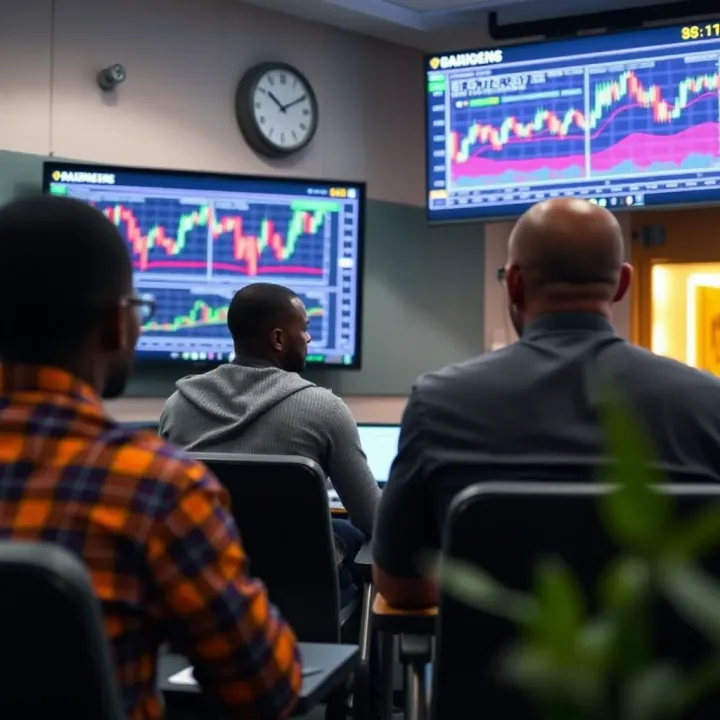
Flexibility and accessibility: Online forex courses offer unmatched flexibility. You can access lessons anytime—whether you're burning the midnight oil or squeezing in a quick session during lunch. This format is ideal for traders juggling jobs or family commitments while learning. Plus, no matter where you live in Kenya—from Nairobi to Kisumu—you can access the same high-quality content without traveling.
Popular Kenyan platforms and providers: Platforms like Forex Academy Kenya and local subsidiaries of global brands such as Babypips provide tailored courses suited to Kenyan traders. These courses often break down complex concepts into bite-sized lessons that cater to beginners and advanced traders alike. Having local providers also means course content sometimes touches on Kenya-specific market conditions or regulations, which adds practical value.
Local trading academies: In-person forex schools in Kenya are gaining traction, especially in major cities like Nairobi and Mombasa. They include centers like Kenya Forex Institute that offer structured classes and live demonstrations. These academies create a community feel, where networking and hands-on exercises boost your confidence and skills.
Benefits of face-to-face learning: Being physically present in classes allows immediate feedback from instructors, which is particularly helpful when working through technical chart analysis or executing trades. The interaction with peers can spark lively discussions and diverse perspectives on market behavior. Additionally, in-person sessions tend to keep learners accountable, reducing the chances of procrastination.
One-on-one guidance: Personalized mentorship programs pair you with experienced forex traders who guide you through the learning curve based on your pace and style. For instance, a one-on-one mentor might review your trade setups, highlight mistakes, and suggest improvements tailored to your trading goals. This targeted approach often leads to faster skill development.
Group mentorship options: Group coaching combines the benefits of mentorship with collaborative learning. Small cohorts regularly meet—either in-person or online—to discuss strategies, share challenges, and celebrate wins. This format can be more affordable than individual coaching while still providing personalized support. Plus, the social element keeps motivation levels high.
Understanding the types of forex trading schools available helps you make a practical choice that aligns with your lifestyle and learning needs, setting you up for smarter trading decisions and better results.
Understanding what to expect from a forex education program is key to making the most of your learning experience. These programs don’t just throw charts and numbers your way; they are structured to build your trading skills step-by-step, covering the core elements you’ll face in real markets. If you’re serious about trading in Kenya, knowing the curriculum and the certification you’ll receive can save you from wasting time and money on courses that don’t deliver.
Fundamental analysis deals with evaluating a country’s economic indicators, political events, and market news to forecast currency movements. For example, understanding how Kenya’s central bank decisions affect the shilling can help you predict its value against the dollar. Courses typically teach you to interpret reports like GDP growth, employment figures, and inflation rates, linking these factors to price action in forex markets. This knowledge lets you make informed trades rather than guessing.
Technical analysis focuses on price charts and indicators to spot patterns that suggest future market moves. Learners study tools like moving averages, RSI (Relative Strength Index), and candlestick formations to gauge trends and reversals. Practically, you might use technical analysis to decide the exact entry and exit points for a trade, such as buying EUR/USD after spotting a bullish breakout. Real Kenyan traders often rely on this to time their trades more precisely.
Trading psychology and risk management round off a solid forex education. The courses teach how emotions like fear and greed affect decisions and how to control them. Risk management covers setting stop-loss orders and managing position sizes to protect your capital. For instance, one practical tip is risking only one to two percent of your trading account per trade, which helps manage losses during inevitable rough patches.
Recognized qualifications add credibility to your forex knowledge. Some Kenyan trading schools offer certificates vetted by financial education bodies or partnerships with global forex educators. Having a certification backed by an organization like the Chartered Market Technician (CMT) or a respected online platform adds weight to your resume and reassures brokers or employers about your competence.
Value of certification for traders goes beyond a shiny piece of paper. Certified traders often gain better access to advanced trading tools, discounted brokerage fees, or even mentorship opportunities. Moreover, certification signals your commitment and discipline, qualities that matter when you want to attract investors or join professional trading firms. It’s a practical way to stand out in Kenya’s growing forex community.
Bottom line: A good forex education program arms you with practical skills in analysis, psychology, and risk control, backed by recognized certification that boosts your credibility and trading confidence.
Choosing the right forex trading school in Kenya can make all the difference between simply understanding trading concepts and actually applying them for profit. Given the mix of options, from online courses to in-person academies, it pays to look closely at what each school offers and how it matches your learning style and goals. This guides you toward a program that fits your budget, teaching preferences, and the practical skills you need to trade confidently.
Instructor qualifications are a major factor in selecting a trading school. Look for courses taught by instructors with proven experience in forex markets, ideally with backgrounds in trading professionally or in financial institutions. For instance, instructors who have worked at banks or hedge funds can offer real-world insights beyond textbook knowledge. Avoid programs led by people lacking verifiable trading credentials, as that often means outdated or incomplete instruction.
Course materials and resources also tell you a lot about a school's quality. Comprehensive courses provide up-to-date trading tools, access to live trading platforms, interactive charts, and plenty of practice exercises. Materials should cover both fundamental and technical analysis, as well as risk management strategies. A course that supplies downloadable guides, video tutorials, and regular updates will keep you well-equipped as market conditions change.
When it comes to tuition fees and payment options, forex schools in Kenya vary widely. Free courses online might sound tempting but often lack depth, while premium programs can charge hundreds or even thousands of dollars. Some schools offer installment plans or scholarships making higher-priced options more accessible. Always compare what's included in the fee—like mentorship sessions or trading software—before deciding.
Understanding the return on investment (ROI) for your forex education is crucial. Investing in a well-structured course can save you from costly mistakes later. For example, a $500 course that teaches you to avoid common pitfalls and improve your win rate is a better value than a $100 class that leaves you guessing. Think of it as paying upfront to sharpen your skills rather than losing repeatedly in the market.
Gathering feedback from past students offers practical insights you won’t find in promotional materials. Check forums, social media, and trusted review sites to hear unfiltered opinions on course effectiveness, instructor support, and real-world application. Sometimes, learners share how they went from zero knowledge to consistent monthly gains, which can give you confidence in the program.
Finally, assessing reputation and outcomes is about looking at results. Does the school boast students who have gone on to trade full-time or build successful side incomes? Beware of schools with vague promises or without verifiable testimonials. A program’s track record can be your best indicator of its ability to prepare you for the ups and downs of forex trading.
Picking the right forex trading school isn't just about flashy ads or low prices; it’s about matching your learning needs to carefully vetted content, proven instructors, and real results. This approach helps you build a stronger foundation and increases your chances of success in the volatile forex market.
Learning forex trading in Kenya comes with some hurdles that every trader needs to be ready for. Understanding these challenges helps you avoid costly mistakes and build solid trading skills. From dodging scams to gaining hands-on experience, getting a grip on these issues is key to succeeding in this fast-moving market.
Scams in forex trading often target beginners eager to make quick profits. Watch out for promises of guaranteed returns, pressure to invest large amounts fast, or courses that ask for hefty upfront fees without clear curriculum details. For example, if a trading school guarantees 100% profits or pushes you to skip demo trading, it’s a warning sign. Also, be cautious of programs that lack transparency about instructors’ credentials or provide vague information about learning outcomes.
Staying safe means verifying the legitimacy of trading schools and offers. Check if the school is registered with reputable financial authorities or has positive reviews from verified students. Don’t hesitate to ask for detailed course information and trial access. Using well-known platforms like the Nairobi Securities Exchange or trusted online educational hubs can reduce risk. Always avoid sharing sensitive financial details unless you’re confident about the provider.
Demo accounts let you practice trading with virtual money in real market conditions. They’re invaluable for building your skills and testing strategies without risking actual cash. For example, platforms like MetaTrader 4 and 5 offer free demo accounts widely used by Kenyan traders. Using a demo keeps you familiar with trading tools and market behavior before you commit real money.
Once you feel comfortable after practicing, it’s smart to start trading with small amounts. This approach limits your risk while allowing you to get used to live trading emotions like fear and greed. For instance, some traders begin with $50-$100 to keep stakes low. As your confidence and skills grow, you can gradually increase your trade sizes. This step-by-step method helps prevent big losses early on and builds solid foundation for long-term success.
The bottom line is that being watchful about scams and steadily gaining hands-on experience will greatly improve your chances of succeeding in forex trading in Kenya. Take your time, vet your education sources, and use every tool available to practice before diving fully into the market.
📈 Master forex trading in Kenya with this practical guide. Learn market basics, smart strategies, risk tips, and how to pick trusted platforms. Start trading confidently!

📈 Learn forex trading basics tailored for Kenyan traders! Understand currency pairs, leverage, risks, choose brokers, and pay with M-Pesa securely. Start smart!
Boost your forex trading skills with practical strategies suited for Kenyan traders 🇰🇪. Learn risk management, analysis, plus access easy-to-use PDF guides 📄.
💱 Explore forex trading in Kenya with practical steps, risk management tips, and strategies to navigate currency markets. Learn how to start and invest smartly today!
Based on 6 reviews