

Beginner's Guide to Forex Trading Apps in Kenya
📱 New to forex in Kenya? Learn how to pick the best trading apps, avoid common mistakes, and start trading confidently with practical, beginner-friendly tips!
Edited By
Isabella Reed
Forex trading has become an accessible option for many Kenyans looking to diversify their income streams or invest beyond traditional avenues like real estate or local businesses. At its core, foreign exchange (forex) trading is the buying and selling of currencies, aiming to profit from their fluctuating exchange rates. But unlike the stock market, forex operates 24 hours a day during weekdays, making it attractive for those juggling other commitments.
For beginners in Kenya, understanding forex trading starts with grasping how currency pairs work. For example, trading the USD/KES pair means you speculate on the value of the US dollar relative to the Kenyan shilling. If you believe the dollar will strengthen against the shilling, you buy; if you expect it to weaken, you sell.
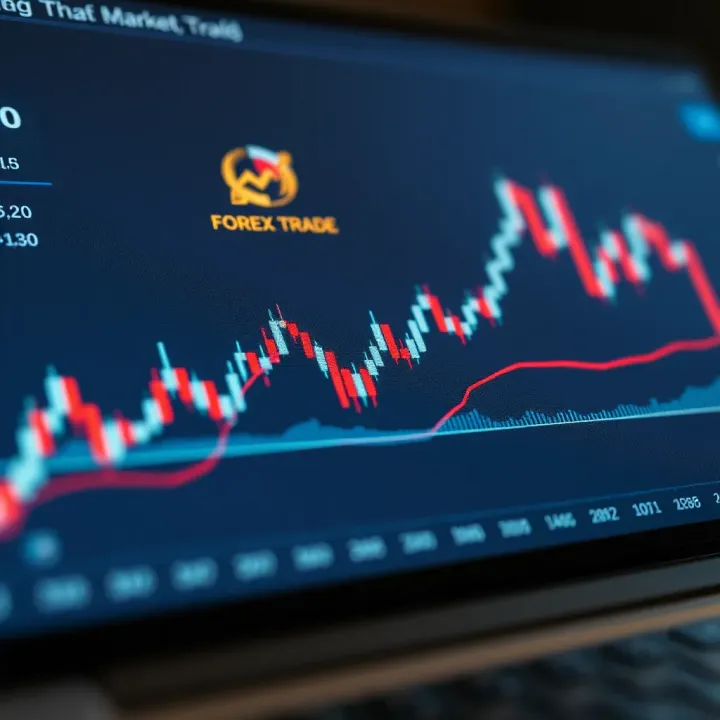
Starting out requires more than just knowledge. You need the right tools, including a reliable internet connection, access to a trustworthy trading platform, and preferably a demo account for practise without risking your money. In Kenya, brokers registered with the Capital Markets Authority (CMA) ensure safer trading environments, so verify your broker’s licence before depositing funds.
Risk management is key to surviving and thriving in forex trading. New traders often jump in without a clear strategy and lose capital fast. Using stop-loss orders, setting realistic profit targets, and investing only amounts you can afford to lose help protect your finances. The markets can be volatile, influenced by global events, economic reports, and even local developments like Kenya’s election cycles or Central Bank of Kenya (CBK) policy shifts.
This guide, in PDF format, breaks down these ideas step-by-step, helping you build a practical foundation. Each section explains concepts with clear examples, so you don't feel overwhelmed by jargon. Whether you want to trade in the evenings after your day job or slowly study the market trends at your own pace, the material here equips you with basics and actionable advice.
Forex trading is not a get-rich-quick scheme; it’s a skill that grows with practice, discipline, and smart decisions.
To get started right, focus on learning how currency prices move and what factors influence them. Identify the best time for trading based on liquidity and volatility, especially around Nairobi business hours. Keep a trading journal to track your decisions and outcomes – this simple tool often makes the difference between gradual improvement and repeated mistakes.
In summary, this guide gives you a straightforward path to forex trading with practical insights tailored to the Kenyan context. It supports you to trade more confidently, minimise risks, and understand the market forces that affect your investments in real time.
Getting a solid grasp on forex trading basics is key if you want to navigate this fast-moving market without getting lost. Many beginners rush in without understanding how forex works, which often leads to unnecessary losses. Knowing the essentials helps you make informed decisions, manage risk, and spot opportunities.
Forex trading involves buying and selling currencies against each other in pairs, like the US dollar versus the Kenyan shilling (USD/KES). Essentially, you’re betting whether one currency will strengthen or weaken compared to another. For example, if you expect the dollar to gain against the shilling, you would buy USD/KES. When the rate moves in your favour, you can sell the pair for profit.
The forex market operates globally and continuously because different financial centres open and close across different time zones. From Tokyo's morning session to New York’s evening close, there’s generally always a market open somewhere. This 24-hour nature means you can trade at any time, which offers Kenyan traders a flexible schedule especially outside regular work hours.
Major participants in the forex market include central banks, commercial banks, multinational corporations, hedge funds, and retail traders like yourself. Central banks influence currency values through monetary policy, while commercial banks facilitate trades for clients. Retail traders now have more access through online platforms, making this once tricky market more open.
Forex trading is popular among beginners largely because it requires relatively low starting capital compared to other investments. With some brokers allowing accounts to start from as low as KSh 1,000, many people can afford to open an account without risking too much upfront.
The market also offers the chance to profit from both rising and falling prices, giving more trading flexibility compared to buying stocks. Since forex trading can be done from a laptop or even a smartphone, it suits the Kenyan hustle lifestyle where people juggle several activities at once.
However, the risks are real. Leverage amplifies both gains and losses, and the market’s high volatility can lead to sudden changes. That’s why education and practice—using demo accounts and carefully reading learning materials like a PDF guide—are essential before risking your money. Understanding the fundamentals first can help you avoid common pitfalls and pave the way for disciplined trading.
Mastering the basics is not just a formality but a vital step to surviving and eventually thriving in the forex market.
In short, this section lays the groundwork you need before taking your first position. With these fundamentals clear, you’re better prepared to use tools and strategies effectively as you move along.
Diving into forex trading can feel overwhelming at first. Using a PDF guide offers a practical way to break down complex concepts into manageable parts, especially for beginners in Kenya. A well-structured PDF serves as a trusted companion that you can refer back to anytime, without depending on internet access. This makes learning flexible, so you can study during your commute or even when off the grid.
A PDF guide fits neatly on your mobile, tablet, or laptop, letting you learn on your own schedule. For example, if you're catching a matatu or waiting in line at the market, you can revisit key lessons without needing internet. This offline access is especially useful in parts of Kenya where connectivity can be patchy.

PDF guides usually present information in a clear sequence, starting from the basics before moving to advanced topics. This ordering helps you build confidence steadily. Instead of feeling lost in scattered articles or videos, you get a roadmap that makes sense. It’s like having a mentor guide you through forex jargon and strategies one step at a time.
Forex trading involves many specialised terms that might confuse new traders. With a PDF, you have a handy dictionary of terms and explanations at your fingertips. Suppose you read about "pip" or "leverage" on social media – you can quickly check the PDF to understand these terms correctly and avoid costly mistakes.
A solid guide explains currency pairs, bid and ask prices, and how global forex markets work round the clock. Understanding these basics lays the foundation for making smart trades. For instance, knowing why the USD/KES rate fluctuates during world events helps you predict market moves better.
Choosing the right broker is vital. The PDF will guide you through factors like regulation by the Capital Markets Authority (CMA), spreads, commissions, and customer support. It can also advise on platforms like MetaTrader 4 or 5, explaining which suits your style and how Kenyan traders can integrate M-Pesa for easy deposits and withdrawals.
Good PDFs cover two main ways to analyse currencies: technical analysis using charts and indicators, and fundamental analysis looking at economic news. They teach how to read trends and react to events like Central Bank of Kenya announcements or US interest rate decisions, helping you make educated trades rather than gambling.
Learning forex through a PDF guide offers a clear, flexible, and reliable way to enter the market with confidence and smart preparation.
Navigating forex trading successfully in Kenya depends heavily on choosing the right tools and platforms. These determine how smoothly you can execute trades, manage risks, and stay updated on the fast-moving market. Without reliable platforms and well-regulated brokers, even the best strategies can fall flat. This section highlights what you need to look out for to trade confidently and protect your funds.
In Kenya, the credibility of a forex broker hinges on proper regulation. Look for brokers registered and licensed by recognised authorities such as the Capital Markets Authority (CMA) Kenya. This ensures your money is protected under Kenyan laws and that the broker operates transparently. For example, a CMA-regulated broker must separate client funds from company accounts, reducing risks of misappropriation. Some international brokers also comply with global regulations like the Financial Conduct Authority (FCA) in the UK. Choosing well-regulated brokers helps avoid scams or sudden shutdowns.
Trading costs directly affect your profitability. Brokers typically charge through spreads—the difference between the buy and sell price—and sometimes commissions per trade. Kenyan traders should compare these costs closely. A broker with ultra-low spreads might charge hefty commissions, while some offer zero commissions but higher spreads. For instance, a broker offering a 1.5 pip spread on EUR/USD might be cheaper overall than another with 1 pip spread plus a commission. Always factor in these costs, especially if you plan to trade frequently, since fees can add up quickly.
Reliable customer support is vital, particularly for beginners. Ensure your broker offers responsive help through phone, chat, or email during Kenyan trading hours. The platform itself should be intuitive, allowing easy order placement and account management without glitches. Brokers that provide demo accounts let you test the usability before committing real funds. A smooth user experience reduces mistakes and frustration, which can save you money and time.
MetaTrader 4 (MT4) and MetaTrader 5 (MT5) are among the most popular platforms globally and well-known in Kenya. MT4 is simpler, excellent for beginners wanting basic charting tools and automated trading via Expert Advisors (EAs). MT5 offers additional features like more timeframes, economic calendar integration, and improved order types, appealing to more advanced traders. Both platforms are widely supported by brokers, stable, and have strong community support where Kenyan users can get help and free tools.
Mobile trading is essential in Kenya, where smartphones dominate internet access. Most brokers provide mobile apps compatible with Android and iOS, designed for trading on the go. These apps offer real-time quotes, charting tools, and easy deposit/withdrawal options. For example, platforms like FXTM and AvaTrade have well-rated mobile apps usable even on lower-end phones. Using mobile apps allows traders to react quickly to market changes whether commuting on a matatu or at home.
A critical convenience for Kenyan forex traders is M-Pesa integration. Brokers that allow deposits and withdrawals directly via M-Pesa simplify funding your trading account without international bank transfers. This cuts down transaction costs and speeds up access to funds. Many brokers partner with local payment processors to handle M-Pesa transactions safely. For example, some platforms process deposits within minutes and have no hidden charges, allowing Kenyan traders to move money easily between their wallets and trading accounts.
Choosing the right broker and platform tailored to the Kenyan market can greatly improve your forex trading experience by offering security, affordability, and convenience.
By focusing on regulation, costs, support, and the right technology, you’ll set a strong foundation before diving into trading strategies or analysis techniques.
For new forex traders in Kenya, having a firm grasp on basic trading strategies is vital. These strategies provide clear rules to enter and exit trades, helping you avoid rash decisions and unnecessary losses. Whether you use a PDF guide or learn through other methods, understanding simple, practical approaches builds a solid foundation to make informed choices in the volatile forex market.
Understanding trends and price action means recognising the general direction of a currency pair's price over time. Usually, traders say "the trend is your friend" because going with the trend tends to reduce risk. For example, if the US dollar against the Kenyan shilling is steadily rising due to positive economic news from the US, following this upward movement lets you buy at lower prices and sell when prices rise. Learning to spot trend changes, through price action—how prices move on charts without relying solely on indicators—helps you decide when to enter or leave trades.
Using support and resistance levels involves identifying price zones where a currency tends to pause or reverse. Support is a price floor where demand stops prices from falling further, while resistance is a ceiling where supply prevents further price rises. In practice, if USD/KES has repeatedly bounced back after reaching KSh 110, traders see this as a support level. Buying near support and selling near resistance can maximise profits and limit risks. These levels are easy to spot on daily charts, making them a useful starting point for beginners.
Introduction to technical indicators adds data-driven insights to your trading decisions. Common beginner-friendly indicators include the Moving Average (MA), which smooths out price data to highlight trends, and the Relative Strength Index (RSI), which shows whether a currency is overbought or oversold. Using these tools can confirm what you see from price action and support/resistance levels. For instance, an RSI below 30 near a support level might signal a good buy opportunity. Technical indicators help you back your trading ideas with measurable signals.
Setting stop-loss and take-profit orders is essential to protect your capital and lock in gains. A stop-loss automatically closes your trade if the market moves against you beyond a specified point. For example, if you buy EUR/USD at 1.1000, setting a stop-loss at 1.0950 limits your loss to 50 pips. A take-profit order does the opposite, securing profits once the price reaches your target. This approach helps you avoid emotional decisions like holding losing trades too long or cashing out early.
Limiting leverage use is critical because forex brokers offer high leverage that can magnify both profits and losses. Beginners often get tempted to use maximum leverage for higher gains, but this can quickly wipe out your account. Instead, start with low leverage, such as 10:1 or below, to avoid big shocks. For example, with KS0,000 capital and 10:1 leverage, your exposure is KS00,000, but losses stay manageable. Using low leverage encourages steady learning and keeps you in the game longer.
Managing emotions and expectations is often overlooked but affects your trading results significantly. Forex markets can be stressful, and beginners sometimes let fear or greed dictate trades. Accept that losses are part of learning; no strategy wins every time. Setting realistic goals—like targeting consistent small profits rather than chasing huge wins—goes a long way. For example, if you plan to earn a few per cent each week, you avoid overtrading and unnecessary risk.
Successful forex trading isn't about chasing quick riches but about disciplined application of clear strategies, managing risks well, and keeping emotions in check. For Kenyan beginners, this steady approach helps build confidence and skills over time.
Basic forex strategies, when properly understood and applied, pave the way to becoming a thoughtful trader who makes decisions based on evidence rather than impulse. This section lays out simple, actionable steps to help you get started on that journey.
Relying solely on a PDF guide for forex trading can limit your growth as a trader. Forex markets are dynamic, impacted by global events, economic shifts, and evolving trading technology. Continuing education widens your knowledge base and sharpens your skills, helping you adapt to changing market conditions. It also offers access to real-time insights and practical tips that a static PDF might miss.
Several Kenyan forex training platforms offer courses designed for different experience levels. For example, platforms like Hello Trade Academy and Investax Kenya provide structured lessons that cover everything from the basics of currency pairs to advanced trading strategies. These courses usually include quizzes and practical exercises, allowing you to test your understanding and apply theory.
Forums and social groups are excellent spaces to exchange ideas, ask questions, and learn from experienced traders. Facebook groups, Telegram channels, and WhatsApp communities centred on Kenyan forex trading can give you localised advice, such as how regional economic events affect trading. Engaging with peers helps you remain updated on trading opportunities and pitfalls.
Webinars and live trading sessions are practical for seeing principles in action. Kenyan brokers like Exness and Pepperstone often organise these events, where analysts break down market movements and answer participant questions in real time. Watching professionals react to news or price changes can build your confidence and teach you discipline.
A global economic calendar tracks important events like central bank meetings, inflation reports, and GDP releases that move currency markets. These indicators affect supply and demand for currencies, influencing their prices. Using a calendar helps you prepare for volatility and avoid unexpected losses.
Both local and international news impact forex trading. Political developments in Kenya, trade agreements within the East African Community, or shifts in US monetary policy can cause currency fluctuations. Staying informed through reliable Kenyan news outlets and international financial news ensures your trading decisions reflect current realities.
Reliable news sources include Bloomberg, Reuters, and local business dailies like Business Daily and The Standard. Many traders subscribe to news alerts or use apps that deliver timely updates. This way, you can act fast if an economic event offers a trading opportunity or risk.
Staying active in forex learning and keeping up with economic news beyond the initial PDF guide puts you ahead. It is the steady effort that distinguishes successful traders from the rest.
In short, combining ongoing education with keen market awareness builds a solid foundation for any Kenyan beginner venturing into forex trading.
📱 New to forex in Kenya? Learn how to pick the best trading apps, avoid common mistakes, and start trading confidently with practical, beginner-friendly tips!

Discover how to use forex trading bots in Kenya🔍 Learn benefits, risks, legal tips⚖️ and practical strategies to improve your forex trading game🚀

Discover top forex trading classes in Kenya 🇰🇪 Learn practical skills, compare costs, and pick the best provider to boost your trading confidence today 📈
Explore the best forex brokers in Kenya 🇰🇪, learn about regulations, top picks, and tips to trade safely and confidently in the local market 💹
Based on 11 reviews