
Understanding Forex Trading Robots
Discover how forex trading robots automate currency trades, their pros and cons, and what to look for when picking one 🤖💰 Enhance your trading strategy today!
Edited By
Thomas Greene
Forex trading runs virtually 24/5, but knowing exactly when different markets open and close can make a real difference in your trading results. The forex market's unique around-the-clock schedule is driven by the major financial hubs—New York, London, Tokyo, and Sydney—all operating in different timezones.
Understanding these trading hours helps you find the best times to buy and sell currencies by catching periods of high liquidity and volatility. For example, the London-New York overlap generally offers the most active trading moments, often creating sharp price movements that savvy traders can use to their advantage.
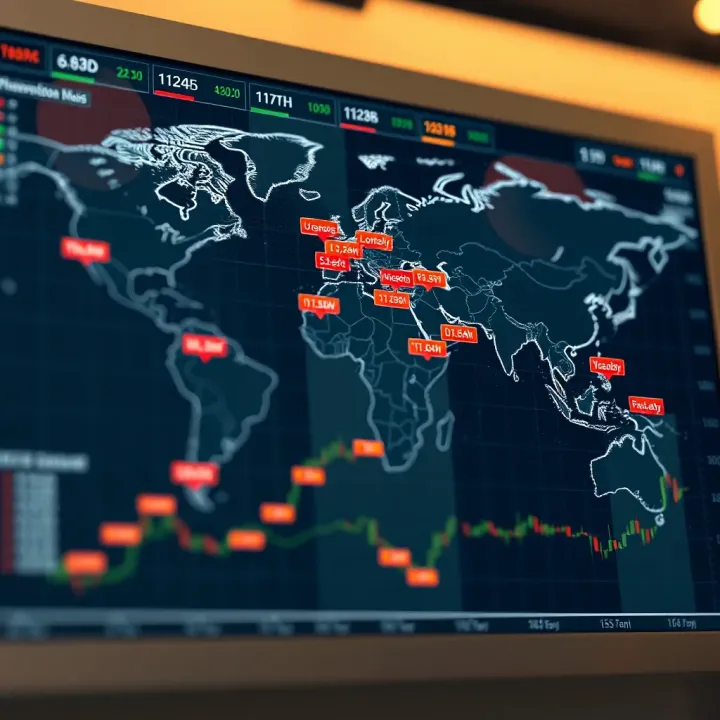
Timing is everything in forex. The right market hours can boost your chances for better spreads, lower slippage, and more trading opportunities.
Knowing market hours also alerts you to quieter periods where liquidity dries up, which might not suit all strategies. Some traders prefer high activity to capitalize on momentum, while others thrive when markets are calm, using slower price action to their benefit.
Here are key points about forex trading hours:
The forex market opens Sunday 5 PM ET in Sydney and closes Friday 5 PM ET in New York.
Major market sessions: Sydney (Australia), Tokyo (Asia), London (Europe), New York (North America).
Time zone differences mean markets open and close at different local times, influencing price movement patterns.
Overlap periods between sessions see spikes in trading volume and volatility.
Real-world example: If you trade USD/JPY, the Tokyo session is crucial since the Japanese yen tends to be more active when Tokyo is open. Trading during those hours can mean tighter spreads and clearer trends.
By planning your trading schedule around these sessions, you increase your odds of catching profitable moves. You also reduce risk by avoiding periods where unpredictable gaps or low liquidity can cause losses.
In sum, familiarizing yourself with forex trading hours is the first step to turning time into a trading edge.
Understanding how forex trading hours operate globally is essential because the market never sleeps. Unlike stock exchanges that close overnight, the forex market runs 24 hours a day, five days a week, thanks to a rotating series of international trading sessions. This continuous operation creates opportunities to trade at almost any time but also demands awareness of when specific markets are active to catch the best liquidity and volatility.
Continuous operation through overlapping sessions means that as one major financial center closes, another opens, creating seamless trading activity. For example, the London session often overlaps with both the Tokyo and New York sessions. These overlap periods bring spikes in liquidity and volatility, which many traders find attractive to enter or exit positions efficiently. Without overlapping sessions, market activity would dip significantly, reducing the chances for quick trades.
Impact of global time zones on trade timing shapes when traders should focus their attention. Time differences mean that when it’s daytime in New York, it’s night in Tokyo. As a result, currency pairs tied to certain countries see higher activity during their respective session hours. Understanding these time zones helps traders avoid dry periods and plan their trades around the busiest hours.
Sydney session kicks off the forex day. It runs approximately from 5 PM to 2 AM Eastern Time. While it's the smallest of the four major sessions, it sets the tone for the day. Liquidity tends to be thinner except when Australian economic data releases hit, causing temporary spikes. Traders focusing on AUD pairs keep a close eye during this session.
Tokyo session follows, roughly from 7 PM to 4 AM Eastern Time. It’s marked by steady trading volume, especially in yen and other Asian currencies. The Tokyo market can be surprisingly quiet or suddenly volatile during news releases like Japan’s Tankan survey or trade balance reports. Asian traders often tailor strategies to capture mid-session movements here.
London session is arguably the most influential, running from 3 AM to noon Eastern Time. Major currency pairs involving the euro, British pound, and Swiss franc see heavy action. Due to London’s status as a financial hub, this session offers the highest liquidity, making spreads tighter and execution faster. Traders often prefer the London session for scalp trades and short-term setups.
New York session overlaps partly with London, from 8 AM to 5 PM Eastern Time. This overlap creates some of the busiest forex trading hours. Economic reports like the US Nonfarm Payrolls or Federal Reserve announcements can send major currency pairs into swift moves. Because the US dollar is involved in over 80% of all forex transactions, the New York session matters a lot for volume and volatility.
Understanding when and where these sessions take place enables traders to anticipate market behavior, plan entry and exit points, and manage risk effectively. By syncing trading activities with the rhythms of global sessions, you'll be better positioned to maximize your forex trading opportunities.
Understanding forex trading hours is essential because they directly affect market liquidity and volatility—two key factors that influence trade execution and risk. Liquidity refers to how easily assets can be bought or sold without causing price swings. During certain hours, especially when multiple trading sessions overlap, liquidity spikes. This creates better conditions for tighter spreads and smoother trade entries or exits.
Volatility, on the other hand, reflects how dramatically prices move in a short time. Different trading hours see varying levels of price swings, impacting both potential profits and risks. For instance, knowing when the New York and London sessions overlap can help traders position themselves during active market times, while also steering clear of quieter periods that might trap illiquid trades.
When major forex sessions overlap, the market usually sees increased liquidity. For example, the London-New York overlap between 8 AM and 12 PM ET accounts for the highest trading volume. During this window, banks, hedge funds, and retail traders from both regions trade aggressively, which narrows spreads and ensures there’s enough volume to enter or exit positions without slippage.
This doesn't just mean cheaper trades; it creates an environment where price movements tend to be more reliable. Traders often focus on these overlaps to capitalize on clearer trends and stronger market momentum.
Conversely, outside these overlaps, liquidity can dry up, such as during the late New York and early Asian sessions. Thin markets lead to wider spreads, less consistent price movements, and higher chances of erratic behavior, like slippage or unexpected reversals. For instance, trading during Friday afternoon in the U.S. session or holidays can be risky due to thin activity, potentially turning seemingly good setups into costly mistakes.
This means traders must approach low liquidity times with caution or simply avoid trading then to minimize slippage and unpredictable spreads.
Volatility tends to surge during session overlaps and important news releases. For example, the London-New York overlap isn't just liquid; it often sees sharp price moves influenced by economic reports like U.S. Non-Farm Payrolls or Bank of England announcements. These windows generate opportunities for quick gains but also increase risk.
Traders relying on breakout strategies or news-based moves typically target these periods to maximize returns by riding swift market shifts.
Low-volatility phases usually occur when only one session is active, such as the Sydney session or late New York hours. Prices may drift sideways, lacking momentum, which can frustrate traders looking for active moves. Range-bound markets can cause whipsaws that hit stop losses prematurely.
Traders adjusting strategies during these quiet times might focus on longer-term trades or simply stay on the sidelines until more significant activity returns. Recognizing when volatility dips helps prevent wasted trades and preserves capital.
Bottom line: Matching your trading style to market hours improves execution quality, manages risks, and helps you spot the best opportunities rather than forcing trades in unfavorable conditions.
Timing plays a key role in shaping how you approach forex trading. The market's activity levels fluctuate throughout the day, so tailoring your strategy to fit those shifts helps you trade smarter and manage risks better. Ignoring market hours can lead to missed opportunities or unexpected surprises.
Scalping and day trading during high activity periods usually means focusing your trades around sessions with the most market liquidity, like the London-New York overlap. During these times, you'll see tighter spreads and faster price movements, which scalpers and day traders thrive on. Imagine trying to catch quick profits when the market is slow — it's like fishing in a pond with no fish.
For instance, a scalper might jump into trades between 8 AM and noon EST when both European and U.S. traders are active, capitalizing on quick swings in major currency pairs like EUR/USD or GBP/USD. The high volume ensures orders fill smoothly, avoiding slippage that can eat profits. So, if your goal is fast in-and-out trades, syncing with these active hours is a no-brainer.
On the other hand, swing trading during quieter sessions benefits from reduced volatility that gives trades room to develop over days. For example, the Asian session is typically less hectic than European or U.S. hours, offering more stable trends. Swing traders can use these calmer periods to set wider stop losses and targets without the risk of getting stopped out by erratic spikes.
If you're holding positions longer, avoiding the noise becomes essential. The Tokyo session often lacks the big liquidity surges seen later, so price moves tend to be smoother and trends more predictable. This allows swing traders to gauge momentum better and ride shifts without the pressure of fast churning.
One smart rule is to avoid trades during low liquidity windows. These periods often occur late in the U.S. trading day and early in the Asian session. Liquidity dries up then, spreads widen, and price gaps become common. Trading during these times increases the chance of slippage and sudden price jumps that can trigger unnecessary losses.
Think of trying to sell a rare antique in an empty marketplace; you might get less than it's worth or have to wait ages for a buyer. Similarly, forex trades placed in these thin markets can drag or unexpectedly jump.
Also, using volatility to set stop-loss and take-profit levels is a must to match market conditions. During high volatility hours, like the London session open, setting tight stops can backfire as normal price swings might hit your stop prematurely. Instead, use wider stops paired with appropriate position sizing to handle the swings.
Conversely, during quieter times, you can narrow your stops since price movements are gentler. This approach avoids giving back profits needlessly and keeps your risk in check relative to the market's pulse.
Aligning your trading strategy with market hours is less about timing the market perfectly and more about recognizing patterns to control risk and optimize returns. It’s the practical side of trading that often separates consistent traders from those who struggle.
By blending these timing insights with your personal goals, you make your strategy much more adaptable and realistic. Remember, knowing when to trade is just as important as knowing what to trade.
Daylight Saving Time (DST) can shake up forex trading hours, especially because the market operates through major centers in different countries. Since clocks shift forward or backward by an hour seasonally in some regions, traders need to adjust their schedules to avoid missed opportunities or unexpected gaps. The impact isn't just theoretical — it changes when sessions overlap, liquidity peaks, and volatility spikes. For example, if you're used to trading during the London-New York overlap, which typically offers high liquidity, DST changes might move this overlap by an hour, affecting your strategy.
The United States and Europe switch their clocks on different dates, which means the usual hours for the London and New York trading sessions shift independently for a few weeks each year. For instance, the U.S. transitions to DST on the second Sunday in March, while European countries usually do it on the last Sunday in March. This mismatch can briefly alter the New York-London session overlap by an hour, changing when the market is busiest.
This shift is crucial because many forex pairs tied to USD or EUR activities see their most intense trading—and therefore best price action—around these overlaps. If traders don’t factor in these changes, they might attempt trades at suboptimal times or face unexpected lower liquidity, leading to wider spreads or slippage.
Traders outside the U.S. and Europe, especially those in Asia or Australia, face a double challenge. Not only do they monitor foreign trading hours, but they also have to account for DST shifts that don’t occur locally. For example, a trader in Tokyo must recalculate session start times when New York switches to DST while Tokyo time remains fixed.
Ignoring these shifts can cause missed entry or exit points. A Tokyo-based trader might plan for the New York session to begin at 8 PM local time year-round, but during DST, that start time actually moves to 7 PM. This means they need to adjust their trading routines to stay in sync with the market and avoid surprises.
Keeping track of DST changes manually can get confusing. Luckily, plenty of tools and resources automate the process. Forex trading platforms often include session timers automatically adjusted for your local timezone and current DST status. Market calendars from sites like FXStreet or Investing.com alert users to DST start and end dates.
Additionally, setting reminders or using world clock apps that update with DST can prevent miscalculations. These resources save time and reduce errors during the transition periods when global market hours temporarily shift.
Adjusting your schedule involves more than just resetting clocks; you need to realign your trading plan accordingly. If you trade the London-New York overlap, prepare for a temporary shift in peak activity. You might analyze past years’ data to understand how volatility and volume change during those few weeks.
Being flexible with your trading hours during DST periods helps you capitalize on active market moments and avoid low-liquidity traps. In some cases, it might mean starting your trading day an hour earlier or later temporarily. Staying ahead of these seasonal changes ensures your strategy remains sharp and aligned with real-world market rhythms.
Properly managing the effects of Daylight Saving Time is a subtle but essential factor. Missing even a small shift in session times can cost you valuable trades or expose you to unwanted risks during low liquidity.
By staying aware and using available tools, you can keep your trading clock synchronized with global forex markets, boosting your chances for success all year round.
Grasping the specifics of forex trading hours can make a real difference in your trading outcomes. With the market running 24/5 across different global sessions, keeping tabs on when each trading session opens and closes lets you catch the waves of liquidity and volatility at the right time. This section offers practical advice for tracking these hours and using that knowledge to your advantage.
When picking trading tools, look for market calendars that clearly show the open and close times for major forex centers like New York, London, Tokyo, and Sydney. Good calendars include time zone adjustments and daylight saving changes—this helps you avoid missing key sessions simply because your watch is off by an hour or two. The ability to filter events by currency pairs and economic releases is a plus, so you can focus only on what's relevant to your trades.
Trading platforms themselves often offer integrated calendars and live market data, which can streamline your workflow. Tools that provide historical session performance and real-time price alerts improve your timing. For example, platforms like MetaTrader 5 or TradingView let you set specific session alerts so you know when volatility is likely to spike.
Alerts for session openings and closings are especially helpful when you're balancing multiple time zones or have a busy schedule. Imagine trying to catch the London opening bell without alerts—you'd probably miss out on some of the most tradable market moments. Using alerts on your phone or desktop can ensure you're ready for action, helping prevent surprise market moves that could catch you off guard.
Trading when you're most focused pays off, so schedule your trades around your peak attention times. If you're not a night owl, trading the New York session late in your local time might not yield your best judgment. Instead, try targeting the London or Tokyo sessions if they fit better with your daily routine. The goal is to avoid trading when you're tired or distracted, as impulsive decisions often lead to losses.
To prevent burnout, set specific trading hours and stick to them. Forex’s nonstop nature can tempt you to keep checking charts around the clock, but this usually backfires. Allocating clear windows for analysis and trading maintains your edge without draining your energy. For instance, a swing trader might check charts twice a day rather than obsessing over minute-by-minute fluctuations.
The bottom line is managing your time wisely around forex trading hours isn't just about catching the best market moves—it's also about preserving your mental stamina and staying sharp.
Balancing your trading schedule with personal life and work commitments helps you trade with a clearer mind. Using technology smartly—like session alerts and calendars—combined with thoughtful scheduling sets you up for better decision-making and healthier trading habits.
Discover how forex trading robots automate currency trades, their pros and cons, and what to look for when picking one 🤖💰 Enhance your trading strategy today!
💱 Explore forex trading in Kenya with practical steps, risk management tips, and strategies to navigate currency markets. Learn how to start and invest smartly today!
📈 Learn Forex trading basics, risks, and Kenya-specific platforms. Get practical tips to trade currencies safely and smartly using M-Pesa & secure brokers. 💹
📉 Learn how to trade forex confidently with practical tips on strategies, risk control, platforms, and Kenya-specific rules to grow your trading skills safely and smartly.
Based on 5 reviews