
Understanding Forex Trading in Kenya: A Practical Guide
💱 Explore forex trading in Kenya with practical steps, risk management tips, and strategies to navigate currency markets. Learn how to start and invest smartly today!
Edited By
Grace Mitchell
Forex trading robots, often called Expert Advisors (EAs) or automated trading systems, have gained traction among traders looking to automate the process of buying and selling currencies. These computer programs operate based on preset algorithms and market signals, allowing trades to execute automatically without the need for constant human intervention.
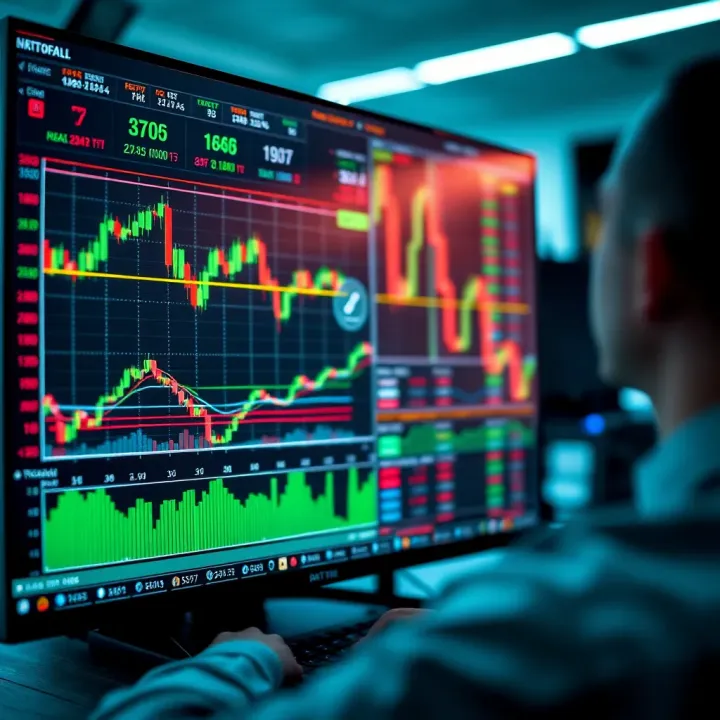
At their core, these robots scan the forex market for specific conditions, such as price patterns, technical indicators, or economic triggers. Once these conditions match the programmed criteria, they place buy or sell orders. For example, a robot might be set to buy EUR/USD when the moving average crosses above a certain level, then sell when it crosses back.
The speed and discipline of trading robots can beat human reaction times and emotional bias, but they depend entirely on how well their strategies are coded.
Trading robots connect directly to trading platforms like MetaTrader 4 or MetaTrader 5, taking care of entry, exit, and even stop-loss orders. Unlike manual trading, robots operate 24/7, catching opportunities during off-hours or fast market moves that human traders might miss.
Algorithm Types: Some robots rely on simple rules like moving averages, others use complex machine learning models.
Customization: Traders often can adjust risk levels, trade size, and indicators.
Backtesting: Before going live, they test their strategy against historical data to estimate performance.
Besides handling trades round the clock, these robots remove emotions such as fear and greed from decision-making. They also allow consistent application of a trading strategy and can monitor multiple currency pairs simultaneously.
Automated trading is not a free ticket to profits. Market conditions change, and without updates, robots can underperform. Not all robots are trustworthy; some are sold without proper testing, leading to losses. It's essential to thoroughly research and test any trading robot before relying on it.
Understanding these basics sets the stage for deeper exploration into the pros and cons of forex trading robots and how to choose one that fits your style and goals.
Understanding how forex trading robots operate is key for anyone considering using one in their trading toolkit. These automated systems, often called Expert Advisors (EAs), remove the need for constant manual monitoring by executing trades based on pre-set rules. Knowing the nuts and bolts of their operation helps traders trust their robots and fine-tune strategies for better results.
At the heart of every forex robot lies an algorithm—a set of programmed rules that analyze market conditions and decide when to buy or sell currencies. The algorithm works by scanning price movements, indicators, or news events, depending on its design. For example, a robot might be programmed to buy the EUR/USD pair when a moving average crosses over a set threshold. This decision-making process happens instantly and continuously, which manual traders could never match in speed or consistency.
Beyond speed, these algorithms rely on mathematical and statistical models. One robot could use Bollinger Bands to sense volatility changes, while another might focus on RSI levels to spot overbought or oversold markets. Each approach offers a distinct way to identify trading opportunities.
Forex robots don’t just decide when to trade—they execute orders automatically using your connected trading platform. This means trades are placed, modified, or closed without you lifting a finger, even outside of normal trading hours. For example, suppose a robot spots a scalping opportunity in the Asian session when liquidity is low; it can execute that trade immediately.
Automatic order execution eliminates delays caused by human hesitation and helps avoid emotional mistakes such as hesitating or second-guessing an opportunity. However, the smoothness of this process depends on a stable internet connection and solid broker integration to prevent slippage or missed orders.
Trend following is one of the most straightforward strategies used by forex robots. The idea is to identify a market direction—up or down—and ride that wave until signs of a reversal appear. Robots programmed for trend following might use moving averages or other trend indicators to keep trades open during sustained price moves.
For instance, if the USD/JPY is steadily climbing, a trend-following robot will place buy trades and hold them to capture profits from the upward momentum. This strategy suits markets with clear, persistent trends but can struggle during sideways movements.
Scalping robots aim to make numerous small profits by taking advantage of very short-term price fluctuations. These robots enter and exit trades within seconds or minutes, often targeting just a few pips in profit per trade. Imagine a robot snatching quick gains from tiny EUR/USD price swings during the busy London trading hours.
Because scalping depends on speed, the robot’s ability to execute orders rapidly is crucial. Scalping also requires tight spreads and low commissions to stay profitable, which means selecting the right broker matters just as much as the algorithm.
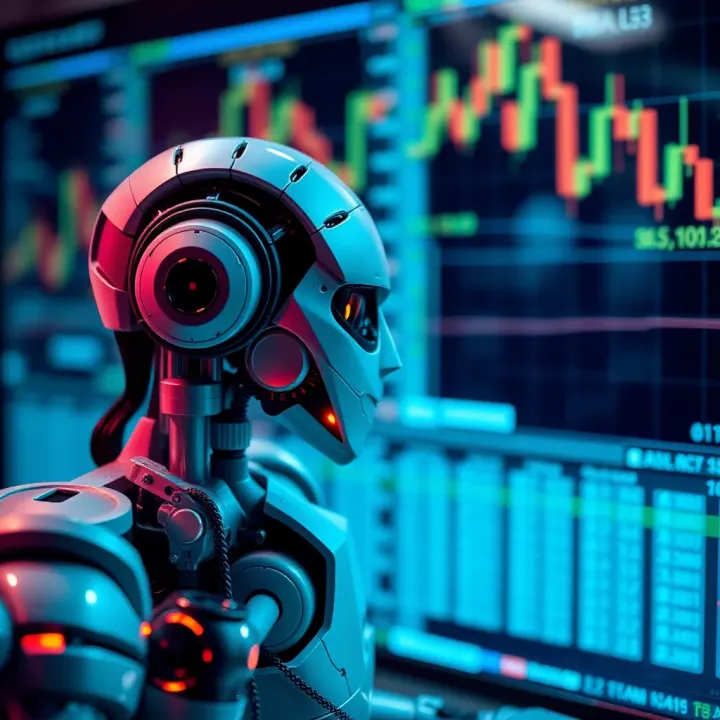
Arbitrage strategies take advantage of price differences for the same currency pair across different brokers or markets. A forex robot designed for arbitrage monitors multiple platforms simultaneously and buys from the cheaper source while selling at the higher price, locking in risk-free profits.
This approach demands lightning-fast order execution and minimal trade costs. While promising in theory, arbitrage opportunities are rare and often disappear quickly once detected. Plus, brokers may limit or ban arbitrage trading, adding a practical hurdle.
The bottom line is, understanding the core ways forex robots operate—from their algorithms to execution and strategy—helps you pick a robot that matches your trading needs and manage expectations better.
Forex trading robots offer traders a way to automate the buying and selling of currencies, but they come with both perks and potential pitfalls. Understanding these pros and cons helps traders make informed decisions about integrating these systems into their strategies.
One major advantage of forex trading robots is their ability to operate around the clock. Unlike human traders who need sleep and breaks, these automated systems keep going as long as the markets are open. This continuous operation allows them to catch opportunities whenever they arise, even in the middle of the night when you might be asleep.
For example, currency pairs like the USD/JPY are active during U.S. and Asian market hours, which might fall outside your usual trading times. A robot working 24/7 ensures you don't miss out on moves just because you're offline.
Trading often stirs up emotions like fear and greed. These emotions can cause traders to second-guess themselves, hold onto losing positions too long, or exit trades prematurely. Forex robots, however, stick to preprogrammed rules without getting nervous or impulsive.
This emotion-free approach can help maintain discipline, especially during volatile market conditions. By following logic instead of feelings, robots can execute strategies consistently, avoiding rash decisions that might cost money.
Speed counts in forex trading where prices can change in milliseconds. Automated robots execute orders much faster than humans can click buttons, helping traders capture prices more accurately.
If a sudden market shift occurs, a robot can open or close a position immediately. This swift action might prevent slippage—where your trade gets filled at a worse price—and protect you from unnecessary losses.
Sometimes traders or developers tailor a robot too closely to historical market data, a problem known as curve fitting. The robot may perform brilliantly on past data but struggles in live trading because it’s too specialized.
This is like memorizing answers for last year’s test but failing when questions change. The robot’s settings need to be general enough to handle new, unseen market movements to avoid disappointing performance.
Forex markets can react unpredictably to news events like interest rate decisions or geopolitical crises. Robots programmed with fixed rules may not adjust quickly or correctly to these sudden changes.
For instance, a robot might continue trading normally during a flash crash, amplifying losses instead of shutting down or changing strategy. Human oversight becomes essential to intervene when unusual market conditions arise.
Running a forex robot requires reliable internet, a stable computer or server, and uninterrupted power. Any glitch—like outages, delays, or software errors—can disrupt trade execution.
Imagine a robot failing to place a stop-loss order because of a lost connection during a volatile market move. Such technical hiccups can cause severe financial damage, so traders must ensure a solid setup and backup plans.
The bottom line is that while forex trading robots can boost efficiency and discipline, they aren’t foolproof. Weighing the benefits against the risks will help you decide if using a robot suits your trading style and risk tolerance.
Choosing the right forex trading robot requires a careful evaluation process. This step can't be overlooked because not all robots deliver on their promises, and picking a bad one can cost you more than just money—it can hurt your confidence too. You'll want to look closely at how reliable the robot is by examining its track record and the transparency of its provider.
Backtesting shows how a trading robot would have performed using historical data. It's a useful starting point, but it can be misleading if taken at face value. Some providers might cherry-pick timeframes where their algorithm worked exceptionally well, ignoring periods when it failed. For example, a robot may boast a 90% success rate on backtests but only against a limited data set during stable market conditions, which doesn't reflect the real market's ups and downs.
That said, a solid backtest should cover various market conditions, including volatile and trending phases. When reviewing backtests, check if the results included transaction costs, slippage, or other real-world factors, which often diminish performance. A thorough backtest with clearly disclosed assumptions helps form a realistic picture of potential results.
More important than backtests is how the robot performs in live trading. Consistency over time demonstrates the system's ability to adapt to real market movements. For instance, there are many robots launched with great backtesting, but few sustain profits when the market shifts unexpectedly, like during economic crises or sudden news announcements.
Look for verified live trading results, ideally audited or tracked by third-party platforms. Beware of robots with short-lived or inconsistent records; a few good months don’t guarantee long-term success. Pay attention to factors like drawdowns (periods of losses) and recovery times, which reveal how the robot manages risk and volatility.
Trusting a forex robot also depends heavily on who’s behind it. Providers with a strong, verifiable reputation foster confidence. Longstanding developers often share detailed information about their experience, disclose updates regularly, and maintain open channels for customer support.
On the flip side, beware of providers promising unrealistic returns or lacking contact details and background info. Forums like Forex Peace Army or Trustpilot can offer insights from other users, giving you a clearer picture beyond the sales pitch.
Transparency extends beyond reputation. If you can access the robot’s source code or at least detailed strategy descriptions, you can assess how it makes decisions. This access lets experienced traders verify the soundness of the system and detect possible red flags like over-optimization or risky parameters.
While most commercial robots keep their code proprietary, some offer signal services or partial strategy disclosure to show their trading logic. If you're given zero details about how the robot operates, that should make you wary—it's better to work with a system you understand well rather than a black box.
Evaluating forex trading robots properly saves you from costly mistakes and sets realistic expectations about automated trading’s strengths and limits.
In short, a thorough evaluation combines checking solid proof of past performance with digging into the credibility of the provider and the transparency of the system. Taking these steps helps ensure the robot you pick fits your trading style and risk tolerance.
Using forex trading robots can simplify your trading, but knowing how to manage them effectively is key to avoiding losses and maximizing potential gains. This section covers practical advice on what to expect from these tools and how to keep risk in check.
Forex markets are notoriously volatile. Even the smartest trading robots can’t predict sudden moves caused by unexpected economic reports or geopolitical events. This means that losses will happen, and profits won't always come in steady streams. For instance, a robot designed to capitalize on small price swings might struggle during a major market shift like a surprise Federal Reserve rate announcement. Understanding this variability helps set realistic goals so you don't expect consistent profits every day.
There’s a lot of hype around forex robots promising sky-high returns with little effort. But trust me, if it sounds too good to be true, it probably is. No trading system—automated or not—can guarantee profits without risks. A robot claiming it can double your account every month is either ignoring market realities or outright scamming. Always approach such claims with skepticism and look for third-party verified performance records instead.
How much money you put behind each trade matters big time. Oversized positions can blow up your account quickly, even if the robot usually performs well. For example, if your account balance is $10,000, risking 5% ($500) on a single trade may be safer than risking 20%. A conservative approach to position sizing helps absorb losses while staying in the game long enough for profitable trades to balance out.
Stop-loss orders cap potential losses by automatically closing trades at a set level. Many robots can manage stop-losses effectively, but you need to check their settings regularly. For instance, if a robot uses very tight stops in a choppy market, it might get stopped out frequently. On the other hand, too wide stops can lead to big losses. Finding the right balance depends on your risk tolerance and the currency pair’s typical price moves.
While robots operate automatically, overlooking them entirely is risky. Markets evolve, and a strategy that worked last year may falter today. Regularly reviewing performance helps you spot when the robot needs tweaking or even pausing. For example, during low liquidity periods like holidays, some robots might behave unpredictably, so scaling back trades temporarily can prevent losses.
The bottom line is to treat forex robots as tools that require your oversight and control, rather than hands-off money machines. Combining realistic expectations with solid risk management improves your chances of long-term success.
💱 Explore forex trading in Kenya with practical steps, risk management tips, and strategies to navigate currency markets. Learn how to start and invest smartly today!
📈 Learn Forex trading basics, risks, and Kenya-specific platforms. Get practical tips to trade currencies safely and smartly using M-Pesa & secure brokers. 💹
📉 Learn how to trade forex confidently with practical tips on strategies, risk control, platforms, and Kenya-specific rules to grow your trading skills safely and smartly.
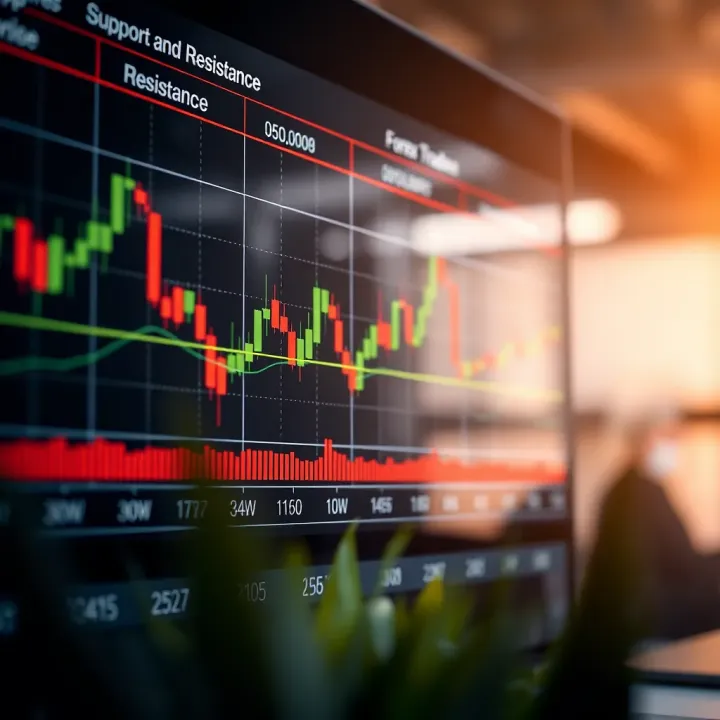
📈 Learn how support and resistance guide forex trading decisions in Kenya and beyond. Recognise key price points, use practical strategies, and avoid common pitfalls.
Based on 15 reviews