

Forex Chart Patterns Guide with PDF Resources
📊 Discover essential forex chart patterns, learn to spot continuation & reversal signals, plus access handy PDF guides for smarter trading decisions in Kenya!
Edited By
Grace Mitchell
Trading chart patterns form the backbone of many market analyses. Understanding these patterns helps traders, investors, and brokers predict potential price movements based on historical data. This knowledge can sharpen decision-making and reduce reliance on guesswork.
Charts transform raw price data into visual cues. These cues reveal how buyers and sellers behave over time. For example, a head and shoulders pattern points to a likely trend reversal, signalling traders to prepare for possible price drops. Meanwhile, a cup and handle often indicates a continuation of an upward trend, offering a buying opportunity.

Recognising chart patterns is not just about spotting shapes; it’s about understanding market psychology behind each formation, giving edge in timing entry and exit points.
Some reliable patterns every trader should know include:
Double tops and double bottoms: Indicate strong support or resistance levels.
Triangles (ascending, descending, symmetrical): Show period of price consolidation before breakout.
Flags and pennants: Suggest brief pauses in a strong trend before it resumes.
Practical application requires more than just pattern identification. Volume analysis, trend confirmation, and risk management complement pattern recognition to build a solid trading strategy.
For those eager to deepen their skills, specialised PDF resources from Kenyan trading academies and global financial educators can be very useful. These documents often explain each pattern with detailed illustrations and case studies, helping to bridge theory and practice.
By mastering key trading chart patterns and utilising these resources, traders will be better placed to navigate Kenya’s dynamic market environment, from NSE equities to forex.
This article will guide you through the main chart patterns, backed by relevant examples and pointers to where you can find good-quality PDFs for further study.
Trading chart patterns serve as one of the key tools in analysing price movements on stock and forex markets. These patterns offer traders a visual representation of how prices behave over time, highlighting possible future trends. For Kenyan traders, whether dealing with Nairobi Securities Exchange equities or forex pairs like USD/KES, recognising such patterns helps in making informed decisions under local market conditions.
Chart patterns simplify complex market data, allowing traders to spot potential turning points or trend continuations at a glance. Their practical benefit lies in reducing guesswork; instead of relying on gut feeling, traders can follow structured, proven setups to time their entries and exits more effectively. This section establishes a foundation to understand what these patterns mean and why they matter.
Chart patterns are shapes formed on price charts by the movement of market prices over a period. In stock or forex trading, these form by the natural ebb and flow of buying and selling activities. For instance, a "head and shoulders" pattern consists of three peaks where the central peak is the highest, signalling a possible market reversal from bullish to bearish. At its core, reading these patterns is about translating price data into signals for future price behaviour.
Patterns reflect the collective psychology of market participants — traders' fears, hopes, and uncertainties all play out as price swings. When a double bottom forms, it shows buyers consistently stepping in at a certain price, indicating strong support. Conversely, a triangle pattern may suggest indecision, with buyers and sellers waiting to see which side gains control. Understanding this human angle adds depth to mere chart reading.
Traders use patterns to anticipate where prices might head next. For example, an ascending triangle usually signals a pause before an upward move resumes. Spotting this early means you can prepare for a potential breakout, positioning yourself advantageously. Such predictions, while never guaranteed, increase the odds in your favour by linking past price behaviour with likely future moves.
Beyond forecasting, chart patterns help manage risks by signalling when trades may no longer be valid. If a double top pattern completes and price breaks below the neckline, it alerts traders to potential downside, prompting stop losses or reduced exposure. Using patterns wisely prevents overexposure and big losses, which is vital for preserving capital, especially for Kenyan traders who might face liquidity challenges or volatile market swings.

Understanding and applying chart patterns equips you with practical insight into market dynamics. This knowledge is essential to develop a disciplined trading approach that balances opportunity and caution effectively.
Understanding common trading chart patterns and their meanings helps traders anticipate potential price movements, making decision-making clearer in a sometimes volatile market. These patterns reveal shifts in trader behaviour, often signalling when prices may reverse direction or continue prevailing trends. Recognising these patterns early can improve timing and risk management, especially when combined with other technical tools.
Head and Shoulders is one of the most reliable reversal patterns, signalling a shift from an uptrend to a downtrend. The pattern forms with three peaks: a higher middle peak (the head) between two lower peaks (the shoulders). Traders use this to predict market peaks and potential sell points. For example, if Safaricom shares on the Nairobi Securities Exchange (NSE) form this shape over several weeks, it might signal weakening momentum and an upcoming downward move.
Double Top and Double Bottom patterns indicate strong reversals and are relatively easy to spot. A double top shows two consecutive peaks near the same level with a dip in between, hinting at resistance and falling prices ahead. On the flip side, a double bottom has two lows near the same level with a peak between, suggesting support and a possible bullish reversal. For instance, a double bottom in forex pairs like USD/KES might hint the shilling has strong support at current levels.
Triple Top and Triple Bottom reinforce reversals with greater conviction, featuring three peaks or troughs at similar price points. These patterns can signal stronger resistance or support than their double counterparts, offering more confidence to traders preparing to exit or enter trades. However, triple tops and bottoms take longer to develop and require patience to confirm.
Flags and Pennants appear as short consolidations during a strong trend and usually signal a brief pause before the trend resumes. Flags look like small rectangles slanting against the trend, while pennants resemble small symmetrical triangles. Kenyan traders often spot these during rapid movements in NSE shares or forex pairs before fresh moves, helping them avoid exiting trades too early.
Triangles (Symmetrical, Ascending, Descending) represent tightening prices signalling potential breakout points. Symmetrical triangles show indecision, often breaking in the trend’s direction. Ascending triangles, with flat resistance and rising lows, hint at upward breaks, while descending triangles, with flat support and downward highs, suggest drops. These are practical in volatile markets like forex where breakout trading is common.
Rectangles form when price moves sideways between parallel support and resistance lines. This pattern shows market indecision but generally points to continuation of the preceding trend once it breaks out. For example, a rectangle could form around key levels in Safaricom shares as investors pause for earnings reports, before resuming the prior direction.
Spotting these chart patterns isn’t about guessing; it’s about recognising behaviour trends in the market and acting with patience and strategy. Using them well can shift a trading approach from random to calculated.
By mastering these patterns, traders build a clearer view of market psychology, better preparing for entry and exit points that make sense within wider trend contexts. Combining these insights with volume data or local news events can sharpen signals for Kenyan markets specifically.
PDF guides serve as reliable tools for traders who want to deepen their understanding of chart patterns. They provide a structured way to study these patterns at your own pace, offering both the theory and visual explanations needed to recognise key signals on trading charts. Using PDFs also allows you to have ready access to examples and notes, which you can refer back to whenever needed without relying on internet connectivity.
PDFs are great because they can be saved on your mobile device, laptop, or even printed out, making them easy to carry wherever you trade or study. For instance, if you are using M-Pesa on your phone to buy shares on platforms linked to the Nairobi Securities Exchange, having a PDF handy to check chart formations like head and shoulders or flags helps you make quicker decisions without needing to search online. The ability to bookmark, highlight and add notes in PDFs improves your learning process and lets you revisit complex concepts anytime.
Many PDF guides come with clear, annotated diagrams showing exactly how patterns form and evolve over time. This visual detail is crucial, especially when you are new to chart reading. Imagine spotting a double bottom but being unsure if the volume confirms it; a good PDF will explain such confirmation signals and even provide past real-world chart screenshots from popular shares like Safaricom or Equity Bank. This makes it easier to move from theory to practice, reducing costly guesswork.
Reputable trading websites such as Investopedia, BabyPips, and official exchange platforms often have downloadable PDF materials on chart patterns and technical analysis. These resources are continually updated to reflect market behaviour and often include practical case studies. For Kenyan traders, the Capital Markets Authority (CMA) website sometimes offers educational materials tailored to local investors, helping you understand chart patterns within the context of Kenya’s market regulations and NSE trading hours.
Several Kenyan trading academies and investment clubs publish PDFs that cover chart patterns with Kenyan market examples. These resources consider local factors like market news, economic data from the Kenya National Bureau of Statistics (KNBS), and market behaviour during festive periods like December when trading volumes might shift. Additionally, some online courses offered through platforms such as eCitizen or university extension programmes include downloadable materials to support practical learning. Accessing these ensures the information is relatable and calibrated to how chart patterns unfold in the local equities and forex market.
Having reliable PDF guides tailored for your trading environment gives you an edge. It strengthens your pattern recognition skills, making your investment choices more confident and well-informed.
Trader success in Kenya relies heavily on understanding local market dynamics, and applying chart patterns is no exception. These patterns are more than just shapes on a graph; they reflect the sentiments and behaviours of buyers and sellers in the market. In Kenya, where the investment scene includes the Nairobi Securities Exchange (NSE) and active forex trading, recognising and using chart patterns enhances decision-making by offering concrete signals amid market noise.
The Nairobi Securities Exchange offers a variety of shares whose price movements often follow familiar chart patterns. For example, Safaricom’s stock may form a bullish ‘cup and handle’ pattern before an upward rally, signalling a potential buying opportunity. Such patterns are practical tools for Kenyan investors aiming to time entry points better and reduce guesswork, especially during earnings seasons or regulatory announcements.
On the forex side, Kenya’s active participation in currency trading—especially in pairs like USD/KES and EUR/KES—makes chart patterns invaluable. Traders use formations such as triangles or double bottoms on currency charts to forecast trend continuations or reversals. These signals help manage the volatility characteristic of forex markets influenced by factors like Central Bank of Kenya (CBK) monetary policy shifts or global commodity price swings.
Local economic reports and events often cause sharp market reactions that align with chart pattern signals. For instance, a positive GDP growth report may confirm a breakout from a ‘flag’ pattern in NSE stocks, giving traders confidence in the trend’s strength. Conversely, unexpected political developments or election outcomes might invalidate common patterns, requiring traders to exercise caution and consider fundamentals alongside technical analysis.
Timing trades according to Kenya’s specific market hours can also enhance pattern effectiveness. The NSE operates from 9:30 am to 3:00 pm EAT, and forex markets are influenced by overlapping international sessions. Kenyan traders who align their pattern analysis with these hours tend to catch price moves early or avoid false signals during low liquidity periods, such as lunchtime lulls or public holidays.
Successful trading in Kenya means combining chart patterns with a clear understanding of local economic conditions and market timings. This integrated approach helps manage risks and improves the chances of making well-informed investment choices.
By adapting chart pattern recognition to the Kenyan context, traders gain tailored insights that reflect real market behaviour rather than generic textbook examples. This practical focus gives both beginners and seasoned traders a stronger edge in navigating NSE equities and forex markets with confidence and discipline.
Mastering trading chart patterns takes more than just recognising shapes on a graph; it requires deliberate practise and caution to avoid common pitfalls. Applying the right tips can sharpen your skills and improve your trading outcomes, especially when dealing with NSE equities or forex pairs popular among Kenyan traders.
Using historical charts for practice is essential to build confidence. When you review past price movements, you can spot patterns like Head and Shoulders or Ascending Triangles as they actually appeared, without the stress of real money on the line. For example, looking at Safaricom Ltd's stock charts over the last year reveals multiple flag patterns before upward price bursts. By going through such examples, you train your eyes to detect these formations faster in live markets.
Paper trading before live investing complements chart study by enabling you to try trades based on pattern signals without risking capital. Many Kenyan trading platforms and apps offer simulated environments where you can execute trades virtually. This practice helps you understand how patterns translate into price actions and manage emotions better. For instance, you might practise entering a trade after a confirmed triangle breakout and monitor how price reacts on your simulated account. It builds discipline and prepares you for real trading conditions.
Over-relying on patterns without confirmation often leads traders astray. Chart patterns suggest potential moves but don’t guarantee outcomes on their own. Using additional tools like volume indicators or trendlines helps confirm signals. Say you identify a Double Bottom pattern but volume remains low; this might warn you to be cautious. Ignoring confirmation can cause premature entries or exits, especially in volatile markets like forex.
Neglecting proper risk management is a frequent error that can wipe out gains quickly. Regardless of how strong a pattern looks, always set stop-loss orders to limit losses if the trade moves against you. For example, if trading NSE shares such as Equity Bank using pattern signals, decide on your risk per trade and stick to it. Overtrading without limits or increasing position sizes impulsively can lead to heavy losses. Protecting your capital guards against setbacks and keeps you in the market long-term.
Practising chart patterns carefully and pairing them with good risk habits lay a solid foundation for consistent trading success. This approach is particularly relevant for Kenyan traders navigating local market nuances and global trends.
Applying these tips ensures you’re not just spotting patterns but also making smarter, more informed trades that reflect real market behaviour.
📊 Discover essential forex chart patterns, learn to spot continuation & reversal signals, plus access handy PDF guides for smarter trading decisions in Kenya!

Master forex chart patterns in Kenya 🇰🇪 with this essential guide! Spot key trends, boost your trading skills, and grab a free PDF for quick reference 💹📄

📊 Discover how to read key chart patterns in trading with our detailed guide and access free PDF downloads to boost your skills in Kenya and beyond.
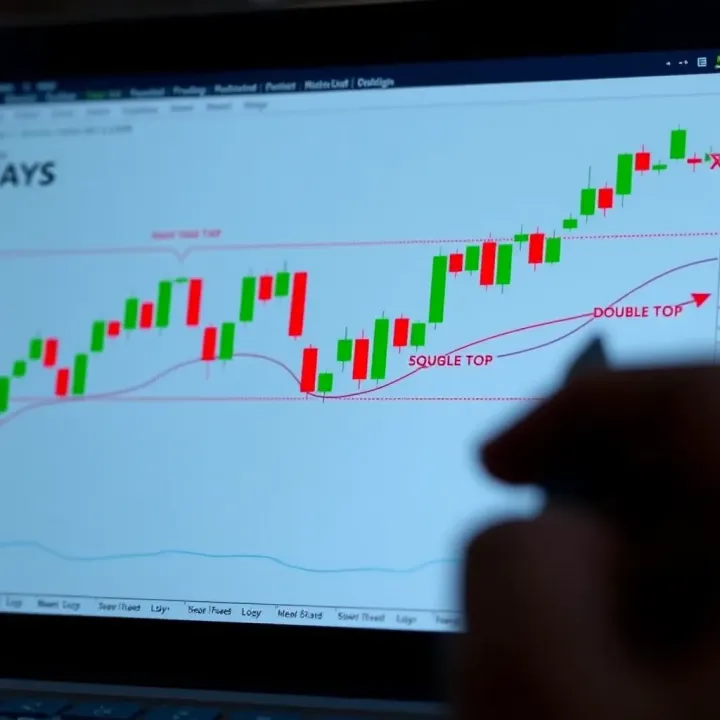
Master key forex chart patterns 📈 with this practical guide! Learn to spot formations, interpret signals, and boost your trading edge confidently.
Based on 5 reviews