

Forex Chart Patterns Guide with Free PDF
Master forex chart patterns in Kenya 🇰🇪 with this essential guide! Spot key trends, boost your trading skills, and grab a free PDF for quick reference 💹📄
Edited By
Emily Foster
Forex trading can feel like a wild jungle—charts moving up and down, news flashing, and decisions that need to be made lickety-split. But amidst all this chaos, chart patterns act like signposts, guiding traders on potential price moves. Knowing how to spot these patterns isn't just a neat trick; it’s a fundamental skill that can seriously tilt the odds in your favor.
This guide dives into the core forex chart patterns every trader should have up their sleeve. We're not talking fluff here – instead of generic info, you’ll find clear explanations, practical examples, and yes, PDF resources to keep on hand for quick reference. Whether you're eyeing continuation or reversal patterns, understanding their signals can empower your trading decisions.

Understanding chart patterns is particularly valuable in Kenya’s growing forex market, where many traders look for solid tools to improve strategy and manage risks better. If you want to make sense of the charts instead of guessing, this guide has you covered.
Chart patterns can often be the difference between a lucky guess and a calculated move in forex trading.
Stick around and let’s break down some of the most important patterns, how to recognize them, and ways to put them to work in your trading game. Along the way, you’ll also find handy downloadable PDFs that you can print or save for your trading toolkit.
Ready to decode the charts and trade smarter? Let’s get started.
Forex chart patterns are the bread and butter of price analysis, especially for those who want to read the market without getting tangled in complex indicators. Think of these patterns as visual clues—like weather signs for traders—that help predict where prices might head next.
Forex chart patterns are shapes or formations created by price movements on a chart. These shapes emerge naturally as buyers and sellers interact in the market, and they tend to repeat because human behavior patterns are consistent. Imagine watching waves at the beach; some are big, some are small, but certain formations keep coming back. Whether it's a 'head and shoulders' pattern suggesting a trend reversal, or a 'triangle' that hints the price is taking a breather before a continuation, these patterns give a snapshot of market sentiment.
For example, the "double top" pattern often signals that the price hit a peak twice but couldn’t break higher, suggesting sellers might take charge soon. Recognizing such setups early can help a trader decide when to enter or leave a trade.
Spotting forex chart patterns isn’t just a fancy skill; it can save you from costly mistakes and improve your timing. Imagine trying to cross a busy street; knowing when the light will turn makes all the difference. Similarly, recognizing patterns gives you an edge in predicting price moves ahead of time.
Traders use chart patterns to:
Identify potential trend changes early
Set realistic entry and exit points, improving risk control
Combine with other tools like volume or momentum indicators for stronger signals
Without this knowledge, you might be trading blind, reacting to price moves rather than anticipating them. For instance, if you ignore a "falling wedge" pattern signaling an upcoming reversal, you might miss out on a profitable buy opportunity.
Paying attention to forex chart patterns is like having a roadmap in a city full of twists and turns—it helps you navigate with confidence rather than guesswork.
In the Kenyan forex market, where price moves can sometimes be influenced by local economic news or global events, tying chart patterns with news awareness enhances decision-making. This approach keeps traders from jumping in headfirst and encourages disciplined, informed trading.
Next, we'll dig deeper into the most common types of forex chart patterns and how to spot them right on your charts.
Forex chart patterns are fundamental tools that traders use to predict potential price movements. Knowing which pattern you're looking at can really change how you approach a trade. These patterns generally fall into two main buckets: reversal and continuation. Understanding these categories helps you grasp if the market is about to change direction or just take a breather before continuing its trend.
Reversal patterns signal that the current trend is losing steam and a turnaround is likely on the horizon. Spotting these can help you enter trades at the start of a new trend rather than chasing prices after a big move.
This classic pattern is easily spotted by three peaks: the middle one (the "head") is the highest, flanked by two smaller peaks (the "shoulders"). It often appears after an uptrend and hints that prices might fall soon. For example, if the USD/KES pair shows a head and shoulders after a steady rise, it might be your cue to prepare for a dip. Traders look for the "neckline," a support level connecting the two troughs, as an entry trigger—when price breaks below it, a short position can be considered.
Think of these as the market testing the same price level twice but failing to break through. A double top looks like an “M” and appears at the top of an uptrend, signaling a sell-off ahead. Conversely, a double bottom resembles a “W” and indicates that the market has found a strong support, likely to head upwards. For instance, spotting a double bottom on EUR/USD in your trading hours could suggest a bounce-back; opening a long position after confirmation might pay off.
Similar to double tops and bottoms but with three tests instead of two, these patterns show even stronger resistance or support levels. Triple tops tend to warn of strong bearish reversals, whereas triple bottoms imply potential bullish turnarounds. They’re rarer but often reliable once confirmed, offering traders a clearer signal for reversals.
Continuation patterns hint that the current trend is taking a pause, not ending. Recognizing them helps traders hold on to positions or re-enter after a brief pullback.
Triangles are formed when price squeezes into tighter ranges. An ascending triangle has a flat top and rising bottoms, signaling upward pressure. Descending triangles show the opposite, with a flat bottom and descending tops, hinting at bearish continuation. Symmetrical triangles are a bit trickier, with converging tops and bottoms showing indecision but often leading to a breakout in the previous trend’s direction.
For example, if GBP/USD is in an ascending triangle during a rise, the breakout above the flat resistance often marks a strong buy opportunity.
Both appear after big moves and look like short periods of consolidation before the trend continues. Flags are small rectangular shapes slanting against the trend, while pennants resemble small symmetrical triangles. Imagine the USD/JPY pair rallying sharply, then moving sideways in a flag pattern; catching the breakout right after can be profitable.
Rectangles form when price bounces between parallel support and resistance levels, showing a pause in trend. Traders watch for breakouts above or below these levels for signals to enter or exit. In the context of the forex market, if AUD/USD is stuck in a rectangle, waiting for a breakout can save you from premature trades and direction guesses.
Recognizing these common forex chart patterns equips traders with clues about where prices may head next. Combining pattern knowledge with sound risk management can significantly improve your trading edge.

By mastering reversal and continuation patterns, you can better anticipate market moves rather than reacting too late. This skill, together with PDF resources for visual reference, forms a solid foundation for confident forex trading strategies.
Understanding how to read and interpret forex chart patterns plays a vital role in making solid trading decisions. Without this skill, traders often find themselves chasing the market blindly or reacting too late. When you break down a chart pattern properly, it’s not just about spotting shapes; it’s about knowing what the market is likely telling you—whether buyers are coming in strong, or sellers are about to take control.
For example, seeing a "head and shoulders" pattern emerge on the USD/KES chart could hint at an upcoming reversal in the pair’s momentum. If you caught this early, you might avoid holding a long position that's about to lose value. Interpretations like these help you set realistic expectations and plan your entry and exit points.
When diving into chart patterns, certain indicators and signals deserve your attention. For starters, look for breakouts—points where price moves decisively out of a pattern’s boundary like a triangle or rectangle. A sharp move beyond resistance or support levels often signals the start of a fresh trend.
Moving averages can further assist in confirming trend direction. For instance, if the 50-day MA crosses over the 200-day MA after a breakout, it usually adds confidence that the new trend has strength. Another vital component is candlestick signals; patterns like pin bars or engulfing candles near pattern support or resistance lines can act as early warnings.
Together, these signals can offer a clearer picture of what the price action will probably do next. They’re not foolproof, but combining them boosts your chances of making smarter decisions.
Volume analysis is an often overlooked yet powerful tool when confirming chart patterns. Volume represents the number of trades or contracts passing hands, showing how much interest the market has in a movement.
Take, for example, a bullish breakout from a flag pattern. If the breakout happens with a spike in volume, it indicates genuine buying power behind the move, suggesting the trend is likely to continue. Conversely, if volume dries up during a breakout, it may be a false signal, and the price could reverse swiftly.
Similarly, during reversal patterns like double tops or bottoms, volume tends to peak at the turning points. For Kenyan traders watching major currency pairs such as EUR/USD or GBP/USD, pairing volume spikes with pattern completions can significantly reduce the chances of falling for false signals.
Always remember: volume doesn’t lie. Ignoring it is like trying to navigate with one eye closed.
Integrating these aspects—recognizing key indicators and signals and understanding volume behavior—gives traders a more reliable setup. It’s like putting together puzzle pieces to reveal the market’s big picture before making a move.
When it comes to learning forex chart patterns, having a solid, easy-to-access reference can make all the difference. PDF guides serve this purpose perfectly—they offer a compact, organized format that traders can keep handy and refer back to anytime. This kind of quick access proves especially useful when you're in the heat of trading and need to confirm if what you’re seeing matches a known pattern.
One important thing is how PDFs often combine visuals with clear explanations, helping to solidify pattern recognition skills. Unlike scrolling through endless webpages or videos, a well-crafted PDF puts everything flat on the table—charts, examples, annotations—all in one spot. This cohesive approach can accelerate learning and reduce the chances of mistaking one pattern for another.
PDF guides bring several practical advantages to a forex trader's toolkit. First up, they offer portability; once downloaded, you don't need an internet connection to access them, something that’s handy if you’re on the go or in areas with patchy signals. For Kenyan traders dealing with unreliable networks at times, this aspect alone is a game-changer.
Second, these PDFs often provide consistent formatting and quality throughout, which makes comparing patterns easier. Imagine flipping back and forth between a head and shoulders pattern and a double top without hunting for separate photos or links—everything’s right there, side by side.
Another perk is the ability to annotate and highlight. Most PDF readers allow you to add notes or mark up sections, which can help when you’re practicing and want to keep track of tricky spots or personal discoveries.
Traders who regularly consult and interact with chart pattern PDFs tend to spot trades more confidently, minimizing hesitation during fast market changes.
Finding reliable resources can feel like a needle in a haystack, but some names stand out for their clarity and usefulness. Classics like John J. Murphy’s "Technical Analysis of the Financial Markets" offer downloadable PDFs that are considered staples in the field, giving a deep dive into charting techniques and patterns.
For those wanting something more bite-sized and focused, websites such as Babypips and Investopedia provide downloadable PDF materials tailored to chart patterns. These guides tend to break down patterns simply and include examples from live forex charts, which helps cement the concepts in a trader’s mind.
Don’t overlook broker-provided resources either. Brokers like FXTM and IG often publish educational PDFs designed to complement their platforms—these typically align with current market conditions and trading tools specific to their clients.
In a nutshell, supplementing your learning with PDF guides is practical and smart. They complement on-the-fly chart reading and give you a reliable reference to cross-check patterns. For Kenyan traders, where internet access might not always be top-notch, these downloaded files become your best friends during market analysis sessions.
Integrating chart patterns into your forex trading strategy is like adding a compass to your voyage—without it, you’re just floating aimlessly in the market sea. Patterns give you concrete signals about potential price moves, helping you make informed decisions rather than guessing. When combined thoughtfully with your strategy, chart patterns provide clear entry and exit points, improve risk management, and increase the likelihood of consistent profits.
Take, for example, a trader who spots a well-formed head and shoulders pattern on the EUR/USD chart. Instead of jumping in blindly, the trader waits for the price to break the neckline—a crucial confirmation step—before entering a short position. This integration of pattern recognition with deliberate timing could avoid premature trades and reduce losses.
In this section, we’ll focus on how to effectively set your entry and exit points using patterns, then explore how these insights support sound risk management.
Entry and exit points are the backbone of any solid trading strategy. Chart patterns serve as signposts that indicate when these points might be optimal. For instance, in a double bottom pattern, the second trough often signals a potential reversal. A savvy trader will enter a long position just as the price crosses above the resistance level formed after the second bottom, increasing the chance of catching a rally early.
Exits, on the other hand, often hinge on the target price calculated from the pattern’s characteristics. In the case of a flag or pennant continuation pattern, traders typically measure the length of the preceding move (flagpole) and apply it to the breakout point to estimate the exit level. This method helps avoid staying in a trade too long and getting caught in a reversal.
Clear entry and exit rules also assist in staying disciplined. Without defined points, emotions like fear and greed may cause premature selling or holding on too long. For example, setting a sell order just slightly above a breakout point after a breakout pattern confirms can lock in profits quickly before price pullbacks.
Risk management is often overlooked but is as vital as spotting patterns themselves. Recognizing chart patterns helps define logical stops and limits, lowering unnecessary exposure. For example, in a head and shoulders reversal, you can place a stop-loss just above the right shoulder’s peak when shorting. This confines your loss if the pattern fails.
Moreover, combining pattern signals with a fixed risk percentage per trade—say 1–2% of your account balance—keeps losses under control even if the trade doesn’t pan out. Using position sizing to adjust your lot size based on stop-loss distance ensures consistent risk levels across trades.
Practical experience shows that traders often lose money by ignoring risk tools. Incorporating patterns to guide stop placements and exits encourages a proactive mindset, focusing on protecting capital first and foremost.
A solid trading plan is incomplete without integrating chart patterns into your risk management. They offer objective levels to place stops and targets rather than guessing or reacting emotionally.
By blending these aspects—entry, exit, and risk control—chart patterns evolve from simple shapes on a screen to powerful strategy components, enabling traders to act methodically rather than speculating blindly. In Kenya’s dynamic forex market, this approach helps navigate volatility with greater confidence and precision.
Chart patterns are powerful tools in forex trading, but they're not foolproof. Every trader should recognize their limitations to avoid costly errors. This section sheds light on common pitfalls and why relying solely on these patterns can lead to trouble. Even a well-formed pattern can fail under certain market conditions, so understanding their weaknesses and how mistakes happen helps you trade smarter.
False signals pop up when a chart pattern suggests a price move that never follows through. For example, a trader might spot a classic double top and expect a reversal, only for the price to continue climbing instead. These misleading cues often happen when market noise or low trading volume distorts the pattern’s meaning.
One practical tip is to check confirmation indicators like volume spikes or momentum oscillators before jumping in. For instance, if a head and shoulders pattern forms without accompanying volume increase on the breakout, it could be a fakeout. Kenyan traders watching the USD/KES pair might see volatile moves around economic announcements, where patterns break down easily due to sudden news impacts.
Another way to dodge false alerts is to wait for the price to close beyond pattern boundaries rather than reacting to intraday wicks or shadows. This guards against reacting to temporary price spikes that quickly reverse. A little patience upfront can save you from many whipsaws.
Forex chart patterns don't live in isolation. Relying only on these visual signals can sometimes paint an incomplete picture of the market's direction. By blending pattern recognition with other analysis methods, you reduce risks and improve your decision-making.
Indicators like the Relative Strength Index (RSI) or Moving Average Convergence Divergence (MACD) can confirm if the momentum backs the chart pattern’s forecast. For example, spotting a bullish flag could be more reliable if the RSI shows oversold conditions turning bullish.
Also, incorporating fundamental analysis is crucial especially in emerging markets like Kenya. Economic data releases, central bank policies, and geopolitical events have major influences that patterns alone can't capture. If a pattern suggests a breakout but the Kenyan shilling faces unexpected political pressure, it’s smart to pause and reassess before trading.
Using multiple tools together gives you a fuller picture and helps avoid overconfidence in any single method. Think of it like double-checking your work—a safety net against the market’s uncertainty.
Remember: No chart pattern guarantees a trade will work out. Accepting their limits and using them with other tools can prevent costly mistakes.
To wrap this up, forex chart patterns serve as a solid foundation for technical analysis, but the savvy trader knows when and how to blend them with other signals and market context. This way, you stay a step ahead in the ever-shifting tides of forex trading.
Getting a solid grasp of forex chart patterns is one thing, but knowing how to apply that knowledge in the specific context of the Kenyan market is where many traders hit their stride. Kenyan forex trading has some unique quirks, like volatility linked to local economic news or global commodity price shifts affecting the shilling. This section walks you through tailoring your approach to fit those realities.
Recognizing forex chart patterns is only part of the story; adapting them to Kenya’s market environment is what sets successful traders apart. For example, the Kenyan shilling can react sharply when the Central Bank of Kenya announces changes in interest rates or foreign reserves, causing patterns to sometimes break earlier than textbook cases suggest.
Take the double top pattern: internationally it might signal a straightforward reversal, but in the Nairobi Securities Exchange, unexpected political developments or agricultural export cycles might cause prices to consolidate longer, delaying the pattern’s confirmation. It’s useful to combine pattern recognition with awareness of local events like election cycles, government budgets, and even major rainfall forecasts that impact commodity prices.
Here's a practical tip: keep a local economic calendar handy and cross-reference major pattern signals against upcoming announcements. This helps avoid acting on patterns that are about to break due to sudden local market shocks.
Technology can be a great ally in spotting forex chart patterns, especially for Kenyan traders who might be juggling multiple jobs or have limited access to desktop platforms. Mobile trading apps like MetaTrader 4 and 5 are widely used in Kenya and include handy, built-in tools for detecting common patterns like head and shoulders or triangles.
Beyond the basics, some advanced apps use automated pattern recognition combined with alerts you can customize. This means you get notified immediately when a pattern forms or breaks—helpful in a fast-moving environment where you can't monitor charts all day. For example, the TradingView app offers customizable alerts that work well even on lower-end smartphones popular in Kenya.
Always remember, apps should support your intuition, not replace it. Use these tools to spot potential trades but double-check by analyzing the charts yourself. Over-reliance on automated signals can lead to ignoring important market context specific to Kenya, like informal market influences or off-exchange forex activity.
Staying connected with local trading communities, forums, or WhatsApp groups can also keep you updated on the latest tools and app recommendations used by Kenyan traders, adding a peer review layer to your strategy.
By adapting these practical tips to your routine, not only can you spot forex chart patterns more reliably, but you can also make trades that better fit the Kenyan currency scene’s twists and turns.
Wrapping up your study of forex chart patterns is crucial for turning theory into practical trading skills. This section sums up the main points we've covered and guides you on what to do next to strengthen your trading approach. It saves you time by highlighting the essential patterns and how to apply them carefully, so you won't be left guessing when real money is on the line.
Understanding chart patterns isn’t just about spotting shapes on a screen; it’s about interpreting what those shapes mean for price behavior. The key takeaway here is recognizing when price action signals a continuation or a reversal. For example, spotting a Head and Shoulders pattern early can help you anticipate a market pullback, while identifying a flag pattern might suggest a bullish trend is about to push higher.
Moreover, volume plays a supporting role—it often confirms whether a pattern is genuine. If a double top forms with weak volume, the signal is weaker than one filled with heavy trading activity. Kenyan traders can especially benefit from combining these insights with local market news to avoid whipsaws caused by sudden economic updates.
Keep in mind that no pattern is foolproof. Success relies on practicing pattern identification alongside solid risk management, such as setting your stop-loss levels just beyond pattern boundaries and choosing entry points carefully.
PDF guides provide handy references you can download and review anytime, perfect for traders who want to study offline or on the go. To find trustworthy materials, look to established sources like the official DailyFX trading guides or educational PDFs from brokers like IG or FXTM. These often include detailed examples and interactive charts.
Additionally, platforms such as BabyPips offer well-structured PDF tutorials that break down chart patterns with clear illustrations and practical tips. Avoid random downloads—always verify the source and date to ensure you are getting accurate, up-to-date knowledge.
For Kenyan forex traders, utilizing PDFs from regulated Kenyan brokers or local trading academies can add context-relevant insights, such as how local economic factors might influence global patterns. Having these resources at your fingertips means you can sharpen your skills without relying solely on memory, improving your confidence and timing in trading decisions.
Remember, continuous learning and referencing quality educational materials can separate a successful trader from one who’s merely guessing in the dark.
Next steps involve applying these learnings to live charts, tracking your trades, and regularly updating your PDF library to stay current with market changes and evolving trading strategies.
Master forex chart patterns in Kenya 🇰🇪 with this essential guide! Spot key trends, boost your trading skills, and grab a free PDF for quick reference 💹📄
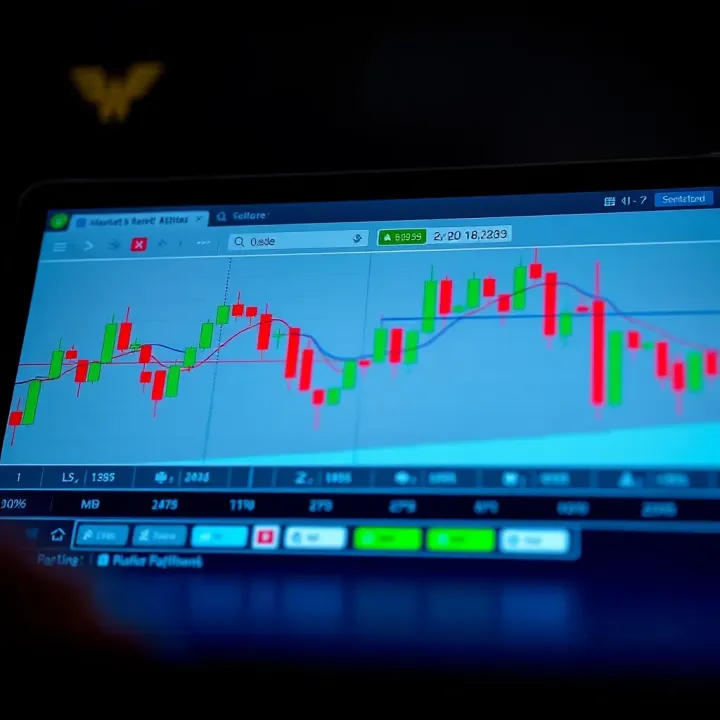
Master key forex chart patterns 📈 with this practical guide! Learn to spot formations, interpret signals, and boost your trading edge confidently.
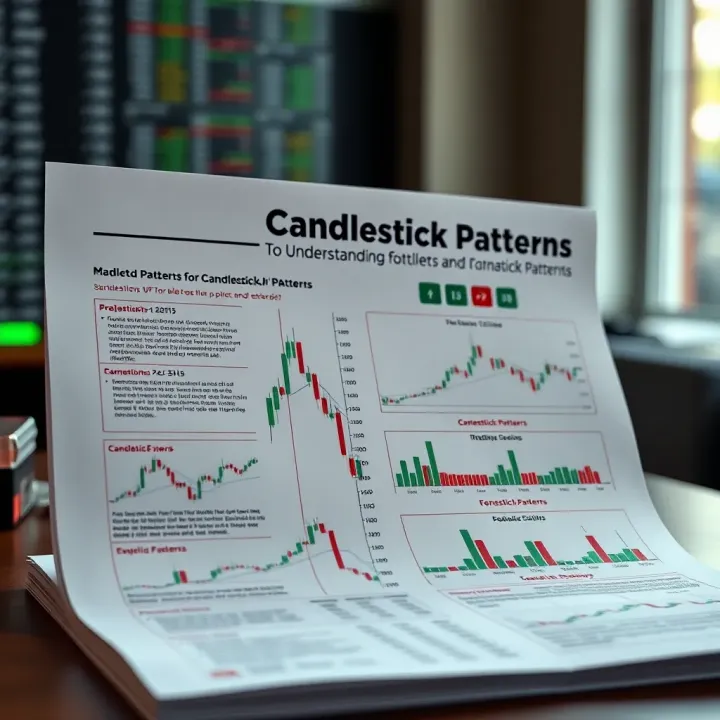
📊 Master candlestick patterns with our detailed PDF guide! Learn to read charts, interpret signals, and boost your trading skills in Kenya confidently.

📊 Learn key chart patterns with practical tips and downloadable PDFs. Improve your trading skills and market analysis using this clear, detailed guide!
Based on 9 reviews