
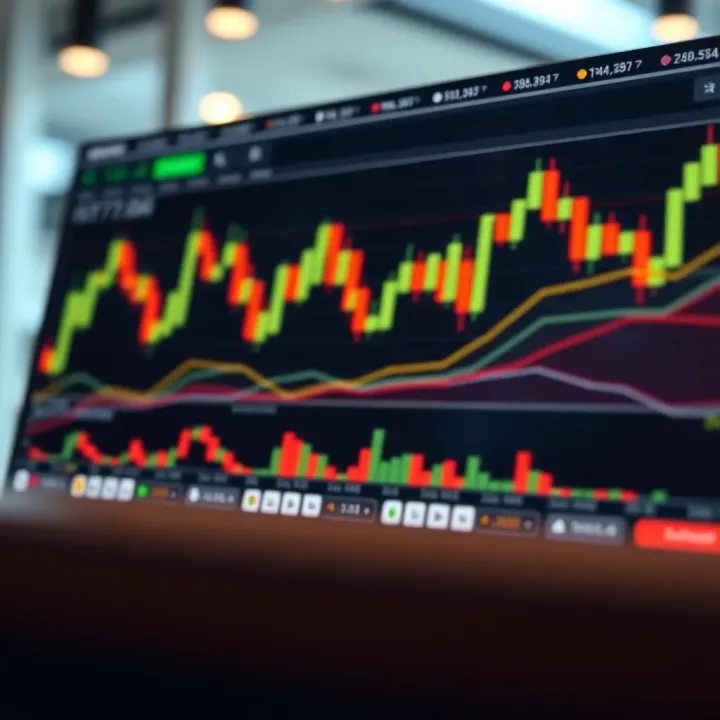
Forex Candlestick Patterns Explained
📈 Learn to spot key forex candlestick patterns and improve your trading skills with practical tips tailored for Kenyan traders and similar markets.
Edited By
Amelia Hughes
Reversal candlestick patterns are vital signals used by traders to spot potential shifts in market direction. These patterns appear on price charts and often hint that a trend may be coming to an end or reversing. Recognising these patterns helps traders make better decisions on when to enter or exit trades, especially in volatile markets like Kenya's stock exchange or forex scene.
These patterns form part of technical analysis tools that complement other indicators. Rather than relying solely on price trends or volume, they provide visual cues based on price behaviour during a specific time frame. For example, a reversal candlestick may signal the market is moving from an uptrend to a downtrend, or vice versa.

In practical trading, spotting key reversal patterns early allows you to protect profits or reduce losses. This is particularly useful when trading popular Kenyan stocks or currencies where sudden movements can catch investors off guard.
Reading candlestick patterns carefully and using them alongside other technical and fundamental signals can improve your edge in the market.
Common reversal candlestick types include:
Hammer and Hanging Man: Single candlesticks with small bodies and long lower shadows. A hammer after a downtrend indicates a possible bullish reversal, while a hanging man after an uptrend can signal bearishness.
Engulfing Pattern: Occurs when a smaller candlestick is followed by a larger one that completely covers the previous body. Bullish engulfing at a downtrend’s bottom suggests buying pressure; bearish engulfing indicates selling at a peak.
Doji: Shows indecision with tiny or no real body. When appearing after a strong trend, it warns of potential reversal.
Understanding these patterns involves watching how they fit in the broader market context, like volume spikes or economic news impacting Kenya’s financial markets. No pattern guarantees success, but studying their formation and practising with historical charts sharpens your trading skills.
Using reversal candlestick patterns effectively requires patience, discipline, and consistent record-keeping of your trades. Over time, you can combine these insights with local market knowledge to improve timing, enhance risk management, and ultimately increase profitability.
Understanding the basics of reversal candlestick patterns is essential for any trader trying to predict when a price trend might change direction. These patterns offer practical clues based on price action and help traders make timely decisions to enter or exit trades. For example, spotting a hammer candlestick after a downtrend might signal potential upward movement, giving traders an edge in markets like the NSE or the forex exchange.
A candlestick represents price data over a specific period, such as one day or one hour. It consists of the body, which shows the opening and closing prices, and the wicks (or shadows) that display the highest and lowest prices within that timeframe. For instance, a long lower wick often suggests buyers pushed prices back up after a dip, giving an insight into market sentiment.
Candlesticks visually reveal how prices moved within the period, allowing traders to quickly grasp whether buyers or sellers dominated. A green (or white) candle means the closing price was higher than the opening price, showing buying pressure, while a red (or black) candle indicates selling pressure. In practical terms, when you see a sequence of red candles turning into a green hammer pattern, it may hint at a reversal from a downtrend.
While reversal patterns indicate a possible change in the existing trend, continuation patterns suggest that the trend will keep moving in the same direction. For example, a bullish engulfing pattern signals a reversal from bearish to bullish momentum, whereas a flag or pennant often shows the trend pausing before continuing. Recognising this difference helps traders avoid false assumptions and improves timing.
Seeing reversal patterns helps traders prepare for potential market turns. They can position themselves to buy before an upswing or sell before a downturn, reducing risk and maximising profit potential. Especially in Kenyan markets, where volatility sometimes spikes due to local economic news, these patterns offer traders a clearer view amid uncertainty.
Reversal candlestick patterns are like signposts on the road: they don’t guarantee the direction, but ignoring them increases the chances of getting lost in the market.
By grasping these basics, traders can better use candlestick charts to spot lucrative opportunities and avoid costly mistakes.
Reversal candlestick patterns give traders a visual hint that the market trend might be changing direction. Understanding the common types allows you to anticipate potential turning points, helping you decide when to enter or exit trades. This knowledge is practical for managing risks and maximising profits, especially in markets like Nairobi Securities Exchange or forex pairs popular among Kenyan traders.
The hammer is a candlestick with a small body near the top and a long lower wick, appearing after a downtrend. This shape suggests that sellers pushed prices down during the session, but buyers regained control by the close. The inverted hammer, on the other hand, has a small body near the bottom and a long upper wick, signalling that buyers tried to push prices up but sellers resisted. Both patterns hint at a possible bullish reversal, especially if confirmed by higher volume the next day.
For example, on a KCB Bank stock chart showing a prolonged decline, spotting a hammer could suggest that sellers are weakening. An orderly trade following this pattern might be worth considering, but it’s wise to look for confirmation from other indicators or volume.

The morning star pattern unfolds over three candles: a bearish candle, a small-bodied candle that gaps lower, and then a bullish candle that closes well into the first candle's territory. This formation reflects a market transition from selling pressure to buying interest. In Kenyan markets, the morning star can appear after sharp declines due to economic shocks, signalling the start of recovery.
Traders often use the morning star to spot buying chances, especially when it happens around key support levels, such as at the trendline of an agricultural stock affected by seasonal factors.
A bullish engulfing pattern occurs when a small bearish candle is completely engulfed by the following larger bullish candle. This shows a clear shift in momentum from sellers to buyers. It often marks the beginning of an uptrend reversal.
For a more practical take: suppose Safaricom shares have been dropping steadily. Spotting a bullish engulfing candle, especially on high trade volume, could be your signal to start a long position with caution. It’s a straightforward pattern that traders watch closely to confirm market sentiment change.
The shooting star is a single candle with a small body near the bottom and a long upper wick, indicating that buyers pushed prices high during the session, but sellers regained control by the close. This pattern often appears after an uptrend and suggests that the rally might be losing steam.
Imagine a rally in KCB shares driven by strong quarterly earnings. Suddenly, a shooting star forms—this could be a signal for traders to tighten stop-loss orders or consider taking profits before prices drop.
Opposite to the morning star, the evening star comprises a bullish candle, a small-bodied candle that gaps higher, then a bearish candle closing deep into the bullish candle’s range. It signals that buying pressure is fading and sellers are gaining strength.
In practice, this pattern helps traders to spot selling opportunities after a rise, which is valuable during volatile periods affected by local economic reports or political developments in Kenya.
The bearish engulfing happens when a small bullish candle is followed by a larger bearish candle that covers or "engulfs" the prior candle’s body. It points to a shift in market power from buyers to sellers.
For Kenyan traders, spotting this pattern in forex pairs like USD/KES after a run-up might prompt reconsideration of long positions. It’s most reliable when combined with volume spikes or breaks below support zones.
Recognising these common reversal candlestick patterns can significantly improve your timing in the market. However, always confirm with other tools and consider local factors to make informed trading decisions.
Spotting reversal candlestick patterns correctly while trading can save you a lot of trouble, especially when markets are unpredictable. Recognising these patterns in real time helps you anticipate price shifts before they fully unfold, giving you a slight edge in making buy or sell decisions. This skill matters most when combined with careful analysis rather than relying purely on pattern shapes.
Candle size and shape play a big role in signalling potential reversals. For example, a long lower wick on a hammer candle suggests buyers pushed prices up after sellers drove them down, hinting at a possible bullish turn. Meanwhile, small bodies with long wicks in both directions could indicate indecision and a looming change. Paying attention to how tall or short the candle bodies are, and where the shadows lie, lets you gauge market sentiment in that moment.
The position relative to trend is another crucial factor. A reversal pattern appearing after a strong upward trend often signals a bearish reversal, while the same pattern in a downtrend hints at a bullish flip. For instance, a shooting star candle (a bearish reversal) shows up after price climbs steadily. If such a candle emerges in isolation, it might mean little, but spotting it right at the peak of a rally adds weight to the signal.
Volume confirmation adds real practical value when confirming reversals. A reversal candlestick pattern accompanied by high trading volume strengthens the chance of a genuine trend change. For example, if a bullish engulfing candle on the Nairobi Securities Exchange (NSE) report is supported by a spike in traded shares, this confirms buyers are stepping in decisively. Ignoring volume can lead to trusting fake signals where price movement lacks trader commitment.
One common pitfall is trusting reversal signals from small sample sizes. For example, seeing a single hammer candle after a few random price moves doesn’t guarantee a trend change, especially in thin markets like some Kenyan agricultural stocks. It’s better to consider multiple confirmations or wait for follow-up candles to reduce false signals that lead to losses.
Misinterpretation without context often messes traders up. Candlestick patterns don’t work in a vacuum. A hammer in a sideways market might signal indecision, not reversal. Similarly, a morning star pattern might be weak if major local economic news heavily influences price action. Evaluating larger market conditions and recent news can prevent costly errors.
Lastly, many traders fall into the trap of overreliance on single candles. No pattern alone acts as a crystal ball. Combining reversal candlesticks with other tools like moving averages or support and resistance levels yields smarter decisions. For example, seeing a bullish engulfing candle plus a support zone on a Safaricom share chart carries more weight than just the candle alone.
Identifying reversal patterns well in trading is about blending clear candlestick signals with market context and volume confirmation. This balanced approach helps Kenyan traders make informed decisions, avoid false alarms, and better manage risk on exchanges like NSE or M-Pesa-related stocks.
Reversal candlestick patterns give traders early clues that a trend might turn. Using them in your trading strategy helps you time entries and exits better, avoiding costly mistakes. But relying on these patterns alone can be risky. Combining them with other tools and managing risk smartly improves your chance of success, especially in volatile markets like Kenya’s.
Support and resistance levels are price points where an asset tends to stop and reverse direction. When a reversal candlestick pattern forms near these levels, it adds weight to the signal. For example, if you see a bullish hammer candlestick close to a known support level on the NSE 20 chart, it’s a stronger sign that buyers may push the price up. Ignoring these levels can lead to false alarms, since candlestick patterns alone don’t indicate where reversals happen.
Moving averages smooth out price data to highlight trends over time. When a reversal pattern appears near a moving average, traders often get confirmation. Suppose the price is above the 50-day moving average, but a bearish engulfing pattern shows up—it may hint at a short-term pullback. Conversely, a bullish pattern close to the 200-day moving average might signal a solid buying chance. These average lines act as dynamic support or resistance, so it’s wise to watch them alongside candlestick signals.
Technical indicators such as the Relative Strength Index (RSI) or Moving Average Convergence Divergence (MACD) give additional insight into momentum or trend strength. If a reversal candlestick pattern occurs when the RSI shows oversold conditions, this combination strengthens the probability of a market turnaround. On the other hand, if the RSI is overbought and you spot a bearish reversal pattern, it suggests sellers could take control. Using indicators along with candlesticks helps you avoid chasing weak or fake signals.
Setting stop-loss orders is essential to protect your capital when trading reversal patterns. Since no pattern guarantees success, place your stop-loss just beyond the low or high of the reversal candle. For instance, if you enter a trade after a bullish engulfing pattern, put your stop-loss a few points below that candle’s lowest price. This limits your loss if the market moves against you.
Confirming with volume or trends improves trade confidence. High volume accompanying a reversal pattern indicates strong buying or selling pressure supporting the signal. If volume is low, treat the pattern cautiously since it may easily fail. Also, consider the broader trend: a reversal pattern against a strong trend might be short-lived, so wait for extra validation before entering.
Deciding on take-profit levels depends on realistic targets guided by market structure. Common approaches include setting profit targets near recent support or resistance zones, or aiming for a fixed risk-to-reward ratio like 1:2. For example, if your stop-loss is KSh 5 below entry, you might set take-profit 10 shillings above. This ensures your wins cover losses over time, keeping your trading sustainable.
Combining reversal candlestick patterns with other tools and solid risk controls helps Kenyan traders make smarter, more consistent decisions in often unpredictable markets.
Understanding the limitations and considerations related to reversal candlestick patterns is vital for Kenyan traders. Such patterns can offer valuable insights, but their reliability often depends on the market context, data access, and local economic factors. Keeping these in mind helps traders avoid blind spots and make wiser decisions.
Kenya’s market often reacts sharply to economic events like government budget announcements, inflation reports, and political developments. For example, during election periods or when the Kenya Revenue Authority (KRA) introduces new tax measures, market sentiment can swing unexpectedly. These events can cause sudden price movements that may not follow typical reversal patterns, making it tricky to rely solely on candlestick analysis.
This is why Kenyan traders need to combine candlestick signals with a clear understanding of the economic calendar. Ignoring upcoming local events can lead to misjudging market tops or bottoms, as price actions driven by external shocks don’t always behave in textbook fashion.
Liquidity influences how smoothly prices move. In Kenya, some stocks or currency pairs might have lower daily volumes compared to global markets, especially in the Nairobi Securities Exchange (NSE) or during off-peak times. Lower liquidity increases the chance of erratic price spikes or gaps.
Such irregular price movements can distort reversal candlestick patterns, generating false signals. A bullish engulfing pattern on a thinly traded stock might not indicate a genuine market turn but simply a one-off trade. Kenyan traders should therefore consider liquidity levels—using volume indicators or focusing on actively traded shares—to assess if a pattern is trustworthy.
Having accurate and up-to-date charting tools is crucial. Many Kenyan traders use platforms like MetaTrader, TradingView, or Safaricom’s M-Pesa-based apps for forex and stock trading. These platforms provide real-time price data and customizable charts which help in spotting reversal patterns early.
However, some platforms may lag behind or offer limited historical data for Kenya-specific assets. This affects pattern recognition since incomplete data can skew candlestick formation analysis. It’s advisable to use reputable platforms with robust support for local securities and forex pairs for better accuracy.
Mobile trading is prevalent in Kenya, given widespread smartphone access and mobile internet coverage. While trading on mobile is convenient, screen size and app limitations can affect how clearly candlestick patterns display.
Traders should ensure their apps allow easy zooming, multiple time-frame views, and reliable candle chart layouts. For instance, viewing a morning star pattern on a small screen without proper tools might lead to misinterpretation. Balancing mobility with proper chart analysis helps Kenyan traders maintain good decision-making even on the go.
Being mindful of Kenya’s unique market traits—economic events, liquidity levels, and available trading tools—makes reversal candlestick patterns more practical and less risky for local traders. Combining technical skills with local market awareness can boost trading outcomes significantly.
Kenyan traders should watch local economic news alongside pattern signals.
Confirm liquidity before trusting reversal patterns in NSE stocks or forex.
Choose reliable platforms offering real-time data for Kenyan markets.
Use mobile trading apps that support detailed candlestick charting.
With these considerations, you’ll approach reversal patterns more effectively in Kenya’s trading environment.
📈 Learn to spot key forex candlestick patterns and improve your trading skills with practical tips tailored for Kenyan traders and similar markets.

📈 Learn how candlestick patterns can boost your trading skills in Kenya. Understand types, interpretations, and common mistakes to trade smarter today!
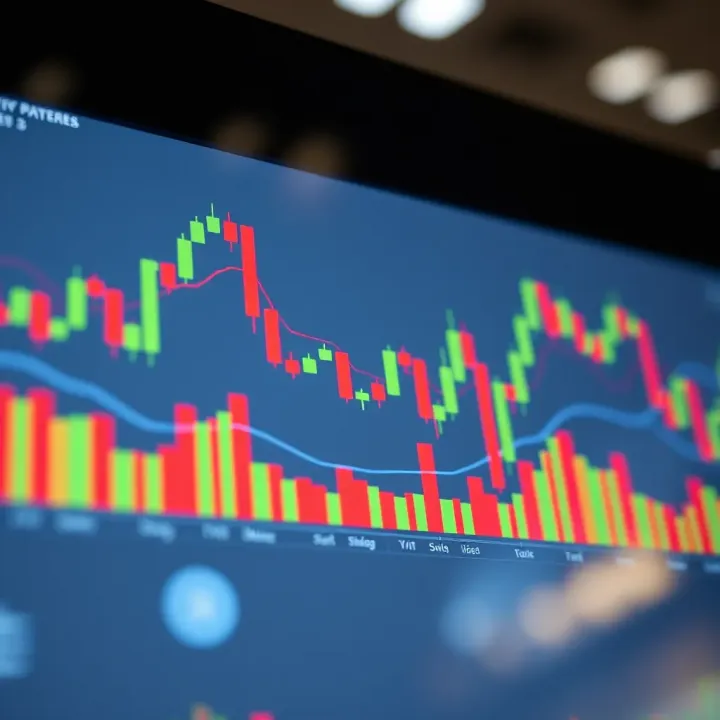
📊 Master candlestick patterns with our detailed PDF guide! Learn to read charts, interpret signals, and boost your trading skills in Kenya confidently.

Learn to spot the most powerful candlestick patterns in stock & forex trading 📈. Get practical tips and a PDF with 35 patterns for better decisions📊.
Based on 15 reviews