
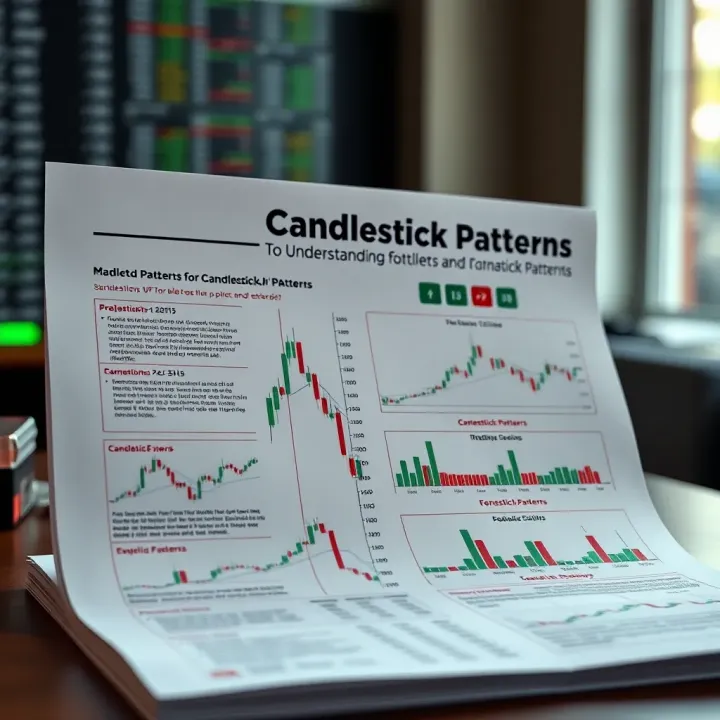
Guide to Candlestick Patterns in PDF for Traders
📊 Master candlestick patterns with our detailed PDF guide! Learn to read charts, interpret signals, and boost your trading skills in Kenya confidently.
Edited By
Sophia Bennett
Traders and investors often find themselves staring at candlestick charts, trying to decode the subtle messages hidden in those little bars and shadows. It's not just about spotting a green or red candle; it’s about reading the story they tell about market sentiment and possible price moves. This guide cuts through the noise, focusing on some of the most potent candlestick patterns that can really give you an edge whether you're trading stocks or forex.
Why does this matter? Because understanding these patterns helps you make better decisions, avoiding guesswork and relying on time-tested signals instead. Knowing when a market is likely to reverse or continue its trend can save you from costly mistakes and help you jump on good opportunities.

Along the way, we’ll also give you tips on how to interpret these patterns in real trading scenarios — no fluff, just practical advice. Plus, to keep things handy, there’s a PDF resource you can download, featuring 35 powerful candlestick patterns to keep at your fingertips.
"Candlestick patterns aren’t magic, but they can be your weather forecast for the market’s mood."
In this article, you’ll learn:
What makes a candlestick pattern reliable
The top patterns that traders swear by
How to use these patterns effectively in stocks and forex
Ways to avoid common traps when reading charts
Stick around, and by the end, you’ll be more confident spotting these patterns when they show up—turning those squiggly lines into a clearer picture of market action.
Understanding candlestick patterns is a foundational skill for traders who want to read the market's mood without relying solely on complex indicators. These patterns offer a visual snapshot of buyer and seller dynamics, helping spot turning points and trends more intuitively. For example, seeing a sudden cluster of larger green candles after a string of reds might hint at a potential uptrend, which can guide your decision-making.
Candlestick patterns condense a lot of market information into a simple and digestible format. By mastering them, traders can quickly assess if buyers are gaining strength or if sellers are about to push the price lower. This upfront knowledge can enhance entry and exit timing substantially while reducing emotional trading errors.
Each candlestick on a chart shows price action for a set time period—be it a minute, hour, or day—offering four critical data points: open, high, low, and close. This creates the "body" (between open and close) and "wicks" or shadows (the high and low extremes). A long body typically means strong buying or selling pressure, while short bodies suggest indecision. For instance, a long green (or white) candle means prices rose sharply from open to close, signaling buyer dominance.
Getting familiar with these basics allows traders to quickly interpret what the market is doing at a glance. The formation of these candlesticks is the raw material from which patterns emerge.
Patterns arise when specific combinations of candlesticks form over consecutive periods. For example, a "hammer" appears as a small body with a long lower wick, showing sellers pushed prices down but buyers fought back. Similarly, an "engulfing pattern" involves one candle's body fully covering the previous candle's body—this might signal a reversal.
Knowing these arrangements helps traders anticipate likely market reactions rather than just react to price changes. If you spot a descending triangle pattern made with candlesticks, you might prepare for a breakout. Basically, each pattern tells a story about market psychology that you can read once you learn the language.
Candlestick patterns are like mood rings for the market—they reveal whether bulls (buyers) or bears (sellers) are in control. For example, a series of doji candles, where open and close prices are nearly equal, often indicate buyer-seller indecision. On the flip side, a shooting star pattern at a price peak hints sellers might be taking over, warning traders to be cautious.
Seeing these signals lets you understand the sentiments driving price moves, helping you avoid jumping into trades blindly.
Using candlestick patterns can tune your sense of timing. Instead of guessing when to get in or out, you use visual clues. Imagine you see a morning star pattern on a daily chart—a clear signal that an uptrend could be starting. Entering just after this formation often increases the chance of catching a profitable move early.
Similarly, spotting an evening star can warn you to lock in profits or tighten stops before a downturn. This practical timing tool helps reduce guesswork and improves consistency.
Candlesticks don’t just help with entry and exit—they support smarter risk management, too. Whenever you identify a pattern, you can place stop-loss orders strategically. For example, if you buy after a bullish engulfing pattern, setting a stop just below the pattern’s lowest wick limits your downside if the market turns unexpectedly.
By defining clear risk limits based on pattern structure, traders shield themselves from heavy losses, keeping trades manageable even in volatile markets.
Mastery of candlestick patterns puts you a step ahead, equipping you with insights that combine price action, trader psychology, and clear rules for entry and exit. Trading feels less like a shot in the dark and more like calculated moves on a chessboard.
When you’re diving into candlestick patterns, focusing on key formations can make all the difference in reading the market right. Traders who understand these patterns can better gauge when to jump in or out of a trade, minimizing guesswork and boosting confidence. These patterns reveal subtle shifts in market sentiment that might not be obvious from indicators alone.
Think of it like reading a crowd’s mood at a party — a single glance can tell you if the atmosphere’s turning tense or relaxed. Single candle patterns, for instance, give quick hints about potential reversals or pauses, while multi-candle patterns tell a story over several periods, offering a deeper glimpse into the market’s behavior.
Mastering these patterns can help with:
Spotting momentum changes early
Timing entry and exit points with more precision
Managing risks effectively by recognizing weak versus strong signals
Let’s break down these patterns by the number of candles involved, starting with single candle formations.
These two look-alikes might trip up beginners, but the context sets them apart. The hammer appears after a downtrend and signals a potential bullish reversal. It has a small body near the top with a long lower shadow, showing that sellers pushed prices down but buyers fought back hard before the candle closed.
Conversely, the hanging man shows up after an uptrend and hints at a possible reversal to the downside. Despite similar shape, its presence after rising prices should raise caution. If you see a hanging man, it’s a good idea to watch for confirmation from the next candle before placing trades.
Practical tip: Don’t trade just based on the hammer or hanging man alone — check volume or other tools to confirm.
These are the tricky cousins of the hammer and hanging man. An inverted hammer happens at the bottom of a downtrend and may suggest a market turnaround. It features a small real body near the bottom of the range with a long upper shadow, signaling buyers tried to push prices up but sellers pulled them back.
The shooting star, found after an uptrend, hints the rally might be losing steam. Its long upper shadow suggests buyers tried hard, but sellers swooped in to shut it down, pushing price near the open by close.
Actionable advice: These patterns deserve a second look when aligned with other factors like support levels or oversold conditions.
Doji candles are balance points – they represent indecision in the market where opening and closing prices are almost the same. They come in forms like the standard Doji, Dragonfly Doji, and Gravestone Doji, each telling a slightly different story.
For example, a Dragonfly Doji after a decline can hint buyers are stepping in, while a Gravestone Doji after a rally suggests sellers might take control.
Bear in mind, a Doji by itself is just a sign to pay attention; context and follow-up price action matter most.
Engulfing patterns are straightforward but powerful. A bullish engulfing pattern happens when a small red candle is entirely overtaken by a big green candle the next day, signaling momentum shift to buyers. The bearish variant swaps these colors and can hint at a coming drop.

They’re especially useful around key levels, showing a battle between bulls and bears with one side clearly winning.
These patterns are like a tug-of-war in two candles. The piercing line starts bearish but the second candle closes more than halfway into the previous candle’s body, suggesting buyers are pushing back. The dark cloud cover flips the script, showing sellers taking control after a rise.
Practical note: These patterns work best when confirmed by volume spikes or in sync with trendlines.
The harami looks like a candle baby in a big candle cradle. A small candle forms inside the previous bigger candle’s body, showing that the prior trend might be weakening. Bullish haramis pop up after downturns and bearish ones appear after rallies.
This pattern usually means the market is pausing or preparing to reverse, but confirmation is crucial.
These three-candle combos act like traffic lights: morning stars signal green (buy), and evening stars show red (sell). The morning star starts with a long bearish candle, followed by a small indecisive candle (star), and finally a strong bullish candle closing well into the first candle’s body.
Evening stars reverse this logic, warning of potential declines.
Picture three strong soldiers marching in a row: the "Three White Soldiers" are three consecutive bullish candles with small shadows, showing consistent buying pressure. Opposite, the "Three Black Crows" are three bearish candles marching down, signaling sellers are in control.
These patterns can be great for confirming trend strength but watch out for overextension.
A rarer sight, the tri-star features three consecutive Doji candles and often points to a major turning point. For example, three Dojis forming after an uptrend might signal exhaustion and a coming reversal.
Because it’s uncommon, when you spot a tri-star pattern, double-check with volume and other indicators to avoid false alarms.
Understanding these patterns is like gaining an extra set of eyes on the chart — they help you read what might be brewing beneath the surface. Just remember, no pattern works perfectly alone; consider the bigger picture each time.
With these key candlestick patterns in your toolkit, you’ll be better equipped to spot trading opportunities and potential pitfalls, making your decisions more grounded and measured.
Reading candlestick patterns is more than just spotting shapes on a chart; it requires understanding the bigger picture. This skill helps traders make smarter moves rather than blindly trusting a single pattern. When read correctly, candlesticks provide valuable clues about market sentiment, potential reversals, or continuations. But ignoring context or related factors can lead to bad calls, even when a pattern looks perfect on paper.
The first step in reading candlestick patterns is figuring out the trend. A pattern in isolation doesn’t say much unless you know the market’s direction. For example, a hammer that appears after a strong downtrend typically signals a possible reversal. But the same hammer in a strong uptrend might just be a sign of a temporary pause.
Look for higher highs and higher lows for an uptrend, or lower highs and lower lows for a downtrend. This basic observation helps you decide if a bullish or bearish pattern actually fits the market mood. Without this, you might mistake a false signal for a reliable one.
Think about it like this: If you see a boat trying to sail upstream in heavy current, it’s a tougher battle. Candlestick patterns work best when they align with the current flow of the market, not against it.
Volume is like the spirit animal of price action—without it, patterns lose their punch. High volume accompanying a candlestick pattern generally strengthens the signal. For instance, a bullish engulfing pattern on low volume can be dismissed as weak or fake.
Imagine a shouting crowd backing a rally; that energy is volume. When bulls dominate with strong volume after a reversal pattern, it means more traders believe in the move, increasing the odds that price will follow through. Conversely, low volume might suggest hesitation or lack of conviction.
Always check if volume supports the pattern. If the volume doesn't rise when a reversal pattern appears, it's wise to wait for more confirmation before acting.
Candlestick patterns gain a lot of power when they pop up near key support or resistance zones. These levels act like psychological price barriers. A bullish pattern forming near a reliable support, like a hammer at a previous low, adds weight to a potential bounce.
On the flip side, a bearish candlestick at resistance, like a shooting star near a recent high, might spell trouble for bulls. These combinations reduce guesswork by providing a logical backdrop for pattern signals.
To use this effectively, mark your support and resistance levels clearly on the chart and observe how price reacts to them alongside candlestick formations.
Moving averages (MAs) smooth out price action and highlight the overall trend's direction. When a candlestick pattern appears above the 50-day or 200-day MA in an uptrend, it can signal a strong buying opportunity. The opposite applies below these MAs for bearish setups.
For example, if you spot a morning star pattern forming just above the 50-day MA, it’s like catching a green light confirming the bullish reversal. Combining MAs with candlesticks helps filter out noise and avoids jumping at weak signals.
Oscillators like RSI (Relative Strength Index) or MACD (Moving Average Convergence Divergence) measure market momentum and highlight overbought or oversold conditions. When paired with candlestick patterns, they add an extra layer of confirmation.
Suppose an engulfing bullish pattern emerges while RSI is below 30, indicating oversold conditions. This matchmaking of signals tends to increase the reliability of the reversal indication.
Using oscillators prevents overtrading by alerting you when a move is stretched or due for a correction, supplementing what candlesticks show by themselves.
Remember, no single tool or pattern tells the whole story. Combining candlestick analysis with trend, volume, support/resistance, moving averages, and oscillators creates a clearer picture and builds more confidence in your trading decisions.
By practicing these techniques, you’ll find candlestick patterns more useful and less like guessing games. It’s about layering insights and making sure your trades are not just lucky shots but informed choices.
Navigating the world of candlestick patterns can be tricky, especially for new traders eager to spot quick opportunities. But falling into common traps can lead to poor trading decisions and losses. This section highlights frequent mistakes people make when interpreting candlestick patterns, why they happen, and how you can avoid them to trade smarter.
One major stumble is treating a single candlestick pattern like a magic formula, without paying attention to the bigger picture. Patterns don’t exist in a vacuum—they happen within a broader market trend that guides their meaning. For example, a hammer candle might suggest a price reversal, but if the overall trend is solidly bearish and volume is thin, that hammer is less trustworthy. Always check where the pattern sits relative to recent highs, lows, and overall momentum. Context can make the difference between a reliable entry and a false signal.
Volume is the unsung hero in confirming candlestick signals. A bullish engulfing pattern on low volume often means just a blip in trading, nothing more. But paired with a volume spike, that same pattern gains credibility. Overlooking volume is like watching a play but ignoring the crowd’s reaction—it misses a key part of the story. Before acting on a pattern, check if volume supports the move. Without this, signals can be misleading and riskier than they seem.
Not all candlestick signals carry equal weight. Jumping on a small Doji candle and expecting a major trend reversal can be a recipe for disappointment. Some patterns, like a single Doji or a basic spinning top, indicate indecision rather than a clear shift. Misreading these weak signals as strong ones leads to overtrading and unnecessary risk. Know which patterns reliably forewarn price changes and which suggest caution. This sharpens your judgement and keeps you from chasing ghosts.
Every pattern comes with a track record of how well it predicts market moves. For instance, a Morning Star is generally more reliable than a Harami because it involves a stronger setup with multiple candles confirming the shift. Skipping over studies or statistics on pattern success rates results in relying on guesswork instead of informed decisions. Always prioritize patterns proven by historical data and backtesting. That way, even if the market misbehaves, you’re trading with odds stacked more in your favor.
Remember, using candlestick patterns effectively is about more than spotting shapes—it's about understanding their context, volume, and reliability to avoid common pitfalls and improve your timing.
Having a handy PDF that lists the 35 most powerful candlestick patterns can be a real game-changer for traders. It’s like having a quick-reference toolkit right at your fingertips, saving you from scrambling through books or scrolling endlessly online. This resource is especially useful when you're in the middle of analyzing charts and you need to confirm a pattern quickly. Plus, it’s a great learning aid if you’re trying to build or polish your trading skills.
The PDF offers a full rundown of 35 patterns—ranging from the well-known hammer and engulfing patterns to less common but insightful ones like the tri-star. This list isn’t just a name-drop; it’s organized in a way that reflects how often these patterns appear and their relative strength in predicting market moves. For example, the Morning Star pattern is listed alongside an explanation of why it’s often seen as a reliable bullish reversal sign. Having all this lined up in one place helps traders not only recognize these patterns but also apply them correctly during trading.
Every pattern in the PDF is paired with clear visual diagrams. These aren’t just your basic candle illustrations — they highlight the key features such as body size, wick length, and candle placement in relation to others. This visual emphasis makes it easier to spot patterns on your own charts. For instance, it shows exactly how a bearish Dark Cloud Cover should look, so you avoid mixing it up with similar but less reliable candlestick formations. Many traders find that seeing the pattern next to the explanation solidifies their ability to identify it live.
Succinct but practical notes accompany each pattern. The explanations cover what the pattern suggests about market sentiment and how the price action typically follows. These insights steer you away from blindly trading every pattern and towards making smarter, evidence-backed decisions. The tips might warn you to look for volume confirmation or suggest placing stop losses strategically. Such guidance helps avoid common pitfalls, giving you a slightly better edge in fast-moving markets.
The PDF is a perfect on-the-fly reference tool during your trading sessions. Imagine you spot a potential Morning Star formation on the 5-minute chart; instead of guessing, you pull up the PDF, quickly verify the pattern’s shape and attributes, and decide your next step with confidence. Keeping a digital or printed version handy can save precious minutes in hectic trading moments.
Before starting your day or week, reviewing the PDF can prepare you mentally to identify specific patterns that might be setting up in the markets you follow. This prep work sharpens your focus and makes your analysis more structured. For example, if you know you’ll be watching EUR/USD closely, brushing up on relevant bullish and bearish reversal patterns can decrease the chances of missing key setups amid market noise.
Not everyone prefers digital screens all the time. Printing out the PDF is a solid option if you enjoy offline study or want to read away from your usual workspace. Having a hard copy allows you to jot down personal notes, circle important areas, and even compare recent trades against the patterns without distractions. Many traders in Kenya find this traditional approach valuable, especially during power outages or unstable internet situations.
Keeping this PDF integrated into your routine transforms abstract candlestick theory into actionable trading knowledge. It turns moments of doubt into decisions backed by clear pattern recognition and tested trading tips.
Using this resource thoughtfully can be a cornerstone habit for traders looking to consistently read candlestick charts with more accuracy and confidence.
Getting a grip on candlestick patterns is more than just spotting them on a chart — it’s about sharpening your skills for better decision-making in the trenches. This means practicing until these patterns become second nature and learning how they play out in real market conditions. By doing so, you'll gain confidence in deciphering when to buy, sell, or hold, which can seriously tilt the odds in your favor.
Testing pattern recognition is your first step. Think of it like a musician rehearsing scales — the more you see and identify patterns in a risk-free setting, the quicker your brain picks up on nuances in live markets. Using simulation platforms like TradingView's paper trading or MetaTrader's demo accounts, you can track dozens of candlestick setups. For instance, when a Hammer forms at a support level in your demo, note if price bounces as theory predicts. Over time, this practice refines your eye and cuts down hesitation in real trades.
Assessing pattern effectiveness goes hand-in-hand with practice. Not all patterns pop up equal; some work better in trending markets, others in sideways conditions. Keep a trading journal where you record each pattern you spot in your simulated trades and the results: Was the predicted move substantial? Did volume confirm the signal? By tallying wins and losses, you learn which patterns suit your style and market niche, avoiding costly guesses during live trading.
Case studies immerse you in how patterns unfold when money is truly on the line. For example, examine a recent instance where the "Evening Star" appeared on Safaricom's stock chart before a sharp downturn — noticing the volume spike and context clues adds layers to what textbooks say. These real-life snapshots teach you to read between the lines and spot subtle hints that generic guides miss.
Tracking patterns over time means following how specific candle formations behave in different conditions and assets. If you keep tabs on patterns in the Nairobi Securities Exchange or forex pairs involving the Kenyan shilling, you'll begin to see trends in reliability, duration, and follow-through of signals. This long-term observation helps you fine-tune entry points, optimize stops, and understand when to trust a pattern — essential for consistent profitability.
Regular practice and learning from the actual market sharpen candlestick skills far better than theory alone. Make it your routine to test, record, and review.
By combining simulated drills with real-world case studies, your grasp of candlestick patterns turns from textbook knowledge into trading muscle memory. This dual approach lays a solid foundation for tackling Kenyan markets or global assets with greater poise and precision.
Wrapping up, knowing how to read candlestick patterns can make a real difference in your trading game. These patterns go beyond just looking pretty on a chart; they communicate what traders are feeling—fear, greed, indecision—and give clues about what might happen next. Taking the time to understand these signals helps you make smarter moves and not just guesswork.
Practically speaking, after you study these patterns and the handy PDF we offer, the next steps matter a lot. It isn’t enough to just know the theory—you want to practice spotting these patterns in real market conditions and see how well they predict actual price changes. This hands-on approach trains your eye and builds confidence.
Also, keep in mind trading is a marathon, not a sprint. The market keeps changing, so staying sharp means you have to keep learning and tweaking your approach. Use the PDF as your quick guide and keep expanding your knowledge. Each session you trade or review charts is a step forward.
Importance of pattern recognition: Recognizing candlestick patterns quickly and accurately is the backbone of effective technical analysis. These patterns show shifts in momentum and sentiment that can guide your decisions on when to buy or sell. For instance, spotting a "hammer" after a downtrend might signal to you that sellers are losing grip and buyers are stepping in.
Using the PDF as a tool: This PDF resource acts like a compact cheat sheet—packed with clear visuals and straightforward explanations of 35 powerful candlestick patterns. Instead of flipping through endless books, you can glance at your screen or print it out for quick checks before making trade decisions. It makes learning and daily use practical, not overwhelming.
Continued learning and practice: Trading isn’t just about knowing patterns once; it’s about repeatedly seeing them and understanding their real-world outcomes. Simulated trading and jotting down your observations after market sessions can help reinforce your skills. Over time, you’ll develop intuition that helps you judge when a pattern is trustworthy or when to hold back.
Books on candlestick trading: To deepen your understanding, books like Steve Nison’s "Japanese Candlestick Charting Techniques" remain classics—breaking down complex patterns with examples from various markets. They provide historical context and practical tips that can’t be rushed.
Online courses and webinars: Platforms such as Investopedia Academy or Udemy offer focused courses where you can learn from experienced traders. Webinars give the added benefit of Q&A sessions where you can clarify doubts instantly, making your learning more interactive.
Community forums and groups: Joining forums like Trade2Win or Reddit’s r/Forex connects you with traders worldwide. These communities share trade setups, experiences, and alerts. Sometimes someone points out a pattern you missed or offers insight into unusual market moves, which broadens your perspective.
Taking advantage of varied learning options keeps your skills fresh and your mindset adaptable—exactly what successful trading demands.
With these steps and resources, you’re well on your way to turning candlestick knowledge into real trading smarts. Keep it practical, patient, and persistent.
📊 Master candlestick patterns with our detailed PDF guide! Learn to read charts, interpret signals, and boost your trading skills in Kenya confidently.
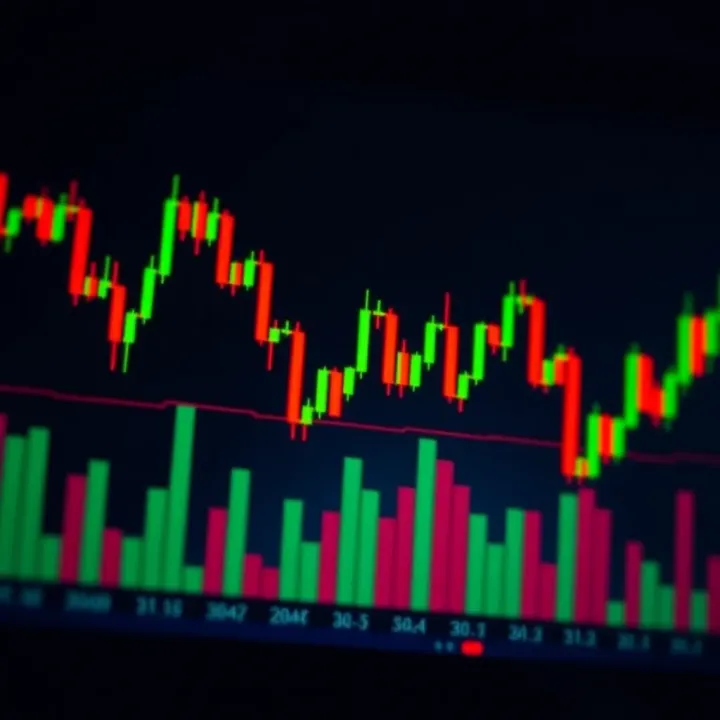
📉 Learn how to spot bearish candlestick patterns to predict market dips and trade smarter. Tips included for better strategies and fewer mistakes!
Master 35 must-know candlestick patterns 📈 for smarter trading decisions. Download the handy PDF guide and sharpen your market analysis skills today!
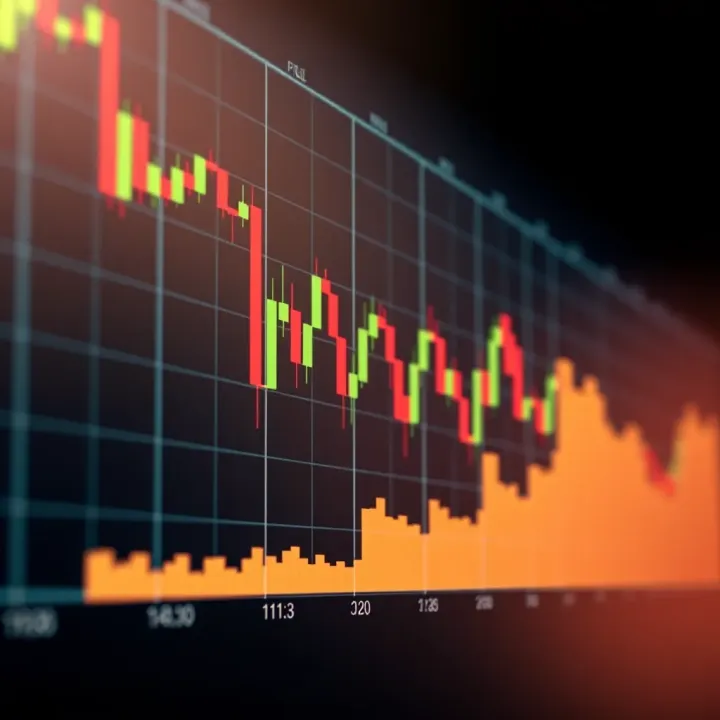
Learn how to spot bullish candlestick patterns 📈 and boost your trading skills in Kenya. Understand price trends & make smarter trading moves today!
Based on 10 reviews