
Effective Risk Management Steps
Manage risks smartly: learn how to identify, assess, and prioritize threats. Get clear strategies to safeguard your organization and track progress over time 🛡️📊
Edited By
Edward Mills
Supply chain risk management is about spotting threats before they disrupt your operations and taking practical steps to minimize damage. Today's global supply networks are more connected – which boosts efficiency but also opens doors to bigger risks. From natural disasters and supplier bankruptcies to cyberattacks and political unrest, vulnerabilities come in many forms.
Understanding these risks is the first step. For example, a manufacturer relying solely on a single overseas supplier might face delays if that region hits a shipping crisis. Or, a retailer using outdated inventory software could struggle during sudden demand spikes, leading to lost sales.
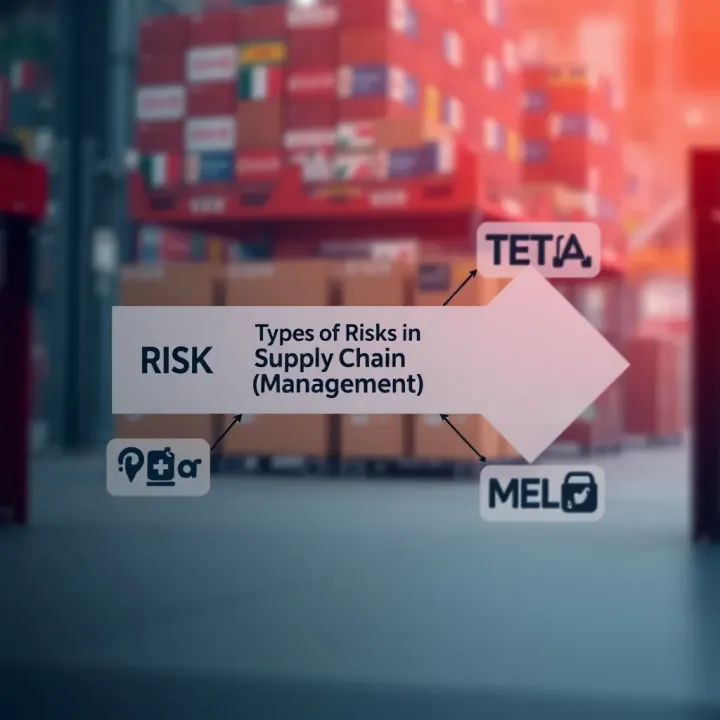
Keeping your supply chain resilient means not just reacting to problems but proactively preparing for them with clear strategies.
To stay ahead, companies need to identify weak points by regularly assessing their supply chains through audits and risk mapping. These analyses should cover four major categories:
Operational risks: Such as equipment failure or labor strikes
Financial risks: Currency fluctuations and credit challenges
Geopolitical risks: Trade wars, tariffs, or sanctions
Cybersecurity risks: Data breaches or ransomware attacks
Once you have mapped out risks, diversifying suppliers and building contingency plans help reduce reliance on single points of failure. Technology also plays a big role here. Cloud-based platforms offer real-time visibility, letting you track shipments, inventory levels, and demand changes instantly.
In all, managing supply chain risk involves constant vigilance and flexibility. Those who commit resources to understanding their unique exposures and adopt practical tools can prevent costly blind spots that endanger their operations and reputation.
This foundation sets the stage for exploring specific types of risks and actionable strategies in the sections ahead.
Recognizing the risks embedded in supply chains is fundamental for traders, investors, and analysts who want to make smarter decisions and protect assets. When you understand where disruptions can happen, you can build better strategies to avoid costly surprises. Supply chains involve many moving parts—suppliers, transportation, demand shifts—all carrying potential vulnerabilities worth knowing.
Operational risks come from failures within a company’s day-to-day processes or systems. For example, a factory machine breakdown or a mismanaged inventory can bring production to a halt. This risk matters because it's often the spark behind delays that ripple down to customer dissatisfaction and financial losses. Imagine a supplier's system glitching, causing delayed orders, which then affects retailers relying on just-in-time delivery.
Financial risks stem from cash flow issues, currency fluctuations, or instability with key partners. A vendor suddenly defaulting or charging more due to inflation directly hits your bottom line. Investors find this critical because financial shocks can cascade, forcing companies to tighten budgets abruptly, which may disrupt supply chain investments or negotiations.
Trade tariffs, sanctions, and changing regulations can dramatically affect supply routes and costs. Think about companies caught in trade wars, suddenly facing hefty tariffs on materials sourced overseas. Regulatory shifts—like new safety standards—can also stall shipments while compliance is adjusted. These risks highlight the need for vigilance about global political climates, especially for those involved with international markets.
Violent weather, earthquakes, floods, or even pandemics can unexpectedly shut down warehouses, ports, or transport lines. For example, severe flooding in the Midwest disrupted agricultural exports, hitting commodity traders and markets. Environmental risks emphasize the importance of contingency plans, as these events are often unpredictable but impactful.
Suppliers and vendors are the backbone of supply chains, but their failure can trigger wide-scale disruptions. Over-reliance on a single supplier without alternatives is a common pitfall. If that supplier faces a strike or bankruptcy, the effects trickle down fast. Practical risk management means regularly auditing suppliers’ financial health, capacity, and compliance.
The actual movement of goods faces hurdles like port congestion, transportation strikes, or fuel price spikes. For example, bottlenecks at major ports like LA/Long Beach have delayed shipments for months, squeezing inventory levels for retailers and manufacturers. Companies benefit from multiple transport routes and real-time tracking to spot and react to delays quickly.
Demand isn’t static; sudden shifts due to trends, economic downturns, or competitor moves throw supply chains off balance. During the 2020 holiday season, several sectors faced unexpected demand spikes that outpaced planned inventory. Analysts tracking market patterns can better forecast such fluctuations, helping firms adjust production and stock accordingly.
Understanding these risks isn’t about eliminating all uncertainty but preparing to manage disruptions effectively. Traders and investors who dive into these layers gain a serious edge in decision-making and risk avoidance.
Effective supply chain risk management starts with accurately assessing and prioritizing risks. This step identifies which threats could seriously disrupt operations and which ones require immediate attention, helping businesses allocate resources wisely. For instance, a manufacturer relying heavily on a single overseas supplier needs to evaluate that supplier's reliability and political stability in that region before focusing on less critical risks.

Risk mapping is a visual way to outline potential threats along the supply chain. Heat maps build on this by color-coding areas based on risk severity, giving a quick, intuitive snapshot of vulnerabilities. For example, a heat map might highlight logistics hubs affected by weather events in red, signaling urgent concern. This approach helps teams spot hotspots and focus their mitigation efforts efficiently.
Quantitative assessments rely on data and numbers, like calculating the financial loss from a delayed shipment or estimating the probability of supplier failure using historical metrics. These provide clear, measurable insights but may miss nuanced risks, such as supplier relations or brand reputation damage.
Qualitative assessments, on the other hand, gather expert opinions, stakeholder interviews, or scenario analyses to evaluate risks that numbers can't capture easily. Combining both methods gives a fuller risk picture, balancing objective data with contextual insight.
Understanding the financial impact of risks is vital. Some disruptions may cause minor delays, while others can result in millions of dollars lost in production halts or penalties. For example, a component shortage causing factory shutdown can cost a company hundreds of thousands in daily losses, making such a risk a top priority.
Beyond dollars, risks that freeze operations or halt supply chains can cripple a company’s ability to deliver. For instance, transportation strikes in key regions could block product flow entirely. Prioritizing these risks ensures contingency plans are ready to maintain business continuity.
Supply chain issues inevitably affect customers. Delayed deliveries or quality problems can erode trust and push buyers towards competitors. Retailers especially should weigh risks that might degrade customer satisfaction heavily when setting priorities, as the long-term revenue loss from bad experiences often exceeds immediate costs.
Companies that balance financial, operational, and customer impact in risk prioritization build stronger, more resilient supply chains ready to handle surprises.
In all, carefully evaluating and prioritizing risks based on clear criteria helps companies act decisively where it matters most, whether that means bolstering supplier diversity, adding inventory buffers, or enhancing monitoring systems.
Reducing risks in the supply chain isn't just a defensive move—it's a way to keep your business running smoothly no matter what twists come your way. Effective strategies help you avoid costly breakdowns, maintain customer trust, and keep your bottom line intact. Focusing on strong supplier relationships, transparency, and flexible planning creates a safety net against disruptions.
Regular supplier audits are a practical way to ensure vendors meet quality standards and comply with regulations. For instance, a large electronics company might audit suppliers to confirm adherence to environmental laws or labor practices. This helps spot potential risks before they snowball into bigger issues like shipment delays or legal troubles. Audits also reinforce accountability, encouraging suppliers to maintain consistent practices.
Relying on a single supplier can leave your business vulnerable if something goes wrong. By diversifying sources, you reduce the risk of total disruption. Imagine a retailer sourcing popular products from two or three manufacturers instead of one; if one faces a shutdown, the others can help fill the gap. This approach increases negotiating power too, often leading to better prices and service.
Tracking shipments in real-time provides instant awareness of where goods are and their estimated arrival times. For example, a food distributor using GPS-enabled tracking can monitor refrigerated trucks to ensure products remain at safe temperatures. This visibility enables quick decisions if delays or issues arise, reducing the risk of spoiled inventory or unhappy customers.
Sharing supply chain data openly with partners builds trust and enhances coordination. When manufacturers, suppliers, and logistics providers exchange information about inventory levels, demand forecasts, or potential delays, they can sync their efforts better. This reduces surprises and supports proactive problem-solving, which is crucial for complex supply chains.
No matter how strong your supply chain is, unexpected events can still happen. Backup plans prepare you to respond quickly. For example, a clothing brand might establish alternative routes for shipping or extra inventory stockpiles to tap into during strikes or port closures. Having clear playbooks for different scenarios minimizes downtime and financial losses.
Adopting flexible inventory strategies allows businesses to adjust to changing circumstances fast. A distributor using just-in-time inventory might shift to holding safety stock during volatile periods. Utilizing data to anticipate demand swings and adjusting orders accordingly helps avoid shortages or excess stock, balancing customer needs with cost efficiency.
The bottom line is, reducing supply chain risk is about proactive steps—strengthening relationships, boosting visibility, and preparing for the unexpected all work together to keep your operations resilient.
Technology has become a central piece in managing risks within supply chains. It offers tools that not only detect potential problems early but also streamline responses to disruptions, improving overall resilience. For traders, investors, and analysts, understanding how tech integrates into supply chain risk management is key to making informed decisions and spotting vulnerabilities before they escalate.
AI and predictive analytics play a vital role in spotting risks by analyzing large volumes of data in real time. These tools sift through supplier performance metrics, transportation schedules, weather patterns, and geopolitical news to forecast potential disruptions. For example, an AI system might detect a pattern of delays from a particular port due to political unrest, alerting risk managers to reroute shipments proactively.
Beyond forecasting, AI can automatically evaluate changing market conditions, providing traders and investors with smarter insights on supply chain exposure. This helps in anticipating demand surges or shortages before they affect inventory levels, ultimately supporting better financial planning.
Blockchain technology offers a secure, tamper-proof ledger that enhances transparency across supply chains. Each transaction—from raw material sourcing to product delivery—is recorded and visible to participants with permission. This reduces risks related to counterfeit goods, fraud, and compliance violations.
For stakeholders, blockchain builds trust by verifying product origins and handling environmental or ethical compliance certifications. Take the food industry, where blockchain tracks produce from farm to table, minimizing risks of contamination or false claims about organic status. Such transparency strengthens stakeholder confidence and mitigates liability risks.
Automated alert systems use pre-set criteria to quickly notify relevant teams when risk thresholds are crossed. These systems monitor everything from shipment delays to supplier financial health.
When an alert triggers, response teams can jump into action without waiting for manual reports, cutting downtime and limiting impact. For example, a major electronics retailer might receive immediate notifications about factory shutdowns affecting key components, allowing them to adjust orders or find alternatives swiftly.
Robotics and other process automation solutions speed recovery by handling repetitive, time-consuming tasks. Automated sorting robots in warehouses reduce human error and accelerate order fulfillment, maintaining flow even during labor shortages or surges.
In supply chain finance, process automation streamlines invoicing and payment approvals, helping avoid cash flow bottlenecks that could stall procurement. By taking over routine work, these technologies free up human teams to focus on strategic risk management and problem solving.
The integration of digital tools and automation in supply chain risk management isn’t just about technology adoption; it’s about transforming the way businesses anticipate, react, and adapt to threats before they cause serious damage.
Building long-term resilience in supply chains means more than quick fixes—it requires an ongoing commitment to best practices that spot risks early and adapt effectively. This section looks at critical elements like regular risk review, updating protocols as conditions change, fostering collaboration across teams, and training employees to navigate challenges. Industries from tech hardware to food distribution can benefit from these approaches, which help avoid costly stoppages and maintain customer trust.
Regular Risk Assessments keep the pulse on emerging vulnerabilities. Supply chains face constant shifts—from geopolitical tensions to sudden demand swings—making it essential to reassess risks frequently. For example, a manufacturer relying on rare earth metals might update its risk map quarterly to reflect new tariffs or mine shutdowns. These assessments help leaders allocate resources wisely, prioritizing high-impact risks instead of spreading efforts too thin.
Updating Procedures and Protocols ensures that risk responses stay relevant over time. A company’s crisis plan drafted five years ago might no longer cover cyber threats introduced by new digital systems. By routinely revisiting procedures, teams can wedge in fresh lessons from past disruptions, like the semiconductor shortage or port congestion. This maintenance keeps response playbooks sharp and actionable, reducing reaction lag when problems arise.
Involving Key Teams and Stakeholders from procurement, finance, operations, and IT breaks down information silos that often obscure risks. When teams share insights regularly—say during monthly risk workshops—they catch blind spots one department alone might miss. For instance, while procurement focuses on supplier health, finance can flag payment delays impacting contracts. This collective view strengthens overall supply chain visibility and decision making.
Employee Awareness Programs equip staff at every level with the knowledge to spot red flags early and follow risk protocols effectively. Simple training modules or scenario drills foster a risk-conscious culture. Retail chains, for example, train floor managers to escalate delivery issues promptly rather than waiting for formal reports. When workers feel responsible and empowered, the entire supply chain becomes more resilient.
The bottom line is that resilience grows from habit, not luck. Regular reviews, updated playbooks, cross-team coordination, and employee engagement turn a vulnerable supply chain into a durable one ready for whatever’s next.
By embedding these best practices, professionals can protect their operations, reduce disruptions, and keep products moving smoothly to market—even in uncertain times.
Manage risks smartly: learn how to identify, assess, and prioritize threats. Get clear strategies to safeguard your organization and track progress over time 🛡️📊

📊 Learn how to craft a practical risk management plan to spot challenges, assess risks, and set clear steps for mitigation. Stay adaptable by updating regularly for your industry.

📊 Understand how to identify, assess, and manage financial risks in Kenya. Learn practical strategies and tools to protect your KSh investments and business stability.

Manage compliance risks in your organisation effectively 🔍 Identify, assess, and control regulatory and internal policy risks with proven strategies and tech tools.
Based on 10 reviews