
Understanding Today's Economic Calendar for Kenyan Investors
📅 Learn how to read today's economic calendar and make informed choices in Kenya's market. Boost your investment strategy with timely data insights! 📈
Edited By
Emily Cartwright
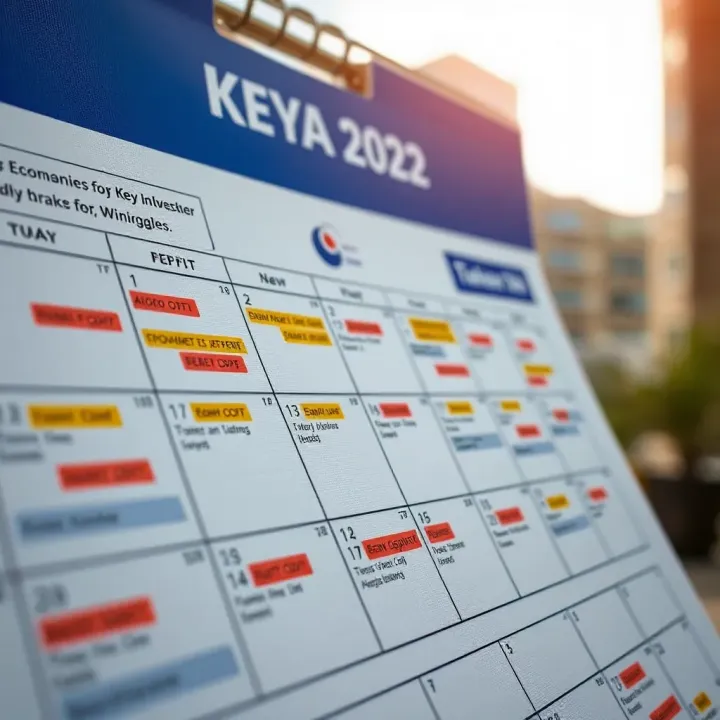
The US economic calendar is like a timetable of important economic events and data releases that shape financial markets worldwide. For traders, investors, and businesspeople, especially those in Kenya, understanding this calendar helps predict market movements and plan smart investment strategies.
Typically, the calendar lists events such as inflation reports, employment figures, interest rate decisions, and GDP growth numbers. These indicators reveal how the US economy is performing, affecting not just local but global markets. When the US Federal Reserve announces a change in interest rates, for example, it can trigger shifts in currency values, stock prices, and commodity costs that ripple through Nairobi’s stock brokers and forex traders.
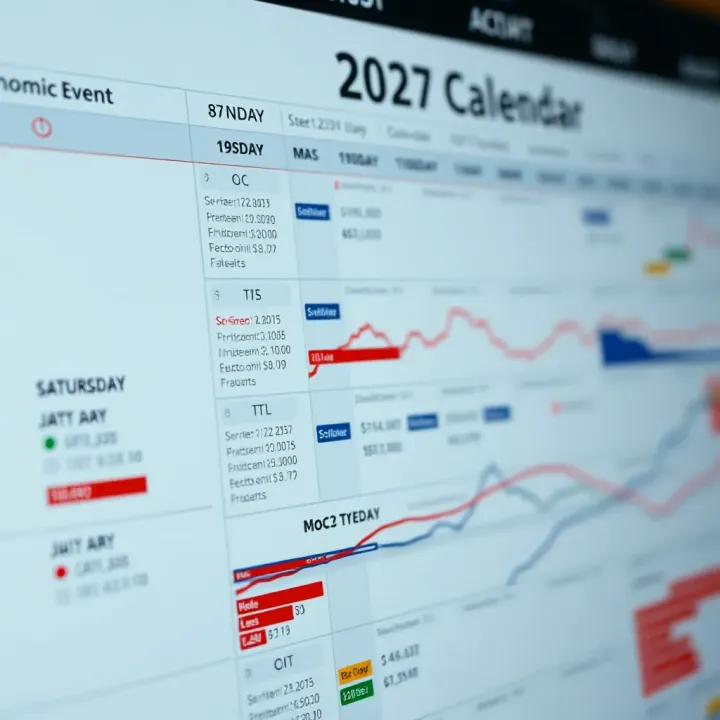
Knowing when key US reports drop enables Kenyan investors to position their portfolios proactively rather than reactively, avoiding surprises that could lead to losses.
Most economic calendars organise events by date and time (usually Eastern Time, EAT is three hours ahead), with different categories prioritised. Common key indicators include:
Nonfarm Payrolls (NFP): Reflects US job creation; a strong report often boosts the dollar.
Consumer Price Index (CPI): Measures inflation; high inflation can influence Central Bank policies.
Federal Reserve Announcements: Sets benchmark interest rates affecting borrowing costs.
Gross Domestic Product (GDP): Shows economic growth speed.
For Kenyan investors trading US stocks on platforms like Nairobi Securities Exchange or dealing with forex, these data points hint at upcoming price swings. For example, a poor NFP report might weaken the US dollar, making it cheaper for Kenyans to import goods but tougher for exporters.
To make practical use of the US economic calendar:
Check the calendar daily to anticipate volatile periods.
Align your trading schedule with key announcements.
Use market tools to see how past releases affected prices.
Combine calendar insights with local market factors, like currency rates and political events.
In a nutshell, the US economic calendar is more than just dates on a page — it’s a guidepost for smart investing and trading decisions in Kenya’s increasingly interconnected markets.
The US economic calendar is essentially a schedule of key data releases and events that signal changes in the American economy. It is crucial because these releases — like employment rates, inflation data, and interest rate decisions — directly influence financial markets both in the US and globally. For example, if the US Federal Reserve announces a change in interest rates, this can cause ripple effects, affecting currencies, stocks, and commodities worldwide. Traders and investors watch this calendar closely to anticipate market moves, allowing them to position their portfolios accordingly and manage risk.
One practical benefit of understanding the calendar is knowing when volatility may spike. Around major releases like the Non-Farm Payrolls report or the Consumer Price Index, markets can see sharp price swings. This knowledge helps investors avoid surprises or capitalise on trading opportunities. Kenyan investors, for instance, might observe how US economic data influences the dollar-Kenyan shilling exchange rate, affecting their foreign investments or import costs.
The economic calendar serves a broad spectrum of users, from institutional investors to individual traders and financial analysts. Banks and brokers leverage it to advise clients on trading strategies and to hedge exposures effectively. Analysts and commentators use the calendar to time their reports and forecasts, providing insights that influence market sentiment.
Moreover, Kenyan traders and investors benefit from the calendar by aligning their decisions with global market trends. For example, a forex trader in Nairobi may monitor US inflation figures to predict trends in the USD/KES pair. Business owners involved in import-export can also track indicators signalling economic shifts in the US that might affect commodity prices or demand for goods.
Understanding the US economic calendar isn’t just for specialists; it can help anyone involved in financial decisions to better plan and respond to global economic shifts.
In summary, the US economic calendar is a practical tool that maps out influential economic data releases and events. By following it, market participants can anticipate movements, reduce risks, and make more informed decisions tied to the largest economy in the world—benefiting Kenyan investors and traders who are connected to global markets.
Understanding the structure of the US economic calendar is essential for traders, investors, and analysts because it highlights the timing and importance of economic events that influence global markets. The calendar is organised around key indicators released regularly, giving a snapshot of the US economy's health and direction. This structured overview helps market participants anticipate shifts and make informed decisions.

Employment statistics, particularly the monthly non-farm payrolls report, are one of the most watched indicators on the US economic calendar. They reveal the number of jobs added or lost, the unemployment rate, and wage growth. For Kenyan investors, these numbers affect the US dollar’s value, which in turn influences the Shilling through foreign exchange rates. When the US job market strengthens, the dollar usually gains, making imports more expensive and affecting M-Pesa transactions involving currency exchange.
Inflation metrics, including the Consumer Price Index (CPI) and Producer Price Index (PPI), track the rise or fall in prices across goods and services. These figures guide expectations about interest rate moves, helping investors readjust their portfolios. For example, a spike in inflation signals higher living costs in the US and often causes investors to expect Central Bank action. Kenyan businesses importing goods from the US may face higher costs, impacting pricing locally.
GDP measures the total economic output within a set period, typically a quarter. It reflects the overall economic performance and growth trajectory. Strong GDP growth suggests a healthy economy, pushing up the dollar’s value and affecting capital flows globally. Kenyan investors monitoring GDP releases can adjust investment strategies, especially when trading NSE stocks linked to global firms or sectors sensitive to US economic trends.
Decisions by the Federal Reserve on interest rates are critical as they directly influence borrowing costs and economic activity. Rate hikes often strengthen the US dollar but may slow global investments. Conversely, rate cuts can encourage borrowing, boost markets, and weaken the dollar. Kenyan borrowers, exporters, and investors watch these decisions closely because they impact credit conditions, currency exchange, and capital movement.
US economic data releases usually follow a set schedule, many coming out monthly or quarterly. For instance, employment data is announced on the first Friday of each month, while GDP figures are released quarterly. Most releases occur during Eastern Time business hours, which Nairobi lags behind by 8 or 9 hours depending on daylight saving adjustments. Timing matters because market reactions happen instantly, and Kenyan traders need to be ready during these windows to act swiftly.
Primary sources for the US economic calendar include government agencies like the Bureau of Labour Statistics (BLS) and the Bureau of Economic Analysis (BEA). These bodies release data on employment, inflation, GDP, and more. Updates are also published through Federal Reserve announcements. Reliable platforms aggregate this data, ensuring Kenyan investors receive timely and accurate information crucial to decision-making.
Tracking official, timely US economic releases equips Kenyan market players with the insight needed to anticipate market movements and manage risks effectively.
Economic event outcomes from the United States ripple far beyond their borders, reaching Kenyan investors and market players in a tangible way. Understanding this influence helps make smarter financial choices, especially since Kenya’s economy is globally connected through trade, investment flow, and currency markets.
US economic announcements—like interest rate decisions or inflation figures—often cause immediate shifts in the US dollar's strength. Since the Kenyan shilling (KSh) is frequently compared against the dollar, these shifts directly affect the KSh/USD exchange rate. For example, a stronger US dollar following a hawkish Fed statement can make imports more expensive for Kenyan businesses and consumers, increasing costs in everyday transactions.
For many Kenyans, M-Pesa transactions depend heavily on exchange rates, especially when sending money abroad or receiving remittances. Fluctuations in the dollar can raise or lower the amount received in Kenyan shillings. Traders and forex brokers closely watch US economic updates on their calendars to anticipate such movements and advise clients accordingly.
The NSE is not immune to global economic sentiment. Significant US events—such as GDP releases or employment figures—affect international investor confidence. For example, a positive US economic report can boost global market appetite, encouraging more foreign investment into Kenyan equities.
This external influence means Kenyan investors should monitor the US economic calendar when planning portfolio moves. If the US signals economic slowdown, foreign investors may pull back from emerging markets like Kenya, triggering downward pressure on NSE share prices. Analysts and portfolio managers use such data to time entries and exits strategically, aiming to protect and grow capital.
Kenyan companies engaged in import-export activities feel the direct effect of US economic news. When US interest rates rise, the cost of borrowing globally can increase, impacting financing availability for Kenyan exporters and importers.
For instance, a manufacturer importing raw materials priced in dollars might see costs rise if the US dollar strengthens after a Federal Reserve rate hike. This can squeeze profit margins and sometimes force price adjustments locally. On the flip side, US economic growth can mean higher demand for Kenyan exports like tea, coffee, and horticultural products, benefiting local businesses and the wider economy.
Kenyan investors and business owners who keep an eye on the US economic calendar stand a better chance of anticipating market shifts and adjusting their strategies accordingly. This proactive approach enhances resilience in an interconnected global economy.
Understanding these connections encourages more informed financial decisions, protecting investments and business operations against unexpected global shocks.
The US economic calendar is a powerful tool for traders, investors, and analysts, especially those in Kenya who keep a keen eye on global financial flows. By tracking the dates and details of key US economic releases, you can better anticipate market moves and make decisions that protect your investments or maximise returns. For example, knowing when the US Federal Reserve announces interest rate decisions helps local traders forecast changes in the US dollar’s strength, which often affects the Kenya shilling’s exchange rate.
Careful tracking and interpretation of US economic data can give you a competitive edge. Following employment figures like Non-Farm Payrolls or inflation data guides decisions in forex trading, equities, and commodities. Take a Kenyan investor holding shares in an NSE-listed company that exports to the US: an unexpected rise in US inflation could increase import costs or reduce demand, affecting the company’s performance. Interpreting how such data shifts market sentiment helps you adjust your portfolio or hedge risks. Importantly, focus on not just the headline figures but also market expectations and prior releases for clearer insights.
Websites tailored for economic calendars provide detailed schedules, forecasts, and previous results for each release. These platforms often include filters to show only events relevant to your interests, such as US markets or currency pairs. Using these sites, Kenyan traders can prepare for busy weeks by knowing when reports are due and what impact they might have. This helps avoid rushing into trades blind or missing critical opportunities.
Mobile apps bring economic calendar updates straight to your phone, making it easier to follow market developments even while on the move, such as commuting in a matatu or during a lunch break. Notifications alert you to major upcoming releases, including changes in real time. This convenience is essential for day traders or investors managing active portfolios who cannot sit in front of a computer. Examples include Bloomberg, Investing.com, or specialised forex apps.
Traditional and digital financial news platforms supplement the calendar by providing analysis, expert commentary, and context. They explain why certain numbers matter, expected market reactions, and how global factors play into the US reports. For Kenyan investors, this helps connect US data to local market realities, like how a weak US dollar might ease import costs. Regularly following trusted news sources builds a rounded view beyond raw data.
Monitor US economic events that historically impact the Kenya shilling’s exchange rate, such as Federal Reserve interest rate announcements.
Combine calendar data with local insights; for instance, align US economic releases with NSE trading hours to time entries and exits.
Use currency hedging tools like contracts or M-Pesa transactions in anticipation of forex volatility driven by US data.
Avoid overreacting to minor fluctuations—focus on large, unexpected data surprises that tend to move markets.
Stay updated on official sources, such as the US Bureau of Labor Statistics or Federal Reserve communications, for accurate and timely information.
Being informed about the timing and implications of US economic events helps Kenyan traders avoid costly surprises and seize well-timed investment opportunities.
By integrating these practical approaches and credible information sources, you’re better equipped to navigate financial markets influenced by US economic data from Nairobi or any part of Kenya.
📅 Learn how to read today's economic calendar and make informed choices in Kenya's market. Boost your investment strategy with timely data insights! 📈

📅 Learn how the forex economic calendar helps traders spot market moves by tracking key indicators and events. Trade smarter with clear insights!
📅 Understand the economic calendar and its impact on Kenyan and global markets. Learn to track key events and data for smarter trading decisions.
📅 Master the economic calendar to spot key forex events and data that move markets. Learn to read signals and trade smarter with practical tips. 💹
Based on 15 reviews