
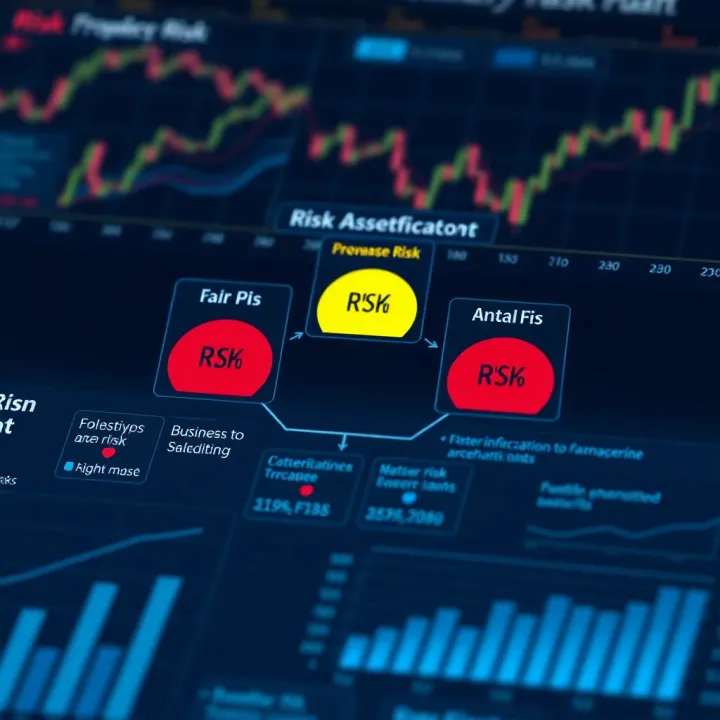
Understanding Risk Management: What It Means and How It Works
🔍 Explore risk management basics: learn how to identify, assess, and control business threats with practical tools to safeguard your capital and earnings.
Edited By
Amelia Hughes
Risk is an everyday part of running a business in Kenya, whether you're trading on the Nairobi Securities Exchange, managing supplies in a jua kali workshop, or operating a chain of duka outlets. Understanding the risk management process helps you identify possible threats early, assess how serious they could be, decide what action to take, and keep monitoring to avoid nasty surprises.
Successful traders and investors know risk isn’t just about losing money—it could be political shifts affecting business permits, currency fluctuations against the US dollar, or even disruptions to M-Pesa services. Without a clear process, businesses often react too late or overreact to risks, leading to unnecessary costs or missed opportunities.

The risk management process breaks down into four key stages:
Risk identification — spotting threats, from market volatility to supply chain delays.
Risk assessment — measuring likelihood and potential impact using tools like scenario analysis or risk matrices.
Risk response — choosing to avoid, reduce, transfer (like insurance), or accept the risk.
Risk monitoring — continually reviewing risks and the effectiveness of your control measures.
"You cannot manage what you do not understand." This simple idea guides every effective risk management system.
Consider a medium-sized agribusiness in Eldoret facing seasonal rainfall uncertainty. By identifying this risk early, the business can assess how drought or floods affect yields, decide to invest in irrigation or crop insurance, and monitor weather forecasts and harvest results closely. This practical approach minimises losses and improves decision-making.
For investors, understanding risk processes improves portfolio management, offering clearer insight when deciding between shares listed on NSE or government bonds. Brokers can advise clients better by recognising risks affecting market liquidity or price swings. Educators can use real Kenyan examples to build skills in identifying and managing risks in various sectors.
Integrating this process into daily business also means establishing responsibility for risk at all levels: from board members setting policies to staff reporting hazards. It equips organisations to face uncertainties with confidence rather than guesswork, adapting to Kenya’s dynamic economic and regulatory environment.
Proper risk management isn’t just about protection—it’s about making smarter choices that improve business longevity and profitability.
Understanding the risk management process is fundamental for any business or investor aiming to protect their interests in a rapidly changing environment. This process offers a structured way to identify potential threats, evaluate their effects, and decide on the best actions to manage them. Take, for example, a Kenyan agribusiness depending on seasonal rains. Without proper risk management, it might lose a lot due to drought or pest outbreaks. With a solid process, the business can predict these challenges, put mitigation plans such as irrigation systems or pest control in place, and reduce losses.
Risk management is about recognising uncertainties and having a plan to handle them before they become costly problems. It involves spotting risks—which could be financial losses, operational setbacks, or reputation damage—and taking steps to either lessen or accept those risks. For a Nairobi-based trader, this might mean monitoring currency fluctuations or political developments that could affect supply chains. Ultimately, risk management is about being prepared rather than reactive.
Businesses and investors operate in environments full of unforeseen changes—from shifting market prices to regulatory changes by Kenyan authorities like the Capital Markets Authority (CMA). Having a formal risk management process ensures that these challenges don’t catch you flat-footed. It helps prevent panic decisions and supports consistent, informed responses. For instance, a broker handling clients’ investments benefits from risk management by identifying risky stocks early and advising clients to diversify portfolios, protecting them from heavy losses.
The risk management process stands on clear principles that make it effective:
Integration: Risk management should be part of everyday business activities, not an afterthought. This means dealers and analysts consult risk data before major trades or decisions.
Structured and Timely: Risks must be identified and handled promptly with a clear approach, such as using risk registers or assessments before business expansion.
Transparency and Communication: All stakeholders—investors, regulators, or management—should have access to timely risk reports to make proper decisions.
Continuous Improvement: After any risk event, businesses should learn what went wrong and adjust their approach. For example, after the 2017 elections’ economic disruptions, many Kenyan businesses increased political risk assessments.
Well-managed risk processes improve confidence in decision-making, safeguard assets, and build resilience in an unpredictable market.
In short, introducing this process to your business improves your foresight and readiness, helping you avoid costly surprises and seize opportunities wisely.
Identifying risks early helps Kenyan businesses avoid surprises and make stronger decisions. When you know what could go wrong, you can plan better, protect your investments, and reduce losses before they hit. This step is the foundation of managing uncertainty, especially as markets and operations grow more complex. Whether you run a small kiosk, a jua kali workshop, or a larger company, clear risk identification saves time and resources.

Risks often come from various parts of a business environment. For instance, market risks like fluctuating prices of raw materials such as maize or fuel can affect costs overnight. Operational risks include equipment failures or delays in supply chains, common challenges for manufacturers or traders relying on imported goods. Regulatory risks arise when new government policies or county laws change, which may impact business permits or tax obligations. Even financial risks, such as poor cash flow management or currency swings, can threaten a business’s survival.
Holding brainstorming sessions with your team brings out different views on potential risks. Each member might spot a hazard others miss, such as an upcoming market competitor or weaknesses in security. These meetings work best when everyone feels free to speak up without fear, encouraging honest sharing. For instance, a Nairobi-based retailer might learn from frontline staff about increasing shop thefts or customer complaints that suggest hidden risks.
Checklists serve as simple reminders of common risks experienced in your industry. By ticking off items like supplier reliability or payment delays, you ensure nothing is overlooked. A risk register builds on this by recording each identified risk along with its seriousness and who is responsible for monitoring it. This tool helps Kenyan firms keep track systematically, so risks don’t slip through the cracks amid day-to-day demands.
A SWOT analysis examines an organisation’s Strengths, Weaknesses, Opportunities, and Threats to reveal internal and external risks. For example, a Nairobi tech start-up might identify its weak customer support as a risk (Weakness) and new regulatory standards as external threats. On the other hand, emerging mobile payment options could offer opportunities to reduce financial risks. This balanced look aids practical planning and risk preparedness.
Knowing risks clearly through these methods equips you to act decisively, reducing surprises and enhancing business resilience.
Effective risk identification is more than ticking boxes; it’s about understanding your specific context and environment. Tools like brainstorming, checklists, and SWOT give clarity, helping you face business challenges head-on and protect your goals.
Assessing risks is a key step in any risk management process because it helps you understand which risks could most affect your business. By measuring both the likelihood that a risk will occur and the impact it would have, you can make smarter decisions on where to focus resources. For instance, a trader in Nairobi might identify fluctuating forex rates and political events as risks. Assessing these carefully means they can prioritise which ones need immediate attention.
There are two main ways to assess risks: qualitative and quantitative. Qualitative assessment relies on judgement and experience, often using descriptive terms like "high", "medium", or "low" to rate risk likelihood and impact. This is useful when precise data isn’t available or for new and uncertain risks. For example, a small business owner estimating the risk of power outages during elections might say the likelihood is high based on past experience.
Quantitative assessment, on the other hand, uses numbers and data to calculate risk levels, such as probability percentages and potential financial losses in KSh. This method suits risks that can be measured statistically. A financial analyst might use historical price data and mathematical models to assign a numerical risk value to an investment.
A common tool in assessing risk is the risk matrix. It plots likelihood on one axis and impact on the other, creating a grid where each risk is positioned. This visual helps quickly identify risks that fall into high likelihood and high impact zones, which deserve more urgent action. For example, a manufacturing company might use a risk matrix to rank machinery failure as high impact and medium likelihood, prompting preventive maintenance.
Scoring methods often accompany matrices, where you assign scores (e.g., 1-5) for likelihood and impact, then multiply them to get a risk score. A score of 15 out of 25 may indicate moderate urgency, helping businesses allocate attention and resources wisely.
Not every identified risk can be tackled at once due to limited resources, which is why prioritising is essential. Once risks are assessed and scored, focus first on those with the highest potential damage and likelihood. For instance, a trader might prioritise currency fluctuations and supply chain delays over minor risks like staff absenteeism.
Beyond scores, consider the risk’s effect on your business goals and the costs of mitigating it. Sometimes accepting a risk makes more sense if handling it is too costly or unlikely to occur.
Effective risk assessment guides you to act smartly, not just react to every threat. It’s about picking battles that matter most to your business’s survival and growth.
By measuring risks thoughtfully, Kenyan traders, investors, and business analysts can make better-informed decisions that protect capital and build resilience against uncertainty.
Selecting the right risk response strategies is critical for businesses aiming to protect their investments and maintain stability. Once you understand which risks you face, deciding how to manage those risks determines how well your organisation adapts and sustains itself. In practice, risk response isn’t one-size-fits-all; it depends on the risk type, impact, likelihood, and your business capacity to respond.
Avoiding risk means steering clear of activities or situations that could trigger losses. For example, a tea exporter in Kericho might choose not to expand into markets with high trade tariffs or unknown regulations to minimise potential financial setbacks. This approach is useful when the risk outweighs potential gains or when consequences affect core business functions negatively. That said, outright avoidance isn’t always possible or practical, especially in dynamic markets where risk is inherent.
Risk reduction involves putting measures in place to lessen either the likelihood or impact of a risk event. Controls can be technical, operational, or procedural. A Nairobi-based logistics firm might implement GPS tracking and regular vehicle maintenance schedules to reduce the chances of theft and breakdowns, respectively. Controls like staff training on safety protocols or installing fire suppression systems in warehouses also serve the same purpose. While this reduces the chance of loss, it requires investment, so businesses should weigh the cost versus benefit.
Transferring risk means shifting the financial consequences of a risk to a third party, often through insurance or outsourcing. For instance, a retailer in Mombasa may transfer flood risk by purchasing insurance covering inventory damage during the rainy season. Transferring does not eliminate risk but protects cash flow and assets from direct hit. Contracts can also transfer risk; hiring a contractor with liability insurance moves certain responsibilities away from your business. This strategy is great when risks have high impacts but low likelihood.
Sometimes, the cost of avoiding, reducing, or transferring risk exceeds potential losses, so businesses accept the risk. A small online store selling artisanal crafts might accept occasional delays in delivery, knowing the cost of fast-tracking every parcel does not justify the minimal customer impact. Deciding to accept risk requires a good understanding of your risk appetite and clear plans for how to respond if the risk materialises.
Choosing the right response strategy is about balancing risk exposure with your business's resources and goals. No single method covers all situations, so a mix of approaches often works best.
Ultimately, a strong risk management approach combines avoidance, control, transfer, and acceptance wisely to ensure that risks do not derail business objectives while optimising resource use.
Monitoring, reporting, and review form the backbone of a dynamic risk management process. Without these stages, risks may go unnoticed, and opportunities for improvement missed. For traders, investors, analysts, and brokers in Kenya, consistently monitoring risks ensures they remain aware of changes that could impact portfolios or operations.
Risk profiles are not static; they shift as market conditions, regulatory frameworks, or business environments evolve. Monitoring these changes means keeping an eye on key indicators like currency fluctuations, political developments, or commodity price shifts. For example, a Kenyan exporter relying on the dollar may find their risk profile altered significantly if the USD/KSh exchange rate swings sharply following a CBK announcement. Real-time tracking helps organisations adjust strategies quickly rather than react after losses occur.
Effective tracking relies on data collection tools and regular review meetings. Kenyan firms can use performance dashboards combined with M-Pesa transaction trends or local market data to spot emerging risks early. This vigilance can prevent small threats from snowballing into major setbacks.
Clear and timely risk reporting builds trust and informs decision-making among all stakeholders, from shareholders to regulators. Reports should not be mere data dumps but instead highlight the most pressing risks and the measures in place. For instance, a broker managing client portfolios must clearly communicate changes in market risks and actions taken to mitigate them, perhaps through concise weekly or monthly updates.
An effective report typically includes:
Current risk levels compared to previous periods
Real examples of risk events and their impact
Planned corrective actions with timelines
In Kenya, presenting reports in accessible language is vital since audiences range widely in financial literacy. Using local idioms or relatable examples improves understanding and engagement.
Risk management is a learning process. Each event or near-miss offers insights that refine how risks are handled. Reviewing past incidents helps avoid repeating mistakes and boosts resilience.
Kenyan businesses can hold post-event reviews or lessons learnt sessions after major incidents, such as supply chain disruptions due to weather or changes in county regulations. These discussions should focus on what worked, what failed, and how protocols can adapt. Over time, this iterative approach builds stronger, more flexible risk management frameworks.
Continuous learning and open reporting don’t just protect assets—they build a culture of responsibility and alertness critical for thriving in Kenya’s fast-changing business climate.
By embracing monitoring, precise reporting, and constant review, organisations can stay ahead of risks, turning potential threats into manageable challenges. This practical approach suits Kenyan traders and investors keen on safeguarding their interests while navigating uncertainty.
🔍 Explore risk management basics: learn how to identify, assess, and control business threats with practical tools to safeguard your capital and earnings.

🔍 Explore how Enterprise Risk Management (ERM) helps Kenyan businesses identify, assess, and manage risks effectively for stronger growth and stability.

Explore practical risk management strategies and assessment insights to navigate challenges and boost safety across sectors. 📊🛡️
🔍 Explore how Kenyan businesses manage compliance and risks, master best practices, and build a strong culture aligned with local laws and regulations.
Based on 7 reviews