

Understanding Risk Management Basics
Explore practical risk management strategies and assessment insights to navigate challenges and boost safety across sectors. 📊🛡️
Edited By
Henry Mitchell
Risk management is more than a corporate buzzword—it’s a daily necessity for Kenyan traders, investors, analysts, brokers, and educators. Every decision carries some level of uncertainty, whether it’s fluctuations in the NSE, foreign exchange shifts, or even disruptions in supply chains caused by regional weather patterns. Understanding how to identify, assess, and control these risks helps businesses stay resilient and profitable.
At its core, risk management involves spotting potential threats before they turn into losses. For example, a coffee exporter in Kericho might face risks like unexpected rainfall affecting yields or currency volatility impacting foreign contracts. By recognising these risks early, they can take steps such as diversifying suppliers, locking in forward contracts, or using hedging tools.
Market risk: Changes in prices of stocks, commodities, or currencies. For instance, NSE investors regularly monitor market risk to adjust portfolios.
Operational risk: Failures in internal processes, like payment system glitches or fraudulent transactions through M-Pesa.
Credit risk: The chance that customers or partners fail to pay debts or honour contracts.
Legal risk: New regulations or county rules impacting trade licences or taxes.
Effective risk management does not eliminate risk but reduces its impact and improves decision quality.
Successful risk management follows a clear process:
Identification: Spot the specific risks facing your business or investment.
Assessment: Measure how likely the risk is and what damage it might cause.
Control measures: Decide on actions like insuring, hedging, or changing operations to lessen risk.
Monitoring: Keep tabs on risks continuously since market conditions and external factors change fast.
Professionals benefit from practical risk management tools—such as risk registers and heat maps—that summarise threats visually. The guide includes downloadable PDFs with easy-to-use templates tailored for Kenyan business realities, helping you organise risk info clearly.
Understanding these concepts equips you to act with confidence, whether making trades on the Nairobi Securities Exchange or managing a SME in Kisumu. The Kenyan business scene can be unpredictable, but having a firm grip on risk management helps you turn challenges into opportunities.
Risk management involves identifying, assessing, and controlling potential threats that could affect an organisation’s objectives. In Kenya’s dynamic business environment, ranging from small-scale traders to large investors, understanding risk is not optional—it’s necessary for survival and growth. By proactively managing risks, organisations can avoid costly surprises that might disrupt operations or dent profits.
Risk refers to any uncertain event or condition that, if it occurs, can have a negative effect on business goals. For example, a floriculture exporter in Naivasha faces risks like sudden weather changes or transport delays that spoil their produce before reaching markets overseas. Similarly, a broker dealing with equities at the Nairobi Securities Exchange must consider market volatility and regulatory changes as part of risk assessment.
The impact of risk ranges from financial losses and damaged reputation to legal penalties. Even small disruptions can cascade into bigger problems if not identified early. Organisations that fail to understand these risks might lose clients or miss investment opportunities. On the flip side, recognising risks helps businesses stay resilient and adapt strategies to suit changing realities.
Managing risk isn’t about avoiding all dangers but preparing well enough to handle setbacks when they occur.
A structured risk management system brings clarity and control. First, it helps pinpoint exactly where threats lie, whether in currency swings affecting importers or supply chain interruptions for manufacturers. With this insight, managers can prioritise risks according to their likelihood and potential damage.
Second, it improves decision-making. For instance, an investment analyst equipped with a risk register can weigh a company’s exposure before advising clients, reducing guesswork. Third, it boosts confidence among stakeholders—clients, investors, employees—knowing the organisation has sound safeguards.
Structured approaches also support compliance with local regulations, such as those enforced by the Capital Markets Authority or Kenya Revenue Authority. Plus, when risks are documented and monitored regularly, adjustments can be made quickly to avoid losses rather than react after the fact.
In practical terms, businesses that follow a clear risk process tend to operate smoother, preserve resources, and retain competitive edges even when challenges arise. Whether you run a jua kali workshop or manage a large investment portfolio, a solid grip on risk management turns uncertainty into manageable steps.
Kenyan businesses navigate a variety of risks that can significantly affect their operations and profitability. Understanding these common risks helps traders, investors, analysts, and brokers anticipate challenges and prepare accordingly. The nature of these risks is often shaped by Kenya’s economic environment, regulatory framework, social conditions, and climate. Identifying them clearly improves business resilience and decision-making.
Financial risks are a major concern for Kenyan businesses, particularly due to currency volatility. The Kenyan shilling can experience sharp swings against major currencies like the US dollar or euro, especially during periods of political uncertainty or fluctuating export earnings. For example, importers may face increased costs if the shilling weakens, directly affecting pricing and profit margins. Similarly, companies with foreign loans must budget for exchange rate changes to avoid unexpected debts.
Cash flow challenges also fall under financial risks, with late payments from clients common in some sectors. Businesses should maintain clear credit policies and regularly monitor their receivables to manage this risk effectively.
"Regularly checking the KRA iTax system and matching supplier invoices can help prevent unexpected financial shortfalls."

Operational risks often arise from interruptions in supply chains or internal processes. In Kenya, many businesses rely on goods transported by matatus or trucks over rough roads. During the rainy seasons, poor road conditions can delay deliveries, affecting inventory levels and customer satisfaction.
Additionally, power outages remain a recurrent issue, especially outside Nairobi, leading to halted production or service delays. Businesses are adopting backup generators or solar power systems to counter this, but such investments require upfront capital.
A practical approach is to assess suppliers' reliability and diversify sources where possible. For instance, agro-processors sourcing raw materials should consider multiple farms or cooperatives to mitigate risks of crop failure or transport strikes.
Kenya’s regulatory environment can be complex, with frequent changes in tax laws, labour regulations, and licensing requirements. Compliance failures, such as not updating KRA PINs or missing NHIF contributions for employees, can invite penalties and disrupt operations.
For example, recent amendments in the Employment Act may affect how businesses handle contracts and layoffs. Staying informed through CMA (Capital Markets Authority) or the Federation of Kenya Employers updates ensures businesses remain compliant.
It helps to have a dedicated legal advisor or compliance officer who regularly reviews these changes and advises accordingly. This proactive stance saves cost and reputational damage.
Environmental risks like droughts or floods affect many Kenyan businesses, particularly in agriculture and energy sectors. During the 2022 long rains, some businesses along Nairobi River experienced flooding that destroyed stock and damaged premises. Planning for such events involves having insurance coverages and contingency plans.
Social risks include labour disputes or community conflicts, especially where businesses operate near sensitive community areas or informal settlements. Engaging with local leaders and maintaining fair labour practices can help mitigate social tensions.
Overall, understanding these common types of risks equips Kenyan business owners and professionals with clearer insights for risk mitigation. Taking practical steps in each area—from financial hedging and supplier diversification to legal compliance and community engagement—strengthens business survival and growth potential.
Managing risks systematically helps businesses and investors avoid surprises that may disrupt their operations or investments. Taking a step-by-step approach ensures risks are identified early, handled wisely, and continuously monitored for changes — critical for success in Kenya’s dynamic business environment.
Risk identification involves spotting potential threats that could impact your business or portfolio. These threats might be financial, operational, legal, or environmental. For instance, a trader might identify currency fluctuations affecting import costs, while an investor might look out for changes in government policy that could impact dividends.
Once identified, risk assessment measures the likelihood and impact of each risk. Using simple tools like risk matrices helps prioritise risks that need urgent attention versus those that can be monitored. For example, a supply chain delay in Nairobi might be highly likely during the rainy season but have moderate impact if alternative suppliers exist nearby.
After assessing risks, you craft strategies to reduce or control them. Mitigation can include diversifying investments, strengthening supplier contracts, or securing insurance cover. An exporter might hedge against currency risk using forward contracts, while a broker could establish strict compliance checks to handle regulatory risks.
Effective implementation is about assigning clear responsibilities and setting timelines. If a business faces operational risks from power outages, installing generators and training staff to operate them ensures downtime is limited. The key is balancing cost against potential loss.
Risk management does not end once strategies are in place. Continuous monitoring is necessary to catch new risks and measure how well current controls work. This can be done through regular reports, audits, and feedback loops. A trader using automated software might receive alerts if market volatility spikes, prompting swift action.
Reviewing the risk management plan periodically allows for adjustments based on changing market conditions or lessons learned. For example, after a flood impacts logistics, a business might update its disaster response plan.
Risk management is an ongoing cycle — recognising this keeps your organisation prepared, nimble, and able to withstand shocks without losing stride.
Following these steps with disciplined attention enables Kenyan professionals—from investors to brokers—to face uncertainty head-on and protect their assets effectively.
Risk management PDFs are a handy tool for Kenyan businesses and professionals looking to organise their risk strategies without starting from scratch. These documents often include guides, templates, and checklists that simplify the complex process of identifying, assessing, and monitoring risks. When used correctly, they save time, provide structure, and support consistent follow-ups in risk management.
Start by sourcing PDFs from trusted institutions like the Capital Markets Authority (CMA), Central Bank of Kenya (CBK), or established consultancy firms specialising in risk management. These guides are more likely to reflect local regulatory requirements and practical insights. For example, a PDF template from CMA will typically include sections geared towards compliance with Kenya’s financial rules, unlike generic international templates that might overlook local specifics.
Avoid random internet downloads, as some templates may be outdated or irrelevant—using such documents could lead to overlooking key risks or improperly documenting controls. Instead, look for recent publications updated within the last two years and, when possible, get PDFs recommended by industry associations or financial bodies.
Simply downloading a PDF won’t cut it; integration into daily workflows is key. For example, use risk assessment templates during weekly team meetings to review any operational challenges, financial exposures, or external factors affecting your business. Incorporate checklist PDFs into project planning to ensure all potential risks are accounted for before launch.
Mobile devices and shared cloud storage make it easy for teams to access and update these documents in real-time. In practice, a Nairobi-based SME could have its finance and operations teams regularly update a shared risk register PDF, ensuring everyone stays on the same page even when working remotely or at client sites.
Templates often serve as a starting point and need tailoring to local circumstances. Kenyan businesses must factor in specific risks such as currency fluctuations against the shilling, county-level licensing issues, or supply chain interruptions during the long and short rainy seasons. For instance, a manufacturing firm in Eldoret might customise its risk register PDF to include assessments on power outages and road access during heavy rains.
Adapt language to suit your team's expertise and ensure the template captures both strategic risks (like regulatory changes affecting exports to East Africa Community countries) and operational ones (such as delays in raw material deliveries by matatus). Customisation makes these PDFs more than just documents—they become practical, living tools that actually guide your risk decisions.
Using risk management PDFs effectively means choosing reliable sources, embedding them into everyday business activities, and tailoring them to fit your unique challenges. This approach helps mitigate risks before they escalate and supports a culture of continuous vigilance.
To get the most from your PDFs, review them regularly and update them as your business grows or as the external environment changes. This keeps your risk management dynamic and responsive to Kenya’s evolving business landscape.
In today's fast-changing business environment, tools and technology are key for managing risks effectively. They help organisations spot problems early, measure potential impacts, and respond quickly. For Kenyan traders, investors, and analysts, using the right digital solutions can save time and lower chances of costly mistakes.
Digital risk management software helps businesses organise data and track risk factors in one place. For example, platforms like Resolver and LogicManager provide modules for risk assessment, compliance checks, and incident reporting. These systems automate workflows and generate reports that help business leaders make informed decisions.
Locally, some firms adopt customised solutions tailored for the Kenyan market, integrating KRA compliance and NHIF regulations within risk tools. This approach prevents gaps that might come with generic international software.
Software options also vary in pricing and complexity. Small businesses might lean towards affordable cloud-based tools with straightforward interfaces, such as RiskWatch, while larger corporations could invest in enterprise-level platforms that offer deep analytics and integration with other financial systems.
Mobile apps and cloud-based platforms make real-time risk monitoring easier, especially for teams spread across locations like Nairobi, Mombasa, or Kisumu. Cloud services store risk data securely online, allowing authorised staff to access updates anytime and anywhere using mobile devices.
For instance, a trader can update risk logs or check key indicators while on the move, rather than waiting to return to a desktop. This immediacy improves responsiveness and helps prevent small issues from becoming larger crises.
Using mobile technology also supports coordination among different departments. When supply chain disruptions occur, logistics teams can instantly share updates through cloud platforms, enabling risk managers to adjust mitigation strategies swiftly.
Digital tools cut down on paperwork and human error, making risk management more accurate and transparent. The cloud also enables seamless collaboration, critical for Kenya’s dynamic business sectors.
Key points to consider when choosing tools include:
Ease of use for the team
Compatibility with existing systems
Security features to protect sensitive business information
Cost-effectiveness relative to business size and risk exposure
In Kenya, where mobile technology is widespread and internet access steadily improves, embracing mobile and cloud solutions for risk management is not just convenient but essential.
Integrating these tools into daily operations equips businesses to spot, assess, and manage risks with confidence. Whether you are an investor analysing market risks or a broker monitoring client portfolios, technology enhances your capacity to stay prepared and in control.
Explore practical risk management strategies and assessment insights to navigate challenges and boost safety across sectors. 📊🛡️

Learn the essentials of financial risk management 📊. Explore key concepts, frameworks, and tools to identify and manage risks effectively in business.

Explore practical disaster risk management in Kenya 🌍. Learn about common disasters, prevention, preparedness, and key stakeholder roles to reduce impacts.
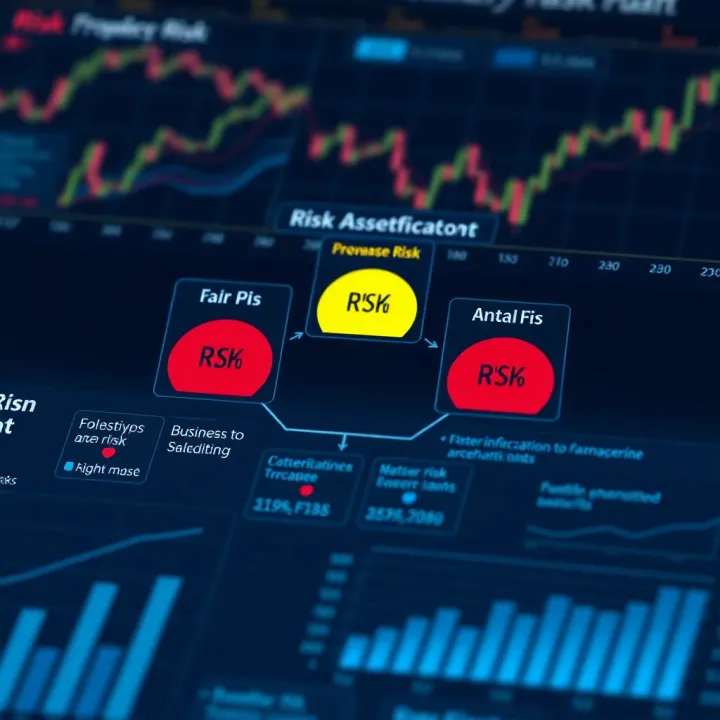
🔍 Explore risk management basics: learn how to identify, assess, and control business threats with practical tools to safeguard your capital and earnings.
Based on 15 reviews