

Understanding Enterprise Risk Management
🔍 Explore how Enterprise Risk Management (ERM) helps Kenyan businesses identify, assess, and manage risks effectively for stronger growth and stability.
Edited By
Daniel Reed
Project risk management is about recognising and handling uncertainties that could affect your project's success. These risks, if not properly managed, can disrupt timelines, inflate costs, or even cause complete project failure. In Kenya’s dynamic business environment, where factors like infrastructure challenges and regulatory changes often add uncertainty, understanding risk management is essential.
At its core, project risk management involves several steps: identifying risks, analysing their potential impact, prioritising them, and implementing strategies to address or mitigate them. This process helps teams avoid surprises that could derail their projects.
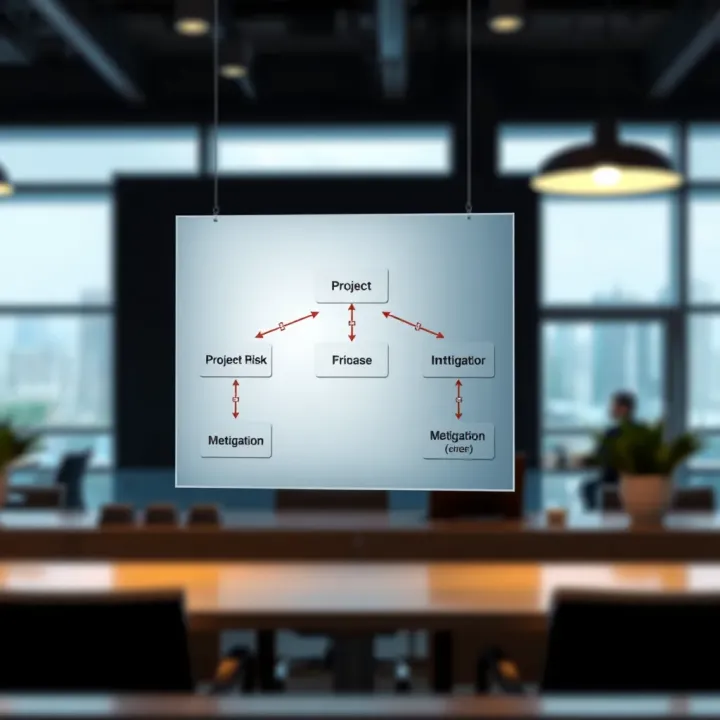
For example, consider a construction project in Nairobi. Risks might include delays due to heavy rains, fluctuating material prices, or even legal hurdles related to land ownership. By spotting these risks early, the project team can plan contingencies such as sourcing alternative suppliers or engaging legal experts ahead of time.
Effective risk management doesn’t eliminate all problems but prepares you to handle challenges swiftly, reducing negative consequences.
Key components of project risk management include:
Risk Identification: Pinpointing what could go wrong.
Risk Analysis: Assessing how likely risks are and the impact they might have.
Risk Response Planning: Deciding how to tackle each risk — whether to avoid, transfer, mitigate, or accept it.
Monitoring and Review: Keeping an eye on risks throughout the project to adapt plans as necessary.
In Kenya’s business context, factors such as currency fluctuations, political stability, or supply chain disruptions frequently influence project risks. A trader importing goods might face currency risk if the Kenyan Shilling weakens unexpectedly, increasing costs. Similarly, an investor launching a tech startup must consider the risk of sudden changes in data protection laws.
Understanding the risk management process allows you to keep your project on track, make informed decisions, and safeguard investments. By allocating time and resources to properly identify and manage risks, you raise your project’s chances of success despite the uncertainties around.
This article will explore project risk management in more detail, offering practical strategies relevant to Kenyan traders, investors, analysts, brokers, and educators looking to sharpen their approach.
Understanding what project risk management entails helps traders, investors, analysts, brokers, and educators prepare better for uncertainties that affect project outcomes. Its main goal is to identify potential threats or opportunities early enough so teams can act effectively and avoid negative surprises. For instance, in a construction project in Nairobi, recognising the risk of delayed permit approvals early allows planners to adjust schedules and budget contingencies.
Project risk management refers to the systematic process of identifying, analysing, and responding to risks throughout a project’s life cycle. It involves assessing both threats, such as financial losses or technical failures, and opportunities that might arise and could benefit the project. This approach ensures resources are focused where they are needed most, lowering the chance of costly setbacks. For example, a tech startup launching a mobile application in Kenya might anticipate risks like network disruptions or regulatory changes and plan accordingly to avoid launch delays.
Managing risks matters because projects rarely go exactly as planned. Without risk management, small issues often grow into major problems that drain resources and stall progress. Taking action on identified risks improves decision-making and project control. Moreover, documenting risks encourages transparency and communication among stakeholders, which is essential for complex projects like infrastructure developments or financial services rollout in Kenya.
Effective risk management can save a project from failure by allowing teams to spot trouble early and adjust their approach, avoiding losses or missed opportunities.
In practical terms, consider a real estate developer in Mombasa who encounters unexpected flooding risks after heavy rains. With a risk plan in place, they can activate measures like improved drainage systems quickly, minimising damage and keeping the project on track. Similarly, investors tracking project risks gain clearer insights into project viability and can better protect their capital.
By defining project risk management clearly, you set a foundation that helps everyone involved understand why managing risk is not just a formality but a necessary part of running successful projects in Kenya’s unique business environment.
Managing risks in projects is critical to ensuring success and avoiding surprises that can derail progress. The core steps in project risk management provide a structured way to spot potential problems early, understand their impacts, and plan practical responses. Each step builds on the previous one, creating a cycle of continuous improvement that keeps your project on track.
The first step is spotting possible risks before they escalate. This requires a thorough look at every aspect of the project—from budget constraints to team capacity, supplier reliability, or even political changes. For example, a Kenyan infrastructure project might identify risks such as delays due to heavy rains during the long rainy season or challenges with timely payments from government agencies. Involving experienced staff and stakeholders helps capture risks that might otherwise slip under the radar.
Once risks are identified, the next step is to assess their potential impact and likelihood. Not all risks carry the same weight; hence, prioritising helps you focus resources on what matters most. For instance, a sharp increase in construction material prices in Kenya could significantly raise costs, while minor changes in office stationery supply might have little effect. Risk scoring can be done using simple scales or more detailed financial models depending on project complexity. This step ensures the team channels attention to the high-impact risks first.
Knowing the risks, you then devise strategies to manage them. These can be avoiding the risk by changing plans, transferring it through insurance or contracts, reducing its impact with proactive measures, or accepting it when consequences are manageable. For a tech start-up in Nairobi, this might mean diversifying suppliers to guard against hardware shortages or securing cloud backup to guard against data loss. Implementation needs clear roles and timelines to ensure measures are effective.
Risk management does not end once responses are in place; it requires ongoing monitoring. Projects evolve, and new risks emerge while others fade. Regular reviews keep the risk register up-to-date and provide insights into whether responses are working. For a financial services project, this can mean tracking regulatory changes by the Capital Markets Authority (CMA) or Kenya Revenue Authority (KRA) updates that could affect compliance. Adjustments based on fresh information help the project stay agile.
Effective risk management is a continuous process that transforms uncertainty into manageable elements, keeping projects resilient even in challenging environments.
By following this structured approach, Kenyan traders, investors, analysts, and educators can navigate project risks with confidence, ensuring better outcomes and safeguarding investments from unexpected disruptions.
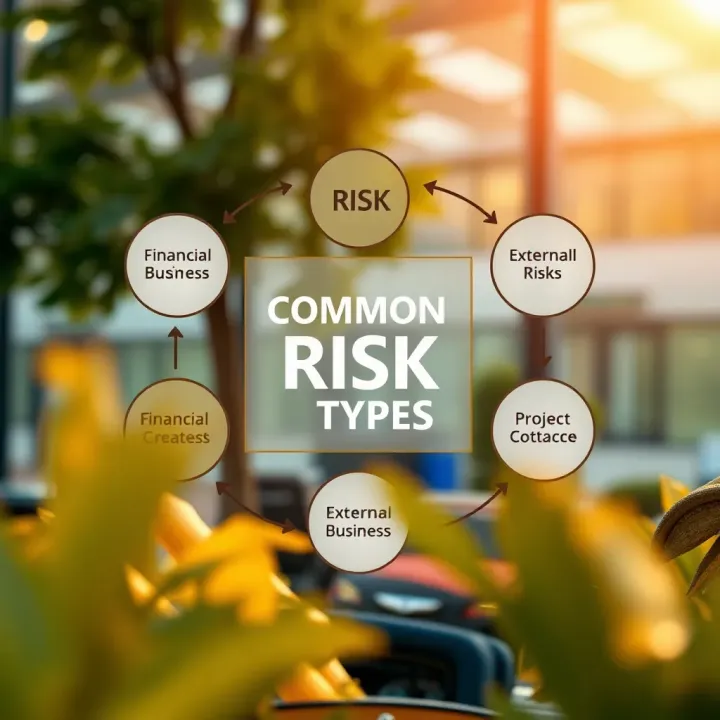
Understanding the common types of risks that can affect a project is vital for anyone involved in project management. Identifying these risks early allows project teams, investors, and analysts to plan accordingly and avoid unexpected setbacks. Projects in Kenya, like elsewhere, face a mix of financial pressures, technical challenges, legal requirements, and environmental factors. Being aware of these helps you manage resources better and keep your project on track.
Financial risks revolve around costs exceeding initial estimates or funding falling short. For example, a construction project in Nairobi might face rising prices for cement and steel due to supply chain disruptions, pushing the budget beyond planned limits. Currency fluctuations also play a part; if a project relies on imported materials priced in US dollars, sudden depreciation of the Kenyan shilling can increase costs significantly. Investors should closely monitor cash flows and establish contingency budgets to cushion such shocks.
Operational risks refer to issues in day-to-day project activities while technical risks relate to the feasibility of the technology or methods used. Take a solar power project in Kisumu: operational risks might include delays due to unreliable local contractors or manpower shortages. Technical risks could arise if the equipment installed doesn't perform as expected under local weather conditions. These risks can cause delays, increase maintenance costs, or even lead to project failure if not managed properly.
Projects in Kenya must navigate a complex web of legal and regulatory requirements. Changes in government policies, permit delays, or failure to comply with industry standards can halt progress or result in penalties. For instance, an infrastructure project may require multiple licenses at county and national levels; a hiccup in securing environmental impact assessments can delay the whole timeline. Legal risks also include breaches of contracts and property disputes. Keeping updated with the Kenya Law Reports and consulting with legal experts can help avoid such pitfalls.
External risks come from factors outside the project's control, such as natural disasters, political unrest, or sudden market changes. A farming project in Rift Valley might be severely affected by the long rains leading to floods, damaging crops and infrastructure. Alternatively, a sudden hike in fuel prices due to global events can increase transport costs for project materials. Political demonstrations or election periods sometimes affect business operations in Nairobi or Mombasa. Planning for these unpredictable elements through insurance or flexible timelines is prudent.
Recognising these risk categories early supports better decision-making and safeguards investments. Project managers and investors in Kenya must integrate risk awareness into every stage, from initial planning to execution, to navigate the challenges effectively.
Financial risks involve costs and currency fluctuations
Operational/technical risks relate to project execution and technology
Legal risks arise from regulatory changes and compliance
Environmental/external risks include natural events and political factors
By understanding these risks, you position your project for smoother implementation and better chances of success.
Applying risk management in Kenyan projects requires attention to the country’s unique business environment and regulatory landscape. Project leaders must understand how local rules and market dynamics affect risks to plan effectively and avoid costly surprises.
Kenya’s business environment has specific regulatory frameworks that can impact project risks. For instance, compliance with the Kenya Revenue Authority (KRA) tax guidelines is essential to avoid penalties that could drain budgets. Projects in sectors like construction also face county-level regulations that differ across Nairobi, Mombasa, or Kisumu. Understanding these regional rules helps in anticipating delays or additional costs.
Besides regulations, political factors such as election seasons typically bring uncertainty that can disrupt supply chains and funding availability. For example, during general elections, some businesses delay major decisions, affecting project timelines. Therefore, projects should include contingency plans for such political fluctuations.
Kenyan projects can benefit hugely from digital tools that track, analyse, and report risks in real time. Simple software like Microsoft Project or more advanced options such as Primavera P6 enable teams to monitor project milestones and spot bottlenecks early. Additionally, mobile platforms linked to M-Pesa facilitate easier budget tracking and payments, reducing financial risk.
On the data side, cloud-based collaboration tools like Google Workspace or Microsoft Teams help dispersed teams in managing issues promptly, particularly for projects involving suppliers across counties. These technologies offer transparency and keep stakeholders updated, which cuts misunderstandings that cause delays or cost overruns.
In Kenyan projects, involving stakeholders such as suppliers, local leaders, community members, and clients early in risk management discussion is vital. Their insights often reveal risks that may not be obvious, such as informal community expectations or infrastructure challenges.
For example, in a rural development project, community elders’ input can highlight potential social risks affecting acceptance and smooth implementation. Similarly, suppliers can point out logistical difficulties caused by seasonal rains or poor road conditions affecting delivery schedules.
Active stakeholder engagement builds trust and promotes shared ownership of risk plans, which ultimately reduces conflicts and improves project success.
Clear communication during risk planning should also take care to use simple language familiar to all parties to keep everyone on the same page. This approach improves timely risk identification and responsive mitigation, making the project more resilient.
By considering Kenya’s specific business rules, leveraging technology suited to local challenges, and involving the right people in planning, project teams can build smarter, more adaptable risk management strategies that fit their context. These practices offer a practical edge in navigating uncertainties and steering projects towards successful completion.
Effective risk management is more than just ticking boxes; it requires practical approaches that embed risk awareness throughout the project lifecycle. This section highlights key best practices to ensure your project stays on track despite uncertainties.
Cultivating a culture where everyone understands and respects the role of risk is fundamental. This means encouraging open discussions about potential challenges at every level—from project managers to ground staff. For example, in a construction project in Nairobi, if workers spot safety hazards early, they should feel comfortable raising concerns immediately, not after incidents occur. This proactive attitude helps spot risks sooner and prevents costly delays or accidents.
Training sessions tailored to your team’s roles can strengthen risk awareness. Rather than one-off inductions, regular refreshers and sharing lessons from past projects keep the importance of risk management alive. This builds collective ownership, making risk management everyone's business.
Clear record-keeping is vital to track and respond to risks effectively. Use simple, accessible language to document risks so all team members can understand. An example is keeping a shared risk register that outlines each risk, its potential impact, likelihood, and mitigation steps. This transparency ensures no one is caught off guard.
Regular communication channels—such as weekly meetings or alert messages through platforms like WhatsApp or Slack—help keep everyone updated. For instance, when vendor delays arise in a supply chain project, prompt updates help teams adjust workflows without confusion. Avoid jargon or complicated reports; clarity is more valuable than complexity.
Documentation and communication bridge knowledge gaps and empower teams to act promptly on emerging risks.
Risk environments change quickly, especially in dynamic sectors like technology or trading within Kenyan markets. Regular reviews guard against outdated plans that fail to address new threats or opportunities.
Set fixed intervals to revisit the risk management plan—monthly or quarterly depending on project length. During reviews, assess whether current controls work and adjust for shifts like new regulations from Kenya’s Capital Markets Authority or supply price fluctuations. For instance, a project affected by fluctuating Forex rates requires revisiting hedging strategies regularly.
Adaptation also means learning from mistakes or successes. Share experiences through written reports or team discussions. This continuous learning loop fine-tunes risk responses and builds organisational resilience.
Implementing these best practices makes risk management a continuous, living process rather than a one-off task. For Kenyan traders, investors, and project teams, this practical approach helps navigate uncertainty and uphold project success efficiently.
🔍 Explore how Enterprise Risk Management (ERM) helps Kenyan businesses identify, assess, and manage risks effectively for stronger growth and stability.
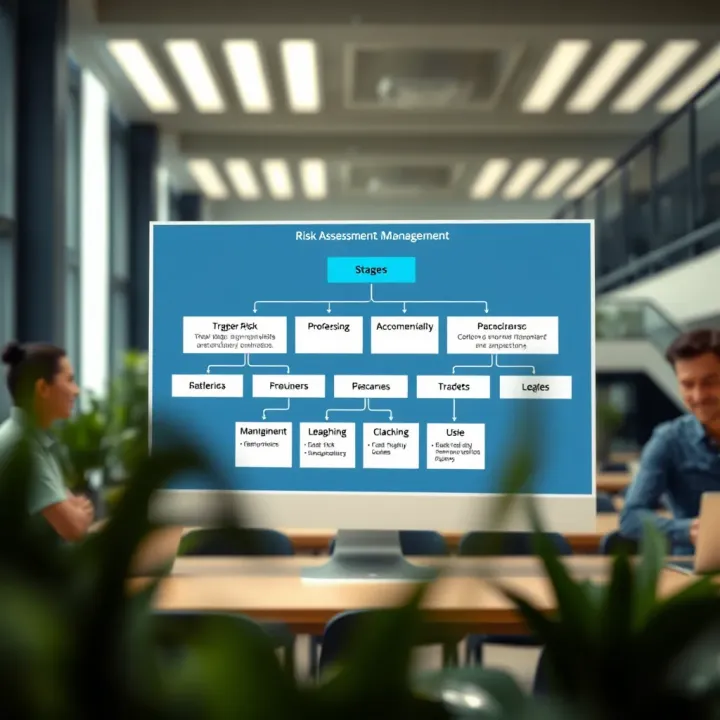
Explore practical risk management strategies and assessment insights to navigate challenges and boost safety across sectors. 📊🛡️
🔍 Explore how Kenyan businesses manage compliance and risks, master best practices, and build a strong culture aligned with local laws and regulations.
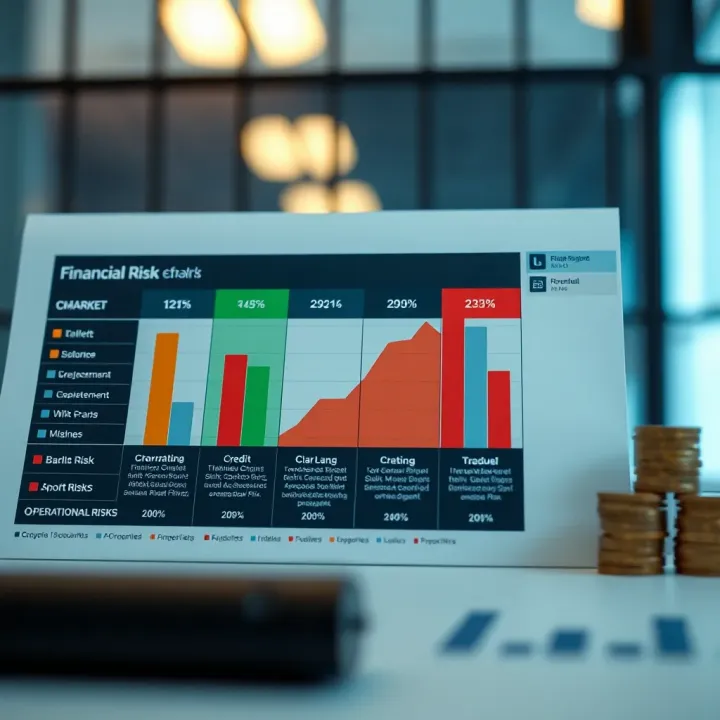
Learn the essentials of financial risk management 📊. Explore key concepts, frameworks, and tools to identify and manage risks effectively in business.
Based on 13 reviews