

Understanding Enterprise Risk Management
🔍 Explore how Enterprise Risk Management (ERM) helps Kenyan businesses identify, assess, and manage risks effectively for stronger growth and stability.
Edited By
Oliver Reed
Risk management is becoming an increasingly vital part of Kenya’s business environment. As companies face uncertainties like economic shifts, cyber threats, and regulatory changes, demand for skilled professionals who can spot, assess, and control risks continues to grow. For traders, investors, analysts, brokers, and educators, understanding the landscape of risk management jobs in Kenya is key to navigating this evolving sector effectively.
The role of risk managers spans a wide range of industries—from banking and insurance to telecommunications and energy. In banks such as Equity and KCB, risk management professionals help design credit risk frameworks to avoid bad loans. Insurance firms rely on actuaries and underwriters to evaluate risks linked to health, life, or property policies. Meanwhile, telecom operators like Safaricom require experts to handle operational and cybersecurity risks.

Key skills sought in this field include strong analytical abilities, knowledge of local and international regulatory frameworks, and proficiency with risk assessment tools like statistical software or frameworks such as COSO or ISO 31000. Communication skills are also essential since risk managers must explain complex risk scenarios clearly to decision-makers.
The ability to combine technical expertise with practical insight is what separates average candidates from top risk professionals in Kenya’s job market.
Salaries for risk management roles vary widely depending on experience and industry. Entry-level positions typically start around KSh 70,000 to KSh 120,000 monthly, while senior roles in multinational firms can pull KSh 300,000 or more. The career paths often progress from analyst roles to managerial and eventually strategic positions such as Chief Risk Officer (CRO).
Understanding the Kenyan context is important—for example, familiarity with local laws enforced by the Capital Markets Authority (CMA) or regulations from the Central Bank of Kenya (CBK) can provide a competitive edge. Risk management professionals who keep up with trends, such as the growing importance of environmental and social risk factors, position themselves well for future opportunities.
In the sections that follow, we will explore specific job roles, industry sectors, the necessary qualifications and skills, and salary expectations to guide your career planning within Kenya’s risk management scene.
Risk management has become a key pillar for businesses across Kenya, especially as the country's economy diversifies and faces various market uncertainties. Understanding careers in this field helps job seekers and professionals identify where their skills can best fit and how they might grow professionally. For example, banks and insurance firms often require risk managers to assess credit and operational risks, while tech companies focus more on cybersecurity threats and regulatory compliance.
Risk management involves identifying, assessing, and controlling risks that could affect an organisation's goals. These risks might be financial, operational, market-related, or even reputational. In Kenya, this could mean analysing the risk of loan defaults in banks or assessing the impact of political changes on investment portfolios. The role is to ensure businesses are prepared to handle uncertainties without suffering major losses.
Kenyan businesses rely on risk management to stay afloat in a challenging economic environment. For instance, during the short rains, agricultural companies need to manage the risk of crop failure, affecting their supply and profits. Similarly, the banking sector uses risk strategies to combat fraud and compliance breaches, which can cost millions of shillings if ignored. Good risk management practices help companies make informed decisions, ensuring stability and pushing for sustainable growth.
Practically, risk management guides firms to balance opportunity and caution—helping them avoid pitfalls while seizing beneficial chances in Kenya’s dynamic market.
Employers across industries in Kenya appreciate candidates who understand local economic cycles, regulations from bodies like the Central Bank of Kenya, and the unique risks that come with operating here. This is why professionals in risk management often see themselves working closely with finance, legal, and compliance teams.
In short, an overview of risk management careers in Kenya is essential for grasping how these roles fit within the broader business landscape. It also highlights opportunities for you to develop specialised skills that match local industry needs, making your career path clearer and more realistic.
Risk management roles in Kenya differ depending on the industry and the specific nature of risks involved. These roles are central for businesses aiming to shield themselves from financial losses, reputational damage, or regulatory penalties. Understanding the common positions helps job seekers and employers align expectations and identify where skills can best be applied.
Risk analysts and risk officers form the frontline line of defence in many Kenyan companies. Their job involves assessing potential threats to the organisation’s assets or earnings. For example, a risk analyst at a Nairobi-based bank might study credit histories and market trends to recommend lending policies aimed at reducing default risk. Risk officers often implement these policies and monitor their effectiveness daily.
In practice, these roles require a strong grasp of data interpretation and the capacity to forecast how various scenarios affect risk levels. They collaborate closely with departments like finance and compliance to provide timely insights. In Kenya’s growing fintech sector, such roles frequently oversee risks linked to digital lending and mobile money fraud.
Compliance roles focus on making sure organisations follow Kenya’s legal and regulatory standards. This is critical in sectors like banking, insurance, and telecommunications, where failing to adhere can lead to fines from bodies such as the Capital Markets Authority (CMA) or the Communications Authority of Kenya (CA).
Professionals in these positions keep updated on changing regulations and guide internal teams on necessary adjustments. For instance, a compliance officer at an insurance company might ensure that policies align with the Risk-Based Capital (RBC) guidelines imposed by the Insurance Regulatory Authority (IRA). Their work reduces the risk of costly penalties and safeguards the company’s reputation.
Operational risk roles address internal processes that might disrupt business activities. In Kenya, this could relate to supply chain hiccups, ICT system failures, or human errors within a company’s branches. For instance, a risk manager in a retail chain like Naivas might develop risk controls for stock management to prevent losses.
Financial risk roles, on the other hand, target uncertainties within financial markets such as currency fluctuations or interest rate changes. An investment firm in Nairobi may have specialists monitoring Kenya shilling volatility or risks from regional trade within the East African Community (EAC). These roles require solid knowledge of economics and financial instruments, plus the ability to devise hedging strategies.

Knowing the particular risk roles available helps job seekers gear their skills towards sectors that suit their interests and strengths. Each role plays a part in creating a safer, more predictable business environment in Kenya’s diverse economy.
Understanding the skills and qualifications required for risk management jobs in Kenya is key to securing a role and excelling in this field. Risk management is about spotting, analysing, and handling potential threats that could affect businesses, so having the right background and abilities makes a big difference.
Most risk management roles in Kenya require at least a bachelor’s degree in fields like Finance, Economics, Business Administration, or Actuarial Science. These degrees lay the foundation with knowledge of markets, financial principles, and business operations. For example, a degree in actuarial science equips candidates to assess risks using mathematics and statistics.
Professional certifications boost your chances and expertise significantly. The Chartered Enterprise Risk Analyst (CERA) qualification, offered by globally recognised bodies, is highly respected here. Additionally, certifications like the Financial Risk Manager (FRM) or Certified Risk Manager (CRM) give practical skills that employers seek. Locally, the Institute of Risk Management Kenya (IRM Kenya) provides well-regarded certifications tailored to the Kenyan market.
Risk management demands strong analytical skills to interpret data and forecast potential issues. You should be comfortable working with tools like Microsoft Excel for modelling, alongside software such as SAS or SPSS for advanced statistical analysis. Knowing how to use data visualisation tools like Power BI can help present risk assessments clearly to decision-makers.
Besides technical know-how, understanding regulatory frameworks in Kenya, such as those set by the Capital Markets Authority (CMA) or Central Bank of Kenya (CBK), is vital. This knowledge helps risk managers ensure compliance and avoid legal pitfalls.
Beyond technical skills, soft skills like communication, problem-solving, and attention to detail are highly prized. You may find yourself explaining complex risk scenarios to colleagues who don’t have technical backgrounds, so clarity in communication is a must.
Risk management often involves teamwork across departments, so being able to collaborate well matters. Also, adaptability is crucial since risks can evolve quickly — a risk manager at a Nairobi investment firm needs to adjust strategies when the market or political climate shifts suddenly.
A risk manager’s skill set is a blend of sharp technical ability and practical soft skills that help navigate Kenya’s dynamic business environment effectively.
Altogether, a solid educational foundation, recognised certifications, strong data skills, and effective interpersonal abilities form the backbone of a successful career in risk management in Kenya. Focus on building these areas to improve your chances of landing and thriving in these jobs.
Risk management experts are increasingly vital across key industries in Kenya. These sectors face unique risks and regulatory requirements, driving steady demand for skilled professionals who can identify, assess, and mitigate potential threats. Understanding which industries actively seek risk professionals can help you target your career efforts effectively.
The banking industry in Kenya is heavily regulated by the Central Bank of Kenya (CBK), requiring robust risk management frameworks. Risk managers focus on credit risk, market fluctuations, and compliance with prudential regulations. For example, retail banks like Equity Bank and KCB rely on risk analysts to monitor loan portfolios amid volatile economic conditions. Cybersecurity risk has also gained prominence, considering increasing digital banking and mobile money transactions such as M-Pesa. This sector often offers competitive salaries and opportunities for upward mobility.
Insurance companies and asset management firms need risk professionals to evaluate underwriting risks, market volatility, and regulatory compliance with the Insurance Regulatory Authority (IRA). Firms such as Jubilee Insurance and Britam employ risk managers to design policies that balance profitability with risk exposure. In investment firms, risk managers assess portfolio risks and advise on asset allocation to safeguard investors’ funds. The sector benefits from ongoing reforms in financial services, sparking a demand for skilled people who understand both financial products and Kenya’s regulatory landscape.
Telcos like Safaricom and Airtel face risks ranging from data privacy, fraud, and infrastructure sabotage to system downtime risks. In Kenya’s fast-growing tech landscape, risk management helps protect customer data and maintain service continuity. With the rise of fintech startups integrating services with M-Pesa and mobile wallets, professionals adept in operational and cybersecurity risk are highly sought after. These companies value agile risk strategies that adapt quickly to technology changes and regulatory updates.
Government institutions, including county administrations, increasingly embed risk management in public finance and project implementation. Agencies such as the Kenya Revenue Authority (KRA) and National Treasury engage risk officers to ensure policy adherence and identify governance risks. With public projects facing scrutiny over funds and efficiency, risk professionals help improve transparency and accountability. Careers here offer direct involvement in national initiatives but may differ in resources compared to the private sector.
Risk management roles in these industries not only safeguard institutions from losses but also contribute to economic stability and investor confidence. Aligning your skills with sector-specific demands improves job prospects and impact.
Banking focuses heavily on credit, market, and cyber risks.
Insurance & Investment firms need expertise in underwriting and portfolio risks.
Telecom & Tech require skills in data privacy, fraud prevention, and operational continuity.
Public Sector demands governance and compliance risk management.
Knowing where demand is strongest lets you plan your qualifications and job search accordingly, especially if you are targeting roles that fit your experience and interest in risk management.
Understanding salary expectations and career progression is essential for anyone aiming to build a career in risk management in Kenya. These factors influence not only your financial stability but also your motivation and long-term professional growth. For professionals like traders, analysts, brokers, and educators, knowing standard pay scales and advancement routes helps in setting clear career goals and negotiating better terms.
Salaries in risk management vary significantly depending on the role, experience, and industry. Entry-level positions such as Risk Assistants or Junior Analysts usually earn between KSh 50,000 to KSh 90,000 per month. Mid-level roles like Risk Officers or Compliance Analysts command between KSh 90,000 and KSh 150,000. Senior risk managers or heads in industries like banking or telecommunications can earn upwards of KSh 250,000 monthly.
To give a clearer picture, a Risk Analyst in Nairobi’s banking sector with 3-5 years' experience typically earns around KSh 120,000 per month, while an experienced Compliance Manager in an insurance firm might start at KSh 200,000. Firms that focus on investments or multinationals tend to offer the higher end of these ranges.
The risk management field offers clear pathways for career growth, especially with professional development. Starting as a junior analyst, individuals can progress to senior analyst, then to risk manager, and eventually to chief risk officer (CRO) or a leadership role within finance and strategy departments.
Certifications like the Certified Financial Risk Manager (FRM) or Professional Risk Manager (PRM) open doors to higher positions and enhance salary prospects. Many companies also encourage internal promotions, particularly as Kenya’s regulatory environment grows more complex, increasing demand for skilled risk professionals.
Networking opportunities via bodies such as the Kenya Risk Management Society can also help broaden one’s professional circle. Such connections sometimes lead to niche roles and specialised assignments that offer further advancement.
One significant challenge involves staying updated with the rapid changes in laws and regulations affecting Kenyan businesses — for example, new compliance demands from the Capital Markets Authority (CMA) or adjustments to Central Bank of Kenya guidelines. This requires continuous learning and adaptability.
That said, risk management roles also come with strong rewards. Professionals enjoy making impactful decisions that safeguard companies from financial pitfalls and operational risks. For instance, helping a bank identify credit risks early can save millions of shillings and protect jobs.
Moreover, the strategic nature of risk roles offers exposure to various business functions, which can make the work interesting and varied. Although the job can be demanding, many find it fulfilling to contribute to organisational stability and growth.
Salary and career growth in risk management are closely linked to experience, skill development, and adaptability to Kenya’s evolving business landscape. Planning your career with this in mind can lead to rewarding opportunities and competitive compensation.
In summary, those venturing into risk management in Kenya should measure salary expectations realistically, focus on continuous skill enhancement, and embrace the sector’s challenges as steps toward meaningful advancement.
Finding risk management jobs in Kenya requires a strategic approach that goes beyond just clicking 'apply'. This section focuses on practical ways professionals can tap into the job market, highlighting the best platforms, networking opportunities, and application tips for success. Whether you are an analyst or a compliance officer, knowing where and how to look can save time and improve your chances of landing a suitable role.
Online job portals remain one of the quickest ways to spot risk management vacancies. Platforms like BrighterMonday, Fuzu, and localised offerings on LinkedIn regularly list jobs from banks, insurance companies, and telecom firms — the major employers of risk professionals. For example, a candidate who registered on LinkedIn and Nairobi-based recruitment firms such as Summit Recruitment, has access to openings across diverse sectors.
Recruitment agencies often have clients seeking specialised risk skills but may not advertise widely. Agencies help match employer needs with candidate profiles, so registering with a few reputable ones improves visibility. Also, keeping an updated CV on these sites allows recruiters to approach you directly whenever relevant roles come up. However, always check the authenticity of agencies to avoid scams.
Networking in Kenya remains vital, especially for roles in finance and risk management. Joining professional bodies like the Institute of Risk Management Kenya (IRMK) opens doors to exclusive job fairs, seminars, and workshops. These events provide platforms to meet hiring managers personally, which is often more impactful than cold applications.
Besides formal bodies, consider industry-specific gatherings or seminars organised by banks, insurance firms, or tech hubs. Engaging actively on social media groups centred on Kenyan finance or corporate governance can also alert you to unadvertised roles. For instance, an analyst in Nairobi found a position at a telecom company through a LinkedIn connection made at a risk management conference.
Tailor your application specifically to each role. Risk management positions demand precision, so highlight relevant tools like Excel, Risk Management Information Systems (RMIS), or your certification progress (e.g., CRMA or FRM). Avoid generic CVs.
During interviews, be ready to discuss real-world risk scenarios you've handled or analysed. Kenyan employers value candidates who show understanding of both global risk principles and local context — such as regulatory compliance with the Capital Markets Authority (CMA) or practical challenges in Kenyan banking.
Dress professionally and prepare questions about the company's risk culture or recent risk events. This shows genuine interest and a proactive attitude.
Also, keep telephone or video interview etiquette sharp since many initial interviews now happen remotely. Finally, follow up politely after interviews to reinforce enthusiasm and professionalism.
Together, these strategies provide a solid foundation for anyone aiming to break into or grow within Kenya's risk management field. Practical steps, local insight, and persistence remain key in this competitive market.
🔍 Explore how Enterprise Risk Management (ERM) helps Kenyan businesses identify, assess, and manage risks effectively for stronger growth and stability.
🔍 Explore how Kenyan businesses manage compliance and risks, master best practices, and build a strong culture aligned with local laws and regulations.
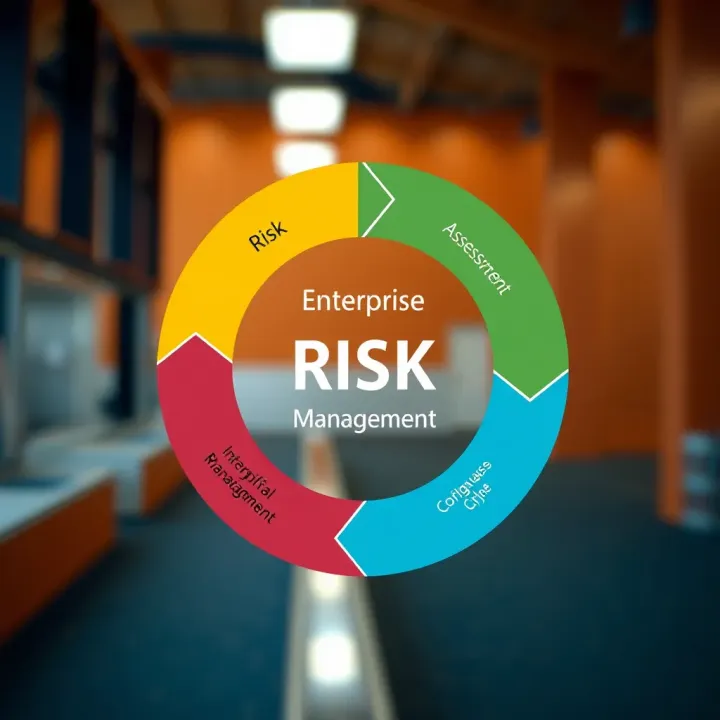
Explore how Enterprise Risk Management (ERM) helps Kenyan businesses identify, assess, and manage risks to safeguard operations and support strategy 📊🔍

Explore practical disaster risk management in Kenya 🌍. Learn about common disasters, prevention, preparedness, and key stakeholder roles to reduce impacts.
Based on 12 reviews