

Understanding Enterprise Risk Management
🔍 Explore how Enterprise Risk Management (ERM) helps Kenyan businesses identify, assess, and manage risks effectively for stronger growth and stability.
Edited By
Isabella Turner
Natural disasters like floods, droughts, earthquakes, and storms are no longer rare interruptions; they have become sharper reminders that risk management strategies must constantly evolve. In Kenya, where the effects of climate change and geography place many communities and businesses in vulnerable positions, understanding how these disasters shape risk planning is vital.
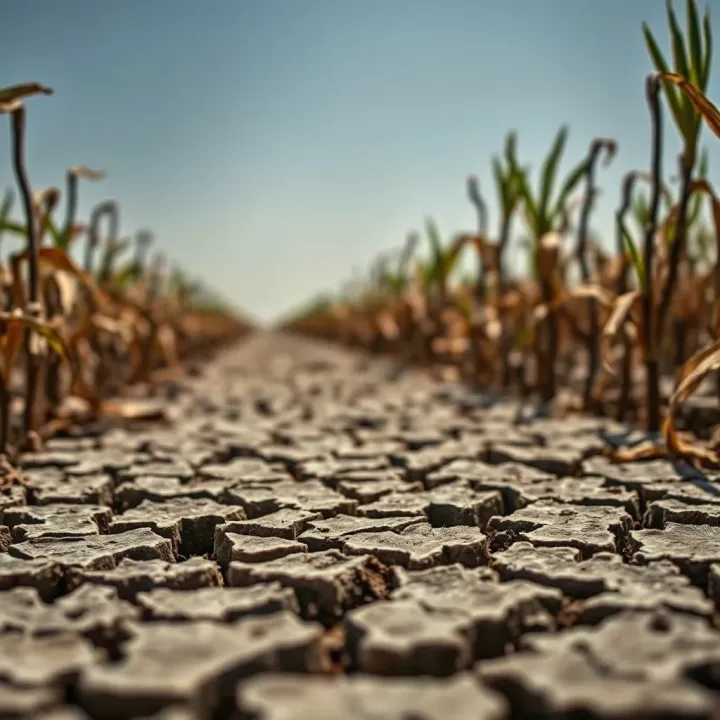
Floods in Nairobi and counties around Lake Victoria routinely disrupt transport and trade, costing businesses millions in lost goods and delayed payments. Meanwhile, drought impacts agricultural yields across arid and semi-arid lands (ASALs), threatening farmers’ incomes and the stability of food supply chains. Earthquakes, though less frequent, pose sudden threats in regions like the Rift Valley, calling for readiness beyond routine plans.

Governments, private companies, and households each face unique challenges due to these hazards. Operational risks include infrastructure damage and interrupted services. Financial risks range from insurance claims to dwindling investment confidence. These realities force risk managers to reconsider traditional approaches.
Organisations that ignore natural disaster risks run the chance of severe financial strain and long-term operational setbacks. Proactive planning saves costs and builds community resilience.
Risk strategies must therefore integrate:
Detailed local hazard mapping to identify vulnerable assets
Flexible contingency plans that address both immediate response and long-term recovery
Investment in resilient infrastructure—such as flood-resistant buildings and drought-proof water systems
Partnerships with insurers and financial institutions to share and mitigate losses
For Kenyan traders and investors, understanding these risk factors is also about spotting opportunities in emerging sectors like clean energy and climate-smart agriculture. Public institutions need policies that support these shifts, while analysts and brokers should closely monitor climate data trends impacting asset performance.
In short, natural disasters reshape risk management by pressing organisations to be more anticipatory and adaptive. This shift is crucial in Kenya’s diverse environment where each disaster’s impact can differ widely, calling for tailored strategies that balance cost, protection, and sustainable growth.
Natural disasters impact how risk assessment is carried out, especially in regions like Kenya where varied hazards like floods, droughts, and storms occur. Understanding how these events alter risk profiles helps traders, investors, and analysts make more informed decisions about asset protection, investment timing, and resilience planning. Clear risk assessment guides resource allocation to areas where damage potential and recovery challenges are highest.
Climate variability has altered the frequency and intensity of natural disasters across Kenya, affecting the typical risk landscape. For instance, the long rains in the Rift Valley have become erratic, causing floods in areas previously considered low risk. This shift means that risk managers can no longer rely solely on historical data—new hazard profiles require updated information and models that take recent climate patterns into account.
Disasters have become more unpredictable, varying not just by season but also geographically. Earthquakes or landslides may strike unexpectedly, as seen in areas around the Great Rift Valley. This unpredictability challenges conventional risk assessment and requires continuous monitoring and dynamic risk evaluation, especially for infrastructure investments and insurance underwriting.
Local and regional risk maps must reflect these evolving realities to remain useful. Many Kenyan counties have been updating their hazard maps incorporating satellite data and community reports. Accurate risk mapping allows public agencies and businesses to pinpoint vulnerable zones, enabling targeted interventions and avoiding blanket assumptions that waste resources.
Many Kenyan roads, particularly rural access routes, were not built to withstand flooding or erosion and deteriorate quickly during heavy rains. Similarly, unregulated building works, common in peri-urban areas, often lack foundation strength against earthquakes or storms. Risk assessments must evaluate such physical weaknesses to prioritise retrofitting or strengthening essential structures critical for recovery after disasters.
Communities with limited access to financial services, healthcare, or stable income recover slower from disasters. Informal sector workers, such as jua kali artisans, often lack insurance or savings, heightening their exposure. Social vulnerability indices help risk managers factor in these elements when designing resilience programmes or directing aid to maximise impact.
Informal settlements in Nairobi and Mombasa face increased risks due to poor drainage, overcrowding, and unstable housing. These areas complicate risk assessments as official records might miss them or underestimate their vulnerabilities. Urban planning that ignores these realities worsens disaster impacts, making integrated assessments crucial to guide both emergency response and long-term development.
Thorough risk assessment extends beyond natural hazards to include how infrastructure and social factors combine to heighten community exposure. This comprehensive understanding is key to effective risk management strategies.
In summary, connecting changes in hazard profiles, unpredictability, and vulnerability evaluation informs holistic risk assessment. This approach equips Kenyan businesses, investors, and policymakers with actionable insights to design stronger safety nets and resilient systems amid shifting disaster landscapes.
Natural disasters pose significant challenges to existing risk management frameworks. These events often reveal gaps in the models and systems organisations use to plan and prepare for hazards. Recognising these challenges helps traders, investors, analysts, and brokers adjust their strategies to better withstand future shocks.
One major challenge is the difficulty in modelling complex disaster scenarios. Traditional risk models often consider single events, such as a flood or earthquake, in isolation. However, natural disasters can interact in unexpected ways or evolve rapidly. For instance, intense rainfall may trigger floods that then cause landslides, impacting infrastructure far beyond initial predictions. Kenyan organisations relying on outdated models may underprepare for these compound effects, leading to gaps in risk coverage.
Another limitation is the failure to account for cascading effects. Disasters rarely impact just one sector or asset; their effects ripple through supply chains, utilities, and financial systems. Take the 2018 floods in Kisumu as an example: beyond immediate damage, the floods disrupted transportation of goods, affecting availability in Nairobi and other markets. When risk frameworks overlook these knock-on impacts, recovery plans miss critical vulnerabilities that could prolong business downtime or increase losses.
A further issue is inadequate data availability and quality in many regions. Especially in rural or informal settlements, data on exposure and vulnerabilities may be incomplete or outdated. For example, many properties in informal areas of Nairobi lack proper registration or survey records, making it difficult for risk managers to assess potential losses accurately. Without reliable data, models can misrepresent risk levels, resulting in either excessive caution or dangerous underestimation.
Supply chain interruptions and delays are a pressing concern during natural disasters. Roads may be flooded or blocked by debris, slowing down the transport of goods. A supplier of fresh produce near Lake Victoria, for example, might face delivery delays during the rainy season, affecting retail outlets in Nairobi. Traders and analysts must account for these disruptions when planning inventory and contracts.
Communication breakdown during emergencies further complicates risk management. Power outages and damaged telecom towers can isolate teams and hinder coordination. In March 2023, during floods in western Kenya, many businesses reported difficulties contacting their branches or shipment partners, delaying decision-making and increasing losses.
Lastly, staff safety and workforce challenges arise when disaster strikes. Employees may be unable or unwilling to travel to work due to blocked roads or safety concerns. Organisations need to anticipate these workforce gaps and establish flexible working plans or evacuation procedures. For example, companies in Nakuru developed community agreements to shelter staff and maintain essential operations during floods.
Addressing these challenges requires risk frameworks to be more dynamic, data-driven, and operationally flexible. Kenyan businesses and institutions benefit by regularly updating models, strengthening local data collection, and planning for cascading impacts beyond direct hazard zones.
By recognising and overcoming these practical obstacles, organisations can better protect assets, people and ensure smoother recovery after natural disasters.
Organisations in disaster-prone regions like Kenya are increasingly recognising the need to reshape their risk management strategies. Natural disasters such as floods or droughts can disrupt operations, cause financial losses, and threaten livelihoods. Adapting strategies is not just about reacting to past events but preparing for evolving risks. This means integrating new data sources, strengthening resilience, and collaborating closely with expert agencies. Doing so helps organisations reduce downtime, protect assets, and safeguard communities.
Using satellite and weather data for early warning is essential for timely decision-making. Organisations now access real-time satellite images and weather forecasts to anticipate floods, storms, or droughts. For example, agribusiness firms in the Rift Valley use meteorological data to adjust planting schedules, avoiding crop failure due to unexpected rainfall shifts. Early warning allows for proactive measures like relocating stock or securing infrastructure before disasters strike.
Scenario-based risk modelling helps organisations understand potential impacts under different conditions. By simulating events such as heavy rains triggering landslides or prolonged drought reducing water supply, businesses can identify vulnerabilities and test response plans. For instance, a Nairobi-based logistics company can model supply chain interruptions caused by road closures during floods, thus planning alternative routes or transport modes well ahead.
Collaboration with meteorological and disaster response agencies strengthens preparedness and response. Organisations benefit from partnerships with the Kenya Meteorological Department or the National Disaster Management Authority (NDMA) to receive specialised forecasts and coordinated alerts. Such alliances improve information sharing and enable faster mobilisation of resources when disaster risks emerge. Community-based groups and local government bodies often join these efforts, ensuring a broad network supports risk mitigation.
Developing flexible supply chains is critical where disruptions are common. Kenyan companies are building relationships with multiple suppliers and transport alternatives to reduce dependency on single sources or routes. For example, manufacturers sourcing raw materials from both Nairobi and Mombasa ports can reroute shipments if one location faces closures due to flooding or strikes. This flexibility limits production stoppages and financial losses.
Emergency preparedness training and drills enhance staff readiness and reduce panic during crises. Organisations regularly conduct simulations where employees practice evacuation, communication, and operational recovery. A bank in Kisumu might simulate power outages caused by storms and test backup systems to maintain customer services. Such exercises build confidence and highlight gaps in plans that need addressing.
Investing in resilient infrastructure and technology safeguards operations against disaster damage. Kenyan firms upgrade buildings to withstand heavy winds or floodwaters and install reliable power backup systems. Moreover, digital solutions like cloud data storage ensure that vital information remains accessible even if physical offices are affected. These investments reduce downtime and repair costs, enabling faster returns to normalcy after shocks.
Adapting risk management is not a one-off task but an ongoing process. Organisations that integrate robust data, maintain operational flexibility, and foster collaborative networks position themselves to withstand natural disasters more effectively and secure long-term stability.
When natural disasters strike, the financial impact can be enormous, shaping how organisations plan and manage risks. Understanding these financial implications helps traders, investors, and analysts prepare better for the fallout and make informed decisions. This section looks at the key financial factors involved in recovering from disasters and managing financial risks effectively.
Direct damages to assets and infrastructure refer to the physical destruction caused by disasters. For instance, floods or earthquakes can destroy warehouses, factories, roads, and equipment, forcing businesses to spend heavily on repairs or replacements. In Kenya, the 2018 floods damaged parts of the Northern Corridor highway and several small businesses along the route, highlighting how critical infrastructure loss can directly stall economic activity.
These damages are not limited to large companies. Small traders in Nairobi’s Gikomba market often suffer losses from fires or floods, wiping out stock and forcing them to rebuild from scratch. This direct cost strains cashflows and may drive some out of business entirely if they lack sufficient financial backup.
Indirect economic losses such as business downtime cover the income missed while operations are halted. For example, during prolonged floods or road closures, delivery of goods can stall, causing shops to run out of stock and lose customers. This downtime often hits SMEs hard since they operate on tight margins and depend on continuous cashflow.
Such interruptions ripple through supply chains. A supplier unable to transport goods impacts manufacturers and retailers downstream. Traders and investors need to account for these hidden costs when assessing risk exposures in disaster-prone regions.
Role of insurance and government aid is critical in mitigating financial hits after disasters. Insurance policies tailored for flood or fire damage protect businesses by covering repair costs and some lost income. For example, some Kenyan insurers offer coverage packages for jua kali artisans targeting tool replacement and income support if work is disrupted.
Government aid complements insurance by providing emergency relief and infrastructure rehabilitation. Agencies like the National Disaster Management Authority (NDMA) coordinate response programmes offering food aid, temporary shelters, and rebuilding funds. However, access to both insurance and aid may be limited in informal settings, leaving many at risk.
Use of insurance products tailored to disaster risks allows businesses to transfer some financial risk. These policies often consider local hazards, covering specific threats like floods, droughts, or landslides common in Kenyan counties. For instance, crop insurance offered by insurance firms and subsidised through the Agriculture Finance Corporation helps farmers manage drought-related losses, which are increasingly frequent due to climate change.
Besides traditional insurance, catastrophe bonds and other financial instruments offer alternative ways to handle disaster risks. Catastrophe bonds allow governments or large firms to raise funds from investors, who lose principal if a specified disaster hits but receive high returns otherwise. While still emerging in Kenya, such instruments could provide new liquidity sources, helping pay for recovery without burdening the state budget.
Effective risk management also comes from public-private partnerships for risk sharing. These joint efforts combine government and private sector resources to pool risks and responses. An example is the collaboration between the Kenyan government and private insurers to expand affordable disaster insurance coverage for informal settlements, where risks are high but insurance penetration low.
Sound financial planning built around these elements helps businesses and authorities reduce the economic shocks following natural disasters, ensuring faster recovery and continued economic stability.
In summary, natural disasters impose large direct and indirect financial burdens. By understanding these impacts and adopting appropriate financial tools—insurance, catastrophe bonds, and partnerships—organisations can better face uncertainties and limit losses. For traders, investors, and analysts, recognising these financial layers is vital when navigating markets and risk in disaster-prone settings like Kenya.
Building resilience within communities and organisations is vital to managing risks posed by natural disasters. Resilience here means having the capacity to anticipate risks, absorb shocks, and recover quickly when disasters strike. This strengthens social cohesion, reduces the economic burden, and supports faster recovery — all essential for sustainable growth, especially in disaster-prone areas of Kenya.
Incorporating indigenous knowledge and local practices plays a key role in disaster risk management. Local communities in Kenya, particularly those in rural and pastoralist regions, have developed practical coping mechanisms over generations. For example, farmers in semi-arid areas use traditional water harvesting techniques and crop diversification to withstand drought seasons. Integrating this indigenous knowledge with modern risk assessment allows for more context-specific and culturally appropriate strategies.
Community-based disaster preparedness programmes empower locals to respond effectively before and during emergencies. These programmes often include regular disaster drills, formation of volunteer response teams, and stockpiling essential supplies. In counties like Kilifi and Mombasa, community groups have partnered with NGOs to train locals on flood response and evacuation plans, reducing casualties and property loss during heavy rains.
Promoting awareness and education ensures that risk information reaches the widest audience. Awareness campaigns in schools, churches, and market centres help spread knowledge on disaster signs, safety measures, and emergency contacts. For instance, in Nairobi's informal settlements, local leaders teamed up with NGOs to conduct workshops on fire safety, helping residents prepare for common hazards. Education also builds trust and cooperation between authorities and residents, crucial for smooth disaster response.
National and county-level disaster risk policies provide the legal and strategic framework to guide preparedness and mitigation efforts. Kenya’s National Disaster Management Policy sets standards for disaster planning and resource allocation, while county governments tailor approaches to local needs. For example, Garissa County focuses on drought resilience, whereas Kisumu strengthens flood defences. These policies facilitate coordination among stakeholders and ensure accountability.
Strengthening early warning systems and response teams is critical to minimise disaster impacts. Kenya has made progress with technology-based alerts — like SMS warnings for floods and drought forecasts disseminated via mobile phones and radio. Additionally, trained rapid response teams at county and national levels deliver swift assistance during crises. This system reduces delay and confusion, saving lives and property.
Effective disaster risk reduction depends heavily on timely information and capable responders working in tandem.
Role of institutions like Kenya Red Cross and NDMA (National Disaster Management Authority) cannot be overstated. These bodies provide technical expertise, coordinate relief operations, and mobilise resources swiftly across the country. The Kenya Red Cross also supports community training and health interventions during disasters. NDMA acts as the government’s lead agency, ensuring policy enforcement and inter-agency collaboration. Their presence reassures communities and businesses that support is available when most needed.
Through these community engagement and institutional support mechanisms, Kenya can better prepare for and manage natural disasters, sparing livelihoods and supporting resilient development.
🔍 Explore how Enterprise Risk Management (ERM) helps Kenyan businesses identify, assess, and manage risks effectively for stronger growth and stability.
🔍 Explore how Kenyan businesses manage compliance and risks, master best practices, and build a strong culture aligned with local laws and regulations.
Explore how Enterprise Risk Management (ERM) helps Kenyan businesses identify, assess, and manage risks to safeguard operations and support strategy 📊🔍
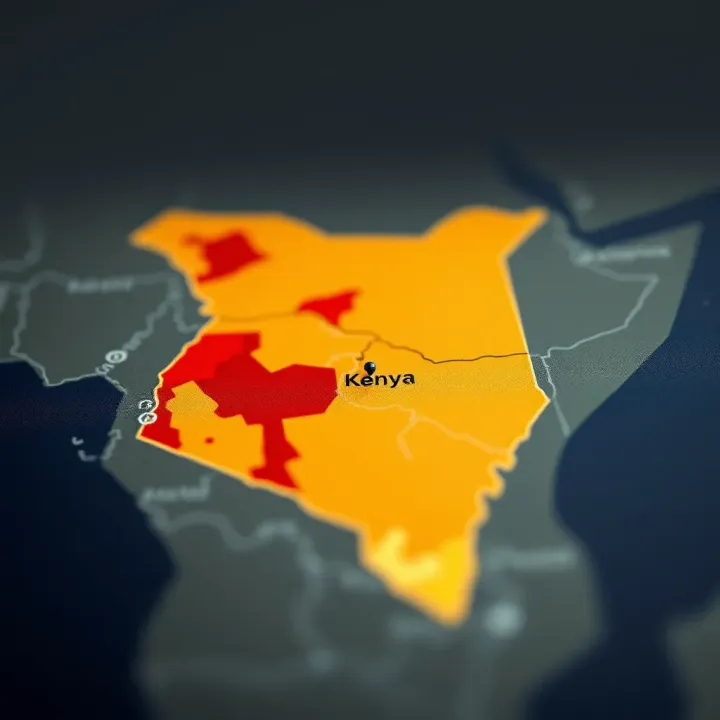
Explore practical disaster risk management in Kenya 🌍. Learn about common disasters, prevention, preparedness, and key stakeholder roles to reduce impacts.
Based on 14 reviews