

Understanding Enterprise Risk Management
🔍 Explore how Enterprise Risk Management (ERM) helps Kenyan businesses identify, assess, and manage risks effectively for stronger growth and stability.
Edited By
Grace Mitchell
Risk management is no longer a back-office job reserved for specialists. In Kenya’s dynamic business environment, understanding risk and managing it well is vital for any trader, investor, analyst, broker, or educator aiming to protect their assets and reputation. Risks come in many shapes—from market fluctuations and regulatory changes to operational hiccups and security threats.
The truth is, Kenyan businesses face unique challenges like currency volatility, political shifts, and infrastructure gaps which can quickly turn manageable risks into costly setbacks. Yet, with the right approach, these threats can be anticipated, assessed, and controlled.
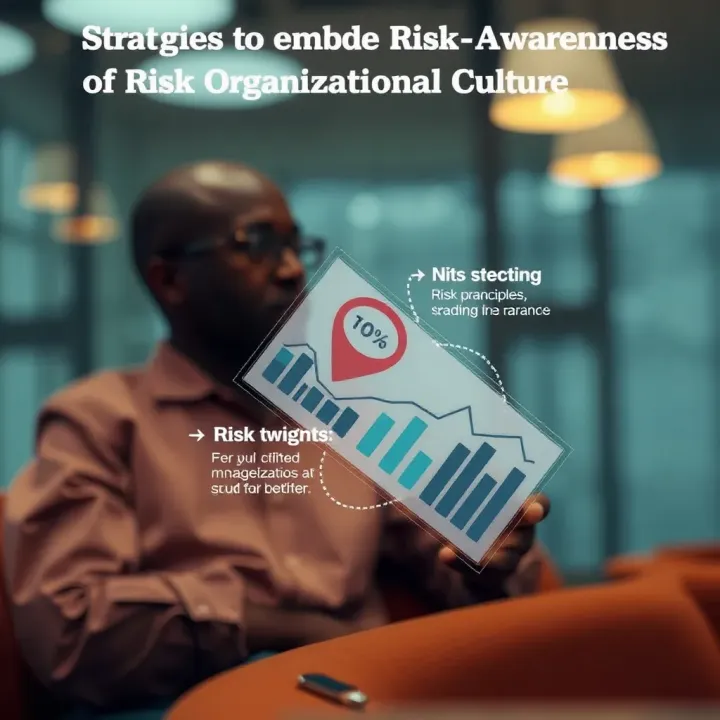
Effective risk management helps navigate uncertainty confidently, turning potential losses into manageable challenges and sometimes even opportunities.
This section will cover foundational principles that Kenyan organisations can use to build a solid risk management framework. We will look at how to identify risks clearly, assess their impact realistically, and apply measurable controls. Most importantly, we’ll discuss embedding a culture that keeps risk awareness alive in everyday decisions.
Understanding the nature of risk: recognising internal and external factors affecting your business
Risk identification: spotting risks early through regular review and stakeholder input
Assessment methods: using qualitative and quantitative tools suitable for Kenyan contexts
Control measures: practical ways to minimise, transfer, or avoid risks
Embedding risk culture: ensuring risk-awareness becomes part of the organisational mindset
Whether you’re running a boutique investment firm, managing a trading desk, or training fresh analysts, these principles provide a practical ground to tackle risk head-on—without jargon or unnecessary complexity.
Risk management isn’t about avoiding all risks; it’s about making informed decisions that keep your business resilient and agile in Kenya’s ever-changing market conditions.
Understanding what risk means for businesses and how it affects their operations is the foundation of effective risk management. In Kenya, businesses operate in a dynamic environment where uncertainties range from economic shifts to political changes and natural events. Grasping these risks allows organisations to prepare better, avoid losses, and identify opportunities even when challenges arise.
Meaning of risk in business: Risk in business refers to the chance of an event or circumstance negatively affecting the organisation’s objectives. This could mean anything from losing money, damaging the brand, to facing operational disruptions. For example, a tour company in Mombasa risks losing clients if political unrest scares away tourists. Understanding this potential helps businesses act proactively rather than reactively.
Types of risks common in Kenya: Kenyan businesses face diverse risks like regulatory changes from the government, foreign exchange volatility affecting importers, and local security issues that might disrupt supply chains. For instance, farmers in the Rift Valley often deal with weather-related risks such as drought or floods impacting crop yields. Additionally, unpredictable fuel prices can increase transport costs for businesses heavily reliant on logistics.
Consequences of unmanaged risk: Ignoring risks can lead to serious consequences such as financial losses, legal penalties, and damaged reputations. Take a Nairobi-based fintech start-up that neglects cybersecurity risks; a data breach could deter customers and invite regulatory sanctions. Similarly, a manufacturing firm ignoring machinery maintenance risks frequent breakdowns, stalling production and eroding trust with clients.
Protecting financial and reputational assets: Managing risks helps safeguard a company’s money and public image. Consider a retailer in Nairobi who fails to check supplier reliability; sudden stock shortages can disappoint customers and tarnish the brand. Proper risk controls, like supplier vetting and alternative sourcing, shield against such disruptions.
Complying with legal and regulatory requirements: Kenya’s business environment involves laws such as tax compliance via the Kenya Revenue Authority (KRA), labour laws, and environmental regulations. Staying on top of regulations through risk management prevents costly fines and licenses suspension. For example, a construction company ensuring all safety standards are met avoids penalties and protects workers.
Improving decision-making and planning: Risk awareness enhances business planning by providing a clearer picture of potential obstacles and how to handle them. Investors looking into SMEs can better assess which enterprises have strong risk controls, affecting funding decisions. Similarly, a farmer aware of pest infestation risks can timetable pesticide use to reduce losses, improving overall productivity.
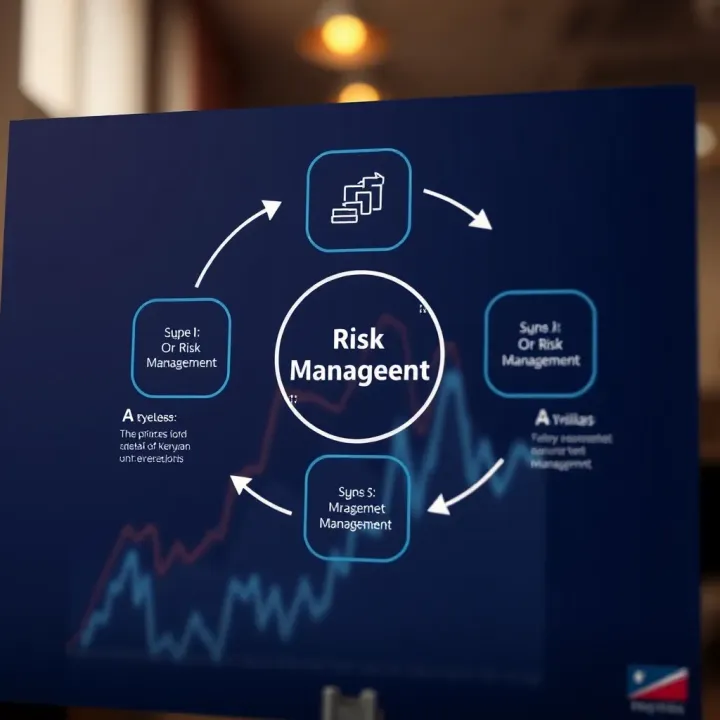
Recognising and managing risks isn't about eliminating all uncertainties—it’s about preparing and positioning your business to weather storms and seize opportunities in Kenya’s unique landscape.
Effective risk management is more than a checklist: it’s a mindset that involves understanding, assessing, and controlling risks in a way that suits your business environment. For Kenyan businesses, this means balancing practical tools with the realities of the local market, regulatory landscape, and operational challenges. Core principles help businesses stay alert to risks, prioritise the biggest threats, and put realistic controls in place.
Spotting risks early keeps you ahead. Systematic identification starts with scanning all parts of the business for anything that might cause problems. For example, a small Nairobi-based retailer might identify risks like fluctuating shilling rates affecting import costs or unreliable power supply disrupting daily sales.
Tools like SWOT analyses (assessing strengths, weaknesses, opportunities, and threats) or PESTLE analysis (which looks at political, economic, social, technological, legal, and environmental factors) guide this process. These aren’t just fancy phrases — they structure thinking so nothing slips through the cracks.
Employees often catch risks top management might miss because they work on the ground. Encouraging staff at all levels in banks, manufacturers, or jua kali workshops to report threats builds a culture of vigilance. For example, a truck driver in a logistics company might spot recurrent roadblocks affecting delivery schedules before it impacts customers.
Once risks are on the table, you must judge how likely they are to happen and what damage they could cause. This helps ensure resources target the biggest concerns, not the small annoyances.
Risk matrices are handy here. These charts rank risks by likelihood and impact — high, medium, or low. For instance, in an agricultural business in Naivasha, drought might score high on impact and likelihood, while theft scores medium on both. This visual guide helps teams decide where to focus efforts.
Prioritising means not spreading resources thin. A tech startup in Nairobi may focus on cyber threats and data privacy risks, given their potential to cause massive reputational harm, while giving less immediate attention to risks with minimal impact or likelihood.
After assessing priorities, businesses need clear strategies to manage risks. This might mean implementing security systems, diversifying suppliers, or training staff in safety standards.
Monitoring is crucial because conditions change. For example, a boda boda company might start with simple helmet policies but later add GPS tracking after repeated accidents and theft cases. Regular reviews make sure controls still work as intended.
Flexibility matters. Market shifts, new regulations from bodies like the Capital Markets Authority (CMA), or unexpected events like floods can require revising approaches. A firm that adapts based on updated risk assessments navigates challenges better than one with rigid plans.
A practical risk management system is one that evolves with the business. Being alert and ready to adjust ensures resilience and protects resources in Kenya’s dynamic commercial environment.
This framework makes risk management not just a compliance activity but a valuable part of day-to-day decision-making, ensuring that Kenyan businesses keep their footing even when the road gets rocky.
Embedding risk management into the fabric of an organisation’s culture is vital for sustainable success in Kenya’s dynamic business environment. When risk awareness becomes part of everyday thinking, businesses can respond to challenges faster and more effectively. This approach goes beyond formal policies — it ensures everyone, from top leaders to junior staff, understands their role in managing uncertainty.
Leadership has a major influence over risk culture. When top managers openly prioritise risk management, it sends a clear message that dealing with uncertainties isn’t optional. In many Kenyan firms, directors who regularly discuss risk matters during board meetings help set the tone for the entire organisation. Their visibility encourages staff to be more mindful of potential threats and opportunities.
Setting clear roles is another key leadership task. Without defined responsibilities, risk controls can become inconsistent or neglected. For instance, if a bank’s credit risk team doesn’t know who should approve high-risk loans, loopholes may arise. Leaders must assign and communicate who is accountable for identifying risks, reviewing controls, and reporting issues. This reduces confusion and improves follow-up.
An open reporting culture further strengthens risk management. Staff should feel safe sharing concerns without fear of blame. Kenyan companies that encourage whistleblowing and anonymous reporting, for example, often catch fraud or compliance issues early. Leaders need to actively promote this openness by recognising employees who raise valid risks and promptly responding to reports.
Training staff on risk matters builds competence and sharpens judgement at all levels. Businesses operating in Nairobi or upcountry towns alike benefit when employees understand risk principles in daily operations. A retail chain that trains cashiers on fraud prevention reduces losses significantly. This continual learning ensures the workforce adapts as new risks emerge.
Sharing lessons from past incidents helps prevent repeat mistakes. After a supply chain disruption, for instance, documenting causes and what worked enables teams to improve. In Kenya’s informal sector, traders sometimes share such insights informally during market days, but formal business structures should do this systematically.
Keeping all teams informed on risk status maintains vigilance across departments. Regular communication channels like newsletters, meetings, or digital platforms keep risk top of mind. For example, a manufacturing firm might circulate monthly risk bulletins highlighting accident trends or regulatory changes affecting production. This ongoing flow of information helps every employee understand current challenges and how they can contribute.
Embedding risk management into culture means making it a shared responsibility. When leadership commits, roles are clear, communication is open, and learning never stops, businesses stand stronger against uncertainties common in Kenya and beyond.
Taking practical steps to manage risks is vital for any Kenyan business, whether it's a small duka in Kisumu or a medium-sized exporter in Nairobi. Without clear actions, risks remain vague threats that can unexpectedly disrupt operations or cause financial losses. This section outlines key processes designed to give businesses concrete ways to understand, prepare for, and respond to risks effectively.
Mapping key risks across operations means identifying all the areas within a business where risks might arise. This could involve everything from supply chain interruptions, cash flow challenges, regulatory compliance, to daily operations like stock management. For example, a Nairobi-based manufacturer might note risks like power outages affecting machinery or delays in importing raw materials. Documenting these risks helps paint a clear picture of what needs urgent attention.
Consulting with stakeholders and experts brings fresh perspectives and deeper insight on potential risks. Involving employees, suppliers, customers, and even industry specialists uncovers risks that internal teams might overlook. A tea farmer in Kericho might consult agricultural experts to understand climate-related risks or pests, while a tech startup in Nairobi could seek advice from cybersecurity professionals. This consultation builds trust and ensures that the audit reflects real-world challenges.
Documenting findings for action planning involves clearly recording identified risks and their possible impacts. This documentation serves as a roadmap for the next step—planning how to deal with those risks. Having a written record makes it easier to track progress, communicate concerns with the team, and revisit risks as the business evolves. Kenyan companies often keep these records in simple spreadsheets or digital platforms tailored to their size and capability.
Setting clear objectives and timelines ensures risk management does not become an endless, vague task. Objectives might include reducing late supplier deliveries by 50% within six months or ensuring compliance with upcoming tax regulations by a set date. This focus helps businesses prioritise and measure success, avoiding the trap of vague or overwhelming plans.
Assigning responsibilities and resources clarifies who handles each part of the risk management plan. Assigning roles—such as naming a finance manager to oversee cash flow risks or a procurement officer to monitor supply chains—ensures accountability. Alongside roles, providing necessary resources like budget for new technology or staff training is crucial. Without clear responsibilities and resources, plans often fail to take root.
Establishing monitoring and review schedules keeps the risk plan alive and relevant. Kenyan businesses operate in dynamic environments—consider seasonal market fluctuations or regulatory changes—that require regular check-ins on risk status. Monthly or quarterly reviews help identify new risks and assess whether current mitigation measures remain effective. For instance, a retailer might use monthly sales data and customer feedback to spot supply risks early, adjusting procurement accordingly.
Proper risk management is an ongoing process. Taking practical steps such as audits and clear planning equips Kenyan businesses to navigate uncertainties without losing footing.
By integrating these steps, businesses can practically apply risk management principles and protect their operations against unexpected challenges common in the Kenyan economic climate.
🔍 Explore how Enterprise Risk Management (ERM) helps Kenyan businesses identify, assess, and manage risks effectively for stronger growth and stability.
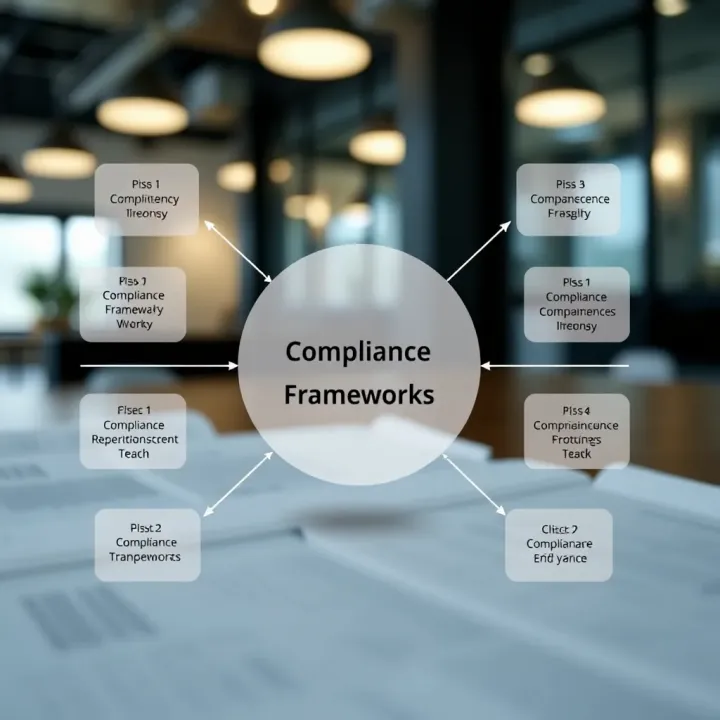
🔍 Explore how Kenyan businesses manage compliance and risks, master best practices, and build a strong culture aligned with local laws and regulations.
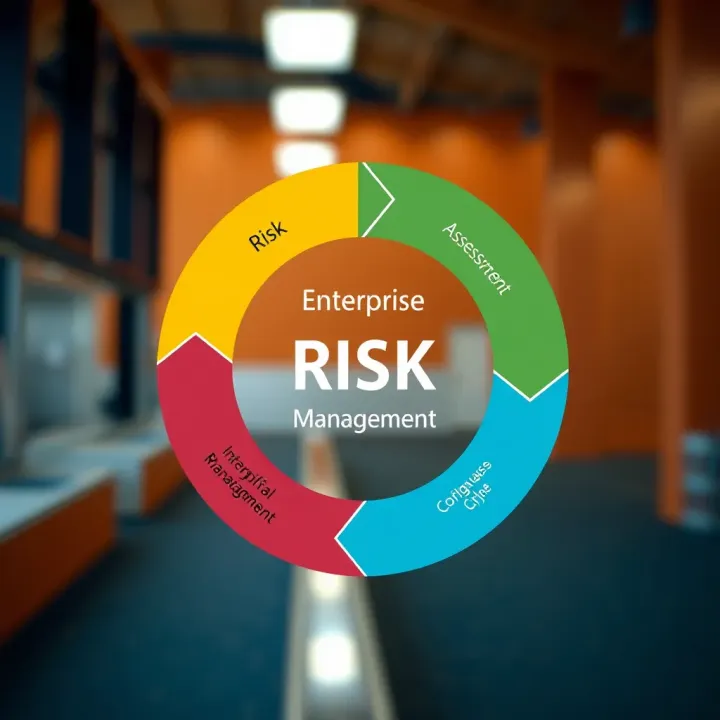
Explore how Enterprise Risk Management (ERM) helps Kenyan businesses identify, assess, and manage risks to safeguard operations and support strategy 📊🔍

Explore practical disaster risk management in Kenya 🌍. Learn about common disasters, prevention, preparedness, and key stakeholder roles to reduce impacts.
Based on 9 reviews