
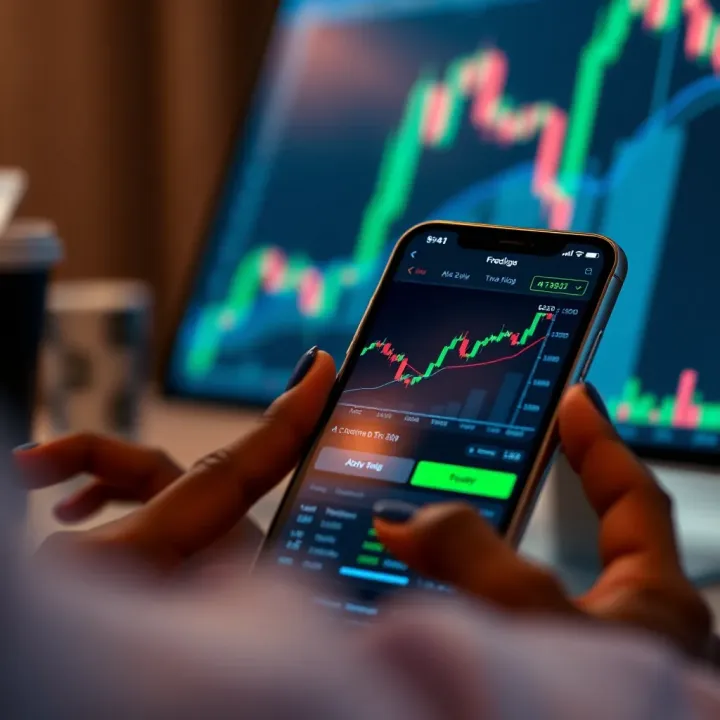
Beginner's Guide to Forex Trading Apps in Kenya
📱 New to forex in Kenya? Learn how to pick the best trading apps, avoid common mistakes, and start trading confidently with practical, beginner-friendly tips!
Edited By
Sophie Harrison
Forex trading, also known simply as forex or FX, means buying and selling currencies to profit from changes in their value. For many Kenyans, forex trading offers a chance to engage with global markets right from their homes using just a laptop or mobile phone. However, diving straight into trading without a solid understanding can quickly lead to losses.
The forex market is the largest financial market worldwide, with daily trades exceeding $6 trillion. It runs 24 hours from Monday to Friday, allowing Kenyan traders to operate during local business hours or at night. Popular currencies include the US Dollar (USD), Euro (EUR), British Pound (GBP), and the Japanese Yen (JPY), but pairs involving the Kenyan Shilling (KES) or other African currencies can also be traded through specific brokers.
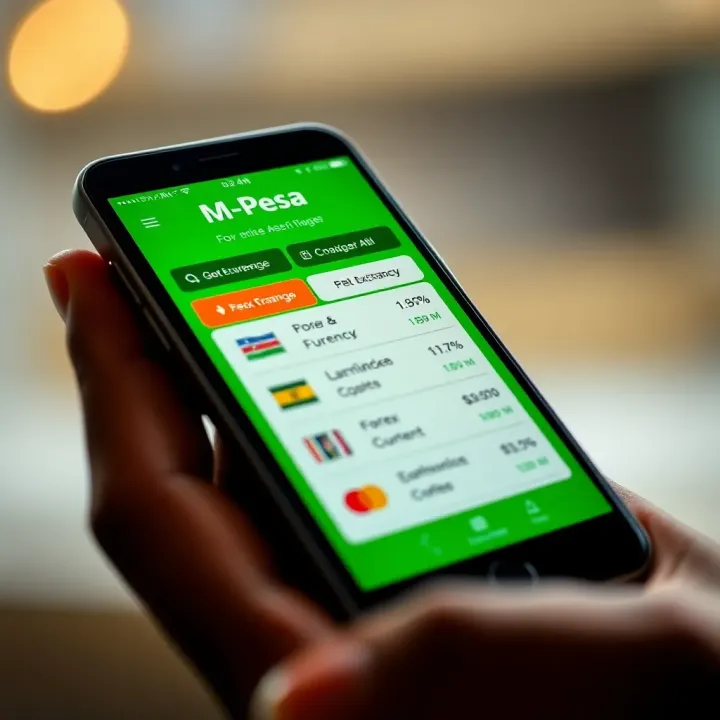
Knowing how to start properly is vital to avoid common pitfalls. You will need a reliable forex broker regulated to operate legally and securely, such as those licensed by the Capital Markets Authority (CMA) in Kenya or internationally recognised authorities like the Financial Conduct Authority (FCA) in the UK. Choosing a platform that supports easy deposits via M-Pesa or bank transfers streamlines money management.
Understanding market basics comes first: price charts, bid and ask prices, and spreads. Then, focus on essential strategies like trend following or breakout trading, which fit beginners well. Risk management should be at the core; never risk more than a small percentage of your trading capital on one trade.
Starting forex trading is not a lottery – it requires learning, discipline, and patience. Aim to build skills steadily before increasing investment.
Here’s a simple checklist to get you moving:
Open and verify a forex trading account with a regulated broker.
Fund your account using M-Pesa or local bank methods.
Learn key currency pairs and how global events affect them.
Practice with a demo account to familiarise yourself without risking real money.
Start trading small, track your results, and adjust strategies accordingly.
By following these steps, you can begin your forex trading journey with confidence and reduce unnecessary risks. It’s not about quick riches but steady progress and informed decisions.
Before you start trading forex, it's wise to get a firm grasp of the basics. This foundation helps you understand how currency markets work and why prices move, making your trading decisions more informed and less guesswork. Consider a trader in Nairobi focusing on the US dollar and Kenyan shilling (USD/KES) pair: understanding where and how this market operates can make all the difference.
Forex trading involves buying and selling currencies. The main goal is to profit from changes in exchange rates by exchanging one currency for another. For instance, if you expect the US dollar to strengthen against the Kenyan shilling, you might buy USD/KES, hoping its value will rise so you can sell it later at a profit.
Forex trading is also essential for businesses and governments to facilitate international trade and investments. A local exporter might use forex markets to hedge against currency fluctuations when receiving payments in foreign currencies.
The forex market operates 24 hours a day across the globe. Unlike stock markets that close at certain hours, forex stays open from Monday morning in Asia to Friday evening in New York. This continuous operation means price moves can happen anytime, and knowing when key sessions are open helps you time your trades better.
Some currency pairs attract more attention and volume than others. For Kenyan traders, pairs like USD/KES, EUR/USD (euro to US dollar), and GBP/USD (British pound to US dollar) are popular due to Kenya's trade links with the US and Europe. These pairs typically experience higher liquidity and tighter spreads, which can reduce trading costs.
The forex day is divided into different trading sessions based on major financial centres: Tokyo (Asian session), London (European session), and New York (US session). These sessions overlap at certain times, often resulting in increased volatility and trading opportunities. For example, the London-New York overlap between 3 pm to 6 pm Nairobi time is usually the liveliest period in the market.
Understanding these market hours guides you on when to trade or step back, depending on how active you want your trading to be. For instance, a beginner might avoid late-night trades during low liquidity periods to prevent unexpected price swings.
Knowing the basics of forex trading—including what it is, the main currency pairs relevant to you, and when markets are most active—lays the groundwork for becoming a confident trader in Kenya's dynamic trading environment.
Forex is about swapping currencies to profit from their price changes.
The market never really sleeps and is run across global financial centres.
Key currency pairs for Kenyans include USD/KES, EUR/USD, and GBP/USD.
Major market sessions influence when and how prices move.
This understanding helps avoid jumping into trades blindly and instead allows you to position yourself smartly within the global marketplace.
Choosing the right forex broker is a key step for anyone starting forex trading in Kenya. The broker acts as the middleman between you and the forex market, so picking one carefully affects your trading experience, costs, and security. A local or well-established broker with Kenyan-friendly services makes deposits, withdrawals, and communication smoother.
A credible broker should be licensed by a recognised financial body. In Kenya, regulation by the Capital Markets Authority (CMA) or oversight from Kenya’s Central Bank adds trust. Regulated brokers must follow rules that protect your funds and ensure fair trading. Avoid brokers operating without licences as they pose higher risks of fraud or unfair practices.
For example, a CMA-regulated broker is required to keep client funds separate from their own, reducing your risk if the brokerage runs into trouble. This practical protection is vital, especially for beginners who might not have the resources to recover lost money.
The platform is where you perform all your trades and analysis. Common platforms include MetaTrader 4 and 5, which are popular due to their user-friendly interfaces and powerful tools. You should look for platforms that work well on mobiles and desktops, since many Kenyan traders rely on smartphones.

Tools like real-time charts, technical indicators, and economic calendars help you make informed decisions. For instance, having quick access to the Relative Strength Index (RSI) or moving averages can help you spot trends early. A good broker should also provide educational resources and demo accounts to practice without risking your cash.
Brokers usually offer various account types to suit different traders. Beginner-friendly accounts tend to have low minimum deposits, sometimes as low as KSh 1,000, which is ideal if you want to start small. Some accounts come with fixed spreads, while others offer variable spreads depending on market conditions.
Know what each account offers regarding leverage, commissions, and access to different markets. This helps you pick an account that matches your risk appetite and trading goals without overstretching your funds.
Given how central M-Pesa is to Kenya’s financial system, choosing a broker that supports M-Pesa or other mobile money options for deposits and withdrawals simplifies transactions. It’s faster and more familiar compared to international bank transfers.
This local payment integration reduces delays and extra fees, making funding your account and cashing out straightforward. Some brokers also support bank transfers and card payments, but M-Pesa remains a favourite among Kenyan traders for convenience.
Good customer support can save you from frustration when issues arise. Brokers with customer service available during Kenyan working hours, and who speak Swahili or English clearly, are worth prioritising.
Quick, responsive support helps you solve technical glitches or account questions promptly. Some brokers even offer live chat and WhatsApp support, which are handy for traders who prefer instant messaging over emails. Being able to communicate easily boosts confidence, especially if you’re new to forex.
Selecting a reliable broker with proper regulation, accessible payment methods like M-Pesa, and responsive local support builds a solid foundation for your forex trading experience in Kenya.
By focusing on these practical features, you'll navigate the forex market with more security and convenience, helping to grow your trading skills safely.
Starting forex trading without some basic strategies is like stepping into the matatu stage without knowing the route. Having clear trading strategies helps you navigate the forex market with confidence, reducing guesswork and potential losses. For beginners in Kenya, understanding these trading methods isn’t just theoretical — it gives practical tools to handle daily market moves and build solid trading habits.
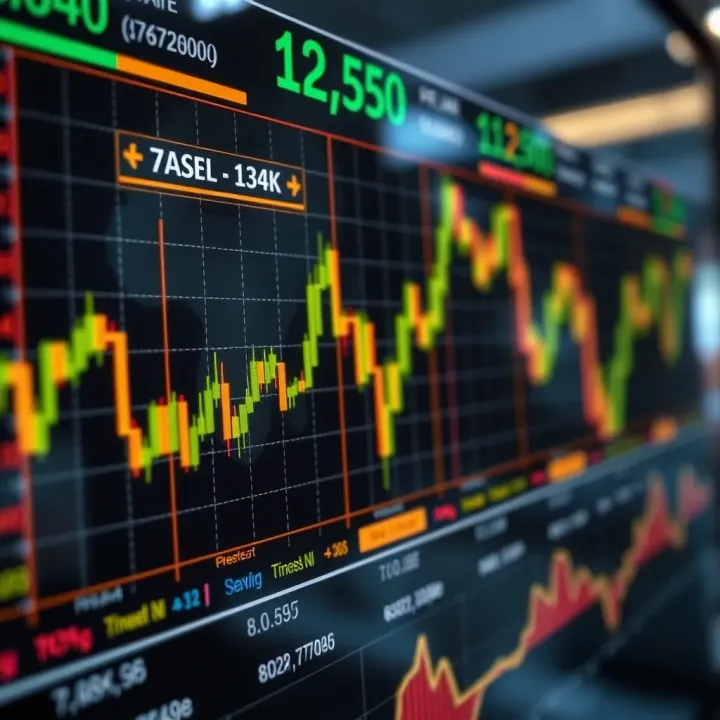
Charts are the trader’s map in forex. They show how currency prices have moved over time, highlighting trends and patterns. For instance, if the USD/KES pair keeps rising steadily for days, it indicates a bullish trend — traders might consider buying, expecting the trend to hold. Spotting trends early means you can enter or exit trades at better prices, reducing risk.
Beginners should start with simple chart types, like line charts or bar charts, before moving to more complex candlestick charts. Understanding if a currency is trending upwards, downwards, or moving sideways helps decide your next move rather than trading blindly.
Indicators provide extra hints beyond just price movements. The moving average smooths out price data to reveal the overall direction. For example, if the 50-day moving average of EUR/USD crosses above the 200-day moving average on your chart, traders often see this as a buying signal known as a “golden cross.”
The Relative Strength Index (RSI) measures how overbought or oversold a currency pair is. If the RSI reading is above 70, it could mean the currency is overbought, an opportunity to sell; below 30 suggests oversold conditions, a possible buy signal. These tools help you time your trades better, avoiding entering when prices are stretched too far.
Currencies respond to real-world economic changes. For Kenyan traders, knowing key economic reports like US Non-Farm Payrolls or China’s GDP growth can be a big advantage. For example, strong US jobs data often strengthens the US dollar, affecting USD/KES movements.
Interest rates set by central banks like Kenya’s CBK or the US Federal Reserve influence forex too. Higher rates tend to attract foreign investors seeking better returns, boosting the currency. Tracking these indicators gives you the broader economic story behind price moves rather than relying only on charts.
Political news, trade deals, or unexpected crises can cause swift currency swings. A surprise decision by Kenya’s government on taxation or a major trade announcement in the East African Community can impact the Kenyan shilling.
Traders who follow economic calendars and stay updated can avoid being caught off guard. For example, if Kenya announces a new budget with increased infrastructure spending, it could strengthen the shilling due to expected economic growth.
Staying aware of news events and economic indicators helps you anticipate and react to market movements effectively.
Day trading involves making quick trades that open and close within a single session to capture small price changes. This suits those who can monitor markets closely during Nairobi daytime hours. Swing trading, however, holds positions for days or weeks, aiming to profit from broader price trends.
If your schedule is tight but you want less stress from constant monitoring, swing trading might be better. On the other hand, if you enjoy active engagement and can dedicate time during peak trading sessions (like London or New York), day trading may fit your style.
Managing losses is critical. A stop-loss order automatically closes your trade once it hits a certain loss level, preventing runaway losses. Imagine you bought GBP/USD at 1.3000; setting a stop-loss at 1.2900 limits your loss to 100 pips if the price falls.
Conversely, take-profit orders close trades once they reach a desired profit level. This locks in gains without having to watch the market constantly. Using these orders wisely guards your capital and helps stick to your trading plan without getting carried away by emotions.
In summary, mastering basic strategies like reading charts, watching economic news, and controlling risks with stop-loss orders helps Kenyan beginners trade forex with a safer and clearer approach.
Managing risks is one of the most important aspects of forex trading, especially for beginners. The forex market can be quite volatile, and without proper control over risks, traders can lose more money than they anticipated. Protecting your capital ensures that you stay in the game longer and have enough funds to learn from your experiences. This section looks at how you can effectively manage risk through understanding leverage, setting realistic expectations, and establishing clear loss limits.
Leverage allows you to control a larger position with a comparatively small amount of your own money, known as the margin. For example, if a broker offers 100:1 leverage, you can trade KSh 100,000 worth of currency with just KSh 1,000 in your account. This might sound like a good way to multiply profits quickly, but it also means your losses multiply at the same rate.
In practical terms, leverage lets you enter trades that would otherwise be out of reach, but it requires caution. For instance, a 1% adverse move on a currency pair when using 100:1 leverage wipes out your entire margin in that trade. That’s why it’s vital to understand not just how leverage works, but also how much you should use based on your risk appetite and experience.
High leverage amplifies potential profits but also magnifies losses. Many beginners fall into the trap of chasing big gains with maximum leverage, which often leads to rapid losses. Without careful risk management, a sudden market move—like unexpected news or economic data—can trigger margin calls and wipe out your account.
A good trading plan includes knowing your risk-to-reward ratio. This ratio compares the potential profit to the potential loss for every trade. For example, a 1:3 risk-to-reward ratio means you aim to make three units of profit for every one unit you risk. If your losses are smaller than your wins on average, even a few successful trades can keep you in profit over time.
Setting realistic expectations means understanding that losses are part of trading. Don't expect to win every trade or become rich quickly. Instead, focus on consistent, manageable gains. This mindset helps avoid reckless decisions driven by emotion or overconfidence.
Another important risk control tool is setting daily or weekly loss limits. Decide in advance the maximum amount of KSh you can afford to lose in a session and stop trading once you hit that limit. For example, if you set a daily loss limit of KSh 2,000, you protect your capital from further damage and keep yourself disciplined. This habit keeps you grounded, especially on days when market conditions are unfavourable or emotions run high.
Effective risk management isn’t about avoiding losses completely but about controlling them so you can trade another day. Protect your capital first, then aim for steady growth.
By understanding leverage responsibly and setting practical limits, you reduce the chances of blowing your trading account fast. Managing these risks wisely sets the foundation for long-term success in forex trading in Kenya.
Starting forex trading in Kenya means more than just opening an account; it's about setting a solid base for your future trades. This stage is where you transition from learning theory to applying real strategies, using local tools and regulations that fit our market. Understanding the steps to open an account, how to try out trading through demo accounts, and safely moving into live trading will shape your success and protect your capital.
The first step is to register with a forex broker licensed to operate in Kenya or internationally recognised for trust and security. Registration usually requires submitting personal details like name, address, phone number, and proof of identity (often a national ID or passport). Verifying your identity helps prevent fraud and complies with Kenya’s anti-money laundering laws. For example, brokers often ask for scanned copies of your ID and a recent utility bill to confirm your residence.
Once verified, you need to fund your trading account. Kenyan traders benefit from brokers that accept M-Pesa due to its convenience and wide availability. You can also use bank transfers, which are secure but may take longer. For instance, if you fund your account through M-Pesa, the deposit reflects almost immediately, giving you quick access to start trading. Some brokers also support local banks like KCB and Equity Bank for direct deposits.
Trying out demo trading accounts before risking real money is a must. Demo accounts use virtual funds so you can practise without financial loss, which helps build your confidence and understand market behaviour. Many Kenyan beginners treat demo trading like a rehearsal – it lets you make mistakes, learn how to use tools, and develop strategies before going live.
To get the most from demo accounts, simulate actual trading conditions: set stop-loss orders, use real-time charts, and treat it like your real money is at stake. Practising regularly helps you spot patterns and manage emotions, which are big challenges in live trading. Brokers like AvaTrade and FXTM offer demo accounts that reflect real market conditions closely.
Moving to live trading should always be gradual. Start with small investments you can afford to lose as you adjust to the real market’s ups and downs. For example, if you begin with KSh 5,000, you learn how price changes impact your capital without risking all your savings.
Keep a detailed trading journal to track wins, losses, and lessons. This habit fine-tunes your approach and helps avoid repeating mistakes. Continual learning from each trade sharpens your skills and improves decision-making. Kenyan traders often review global economic news daily to anticipate currency moves and adjust their positions accordingly.
Opening an account, practising on a demo platform, and carefully stepping into live trading using local options like M-Pesa form the backbone of starting forex trading effectively in Kenya.
Taking these steps methodically equips you with the tools and experience needed to navigate the forex market confidently and sustainably.
📱 New to forex in Kenya? Learn how to pick the best trading apps, avoid common mistakes, and start trading confidently with practical, beginner-friendly tips!
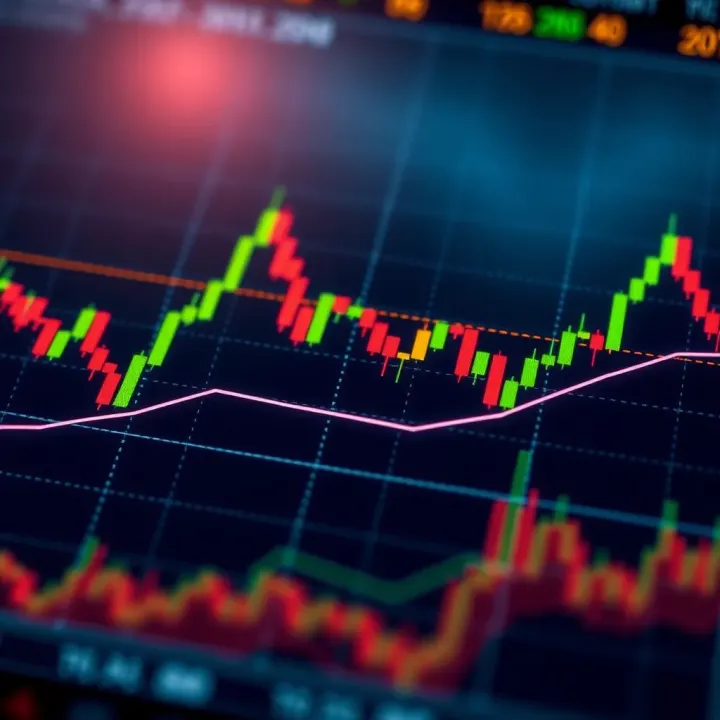
📊 Discover how to read forex trading charts, identify patterns, and use technical indicators effectively to make smarter currency trades in Kenya’s market.
Explore top forex trading companies in Kenya 🇰🇪, learn about regulation, broker reliability, services, and key tips to pick the right one for you 📈💼.
Learn forex trading basics in Kenya 🇰🇪: market operation, key terms, trading strategies, risk management, and tools to start with confidence 💹💡.
Based on 9 reviews