
Best Forex Trading Apps for Kenya: How to Choose and Use Them
📱 Discover how to pick the best forex trading app in Kenya, learn key features, stay secure, and trade smarter with local insights and tips. 🇰🇪💹
Edited By
Oliver Reed
In Kenya, forex trading has steadily gained traction among investors and traders looking to tap into global financial markets. With mobile technology becoming pervasive, forex trading apps now offer a convenient window to trade right from your phone, anytime and anywhere. But choosing the right app isn't always straightforward — there are dozens available, each with different features, fees, and security measures.
This guide aims to cut through the noise by focusing on the practical steps traders in Kenya should take when selecting and using forex trading apps. You’ll learn how to spot trustworthy platforms, understand key tools and data displays, assess costs involved, and make the most out of your mobile trading experience.
Understanding the ins and outs of these apps is crucial because a poorly chosen platform can lead to lost opportunities or worse, security risks. On the flip side, a solid forex trading app can streamline your trades, give you real-time insights, and even help you manage risks better.
In the sections ahead, we will cover the main features to look for, profile popular apps tailored to Kenyan traders, and share tips on how to optimize your trading strategy on mobile devices. Whether you’re a newbie or an experienced trader looking to switch, the insights here aim to give you confidence and clarity in your forex app choice.
Grasping how forex trading apps work is essential for anyone serious about trading currency pairs, especially in Kenya where mobile internet use is on the rise. These apps aren't just convenient tools; they shape the way traders access markets, analyze data, and execute trades. Getting a clear picture of their capabilities and potential pitfalls can save you a lot of hassle and even money down the line.
Forex trading apps are software applications designed for mobile devices that let you buy and sell foreign currencies. They serve as your portable trading desk that fits right in your pocket. These apps provide market information like currency prices, charts, and news updates, alongside features to open and close trade positions. For example, an app like MetaTrader 4 Mobile allows traders to view live quotes and execute trades no matter where they are, which is ideal if you're catching market movements on the go.
The primary purpose? To simplify the complicated world of forex trading into actionable steps, offering real-time data that helps you make decisions quickly. Besides placing orders, they also typically include risk management tools such as stop-loss and take-profit settings, which are vital for keeping control over your investments.
While desktop platforms like MetaTrader 5 or cTrader offer an extensive range of features with the power of a full workstation, mobile forex apps prioritize convenience and speed. Desktop versions often accommodate more advanced charting tools, expert advisors (automated trading bots), and faster processing speeds due to better hardware.
Mobile apps, on the other hand, are optimized for smaller screens and touch controls. They usually strip down non-essential features to keep things running smoothly on smartphones. This means some advanced analysis tools available on a desktop might not be present or fully functional on mobile versions. However, the advantage is obvious: you can keep tabs on your trades anywhere, even waiting for a boda boda while sipping chai.
One of the biggest draws of mobile forex apps is their accessibility. In Kenya, where mobile usage is widespread, these apps let traders log in anywhere with an internet connection, whether they're at a matatu stage or chilling at a cousin’s place in Nakuru. You’re not chained to a desk or bulky laptop.
This convenience means you won't miss trading opportunities just because you’re away from your computer. Apps like IQ Option or XM Mobile are designed for quick load times and simple navigation, allowing fast entry to the market even during short breaks.
Forex markets move fast, and missing timely information can turn profits into losses. Mobile apps provide real-time charts and price feeds, so traders can keep a close watch on currency fluctuations by the second. This feature is especially helpful during volatile times, such as when Kenya's Central Bank releases monetary policy statements or during major global events.
Being able to monitor live data from your phone means you can react quickly to trends or unexpected dips without being glued to your desktop.
Mobile trading apps streamline the process of execution, often reducing delays caused by switching devices or internet lag. In forex trading, seconds can make the difference between a profitable trade and a missed chance.
Apps connected to reliable brokers like Pepperstone or HotForex offer swift order processing and confirmation alerts that keep you updated on whether your trade has gone through successfully. For example, Kenyan traders appreciate platforms with one-tap trading features, which speed up entering or exiting trades under fluctuating market conditions.
Trading on the go isn't just about convenience—it can be a strategic advantage when the market moves quickly. Mobile forex apps put that power in your hand, literally.
When it comes to trading forex on your phone, the app you pick is as important as the strategies you use. The right app can make your experience smoother and more efficient, especially in a fast-paced market like forex. Key features are not just bells and whistles; they’re the backbone of how well you can navigate trades, analyze data, and manage risk. For Kenyan traders, where mobile access is often the primary trading avenue, these features are crucial.
The app should closely resemble a well-organized market stall rather than a cluttered bunker. When you open the app, you want to easily find where to place trades, check your portfolio, or review market news without hunting around or getting overwhelmed. A clean layout with intuitive menus helps prevent costly mistakes like placing the wrong trade or missing timely opportunities. For example, apps like MetaTrader 4 have simple tabbed navigation, letting users toggle between charts, orders, and account info swiftly.
No two traders are alike, and your app should respect that. Being able to set up your dashboard to highlight what matters most — whether it’s real-time price alerts, specific currency pairs, or news feeds — means you’re trading from a platform tailored to your style. Some apps let you resize charts, select themes (like dark mode for night owls), or rearrange tools. Custom alerts on apps like XM are a handy way for traders in Nairobi or Mombasa to catch market moves without staring at their screens all day.
Charts tell stories — if you have the right tools to read them. A solid forex app should offer a toolbox full of indicators like Moving Averages, Bollinger Bands, and Relative Strength Index (RSI), alongside drawing options to sketch trendlines or mark support and resistance zones. These features help transform raw data into actionable insights. For instance, Adele, a day trader in Kisumu, finds that apps like ForexTime (FXTM) deliver robust charting tools directly on her phone, making it easier to spot entry and exit points on the go.
Market volatility waits for no one. Receiving the latest price ticks and news updates in real-time keeps you in the loop and ready to act quickly. An app that lags even for a few seconds can mean missing a prime trade or getting caught in a bad one. Look for apps that emphasize fast feeds, like the IG Trading app, which supports live streaming of prices and economic news flashes.
Different trading strategies require different types of orders to control risk and seize profits. Your app should at least offer market, limit, and stop orders. Some apps go further by including trailing stops or one-cancels-other (OCO) orders, which are useful to limit losses automatically or lock in profits as prices move. Kenyan traders particularly appreciate such features in volatile sessions when they can't constantly monitor their screens.
Executing trades without unnecessary delays is a big deal. If an app often hiccups or crashes during peak Forex hours, that can mean money lost. Apps linked with reputable brokers like Exness or Alpari Kenya usually guarantee solid server uptime and fast order processing. Think of it like buying fresh produce: you don’t want to wait so long that your vegetables start wilting.
Not everyone starts as a pro, and even experienced traders appreciate reminders and learning tools. Apps that offer in-built tutorials on how to use features, along with basic forex concepts, provide ongoing value. These can come as short videos, interactive lessons, or quick tips. For example, the MetaTrader 5 app has tutorial sections that help traders refresh their skills without going elsewhere.
When you hit a snag, quick and effective customer service matters. Top trading apps provide multiple support channels—chatbots, email support, phone lines, or even WhatsApp support tailored to Kenyan users. Swift assistance can save you from costly mistakes or app issues, making those difficult moments a bit less stressful.
Choosing a forex trading app with the right features is like picking the proper toolkit for a job: the better the tools, the better the results. For Kenyan traders, balancing ease of use with powerful features can mean the difference between stress and success on the forex market.
When it comes to trading forex, especially through mobile apps, security isn’t just a feature—it’s a must. Traders in Kenya need to be extra cautious since mobile devices can be vulnerable to various threats, from phishing scams to data breaches. Assessing the security and trustworthiness of a forex trading app protects your money and personal information. It also gives confidence that the broker operates within legal boundaries, minimizing chances of fraud or sudden shutdowns.
Security features aren’t just technical stuff; they’re the backbone of smooth and safe trading. For instance, a reputable app won’t leave you hanging if something goes wrong—they’ll have clear protocols and customer support ready. Before jumping in, understanding these security basics helps avoid costly mistakes.
Trading with a broker that’s regulated is like having a seatbelt while driving. It may seem like an extra step, but it can save you from big trouble. Regulated brokers follow strict rules to protect traders, such as keeping client funds separate from company money. This means your deposits have a safety net even if the broker faces financial trouble.
In Kenya, while the forex market is still developing, brokers regulated by internationally recognized entities like the Financial Conduct Authority (FCA), Cyprus Securities and Exchange Commission (CySEC), or Australia’s ASIC tend to be more trustworthy. These regulators enforce transparency and fairness, ensuring brokers meet minimum capital requirements and operate with integrity.
For example, IG Markets and XM are widely recognized brokers with strong regulatory oversight, making them preferred choices in many countries including Kenya. Always ask:
Is the broker listed with a reputable regulator?
Can I verify their license number on the regulator’s official site?
This step weeds out many fly-by-night operators who might lure traders with flashy promises but disappear when withdrawals are requested.
Apart from global regulators, you’ll want to check local credentials. The Capital Markets Authority (CMA) in Kenya is the official body overseeing investment activities. While forex trading isn't yet fully regulated under CMA, brokers aiming to serve Kenyans must often comply with certain guidelines and show transparency.
Look for brokers that explicitly mention compliance with CMA standards or have some presence in Kenya, like local offices or customer service. They might not be fully regulated locally yet, but a commitment to local laws indicates a higher level of trustworthiness.
Moreover, some brokers partner with Kenyan banks or mobile money services (like M-Pesa) for deposits and withdrawals, which is a good sign they understand and respect the local financial ecosystem.
When you enter your login details or transfer funds, you want to be sure no eavesdropper grabs that info. Strong encryption standards like SSL (Secure Socket Layer) or TLS (Transport Layer Security) are essential. These protocols encode data so it travels as gibberish to anyone trying to intercept it.
A simple way to check: Most trusted forex apps will clearly state their encryption measures in the app description or on their website. For instance, apps from MetaTrader 4 or MetaTrader 5 platforms typically use 256-bit SSL encryption, the same level banks utilize.
Besides encryption, check if the app regularly undergoes security audits by third-party firms. Those audits reveal vulnerabilities before hackers do, keeping your trading environment safer.
Passwords alone can’t always cut it. Good forex apps offer multi-factor authentication (MFA), which means after you type your password, the app asks for an extra code from your phone or a biometric scan like fingerprint or face ID.
This second layer saves you from a lot of headaches if someone steals your password. Kenyan traders should especially value this because mobile devices often get shared or lost.
Besides MFA, some apps let you set limits on login attempts or notify you each time there’s a new device accessing your account. These features provide extra peace of mind.
Remember: Always keep your app updated. Developers patch security holes regularly, and running outdated versions puts your info at risk.
In short, when picking forex trading apps in Kenya, don’t just look at flashy features or low fees. Dive deeper into how secure and regulated the broker is. This focus will help you trade with confidence, knowing your money and personal data are in safe hands.
Choosing the right forex trading app can make all the difference in how smoothly your trades go and how well you manage risk. In Kenya, the rising interest in forex trading has led to a variety of apps tailored to different skill levels and trading styles. Understanding which apps are popular and why helps traders pick one that fits their needs without getting overwhelmed by options.
Popular forex apps in Kenya offer various benefits – from easy access to live rates to integrated educational tools – that can boost both confidence and efficiency. However, not every app suits every trader. From beginners needing guiding handholds to seasoned pros requiring advanced analytics, the choice needs careful thinking.
Apps for newcomers focus on simplicity and support. They often have intuitive interfaces designed to minimize hassle and prevent serious mistakes. Features like easy navigation, guided tutorials, and demo accounts give beginners a chance to learn on the fly without risking real money. Automation features like preset take-profit or stop-loss orders protect novice traders against emotional decisions.
Clear, simple layouts reduce confusion and encourage regular use.
Step-by-step tutorials and in-app tips explain trading fundamentals.
Demo trading options let users try strategies risk-free before going live.
Customer support readily available via chat or call to answer newbie questions.
Binance: Known primarily for crypto, Binance offers forex trading with a straightforward interface, plus educational articles for beginners.
XM Forex App: Packs lots of guides and daily market analysis, which helps novices grasp market dynamics easily.
FXTM (ForexTime): Offers demo accounts, free webinars, and 24/5 multilingual support, making it friendly for newbies in Kenya.
Experienced traders usually want apps loaded with analytics tools and fast execution. They look for a platform that supports complex strategies like scalping or hedging, providing detailed charts, multiple technical indicators, and customizable alerts. Speed and reliability of trade execution are top priorities, as a second’s delay can mean the difference between profit and loss.
Comprehensive charting software with dozens of indicators to spot trends and reversals.
Automated trading features like Expert Advisors (EAs) or algorithmic scripts to execute trades.
Depth-of-market (DOM) views to assess liquidity and order flow.
Multi-asset trading capabilities to diversify risk across forex, commodities, and indices.
MetaTrader 4 (MT4) and MetaTrader 5 (MT5): These global favourites deliver powerful analytics, customizable bots, and instant order execution.
ThinkMarkets: Loved for its advanced charting tools and low latencies, ideal for active Kenyan traders.
IG Group: Offers enhanced risk management features and access to over 80 forex pairs, appealing to pros looking for variety.
Picking the right app boils down to knowing your trading style and the features that complement it best. Beginners should seek simplicity and support, while experienced traders need robust analytics and execution speed.
Choosing the right forex app in Kenya isn't just about popularity; it’s about fit and function that align with your trading goals. Trying out free demos or trial versions before committing real money can save you headaches down the road.
Picking out the perfect forex trading app can be a bit like picking shoes—you want something that fits well, suits your style, and won’t give you blisters down the road. In Kenya's fast-growing forex market, choosing the right app means balancing convenience, cost, and features that sync up with your trading habits. This isn't just about finding the flashiest app. It's about practicality—does it align with the way you trade, fit into your budget, and support you when market swings get wild? Below, we break down the key points to consider so you don’t end up stuck with an app that feels like a bad fit.
Your trading style acts like a compass guiding the kind of app that'll work best for you.
Scalping, Day Trading, or Long-Term: These are three popular styles that demand different app features. Scalpers look for lightning-fast trade execution and tight spreads because they enter and exit trades within minutes or even seconds. Day traders need real-time data and quick order types to catch daily market moves. Long-term traders, meanwhile, aren't too bothered about split-second timing but want robust charting tools and reliable signals to track trends over weeks or months. For example, an app like MetaTrader 4 offers fast execution and advanced charts fitting both scalpers and day traders, whereas something simpler with automated alerts might suit long-term traders better.
Matching App Features to Strategy: Once you know your style, find an app that backs it up. If you're a scalper, low latency and the ability to place stop-loss orders fast is crucial. Day traders benefit from customizable charts and instant notifications on market news; long-term players want strong analytical tools and easy portfolio tracking. Make a checklist: Does the app support multiple order types? Can you customize your interface? Does it send push notifications for price alerts? These features ensure your trading rhythm isn't interrupted by clunky interfaces or missing functions.
Tailoring an app to your trading style is like fine-tuning an engine—it can boost your chances of success, or if ignored, slow you down.
Costs can quietly eat away at your profits if you’re not careful.
Commission and Spreads: Keep an eye on commission charges and the spreads—the difference between the buying and selling price. Some apps advertise zero commissions but make up for it with wider spreads. Others offer tight spreads but charge fixed commissions per trade. For example, FXTM and Exness provide competitive spreads suitable for Kenyan traders, but it’s wise to compare how fees stack up alongside execution speed.
Hidden Charges: Beyond obvious fees, watch out for hidden costs like withdrawal fees, inactivity charges, or data feed charges. An app might seem affordable upfront but surprise you with unexpected deductions. Always read the fine print or ask customer service directly. Transparency around these costs is vital for managing your trading budget efficiently.
Even the best apps aren’t foolproof; when things go sideways, support is your safety net.
Availability of Support: Does the broker behind the app offer 24/7 customer service, or only limited working hours? For busy traders, timely assistance can prevent small issues from snowballing. Apps like IG and Pepperstone are known for strong support teams reachable through chat, phone, or email.
Language and Accessibility Considerations: In Kenya, Swahili and English are widely spoken, so find platforms offering support in these languages if that’s a preference. Also, consider whether the app works well on lower-end smartphones or with limited internet speeds common in some areas. An easy-to-navigate app interface paired with accessible support can keep the trading experience smooth even when tech or language barriers pop up.
Choosing the right forex app is more than ticking boxes—it’s about finding the one that becomes a reliable partner for your unique trading approach and needs. When you consider trading style, costs, and support side-by-side, your chances of picking a tool that helps rather than hinders go way up.
Making the most out of forex trading apps goes beyond just picking the right platform. Optimizing your experience means setting yourself up for smooth trading days with minimal hiccups—whether it’s connectivity, app updates, or learning the ropes in a no-risk environment. Especially for traders in Kenya, where mobile trading is popular but can face unique challenges like network fluctuations or data costs, getting these pieces right can make or break your success.
Reliable internet isn't just a convenience—it's practically the lifeline of mobile trading. A shaky connection can lead to delayed order execution, missed market moves, or worse, partial trades that leave you exposed.
Kenya has several mobile network providers like Safaricom, Airtel, and Telkom offering 4G coverage in major cities and towns. However, network strength varies, especially outside urban areas. For traders, sticking to providers known for good coverage in your area is key. For example, in Nairobi, Safaricom tends to provide the fastest and most stable service. If you notice your trades lag or app data stalls, switching to a more reliable network or using Wi-Fi where possible can keep your trades timely.
Some traders keep two SIM cards from different providers to ensure backup connectivity. When one network dips, the other can keep you plugged in.
Data charges can creep up quickly, and trading apps often consume more than you might think due to live charts and real-time updates. Keeping an eye on your data use helps avoid nasty surprises in your mobile bill.
Here’s a practical approach:
Use Wi-Fi for heavy activity like reviewing charts or research whenever possible.
Disable auto-download of updates and charts when using mobile data.
Many forex apps let you set how frequently data refreshes—stretching this interval can save data without sacrificing live info entirely.
A balanced data plan from providers like Safaricom’s "Simba Data" bundles or Airtel’s affordable data packages can be a good middle ground for active traders.
Keeping your trading app both updated and secure isn’t just a matter of convenience—it actively protects you from bugs, vulnerabilities, and even cyberattacks.
App updates usually bring two main things: fixes for known bugs and enhancements that improve performance. Ignoring updates means you might miss out on better features or faster trade execution, not to mention security patches that protect your account.
For example, MT4 and MT5 regularly release updates that improve charting tools and speed up trade confirmations. Setting your phone to automatically update apps when connected to Wi-Fi can help you stay current without fuss.
Forex trading apps hold sensitive info—login credentials, bank details, trading history—that must be guarded carefully. Using strong, unique passwords and enabling two-factor authentication where possible is strongly advised.
Keep your phone’s operating system up to date, avoid trading on public or unsecured Wi-Fi, and install reputable antivirus apps. These steps form a solid shield against data theft and malware.
Trading on the move calls for extra vigilance. Your phone is your gateway to the markets—guard it like your wallet.
Before diving into real money trades, demo accounts offer a lifeline for both new and experienced traders.
Demo accounts let you mimic real-market conditions without risking a shilling. If you want to try day trading during volatile events or test a new scalping technique, a demo account can help identify what works and what tanks, without any financial burn.
This hands-on practice is especially valuable in Kenya’s fast-moving forex scene where news like central bank announcements or political developments can quickly shift markets.
Every app has quirks—from placing stop-loss orders to setting alerts or using technical indicators. Demo accounts are the playground to get comfortable, avoiding costly mistakes when you switch to live trading.
For instance, a Kenyan trader using the Olymp Trade app can explore its charting tools extensively on a demo account, getting to know exactly how to execute trades quickly during busy market hours.
Optimizing your experience with forex trading apps is not a one-off task but an ongoing practice. Stable internet, updated software, sound security habits, and thorough practice all combine to give Kenyan traders a leg up in the fast-paced world of mobile forex trading.
Using forex trading apps in Kenya offers tremendous convenience, but it also comes with certain risks that can trip up even seasoned traders. Understanding common pitfalls is essential to protect your capital and maintain a clear head while trading. Apps make it easy to jump in and out of trades, but this accessibility can lead to mistakes like overtrading or falling for unreliable platforms. Being aware of these pitfalls helps you build better habits and choose apps wisely.
One big trap forex traders often fall into is overtrading because the app is always at their fingertips. Going from one trade to the next without a plan burns through your balance quickly and blows up your account margin. To avoid this, set clear daily or weekly trade limits, both in terms of number of trades and budget. Define realistic profit targets to know when to stop. For example, if you’ve made a consistent 3% gain in a day, it might be wiser to pause rather than push for „just one more trade.” Sticking to preset goals encourages discipline and helps manage losses.
Discipline is the backbone of successful trading, especially when using mobile apps. The temptation to chase quick profits or revenge trade after a loss grows with instant market access. Creating trading rules—like only trading during certain hours or avoiding emotional trades—can drastically improve results. Writing down your strategy and reviewing your trades regularly helps keep your approach objective. Just like a sprinter wouldn’t run every race at full speed, a trader should avoid impulsive decisions driven by boredom or frustration.
Before you commit your money to any forex app, it pays to check what other users say. Genuine reviews often highlight critical issues such as withdrawal delays, unexpected fees, or buggy interfaces. Apps like MetaTrader 4 and MetaTrader 5 see trusted reviews on forums and official app stores that reflect their reliability. Don’t just skim the star ratings; dig deeper into comments and responses to spot recurring problems or praise points. For instance, if multiple users in Kenya mention slow customer service, it’s a warning sign worth considering.
Beware of overly glowing reviews that sound too good to be true—they might be fake. Fake reviews often follow patterns: overly positive language, repeated phrases, or lack of specific details. An app with many brand-new accounts posting hype could be suspicious. Cross-check reviews across different platforms and look for balance between positives and negatives. If an app’s feedback is all sunshine and no shade, exercise caution. A healthy mix of honest criticism and praise usually indicates authentic feedback.
Being mindful of these common pitfalls helps traders in Kenya make smarter decisions and avoid costly mistakes. Overtrading drains resources, while ignoring honest user feedback can lead you to unsafe platforms. Approach forex apps with discipline and informed judgment to protect your trades and grow confidently.
📱 Discover how to pick the best forex trading app in Kenya, learn key features, stay secure, and trade smarter with local insights and tips. 🇰🇪💹
Explore the best forex trading apps for Kenyan traders 📱. Compare features, usability, security 🔒, and costs to choose the ideal platform for your needs.
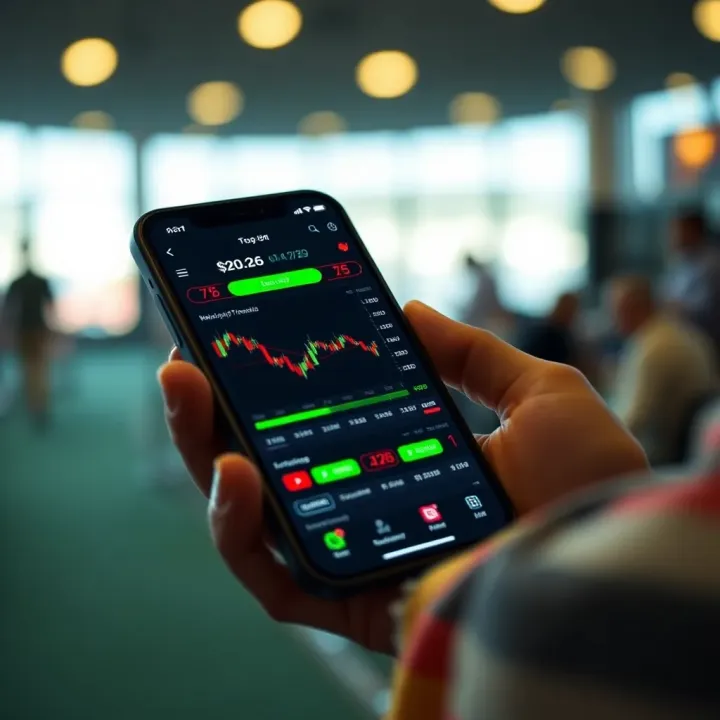
📱 Searching for the best forex trading app in Kenya? Learn how to pick one with top security, user-friendly features, and smart downloads tips for traders.
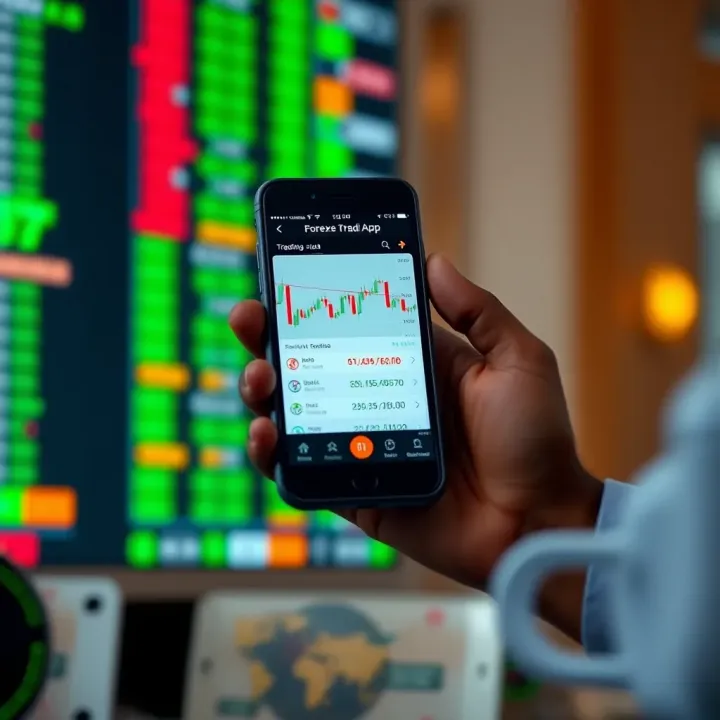
Explore the best forex trading apps in Kenya 📱, learn how to pick secure platforms, understand local rules, and trade confidently on your mobile device.
Based on 14 reviews