

Understanding Enterprise Risk Management
🔍 Explore how Enterprise Risk Management (ERM) helps Kenyan businesses identify, assess, and manage risks effectively for stronger growth and stability.
Edited By
Amelia Foster
Governments hold a key position in managing risks that affect national stability and economic progress. In Kenya, their role goes beyond simply responding to emergencies. They set up systems that identify potential threats early, regulate activities to reduce hazards, and keep the public informed about dangers.
In practical terms, government agencies oversee risks in agriculture by supporting weather forecasts and pest controls through the Kenya Meteorological Department and Ministry of Agriculture. These efforts help farmers anticipate drought or floods that could wipe out crops, protecting food security. Similarly, regulators like the Central Bank of Kenya monitor the financial sector’s stability to avoid shocks that could upset investors and traders.

Governments also make rules that businesses must follow to reduce risks. For example, the Capital Markets Authority (CMA) ensures stock market transparency, helping investors make informed decisions and reducing chances of fraud. This builds trust in Nairobi Securities Exchange (NSE) and attracts more investments.
When crises hit, such as floods or disease outbreaks, government institutions activate emergency response plans. The Kenya Red Cross alongside the National Disaster Operations Centre coordinate aid and manage resources effectively. This quick action limits damage to lives and livelihoods.
Additionally, the government boosts public awareness through campaigns about health, road safety, and disaster preparedness. These initiatives empower communities to act wisely and reduce vulnerability. For instance, public education on COVID-19 protocols helped contain the virus spread.
Risk management by the government involves early warning, regulation, crisis handling, and educating the public — making these steps vital for Kenya's social and economic resilience.
Risk assessment: Gathering data to predict hazards, such as drought patterns or market instability.
Regulation and supervision: Setting rules for sectors like banking, agriculture, and trade.
Crisis response: Mobilising resources during emergencies to reduce harm.
Public awareness: Informing citizens to prevent or minimise risks.
Understanding these roles helps investors, traders, and analysts appreciate how government actions influence Kenya’s economic environment and safeguard communities from potential shocks.
Governments play a vital role in managing risks to safeguard citizens, protect economic interests, and uphold national development. Understanding this purpose is key to appreciating how public policies, regulations, and emergency responses are designed. Risk management within government is not just about reacting to disasters but anticipating potential threats to social and economic stability.
At its core, government risk management centres on public safety and welfare. Governments are tasked with creating environments where citizens can live and work without constant fear of harm from disasters, diseases, or accidents. For instance, Kenya’s Ministry of Health runs vaccination programmes to reduce disease outbreaks, a direct effort to protect public health risks.
This responsibility also extends to setting safety standards in public infrastructure and transport to minimise accidents. For example, the National Transport and Safety Authority (NTSA) enforces regulations on matatu operators to enhance road safety for commuters across the country.
Several risk factors can slow or reverse national development if not well managed. Economic shocks, such as changes in global commodity prices, can affect sectors like agriculture and manufacturing. Kenya’s reliance on tea and coffee exports means that poor market conditions abroad may hurt farmers’ incomes and local businesses.
Environmental risks, including droughts during the long rains season, threaten food security and livelihoods in rural areas. If the government does not address these risks through adequate irrigation projects or drought relief efforts, the country may see increased poverty and slower growth.
Governments manage risks to keep the economy steady. Sudden disruptions—like a disease outbreak or political unrest—can scare off investors and stall business activities. By establishing disaster funds and economic buffers, governments can cushion the impact and maintain investor confidence. For example, during the COVID-19 pandemic, Kenya’s government introduced tax relief measures and financial stimulus packages to support businesses and jobs.
Such actions prevent a domino effect where one crisis spirals into wider economic collapse. Maintaining stability encourages both local entrepreneurs and foreign investors to keep their money in the country.
Government risk management prioritises support for groups most likely to suffer from disasters, such as the elderly, children, and low-income communities. Social safety nets like cash transfers through the National Safety Net Programme help these groups cope with shocks like drought or floods.
In urban areas, informal settlements often face poor drainage and inadequate services, increasing risk during heavy rains. Governments therefore develop targeted upgrading projects and emergency plans to protect these vulnerable populations, recognising that their wellbeing is critical to social stability.
When governments act promptly and transparently to manage risks, they build trust among citizens. This trust is crucial for maintaining order during crises and encourages public cooperation with official measures such as quarantines or evacuations.
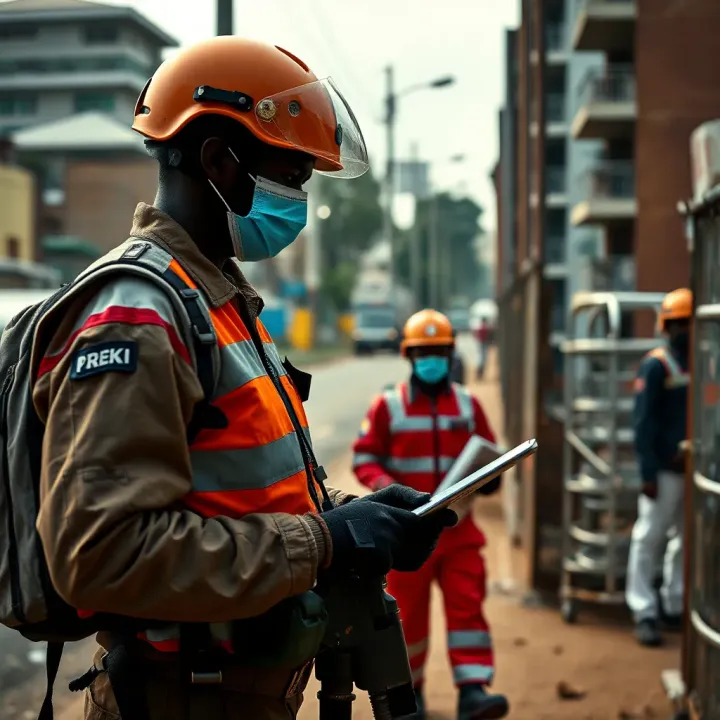
Kenya has seen how mistrust can worsen situations—for example, rumours during election periods have sometimes fueled unrest. Robust risk management strategies that involve clear communication and community engagement help prevent misinformation and maintain calm.
Efficient risk management by governments not only saves lives but also preserves economic momentum and social cohesion across communities.
In sum, understanding the government’s role in risk management reveals how intertwined safety, economic health, and public confidence truly are. These elements must work together smoothly for the nation's steady progress and wellbeing.
Governments play a critical role in assessing risks and putting measures in place to reduce them before they escalate into crises. This function is especially important in Kenya, where diverse challenges such as climate variability, public health threats, and infrastructural vulnerabilities demand proactive strategies. Effective risk assessment and prevention help protect economic activities, safeguard citizens, and maintain national stability.
Developing laws for disaster risk reduction is a core government responsibility. In Kenya, the government enacts legislation that guides how various sectors prepare for and respond to disasters. For instance, the Disaster Risk Management Act of 2019 provides a framework for systematic disaster preparedness, response, and mitigation. By legally mandating risk reduction measures, such laws ensure that public institutions, private businesses, and communities adhere to standards that minimise exposure to hazards such as floods, droughts, or industrial accidents.
These laws also encourage county governments to integrate disaster risk reduction into their development plans, creating a consistent approach across the country. Without such legislation, efforts to prevent disasters remain fragmented and less effective, often resulting in costly interventions after crises occur.
Setting standards for health, safety, and environment is another key aspect of risk prevention. The government sets and enforces regulations that protect workers, consumers, and the environment. For example, the Occupational Safety and Health Act (OSHA) in Kenya requires employers to maintain safe working conditions, reducing workplace accidents and illnesses. Similarly, environmental regulations ensure industries manage waste responsibly to avoid pollution and associated health risks.
By establishing clear and enforceable standards, the government limits the chances of accidents and environmental damage that can disrupt economic activities and public welfare. This regulatory framework encourages businesses to invest confidently, knowing risks are minimised.
Meteorological services and climate risk alerts form an essential part of Kenya's risk prevention efforts. The Kenya Meteorological Department issues forecasts and warnings about weather conditions like heavy rains, droughts, or storms that could impact agriculture, transport, and infrastructure. Early warnings help farmers adjust planting seasons, transporters reroute matatus, and city planners prepare for flooding.
For example, during the long rains, timely alerts warn of potential landslides or floods, enabling authorities to coordinate evacuations or reinforce vulnerable riverbanks in Nairobi and other counties. This monitoring reduces loss of lives and property by giving communities time to prepare.
Disease surveillance and public health monitoring help the government detect outbreaks early and respond swiftly. Kenya's Ministry of Health runs systems that track cases of infectious diseases like cholera, malaria, or recently, COVID-19. By analysing data from hospitals and clinics, health officials can spot unusual patterns and mobilise resources promptly.
This was evident during the COVID-19 pandemic, where case tracking informed targeted lockdowns and resource allocation to hotspots, preventing widespread transmission. Public health monitoring also guides vaccination campaigns and hygiene promotion programmes, all aimed at controlling health risks before they escalate.
Early risk identification through sound policies and timely information is the foundation of Kenya's ability to manage disasters, protect health, and support economic resilience.
Overall, these government functions in risk assessment and prevention build a safety net that businesses, communities, and investors can rely on, reducing uncertainties that might otherwise stall growth or damage livelihoods.
Government intervention during crises is vital to mitigate damage and speed up recovery processes. When disasters strike, these institutions act decisively to coordinate relief efforts, allocate resources, and restore normalcy. This role ensures that disruptions to the economy and society are kept to a minimum, protecting livelihoods and public confidence.
Governments play a key role in swiftly gathering the necessary resources and deploying specialised teams when emergencies occur. For instance, during the 2018 floods in parts of Western Kenya, the National Disaster Operations Centre (NDOC) coordinated the mobilisation of food supplies, medical kits, and rescue teams. By bringing together emergency personnel from the police, fire service, and health sector, the government was able to provide timely assistance and prevent the situation from worsening.
Proper resource mobilisation also involves stockpiling essentials, maintaining emergency funds, and fast-tracking procurement processes. This preparedness reduces delays and ensures effective response. For traders and investors, government readiness limits supply chain disruptions and reassures markets.
The effectiveness of crisis response often depends on how well the government partners with other entities. Coordination with county governments, non-governmental organisations (NGOs), community-based groups, and private sector actors allows for better coverage and tailored assistance. For example, during the COVID-19 pandemic, Kenyan county governments worked with community volunteers and faith-based organisations to deliver food and disseminate health information.
This collaboration also enhances intelligence gathering and early identification of needs. Local groups act as the eyes and ears on the ground, providing swift feedback that informs government decisions. These partnerships are crucial to reach remote areas and vulnerable groups who might otherwise be overlooked.
After a crisis, governments offer support to individuals and families directly impacted. This includes cash transfers, access to healthcare, temporary shelters, and psychosocial counselling. The Kenyan government’s Hunger Safety Net Programme (HSNP) is one example where vulnerable households in arid areas receive regular cash payments during drought periods.
Such assistance helps stabilise communities, preventing them from sliding further into poverty. For businesses and local markets, it means demand remains active, helping to stabilise the economy gradually.
Rebuilding damaged infrastructure is another crucial government function. Roads, water systems, schools, and health facilities must be restored for communities to recover fully. For example, after the 2015 Garissa University attack, significant efforts went into rehabilitating the campus and improving security infrastructure to restore public confidence.
On the economic front, governments often roll out stimulus packages or tax relief measures to support affected industries. Supporting jua kali artisans and small traders with grants or credit facilities stimulates local economies. Efficient rehabilitation minimises long-term losses and promotes sustainable growth.
Effective crisis response and recovery require well-choreographed efforts that blend robust government action with local knowledge and resources. This balance not only saves lives but also preserves the economic fabric essential for Kenya's development.
Governments play a vital role in promoting public awareness and building capacity to manage risks effectively. This focus helps communities anticipate hazards, minimise harm, and recover quickly after crises. In Kenya, where diverse risks like drought, floods, and disease outbreaks persist, raising awareness and strengthening institutional capacity can significantly enhance national resilience.
Risk communication strategies are central to keeping the public informed about potential dangers and safety measures. Effective communication ensures timely warnings reach people before disasters strike, allowing them to take necessary precautions. For example, Kenya’s Meteorological Department uses SMS alerts and radio broadcasts to warn farmers and urban residents about impending heavy rains or drought. Tailoring messages in local languages and using trusted community channels builds confidence and encourages prompt action.
Alongside communication, training programmes and drills enable individuals and communities to prepare practically for emergencies. Schools and workplaces in Nairobi now conduct regular fire drills and first aid sessions to ensure people know how to react safely during a crisis. County governments often organise community training on flood management and disease prevention, empowering locals to take ownership of their safety. These hands-on exercises bridge the gap between knowledge and action, improving overall readiness.
Governments need to build skilled teams within their institutions to manage complex risks competently. Skilled personnel in government ministries, agencies, and county offices ensure policies are well crafted, risks are correctly assessed, and response efforts are coordinated. The Kenya Red Cross Society, for instance, works closely with government teams trained in disaster risk management to deliver efficient emergency aid. Investing in human capital helps maintain consistent and reliable risk management.
Another key aspect is investing in technology and infrastructure to support risk management activities. Surveillance systems for disease outbreaks, advanced weather monitoring equipment, and early warning communication platforms require sustained funding and upkeep. For example, the use of GIS (Geographic Information Systems) technology in Kenya has improved mapping vulnerable areas prone to floods and landslides, guiding prevention strategies more precisely. Strengthening infrastructure reduces response times and mitigates damages significantly.
Public awareness and capacity building are not one-off tasks; they need continuous support. With better information, trained communities, and capable government teams, Kenya can navigate its risk landscape more confidently and protect its citizens effectively.
By prioritising these areas, governments support economic stability and safeguard lives, essential for Kenya’s ongoing development and social cohesion.
Governments in Kenya and elsewhere face several hurdles in managing risks effectively. These challenges often shape how well they respond to disasters, regulate economies, and protect their citizens. Understanding these difficulties helps investors, analysts, and traders appreciate the practical limits of government interventions.
Budget prioritisation issues arise when governments must choose between competing urgent needs. Risk management, often seen as a long-term investment, can lose out to immediate demands like healthcare, education, or infrastructure. For example, allocating sufficient funding for disaster preparedness programmes may be sidelined during election years when political spending takes precedence. This lack of consistent budgeting weakens readiness and leaves populations vulnerable.
Reliance on external aid complicates risk management further. Many Kenyan counties depend on donor funds for disaster response, especially during flooding or drought. While aid provides much-needed support, it can also cause delays and reduce local ownership of risk strategies. Reliance on foreign assistance may discourage governments from developing sustainable, well-funded risk management frameworks internally.
Overlapping mandates hinder smooth risk management operations. Different government bodies, such as the National Disaster Operations Centre, ministries of health, and county emergency teams, sometimes pursue similar or conflicting objectives. This overlap can cause confusion about who leads during crises, as seen in past flood responses where multiple agencies acted without clear roles, leading to inefficiencies.
Challenges in information sharing make it harder to respond quickly and wisely. Data on risks often resides with separate agencies, which might lack compatible systems or incentives to collaborate. For instance, meteorological warnings may not reach county officials promptly, or health data may not integrate with emergency services, delaying crucial action and costing lives.
Climate change impacts present a growing challenge because they alter traditional risk patterns. Kenya’s frequent droughts now come with more intense floods, disrupting agriculture and urban planning alike. Governments need to update their risk assessments regularly and invest in adaptive infrastructures, such as flood-resistant roads and water storage, to keep pace with shifting climate realities.
Urbanisation and technological risks add another layer of complexity. Rapid growth in Nairobi and other cities increases exposure to hazards like traffic accidents, fire outbreaks in informal settlements, and strain on waste management systems. Meanwhile, increased reliance on digital systems exposes government agencies and businesses to cyber threats. Governments must therefore balance between managing physical risks and investing in technologies that help monitor and mitigate these new challenges.
Recognising and tackling these challenges head-on allows governments to build resilient systems that protect citizens, support markets, and stabilise national economies. Investors and traders who understand these constraints can better navigate Kenya's risk environment and make informed decisions.
🔍 Explore how Enterprise Risk Management (ERM) helps Kenyan businesses identify, assess, and manage risks effectively for stronger growth and stability.
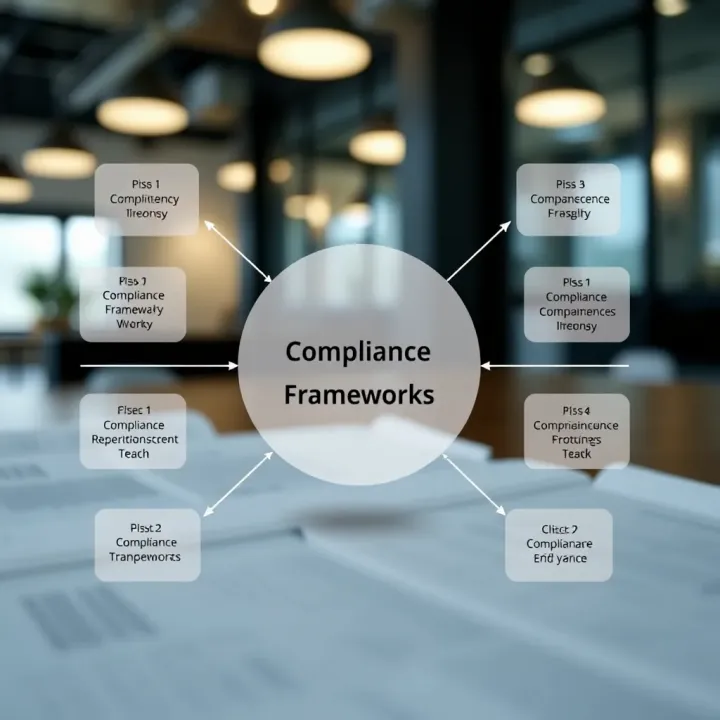
🔍 Explore how Kenyan businesses manage compliance and risks, master best practices, and build a strong culture aligned with local laws and regulations.
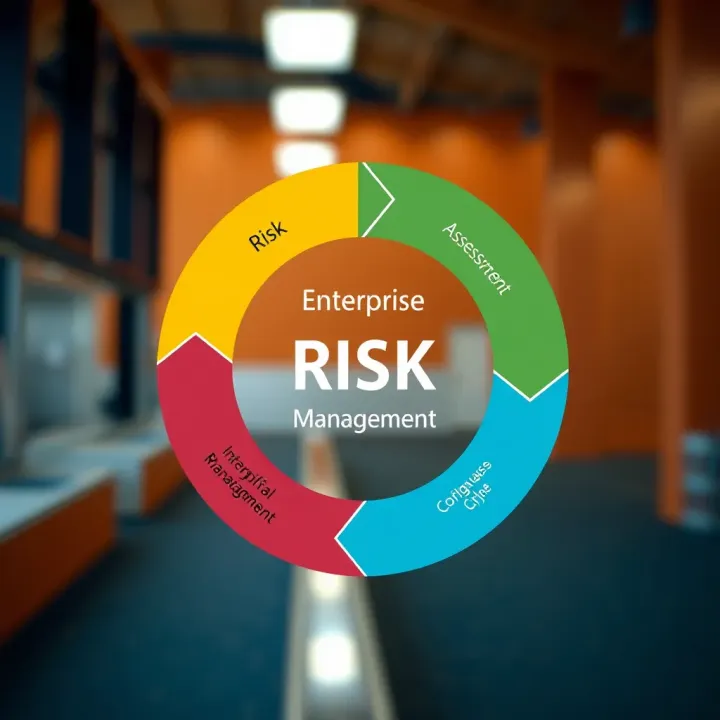
Explore how Enterprise Risk Management (ERM) helps Kenyan businesses identify, assess, and manage risks to safeguard operations and support strategy 📊🔍
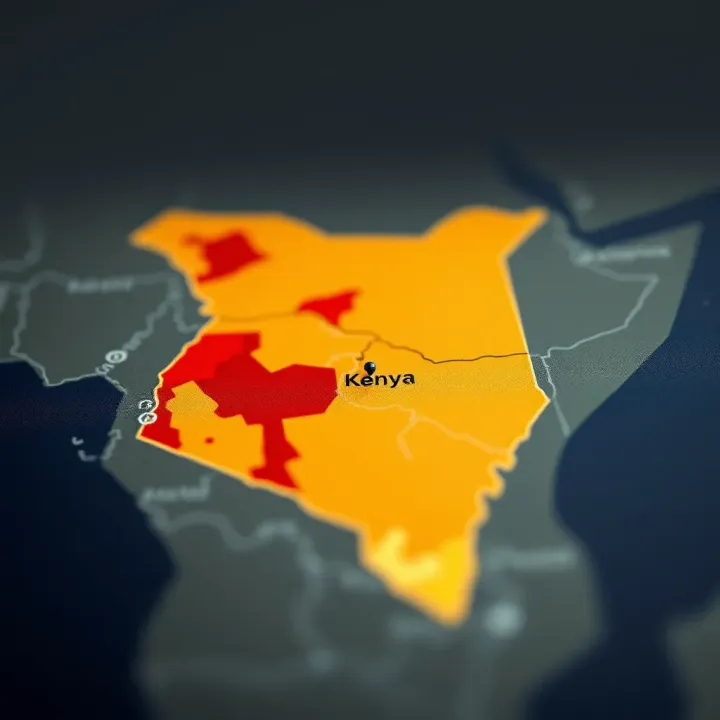
Explore practical disaster risk management in Kenya 🌍. Learn about common disasters, prevention, preparedness, and key stakeholder roles to reduce impacts.
Based on 5 reviews