
How Forex Trading Bots Work in Currency Markets
Explore how automated forex trading bots work in currency markets, their benefits and risks, plus tips for Kenyan traders looking to start safely 🤖💱📈
Edited By
Oliver Hayes
Automated systems, often called forex trading robots, are reshaping how currency trading happens worldwide—and Kenya is no exception. These robots are software programs designed to execute trades on the foreign exchange (forex) market automatically, using pre-set rules and algorithms. Unlike manual trading, where a person decides when to buy or sell currencies, these systems monitor the market 24/7 and make split-second decisions without emotional bias.
Kenyan traders looking for efficient ways to operate in the forex market turn to these robots for several reasons. First, automated trading helps remove the guesswork and reduces human errors that often lead to losses. For example, a forex robot can be programmed to buy USD against KSh when the price drops by a certain percentage and sell when the opposite happens—without needing the trader to constantly watch the screen.
Additionally, these systems can process vast amounts of data faster than any human. They analyse trends, historical price movements, and technical indicators to identify potential trading opportunities. This speed and efficiency can make a significant difference in volatile markets like forex, where prices change within seconds.
While forex robots offer convenience and speed, they are not foolproof. Traders must understand the risks involved, including software glitches and market conditions that can cause losses. Blindly relying on automation without oversight can backfire.
Some key features to consider when choosing a forex robot include:
Backtesting results: How well the robot performed in past market conditions
Customisability: Ability to adjust settings to match your trading style
Reliability: Consistent trade execution without frequent errors
Support and updates: Timely updates to adapt to changing market conditions
In Kenya, where internet connections can vary and regulatory frameworks are evolving, selecting a forex robot that integrates well with local conditions is essential.
Understanding how these systems work and their practical use is the first step toward using them effectively. In the sections ahead, we explore real-world applications, common pitfalls, and advice tailored for Kenyan traders aiming to leverage automated forex trading.
Grasping how forex trading robots work is vital for anyone looking to automate currency trades efficiently. These robots offer a way to manage the fast-paced forex market without needing constant attention, which suits traders juggling other commitments or those in different time zones.
At their core, forex trading robots are computer programmes designed to automatically buy and sell currencies based on preset rules. Think of them as digital fundis who never sleep, analysing market conditions 24/7 to trigger trades without emotional bias.
These systems automate trading decisions by following algorithms that scan price data, volumes, and other market signals. Instead of waiting for a human to act, the robot executes trades instantly when criteria match, saving traders from missing potentially profitable moments.
You’ll find diverse types of forex robots, from fully automated systems managing everything to semi-automated tools that require some trader input. There are also expert advisors (EAs) particularly common on MetaTrader platforms that provide built-in strategies or allow custom programming.
These robots depend heavily on algorithm-based strategies. For example, a common method is trend-following where the robot detects when a currency pair’s price is moving steadily in one direction and enters a trade accordingly. Other robots might use grid or scalping strategies tailored to specific market conditions.
Technical indicators form the backbone for many forex robots. Indicators like Moving Averages, Relative Strength Index (RSI), or Bollinger Bands help the robot decide entry and exit points. For instance, a robot might buy when RSI drops below 30 signalling oversold conditions.
Execution speed is a game changer in forex trading. Robots can open and close trades within milliseconds, much faster than any human. Plus, since currency markets never close, these systems operate round the clock, offering Kenyan traders a chance to tap into global market moves regardless of local time.
Forex trading robots bring consistency and speed, but their success depends on the algorithms and settings used. Understanding how they work helps traders pick and customise robots that suit their style and market conditions.
Automated forex trading systems, often known as forex robots, have changed how traders participate in the currency market. They offer distinct benefits—but also come with their own set of risks. It matters a lot, especially for Kenyan traders, to weigh both sides carefully before relying on these systems. Understanding what forex robots can and cannot do helps you make smarter decisions and avoid unexpected problems.
One of the biggest advantages of using forex robots is how they eliminate emotional bias. Many traders get caught up in fear or greed, leading to rash decisions like holding onto losses too long or exiting winning trades prematurely. A well-programmed forex robot sticks only to the rules, ignoring panic and excitement. This can be especially helpful for Kenyan traders who may sometimes be tempted to react impulsively during volatile times, like when the shilling suddenly drops after a CBK decision.
For example, during rapid market moves influenced by geopolitical news or central bank announcements, an automated system keeps trading according to its strategy, avoiding the "panic sell" or "overzealous buy" that human traders might make.
Kenyan traders often juggle forex trading with jobs, studies, or family duties. Forex robots allow you to trade 24/7 without needing to watch the market all the time. A robot can scan charts, spot opportunities, and place trades day and night—even while you sleep or attend to other commitments.
This becomes particularly useful given forex’s round-the-clock market hours across different time zones. For example, while Nairobi sleeps, the Tokyo or London sessions are active. A forex robot keeps you engaged across these sessions without the need for you to be glued to a computer or mobile device constantly.
Forex trading demands discipline and consistency, which even experienced traders struggle to maintain. Robots faithfully follow pre-set trading strategies without deviation. This leads to more consistent execution compared to manual trading, where traders may skip or alter steps based on hunches.
Suppose your strategy calls for exiting trades when a moving average crossover occurs. A robot executes this instantly and without flaw during busy market conditions, while a human trader might miss the alert or hesitate. Such dependability can help Kenyan traders build steady performance over time, avoiding common human slip-ups.
Forex robots depend entirely on their underlying algorithms and data feeds. If there's a programming bug or poor coding, the robot may generate wrong signals or faulty trades. This risk increases if you rely on cheap or unverified software.
For Kenyan traders, this risk is real and can lead to losses if you don’t thoroughly test and validate the software. Blind trust in a robot without understanding its logic or performance can be costly. Always check backtested and live data performance before deploying any robot with real money.
Forex robots often perform well in stable, trending markets but can struggle during sudden, sharp price swings—a common feature in currency markets. Unexpected events like political instability, economic shocks, or surprise central bank moves can cause price whipsaws that override robotic algorithms.
For example, Kenya’s own shilling sometimes reacts violently to election periods or external fiscal pressures. Such volatility might trigger a robot to enter multiple losing trades before it can recalibrate, leading to accelerated losses.
Anything digital can fail—connections drop, servers crash, or software freezes. These technical issues can cause missed trades, incorrect orders, or delay exits, affecting profitability.
In Kenya, where internet reliability varies widely, this is something traders must watch closely. Even with good internet, power outages or hardware problems can interrupt trading automatically executed by the robot. Keeping backups, stable connectivity, and monitoring alerts can reduce these risks but cannot remove them entirely.
Automated forex robots offer clear advantages, especially for Kenyan traders needing discipline and 24-hour market exposure. That said, traders must remain aware of software risks and market volatility to prevent surprises and losses.
By understanding both sides, Kenyan traders can better harness forex robots and integrate them wisely into their trading approach.
Selecting the right forex trading robot is more than just picking software—it’s about finding a system that suits your individual trading goals and risk tolerance. A well-matched robot helps maintain discipline and efficiency, while a poor fit can cause frustration or unnecessary losses. Kenyan traders, whether experienced or beginners, should carefully evaluate features, platform compatibility, and the developer's trustworthiness to make informed choices.
Backtesting is crucial as it shows how a robot would have performed using historical market data. This gives you an idea of the strategy’s strengths and weaknesses in different market conditions without risking actual funds. For example, a forex robot that performs well during past volatile periods like elections or economic announcements might be reliable under similar future conditions.
Live performance data is equally important. Some robots work well on paper but struggle in real markets due to factors like slippage or spread changes. Look for robots that provide verifiable records from live trading accounts, preferably audited or confirmed by third parties. Kenyan traders should try to test robots on demo accounts before committing real money.
MetaTrader 4 (MT4) and MetaTrader 5 (MT5) remain the most popular forex trading platforms in Kenya and globally. It’s vital your robot supports the platform you use because each platform has different programming languages and features. MT5, for instance, offers more timeframes and order types, which might suit more advanced strategies.
Beyond just compatibility, verify that the robot integrates smoothly without causing crashes or delays. A forex trader using MT4 on a local broker should pick a robot optimised for MT4 to avoid technical headaches.
No two traders operate the same way, so a robot with adjustable settings offers flexibility. Customisation may include changing risk levels, stop-loss and take-profit limits, or selecting specific currency pairs.
User control ensures you’re not locked into a rigid system. Kenyan traders often face diverse market environments—from quieter hours to spikes during global releases—so adjusting the robot’s behaviour can help navigate those changes effectively.
One of the biggest risks in forex robots is falling victim to poorly made or dishonest software. Always check the background of the developers. Established companies or developers with verifiable track records in forex software are usually safer bets.
Look for independent reviews, participation in known forex communities, or endorsements by trusted brokers. A robot offered by an unknown developer promising instant riches should raise red flags.
If a forex robot promises guaranteed returns of 50% or more per month with zero risk, it’s safe to assume those claims are exaggerated or false. Forex markets are volatile and uncertain—even the best systems suffer losses sometimes.
Legitimate robots highlight risks alongside potential rewards. A reasonable expectation might be steady monthly gains of 5% to 15%, depending on market conditions and trading style.
Before purchasing, carefully read the robot’s terms and conditions. Transparency in refund policies, trial periods, support availability, and algorithm updates reveals professionalism.
Some robots hide costly subscription fees or restrict your ability to withdraw funds freely. Transparency helps prevent unpleasant surprises after purchase, especially for Kenyan traders often dealing with cross-border payments and currency conversion.
Clear scrutiny before investing in a forex robot reduces the chance of losses due to scams and poor system choice. Always invest time in research.
By focusing on these features and warnings, Kenyan traders can pick forex robots that genuinely match their trading style and help navigate the currency markets with more confidence and control.
Integrating forex robots into your trading practice requires a clear understanding that these tools are just one part of a broader strategy. Automated systems can handle repetitive tasks and process data faster than a human, but they do not eliminate the need for trader oversight and market knowledge. For example, a Kenyan trader using a robot on MetaTrader 4 should still keep an eye on economic news events that might affect currency pairs like USD/KES, as these can create volatility that bots may not fully anticipate.
Understanding markets stay unpredictable
The forex market can be quite volatile and influenced by factors beyond just chart patterns or technical indicators. Political announcements, such as changes in Central Bank of Kenya (CBK) policies, or unexpected events like drought affecting agriculture, can shake the markets unpredictably. No forex robot can predict all these external factors, so traders must accept that losses can still occur even when using automated systems.
Using robots as tools, not guarantees
Forex robots should be viewed as assistants that follow programmed strategies rather than magic wands ensuring profits. While a robot can execute trades perfectly by following set rules, it cannot adapt to sudden market shifts unless pre-programmed to do so. This means you, as a trader, need to maintain control and be ready to intervene if market conditions change abruptly. For instance, shutting down robot trading during major economic reports may be wise.
Combining automated and manual trading
Many successful traders blend automated systems with their own manual analysis. This hybrid approach allows automation to handle routine, high-frequency trades, while the trader uses judgment for strategic decisions. A practical example is using forex robots for scalping typical price movements during Nairobi trading hours while manual trades address longer-term trends based on fundamental research.
Testing robots on demo accounts
Before risking real money, it's vital to test the forex robot’s performance on demo accounts under different market conditions. This lets you assess its response to volatility or low liquidity scenarios common in pairs like KES/USD. Demo testing helps spot bugs or settings that need tweaking without financial risk.
Monitoring performance regularly
Even after deployment, keep a close watch on how the robot performs. Markets evolve, and a strategy that worked well last month might struggle during the long rains season or shifts in global forex trends. Checking daily or weekly reports and trade logs ensures you catch problems early, adjusting or pausing trades as needed.
Adjusting settings to match market conditions
Forex robots often allow customisation of parameters like stop-loss limits or trade frequency. Adapting these settings to fit current Kenyan market nuances is crucial. For example, tightening stop losses during high volatility periods like Kenya’s election seasons can reduce losses. Regularly review and fine-tune these settings rather than leaving them static.
Incorporating forex robots into your trading takes more than plug-and-play — it demands ongoing attention, practical adjustments, and a good grasp of market realities. When done well, they can be valuable tools in your overall trading toolkit.
As automated systems become more common in forex trading, regulation and ethics have taken centre stage. For Kenyan traders, understanding these factors is key to navigating risks and ensuring fair dealings. Regulation protects traders from fraud and malpractice, while ethical use fosters trust and market stability.
Kenya's regulatory framework for forex trading is largely overseen by the Capital Markets Authority (CMA). The CMA issues licences to forex brokers operating within the country, ensuring they meet minimum standards of transparency and financial security. This helps protect Kenyan traders from scams and untrustworthy operators. In practice, using CMA-licensed brokers increases the odds that your funds and data are handled with proper care.
Beyond Kenya, other jurisdictions like the UK’s Financial Conduct Authority (FCA) or the US Commodity Futures Trading Commission (CFTC) have strict rules governing forex platforms and automated trading tools. This international oversight promotes higher industry standards and deters malpractice worldwide.
Cautions on unregulated brokers and software are vital. Many forex robots available online come bundled with unvetted trading platforms or claims that sound too good to be true. Relying on unregulated software or brokers can expose traders to sudden shutdowns, withdrawal issues, or identity theft. Kenyan traders have reported losing sizeable amounts due to such schemes, especially through platforms that operate offshore without CMA approval.
Trading through licensed platforms is the safest route. Licensed brokers are subject to routine audits, capital requirements, and must provide clear terms on fees and risks. They often integrate with popular trading platforms like MetaTrader 4 and 5, ensuring compatibility with trusted forex robots. Stick to firms registered with CMA or other reputable authorities to avoid surprises.
Fair trading practices mean that forex robots should operate without manipulating market prices or exploiting inside information. Ethical developers design robots that follow market rules, ensuring all users engage on a level playing field. This builds long-term confidence among traders and reduces market distortion.
Transparency with clients and partners is equally important. Sellers of forex robots must clearly disclose the algorithm’s capabilities, risks involved, and costs. Traders must know whether performance claims are based on backtesting, live trading, or cherry-picked data. This openness helps users make informed decisions and reduces misunderstandings.
Automated systems also impact market behaviour. While robots can improve market efficiency through faster execution and better liquidity, excessive reliance on shortcuts may cause sudden price swings or flash crashes if too many bots react to the same signals. Kenyan traders should understand this risk and never regard forex robots as foolproof.
Using forex robots responsibly means balancing technological advantages with regulatory compliance and ethical considerations. This protects not just individual traders but the entire currency market ecosystem.
In summary, Kenyan traders using automated forex systems should prioritise licensed brokers, beware of unregulated software, and expect clear information from robot developers. This approach helps safeguard investments and supports fair market conduct.
Explore how automated forex trading bots work in currency markets, their benefits and risks, plus tips for Kenyan traders looking to start safely 🤖💱📈
📊 Discover how to read forex trading charts, identify patterns, and use technical indicators effectively to make smarter currency trades in Kenya’s market.
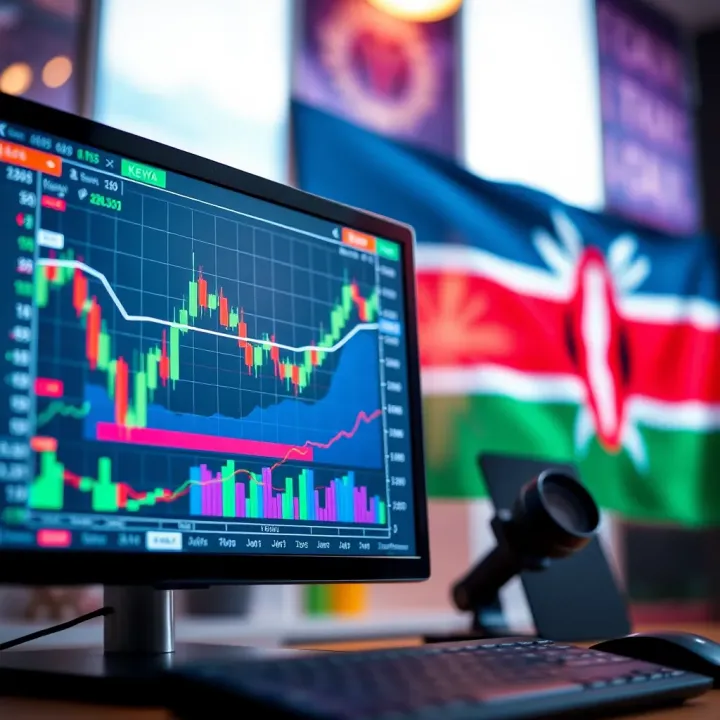
Explore top forex trading companies in Kenya 🇰🇪, learn about regulation, broker reliability, services, and key tips to pick the right one for you 📈💼.
Learn forex trading basics in Kenya 🇰🇪: market operation, key terms, trading strategies, risk management, and tools to start with confidence 💹💡.
Based on 5 reviews