

Using Forex Trading Bots in Kenya: A Practical Guide
Discover how to use forex trading bots in Kenya🔍 Learn benefits, risks, legal tips⚖️ and practical strategies to improve your forex trading game🚀
Edited By
Sophie Clarke
Forex trading, or foreign exchange trading, is the buying and selling of currencies in the global market. In Kenya, this activity has gained traction among traders and investors looking to diversify their portfolios beyond traditional options like stocks or property. However, diving into forex without a clear understanding can be costly — this guide aims to simplify the basics and set you on the right path.
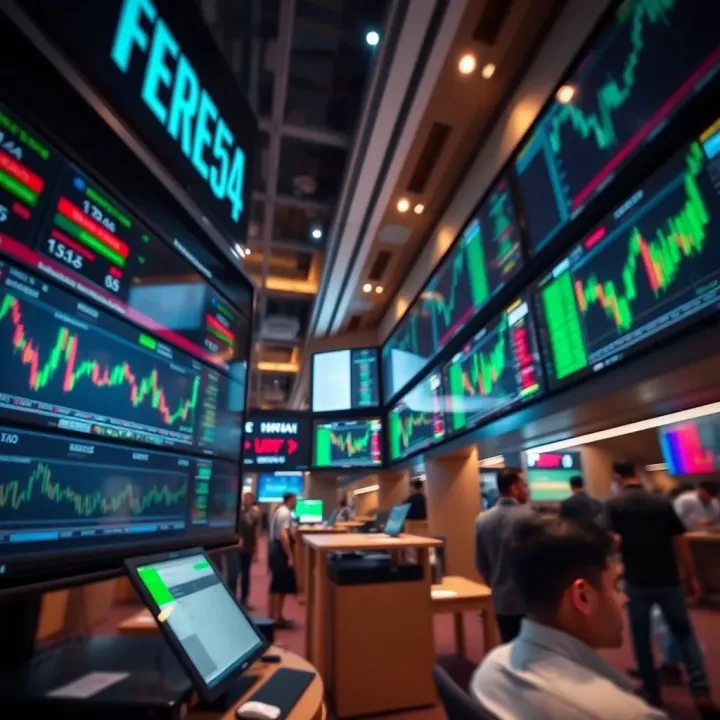
Kenyan forex learners should recognise that the forex market operates 24 hours a day, five days a week, spanning major financial centres in London, New York, and Tokyo. This continuous trading means that market conditions can change rapidly, depending on global economic news and events. For a practical start, understanding the most traded currency pairs like USD/KES or EUR/USD is essential since these involve the Kenyan shilling and major world currencies.
Getting started involves three main steps:
Opening a trading account with a licensed forex broker approved by the Capital Markets Authority (CMA) Kenya. This ensures your investments receive protection under local regulation.
Funding your account, where payment methods like M-Pesa make deposits straightforward for Kenyan traders. Some brokers also accept bank transfers or card payments.
Learning to use trading platforms like MetaTrader 4 or MetaTrader 5, which provide tools for analysing market trends and executing trades.
Remember, forex trading carries risk, and leverage offered by brokers can magnify both gains and losses. Start with small amounts and practise on demo accounts to build confidence.
Kenyan traders should also be mindful of local tax implications — profits from forex trading are subject to income tax, and it's wise to keep clear records with tools like iTax.
To trade smartly, focus on strategies suited to your lifestyle and risk tolerance. Popular choices include day trading for those who can monitor the market actively, or swing trading for those preferring positions held for a few days.
By considering both global forex principles and local factors like regulation, taxation, and accessible payment options, Kenyan traders can approach forex trading with better clarity and preparedness. This guide will walk you through the key concepts, risks, and tools to become a confident forex trader.
Grasping how the forex market works is key for anyone looking to trade currencies in Kenya. It helps you understand the factors that influence exchange rates and how global events can affect your trades. Also, knowing the market’s workings can give you an edge in making informed decisions instead of relying on guesswork.
Forex trading is essentially buying one currency while selling another at the same time. The goal is to profit from changes in exchange rates. For example, if you believe the euro will strengthen against the US dollar, you buy the EUR/USD pair. If your prediction plays out, you can sell at a higher price to make a gain. This currency exchange process runs 24 hours because the market operates across various countries.
The forex market is the world’s largest financial market, with daily turnover exceeding $6 trillion. Unlike stock markets that operate during fixed hours, forex runs nonstop from Monday morning in Auckland to Friday evening in New York. Major financial hubs like London, New York, Tokyo, and Singapore overlap, ensuring liquidity almost all the time. This constant activity means traders can respond promptly to news or sudden shifts in economic policies.
Some currency pairs see more action due to the economies behind them. The major pairs include EUR/USD, USD/JPY, GBP/USD, and USD/CHF. These are heavily traded because of their liquidity and smaller spreads, making them more cost-effective for traders. For Kenyan traders, following these pairs can be practical because they often shape market trends and provide clearer trading signals.
Unlike stocks which represent ownership in companies, forex trading deals purely in currencies. Commodity trading involves physical goods like gold or oil. Forex markets are generally more volatile than stock markets, which can mean bigger profits but also more risk. Moreover, forex doesn’t rely on corporate earnings reports but responds more to macroeconomic factors like interest rates and inflation.
Forex’s continuous operation from 5 pm Sundays (Nairobi time) to 4 pm Fridays gives traders flexibility unmatched by equities markets that close daily. Additionally, currencies enjoy high liquidity, especially major pairs, meaning you can enter or exit trades quickly without large price changes due to your order size. This liquidity works well for Kenyan traders who might need to trade at different times because of work or other commitments.
Leverage allows Kenyan traders to control large positions with a relatively small amount of capital, amplifying both gains and losses. For instance, with 1:100 leverage, KS0,000 can control KS,000,000 worth of currency. However, care is needed because while it can boost profits, it can equally eat into your account if the market moves against you. Understanding how to manage margin—the amount you need to open a leveraged trade—is vital to avoid margin calls or forced trade closures.
Remember, forex trading isn’t about luck but about understanding market behaviour, managing risks, and learning to use tools like leverage wisely. This knowledge sets the foundation for successful trading in Kenya’s growing forex community.
Taking the first step into forex trading can feel overwhelming, but setting it on the right foot is vital. Starting your forex trading journey properly means understanding the tools, platforms, and partners involved. That way, you avoid common pitfalls like dealing with unreliable brokers or using poorly designed software that can slow your progress.
In Kenya, working with a regulated forex broker is non-negotiable. Regulation by the Capital Markets Authority (CMA) means the broker follows strict rules designed to protect traders’ funds and prevent fraud. For example, a CMA-licensed broker must hold client funds separately from company money, so your deposits are safer if anything goes wrong. Always check the CMA website to verify a broker's licence before opening an account.
Beyond regulation, the range of services a broker offers shapes your trading experience. Look for brokers providing real-time price feeds, tight spreads (the difference between buying and selling prices), and fast execution speeds. Some brokers charge commissions per trade, while others embed fees in spreads; knowing this helps manage costs. For instance, a spread of 2 pips on the USD/KES pair might be acceptable depending on your trading style and frequency.
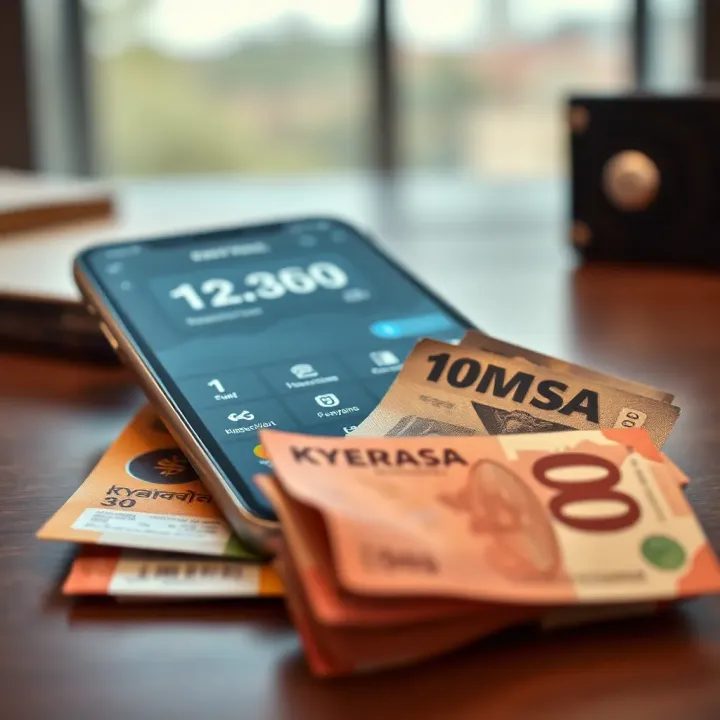
Opening an account with a Kenyan forex broker is usually straightforward. You’ll need to provide identification documents like a Kenyan ID or passport and proof of residence such as a utility bill. Many brokers allow you to open demo accounts first, which let you practise without risking real money. To switch to live trading, you’ll fund your account using popular local payment methods, including M-Pesa, which simplifies deposits and withdrawals.
MetaTrader 4 (MT4) and MetaTrader 5 (MT5) are the most popular trading platforms among Kenyan forex traders. They support a wide range of technical analysis tools, automated trading options (Expert Advisors), and are compatible with both desktop and mobile devices. TradingView is also gaining traction for its advanced charting and social trading features.
Most brokers offer direct downloads of platforms on their websites or smartphone app stores. Installation is typically simple, but ensure you download from official sources to avoid malware risks. Mobile apps from brokers or platforms like MT4 allow you to trade on the go, crucial during market hours that don’t align with regular Kenyan office times.
At first, the variety of charts, indicators, and order types found in trading platforms can be confusing. Start by learning how to place basic trades, set stop-loss and take-profit orders, and read price charts. Most platforms provide tutorials and demo modes to familiarise yourself with the features. This hands-on approach reduces mistakes when you start trading with real money.
Choosing a licensed broker and mastering your trading platform are the pillars of a confident forex trading journey in Kenya. Avoid shortcuts here to build a strong foundation.
Forex trading strategies and techniques form the backbone of successful trading. They guide decisions based on market behaviour, helping traders manage risks and seize opportunities. For Kenyan traders, these approaches are essential as they balance global market dynamics against local constraints like access to information and payment methods.
Fundamental analysis hinges on interpreting economic data to predict currency moves. Indicators such as Kenya's GDP growth rate, inflation rate, or employment figures tell traders about the health of an economy. For instance, if Kenya reports stronger-than-expected GDP growth, the Kenyan shilling (KES) may strengthen against other currencies because more investors see the economy as robust.
Understanding these indicators allows traders to anticipate long-term trends rather than react impulsively. Economic releases are timed events, so knowing when and which indicators to watch can provide a trading edge.
Currency markets react sharply to geopolitical developments, central bank decisions, or unexpected events. For example, a surprise announcement by the Central Bank of Kenya concerning interest rate changes can lead to a surge or fall in the KES value.
Political elections or trade negotiations within the East African Community (EAC) similarly create volatility. Savvy traders track such news closely, using them to enter or exit positions before the market fully digests the information.
Economic calendars compile upcoming releases of important reports, including interest rate decisions, inflation data, and trade balances. These calendars help Kenyan traders plan their activities, avoiding trades during potentially disruptive announcements or positioning themselves to benefit from ensuing price swings.
Regular review of quarterly reports and data helps keep traders informed about underlying economic trends beyond day-to-day market noise. Apps or websites offering this information should be part of every trader’s toolkit.
Charts visualise price movements, making patterns visible that might predict future moves. Kenyan traders frequently use candlestick charts which display price highs, lows, openings, and closings within defined time frames.
Patterns like head and shoulders, flags, or triangles signal potential trend reversals or continuations. For example, spotting a ‘double bottom’ in USD/KES might suggest the shilling is gaining strength, guiding traders to take a buy position.
Indicators like Moving Averages (MA) smooth out price data to highlight trend directions. An MA crossing above a longer MA can signal a buy opportunity. Oscillators like the Relative Strength Index (RSI) indicate overbought or oversold conditions, helping traders decide when to exit or enter trades.
Using a combination of these tools helps Kenyan traders confirm signals, reducing guesswork. For instance, when RSI shows an oversold condition while a bullish candlestick pattern forms, a trader may be more confident in buying.
Support and resistance refer to price points where currencies tend to stop falling or rising. Suppose USD/KES falls to a price where it repeatedly bounces back; that price level is a support. Resistance works similarly for price ceilings.
Identifying these levels helps traders set stop-loss and take-profit points, limiting losses and locking in gains. For example, if the KES has strong support at 110 against USD, traders can plan to enter trades close to that level expecting a bounce.
Clear strategies combining fundamental and technical analysis give Kenyan forex traders a practical way to navigate volatile markets while making informed trade decisions.
Managing risks and protecting your capital are essential for any forex trader, especially in Kenya where market conditions can be unpredictable. Proper risk management helps you avoid significant losses and stay afloat during periods of high volatility. For instance, even a small KSh 20,000 investment can quickly vanish if you don’t have a clear plan to limit losses. Protecting your capital ensures you remain in the game longer, providing more opportunities to learn and profit.
The forex market is known for its sharp price swings, often triggered by economic reports, political events, or global crises. These sudden moves can catch new traders off guard. For example, a trader holding a position during a surprise Central Bank decision may see rapid losses if they didn’t anticipate the event. In Kenya, factors such as changes in US dollar trends or election seasons can cause unexpected market jumps.
Trading forex can stir strong emotions like fear, greed, and impatience. Many new traders react emotionally to losses or gains, which clouds their judgement. For instance, after losing money on a trade, some might impulsively increase their investment to recover losses quickly, often making the situation worse. Maintaining discipline and keeping emotions in check is crucial to long-term success.
Forex brokers in Kenya often offer high leverage—sometimes up to 1:500—which lets traders control large positions with little capital. While this sounds attractive, it significantly increases risk. Overtrading, or placing too many trades too quickly, can multiply losses when prices move against you. A trader using excessive leverage may face margin calls or end up wiping out their entire account rapidly.
Stop-loss orders help cap your losses by automatically closing a trade when a price moves against you by a preset amount. Likewise, take-profit points lock in gains by closing a trade once a target price is reached. Using these tools protects you from letting losses spiral and helps secure profits without being glued to your screen. For example, if you buy USD/KES at KSh 110 and set a stop-loss at KSh 108, your maximum loss is limited to 2 shillings per dollar.
Determining how much to risk on each trade prevents exposing too much of your capital at once. A common rule is to risk no more than 1-2% of your total trading amount per trade. So, with KSh 100,000, you’d risk KSh 1,000 to 2,000 per trade. This way, even if several trades go wrong, your overall capital survives, allowing you to adjust strategies and continue trading.
Spreading your investment across different currency pairs limits the impact of one trade going bad. For example, rather than putting all your money on USD/EUR, you might also trade USD/GBP or USD/JPY. This reduces risk since the pairs often react differently to market events. Avoid concentrating funds on high-risk trades or volatile pairs alone, as this may lead to significant losses if the market goes against you.
Successful forex trading is not just about making profits—it’s about managing losses smartly to stay in the game longer.
By understanding these risks and applying practical risk management techniques, Kenyan traders can protect their capital and build confidence for consistent trading in the forex market.
Forex trading for Kenyans comes with its own set of practical challenges and opportunities. Understanding local payment systems, staying updated on regulations, and building solid trading discipline can make a real difference in your results. This section zeroes in on tips that are both useful and relevant within the Kenyan context, helping you trade smarter and safer.
Many Kenyan Forex brokers accept M-Pesa, making it convenient to deposit funds directly from your mobile phone. Brokers like HotForex Kenya and FXPesa have integrated M-Pesa, allowing traders to fund accounts swiftly without visiting a bank. This local mode of payment removes the hassle of international wire transfers and reduces delays.
Ensuring safe transactions means confirming you are sending money to a verified Paybill or Till number provided by the broker. Always double-check the details before sending funds. Using registered brokers regulated by the Capital Markets Authority (CMA) also protects you against scams that sometimes prey on unsuspecting traders.
When withdrawing profits, the process should ideally be as straightforward as depositing. Some brokers allow direct M-Pesa withdrawals, while others require bank transfers. Having clear knowledge of withdrawal procedures upfront can save time and avoid surprises such as hidden fees or delays.
The Capital Markets Authority (CMA) oversees forex trading activities in Kenya to ensure fairness and protect investors. CMA-approved brokers must meet strict criteria, including capital requirements, transparent operations, and dispute resolution mechanisms. Following CMA guidelines helps keep your trading within the law.
Understanding the legal boundaries means recognising which brokers are authorised and which operate illegally. Trading with unlicensed brokers risks losing your capital and legal recourse. Forex trading is legal in Kenya as long as it happens through CMA-recognised entities.
You can verify broker licences directly on the CMA’s official website or at their offices. This step is vital before parting with any money. Kenya’s Forex space has seen rogue players before, so doing this check is a must.
Keeping a trading journal helps you track your decisions, successes, and mistakes. Record your reasons for entering trades, entry and exit prices, and emotions at the time. This habit can reveal patterns in your trading and guide improvements.
Practising on demo accounts is another key step, especially for new traders. Demo accounts mimic real trading conditions with virtual money, allowing you to test strategies and get used to platforms without risking real funds. Kenyan brokers typically offer these accounts freely.
Joining Kenyan online forex communities brings you closer to fellow traders who share insights, market updates, and experiences. Platforms such as Nairobi Forex Traders Facebook groups or Telegram channels can offer support and motivation. Collaboration often speeds up learning and helps prevent common mistakes.
Practical, local knowledge plus disciplined habits form the backbone of successful forex trading in Kenya. Combining payment convenience with awareness of regulation and steady learning will give you an edge.
Discover how to use forex trading bots in Kenya🔍 Learn benefits, risks, legal tips⚖️ and practical strategies to improve your forex trading game🚀
Discover top forex trading classes in Kenya 🇰🇪 Learn practical skills, compare costs, and pick the best provider to boost your trading confidence today 📈
Explore the best forex brokers in Kenya 🇰🇪, learn about regulations, top picks, and tips to trade safely and confidently in the local market 💹
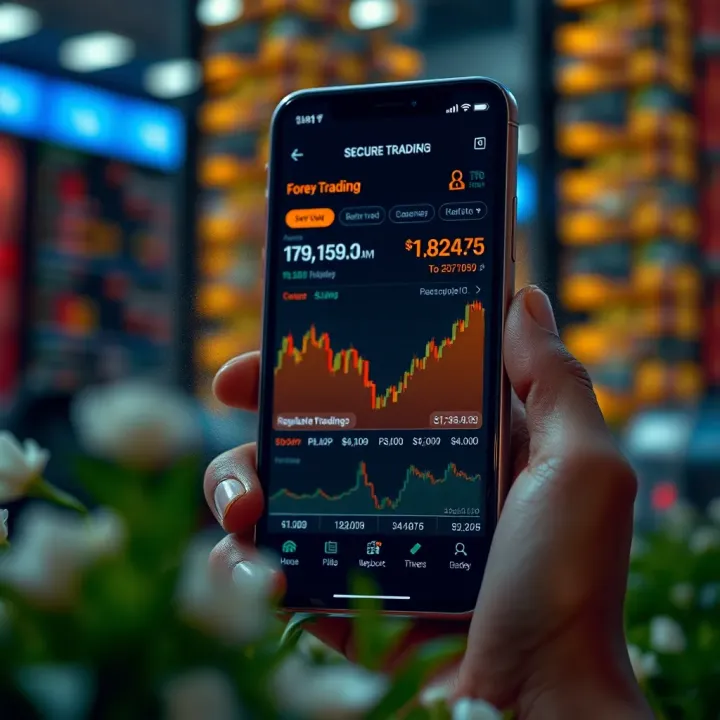
Explore the best forex trading apps in Kenya 📱, learn how to pick secure platforms, understand local rules, and trade confidently on your mobile device.
Based on 15 reviews